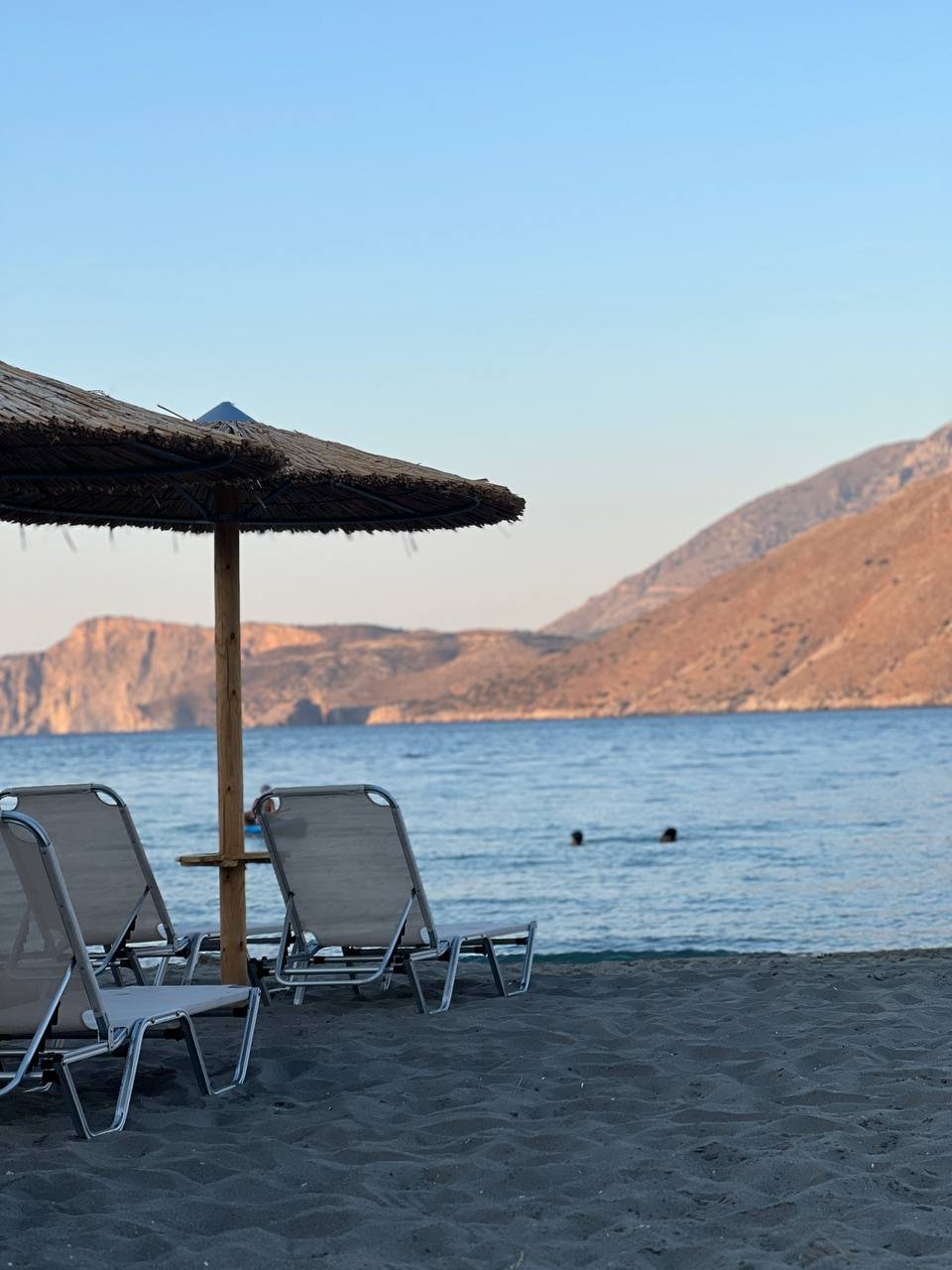
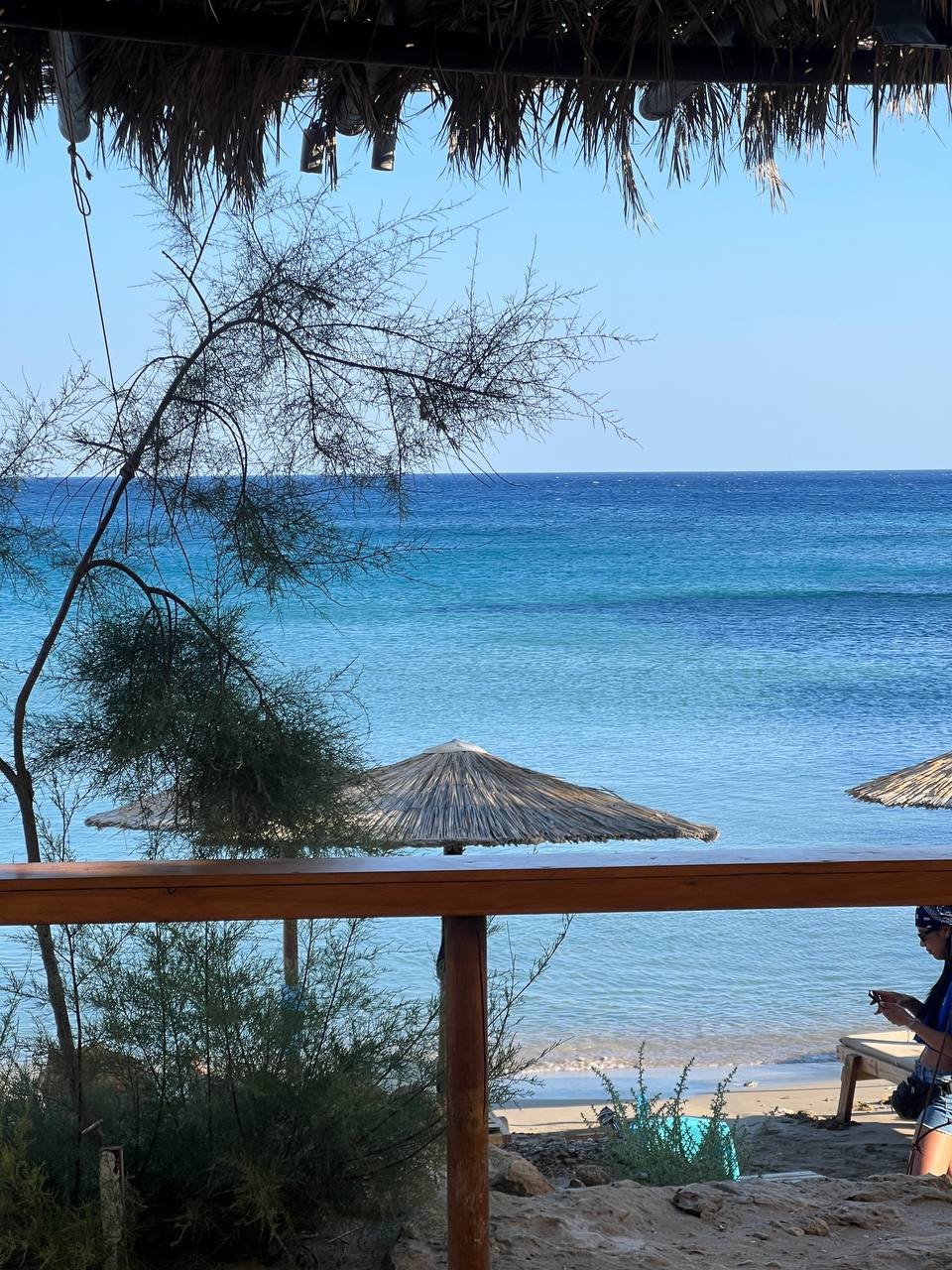
Crete's beaches don't shut down in winter — they just get quieter. Crete beaches in winter offer something summer can't: empty sand, free parking, and sea temperatures that stay swimmable well into November and December on the south coast.
Water Temperatures and What to Expect
The Libyan Sea on Crete's south coast holds heat longer than the north-facing Cretan Sea. Average sea temperatures by month:
- November: 20–22°C south coast, 18–20°C north coast
- December: 18–19°C south, 17–18°C north
- January: 16–17°C — cold but swimmable for acclimatised swimmers
- February: 15–16°C — wetsuit recommended for extended swims
Air temperatures in November average 18–22°C on the south coast with 7–8 hours of sunshine per day. For typical day-by-day conditions, the Crete weather report for 9 November 2026 illustrates the standard north/south divide: cooler and cloudier in the north, warmer and clearer in the south — which directly affects which beaches are worth targeting.
Beach facilities (umbrellas, sunbeds, most tavernas) close from late October. Bring your own towel and food. The upside: parking is free everywhere, and you'll often have an entire cove to yourself.
Best Beaches for Swimming in Crete in Winter
Focus on the south and southwest coast for the warmest crete beach off season experience. These five beaches are accessible by car and reliably protected from the north winds that dominate winter.
- Plakias — 38 km south of Rethymno via the Spili road. Long sandy beach with a year-round village, tavernas open off-season, and calm shallow water. The best base for multi-day south-coast stays.
- Paleochora — 75 km southwest of Chania. Two beaches: a sandy west-facing beach and a pebbly east-facing one. The town stays active in winter with local cafes and a weekly market.
- Matala — 68 km south of Heraklion. Rocky bay with a small sandy beach sheltered on three sides. Warm beaches crete november visitors consistently rate it for wind protection and reliable sunshine.
- Agia Galini — 65 km south of Heraklion. Small fishing port with a pebbly beach and year-round village life. Water stays noticeably warmer than north-coast equivalents through December.
- Preveli Beach — 35 km south of Rethymno then 2 km on foot. Iconic palm-lined river mouth. Accessible year-round but verify the access road is open after rain; no facilities in winter.
Elafonisi (77 km southwest of Chania) is beautiful but exposed to southwest swells in winter — the lagoon gets choppy and the access road occasionally closes after heavy rainfall. Worth checking conditions before making the drive.
Getting to South Coast Beaches in Winter
Public buses run reduced winter schedules and rarely serve beach access roads directly. A rental car is effectively mandatory for swimming crete winter trips to the south coast. In November–February, car rental drops to €20–35/day for a standard vehicle — roughly 40–60% below July peak rates. The complete guide to getting around Crete covers bus timetables, car rental agencies, and driving distances between major towns and south-coast villages.
Road conditions matter in winter. The mountain passes between the north coast highway and the south coast (Apokoronas, the Spili road, the Messara plain routes) can get icy or fog-bound after cold nights at altitude above 600 m. Check the forecast before early morning departures from December through February.
For broader trip planning, the 2-week Crete itinerary includes south-coast routing that adapts well to off-season travel, and the cost of living guide gives current pricing for accommodation in beach villages like Plakias and Paleochora, where winter rates drop significantly compared to peak season.