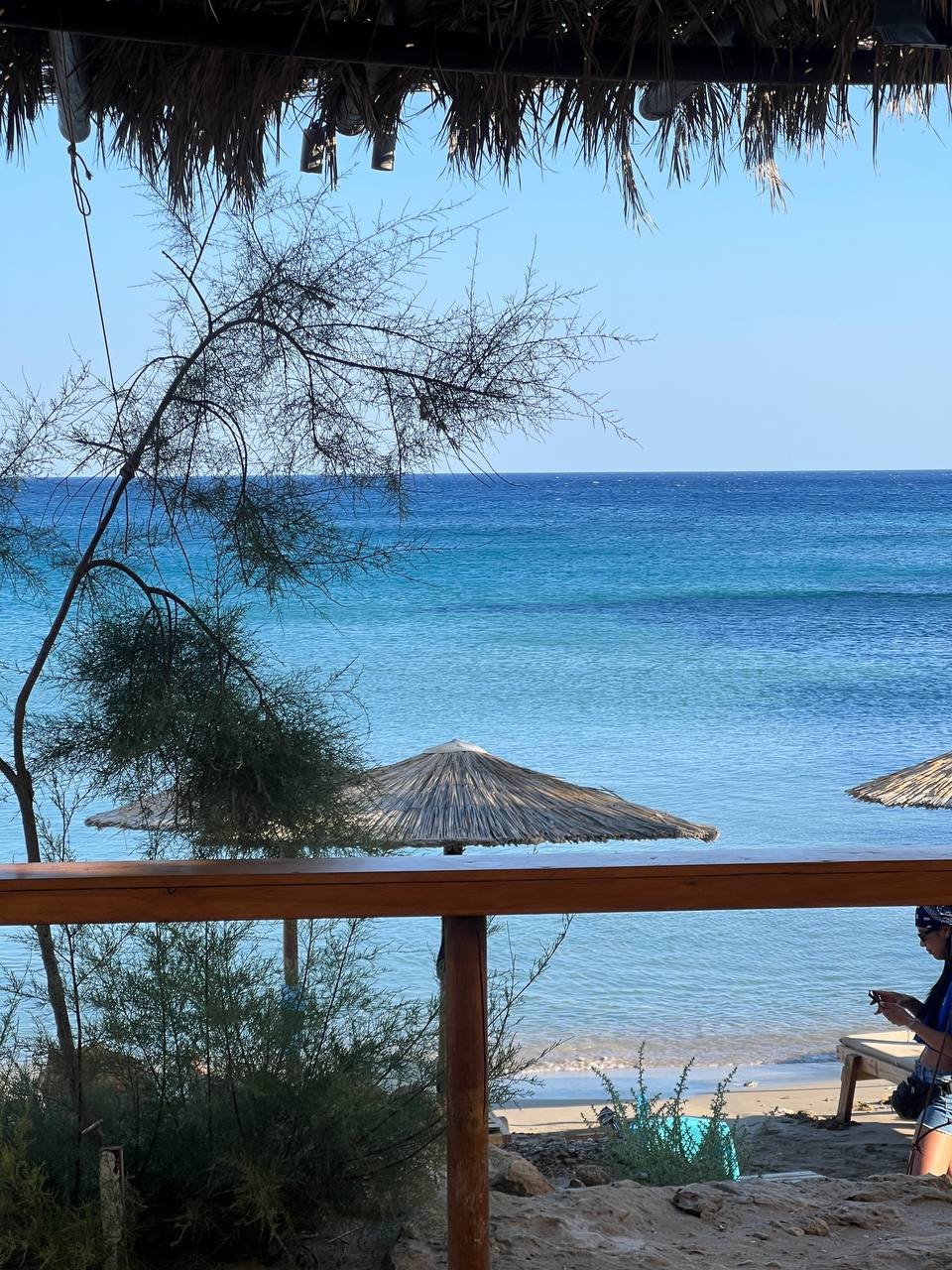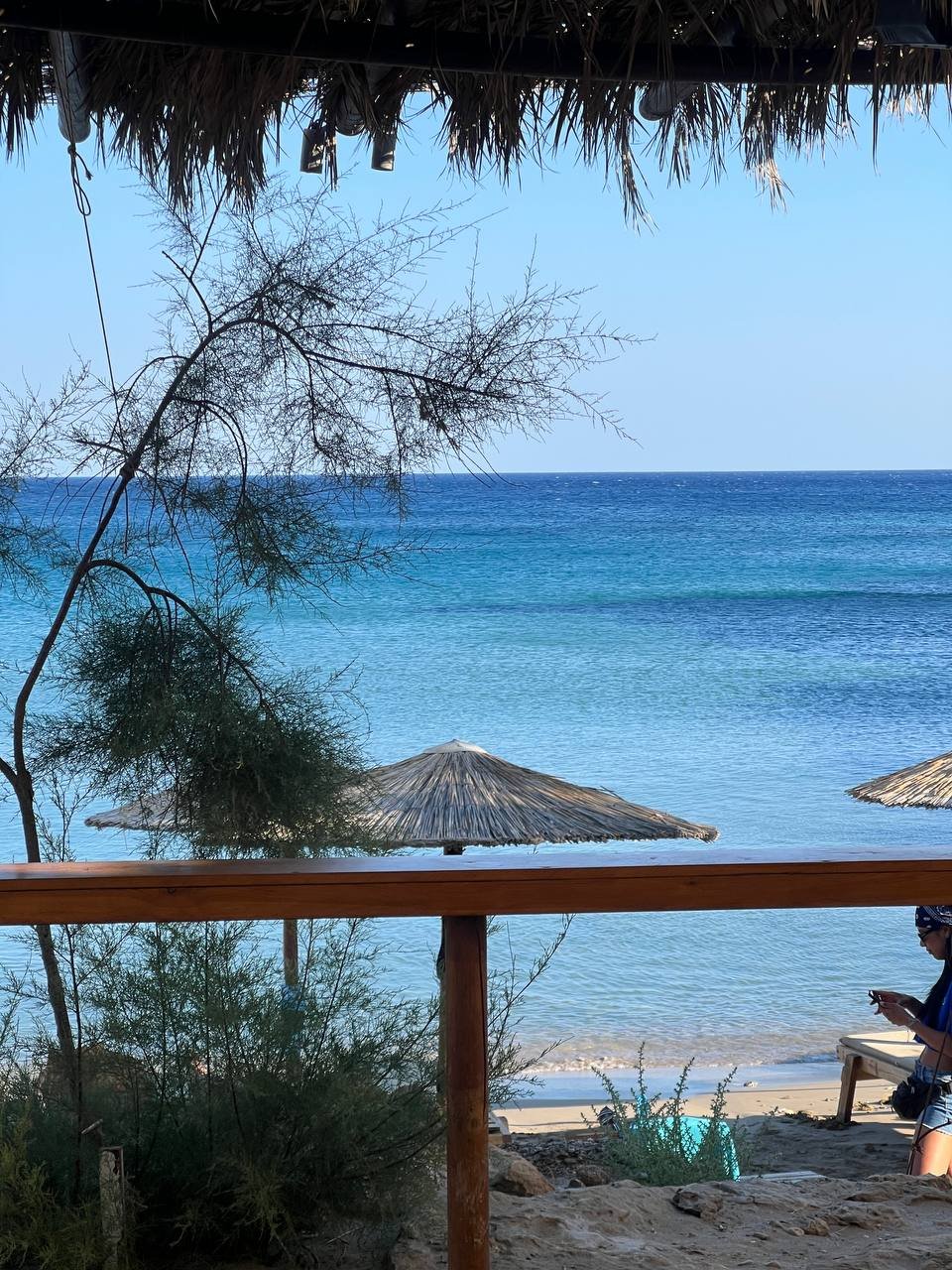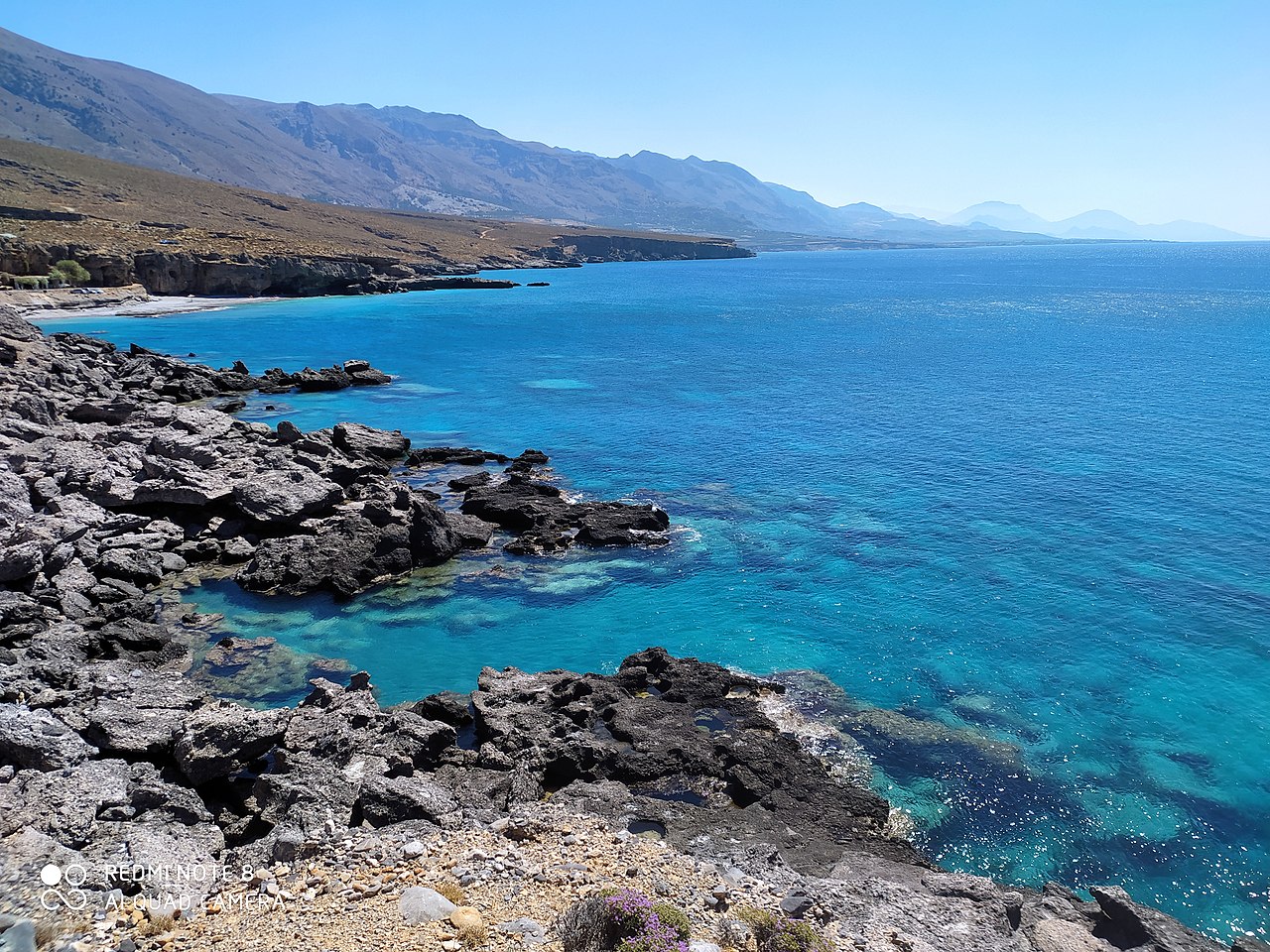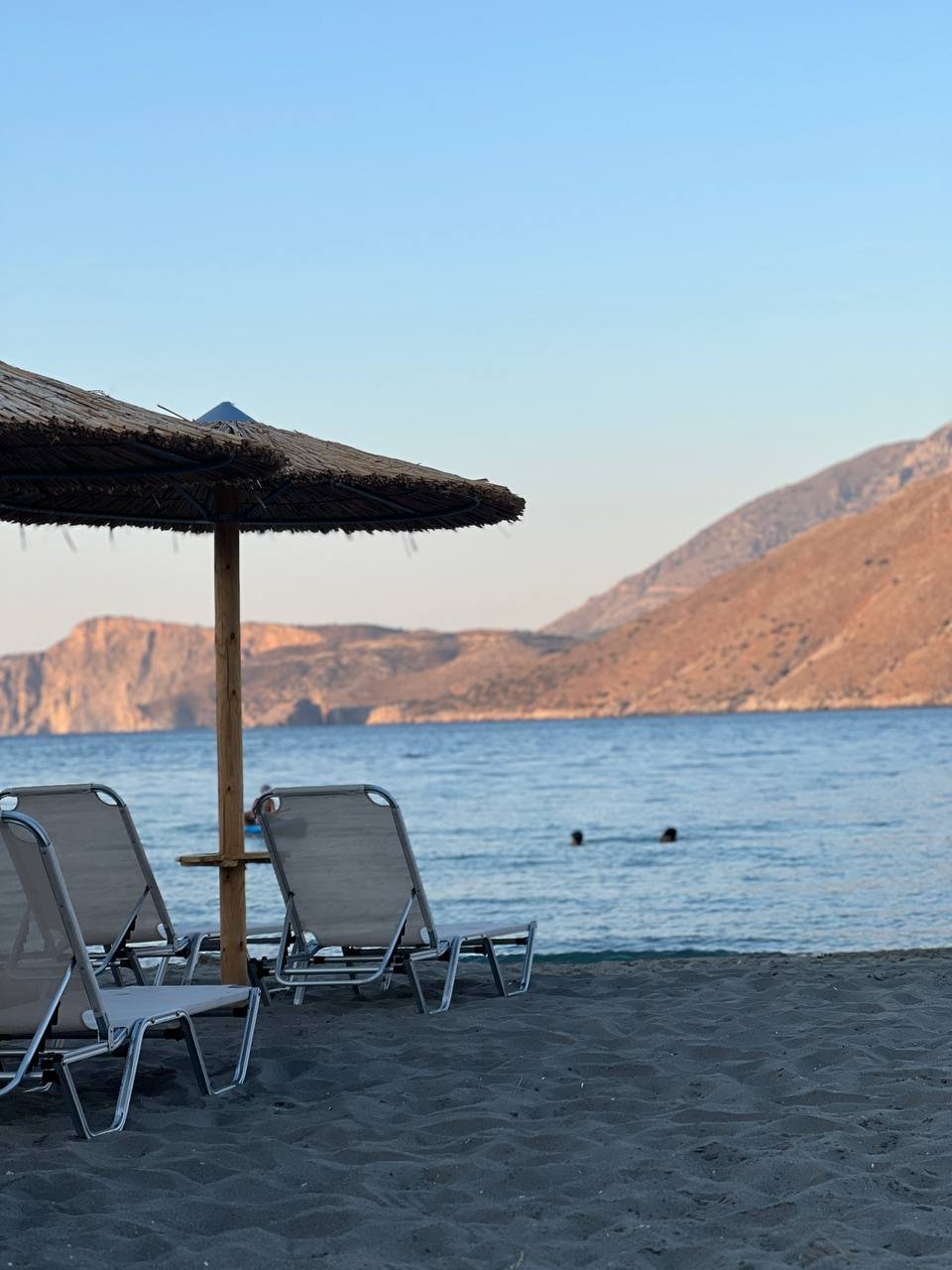
Winter swimming in Crete is genuinely possible from November through February — not as a novelty dip, but as a comfortable daily swim on the south coast. The Libyan Sea retains heat longer than the Aegean, and several beaches stay calm and accessible all winter. No wetsuit required, at least through December.
Sea Temperatures for Winter Swimming in Crete
The Cretan sea in December averages 20–22°C on the south coast (Libyan Sea) and 18–20°C on the north (Sea of Crete). In November, temperatures run higher: 22–24°C south, 20–22°C north. These are surface readings — comfortable for a 20–30 minute swim without a wetsuit for most people.
By January, south coast temperatures drop to 17–19°C. February is the coldest month at 15–17°C. For context, the Atlantic off Portugal in summer sits around 18°C — so swimming in November and December in Crete is warmer than many northern Europeans' summer swims at home.
Air temperature shapes the experience as much as water. November days reach 18–22°C in the south, December 14–18°C. Wind is the main variable — a 30 km/h north wind turns a pleasant swim into a chore regardless of water temperature. As the November 4 weather report noted, even overcast November days can be fully swimmable in sheltered southern bays when winds are light.
Best Beaches for Winter Swimming in Crete
The south coast consistently outperforms the north for crete beach in winter conditions. These are the most reliable spots, with practical access details:
- Makrigialos (Lasithi, southeast coast) — Sheltered bay with pebble-sand mix. Water stays calm even when north winds are active. Several tavernas open year-round. Distance from Heraklion: ~115 km east via the E75 coastal highway.
- Plakias (Rethymno, south coast) — Long sandy beach in a protected bay. Campsite and multiple rooms-to-rent stay open all winter. 50 km south of Rethymno via Spili. Local residents swim here on most winter days — a reliable indicator of conditions.
- Ierapetra (Lasithi, far south) — Southernmost city in Europe. The town beach is accessible year-round; nearby Agia Fotia and Koutsounari offer calmer, warmer water. Ierapetra consistently records Crete's highest winter air temperatures, often 2–3°C above Heraklion.
- Matala (Heraklion province, south) — Protected cove with rock-cut cave cliffs, 75 km southwest of Heraklion. Some cafes stay open November–December. The bay orientation blocks north and northwest winds effectively.
- Lentas (Heraklion province, south) — Remote, 65 km south from Heraklion on a narrow road requiring caution after rain. The small east-side cove stays calm in most winter conditions. Almost no facilities open — bring food, water, and everything you need.
- Xerokampos (far east Lasithi) — 170 km from Heraklion. Isolated, calm, low-swell. Zero winter infrastructure. Suited only to self-sufficient swimmers willing to make the drive.
The north coast — Heraklion city beach, Ammoudara, Rethymno town beach — can be swimmable on calm days, but north winds make conditions unpredictable from November through February. If you base yourself in Chania or Heraklion, budget 60–90 minutes of driving to reach reliable south coast water.
Practical Tips Before You Go
- No beach infrastructure. Beach bars and sunbed rentals close by late October island-wide. You swim from open sand or rocks. Bring your own water, towels, and food.
- Water entry points. Rocky entries are common at off-season beaches. Unexpected small swells appear even in calm-looking bays. Neoprene water shoes significantly improve comfort.
- Swim before 15:00. Sunset falls around 17:30 in December. Air temperature drops 4–6°C within an hour of sunset. Have dry, warm layers immediately accessible.
- Road conditions. South coast roads can deteriorate after heavy rain. The access roads to Lentas and Xerokampos require extra caution post-storm. Check conditions before committing to a long drive.
- Parking is free and easy. Most south coast winter beaches have no paid parking, no crowds, and no queues. This is one of the genuine advantages of off-season travel.
For a broader picture of what's open and functional across Crete in winter, the Crete off-season travel guide covers restaurants, tours, transport, and practical logistics for November through March.
If you're staying longer than a few weeks, Crete winter living: costs and expat guide covers heating costs, utility bills, and the realities of off-season island life — including which areas have the most amenities open year-round.