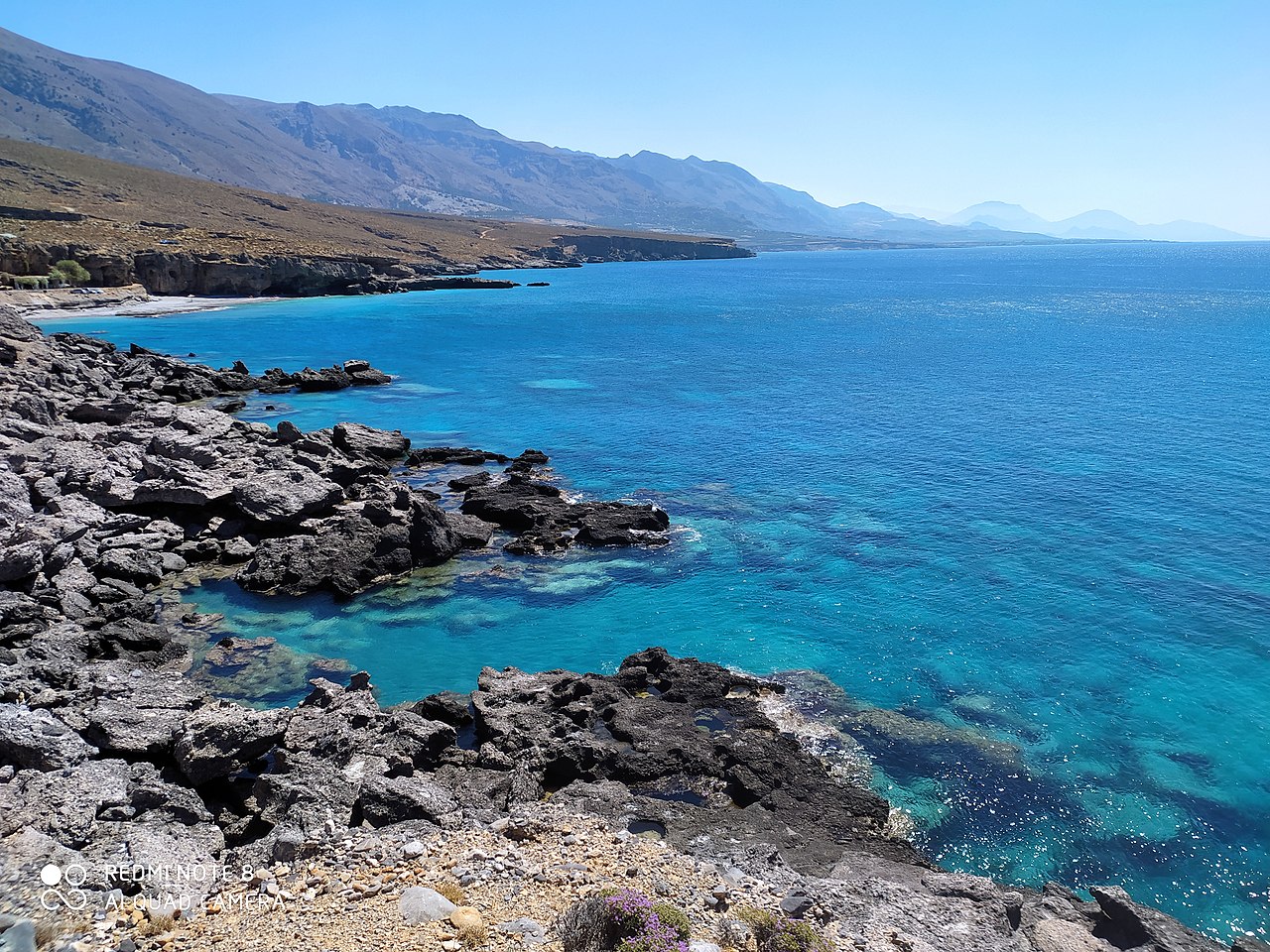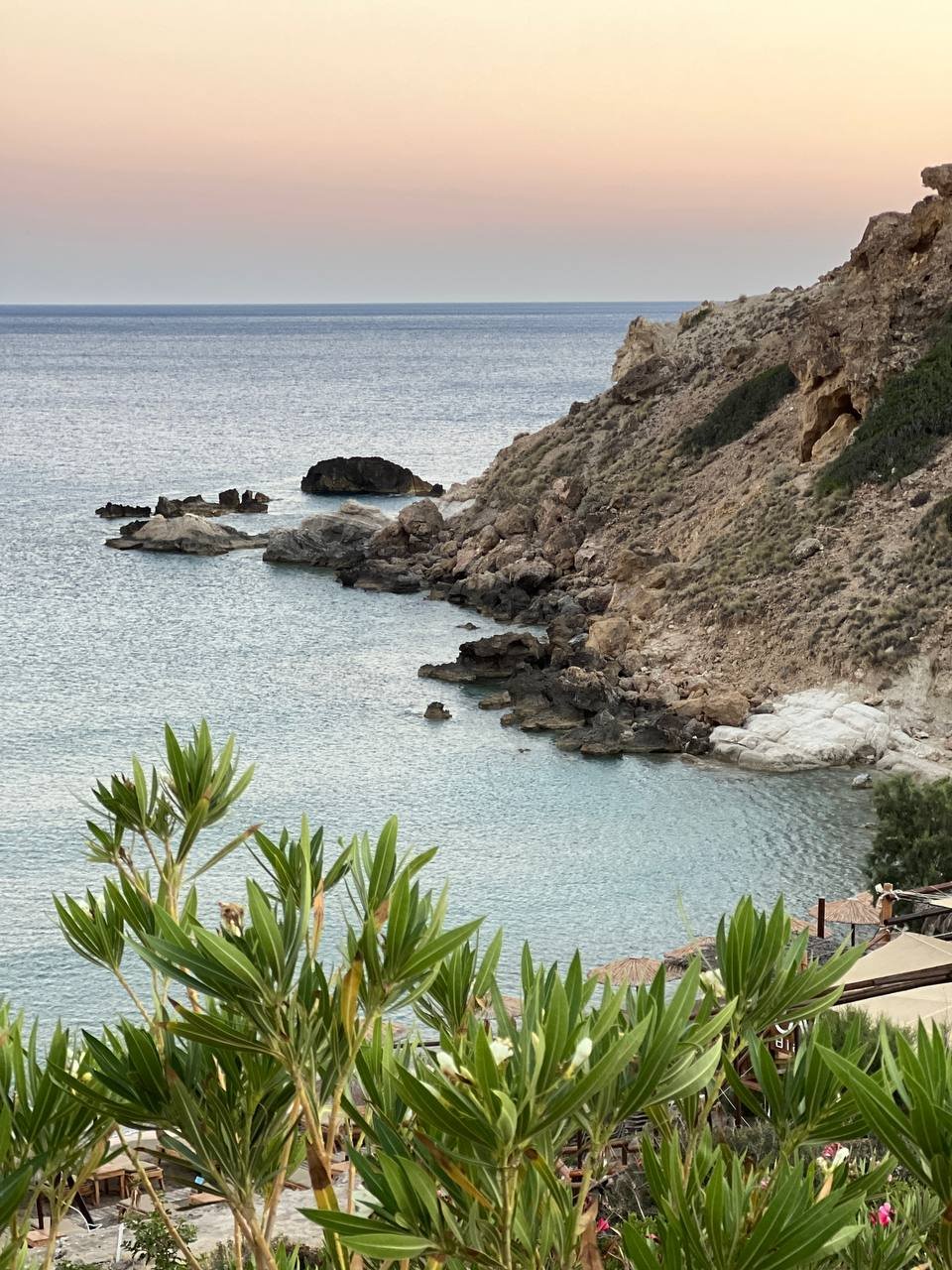
Two weeks in Crete is enough time to cover the island properly: western beaches, gorge hikes, Minoan ruins, mountain villages, and eastern coastal drives. At 260 km from west to east, a crete 2 week itinerary requires a rental car for at least 10 of your 14 days. The most efficient approach: fly into Chania (CHQ) and out of Heraklion (HER) to avoid backtracking 260 km on the last day.
How to Structure a 14-Day Crete Itinerary
The island divides naturally into three zones — western (Chania prefecture), central (Rethymno and Heraklion), and eastern (Lasithi prefecture). A logical 14 day crete itinerary moves west to east in five chapters, with 2–4 nights per base rather than a different hotel every night:
- Days 1–3: Chania old town, Balos or Falasarna beach, Lake Kournas
- Days 4–5: Samaria Gorge (seasonal) or Imbros Gorge, south coast at Loutro or Sfakia
- Days 6–7: Rethymno old town, Arkadi Monastery
- Days 8–9: Heraklion city, Archaeological Museum, Knossos
- Days 10–11: Lasithi plateau, Agios Nikolaos, Spinalonga island
- Days 12–14: Elounda, Sitia, Vai palm beach, return to Heraklion
Car rental runs €18–35 per day for a compact, booked in advance. One-way drop fees between airports add €80–120. KTEL buses connect major towns but add 1–2 hours per leg and skip most villages. If you have already done a week in the west, the Crete 7-day itinerary guide covers the Chania–Rethymno loop in detail — this guide assumes you want both halves of the island.
Days 1–7: Western Crete — Chania, Samaria and Rethymno
Day 1 — Chania arrival: CHQ airport is 14 km east of the old town. Collect your car, check in, and walk the Venetian harbor on foot. First evening covers the basics: harbor front, the covered market on Halidon Street. Budget €15–25 per person for dinner at a mid-range taverna. For specific restaurant recommendations sorted by neighborhood, see the Chania food guide, which lists current price ranges and which spots stay open outside summer.
Day 2 — Chania surroundings: Balos lagoon (55 km northwest) is accessible May–October via dirt track requiring 4WD or by seasonal ferry from Kissamos port (€18 round trip). Outside summer, Falasarna beach on the west coast is accessible year-round: 500 m of dark sand, strong southwest exposure, free parking. Drive time from Chania: 55 km, about 1 hour. The Gramvousa peninsula walk from the Balos car park takes 90 minutes return and gives views over the lagoon without needing the boat.
Day 3 — Apokoronas and Lake Kournas: Drive 35 km east to Lake Kournas, Crete's only natural freshwater lake. Kayak rental: €8–12 per hour. Continue 5 km to Georgioupolis, a low-key beach town at a river mouth. The drive east along the old national road through olive groves is significantly more interesting than the E75 motorway. Overnight in Georgioupolis positions you well for the south coast the next day.
Day 4 — Samaria Gorge (May–October) or Imbros Gorge (year-round): Samaria is 16 km, 4–6 hours walking, entry €5. Take the KTEL bus from Chania to Xyloskalo (€7.50 one-way, 1,227 m elevation), walk north to south, then boat from Agia Roumeli to Sfakia (€13). The gorge closes after heavy rain and throughout winter. Imbros Gorge, 8 km south of Sfakia, is the year-round alternative: 8 km, 2.5–3 hours, entry €2, car park at the top. For a full breakdown of winter-accessible gorges and mountain trails, the winter hiking guide covers White Mountains routes with trail-condition notes.
Day 5 — South coast: Loutro and Sfakia: Loutro is car-free; access by ferry from Sfakia (20 minutes, €6) or on foot via the E4 coastal path (3 hours from Sfakia). The village has 10–12 small guesthouses; book ahead May–September. Rock swimming directly in front of the village. The south coast averages 18–20°C sea temperature through November and significantly more sun than the north coast in autumn and winter. For which south coast beaches stay swimmable in the shoulder season, check the winter swimming spots guide.
Day 6 — Drive to Rethymno: From Sfakia, the road climbs back through the Imbros gorge car park and connects to the E75 at Vryses. Total drive to Rethymno: 75 km, about 90 minutes. Stop at Georgioupolis briefly if you skipped it on Day 3. In Rethymno: the Venetian Fortezza is the largest Venetian fortress in Crete, entry €4. The old town lighthouse, minaret of the Neratze Mosque (now a concert hall), and the covered market are all walkable from any old-town accommodation.
Day 7 — Arkadi and Margarites: Drive 25 km south to Arkadi Monastery, where in 1866 Cretan defenders blew up the powder magazine rather than surrender, killing around 1,000 people including themselves. Entry €3. Return via Margarites village (5 km west of Arkadi), active since Byzantine times with working pottery workshops — most open to visitors without appointment. Afternoon back in Rethymno. Overnight stay.
Days 8–14: Central and Eastern Crete — Heraklion to Sitia
Day 8 — Heraklion: Drive 80 km east on the E75. Heraklion Archaeological Museum is the most important Minoan collection in the world; plan 2–3 hours minimum. Entry: €15, or €20 combined with Knossos. The museum renovations completed with new lighting and English-language signage throughout. The Venetian Koules fortress at the old harbor entrance: €4. Central market on 1866 Street runs weekdays and Saturday mornings — good for local cheese, honey, and wine.
Day 9 — Knossos and surroundings: Knossos is 5 km south of Heraklion center. Entry €15 standalone. Arrive before 10:00 to avoid the first coach wave. The site covers the equivalent of roughly 20 football pitches at its Bronze Age peak, 1700–1450 BC. For the afternoon: Ammissos beach (8 km east of Heraklion, free, sandy, good for a swim) or the Minoan harbor town of Heraklion itself — the city walls are walkable in 2 hours.
Day 10 — Lasithi Plateau and Dikteon Cave: Drive 60 km southeast to the Lasithi plateau at 840 m elevation. The plateau road through Krasi village (home to a 2,400-year-old plane tree) is the most direct from Heraklion. Dikteon Cave at Psychro village (Zeus's mythological birthplace) requires a 15-minute uphill walk; entry €6. The plateau itself produces apples, pears, and potatoes; roadside stalls in season. Village of Agios Georgios has a folk museum for €2.
Day 11 — Agios Nikolaos and Spinalonga: Agios Nikolaos, 70 km east of Heraklion, sits on Mirabello Bay with a volcanic lake (Voulismeni) connected to the sea by a short channel. Take the boat to Spinalonga island from Elounda, 11 km north — boats run frequently May–October, less frequently off-season; check schedules at the Elounda harbour. Boat: €15 round trip, site entry €8. Spinalonga was the last active leper colony in Europe, closed in 1957. The Venetian fortifications are well preserved. Plan 90 minutes on the island.
Day 12 — Elounda and Kritsa: Elounda has a long shallow beach that works year-round; a causeway connects to the Spinalonga peninsula (not the island) where Venetian salt pans are visible. Kritsa village, 10 km west of Agios Nikolaos, is known for weavers and embroidery shops. The Byzantine church of Panagia Kera (13th–14th century frescoes, one of the finest in Crete) is 1 km below the village on the main road; entry €4. The Kritsa Gorge above the village is 4 km, easy, free, open year-round.
Day 13 — Sitia and Vai: Drive 70 km east from Agios Nikolaos to Sitia. The Sitia Archaeological Museum holds the Palaikastro Kouros — a Minoan figurine combining ivory, gold, rock crystal, and schist, one of the most technically advanced objects from the Bronze Age Aegean; entry €2. Continue 24 km to Vai beach, home to Europe's only naturally occurring palm grove: approximately 1,500 Phoenix theophrasti palms. In peak season the beach is crowded; in November it is quiet and parking is free. Swim if the temperature allows — south-facing, sheltered.
Day 14 — Return via Gournia: If flying out of Heraklion, Sitia is 155 km away, 2.5 hours non-stop. Good final stop: Gournia, the best-preserved Minoan town in Crete (urban settlement, not palace), on the coastal road 50 km west of Sitia. Entry €6. Streets, workshops, and house foundations from 1600–1450 BC are visible at ground level without reconstruction. Manageable in 60–75 minutes. Return car at Heraklion airport.
Transport, Budget and Practical Info for Two Weeks in Crete
Driving distances: Total driving across this crete 14 days route is approximately 650 km. The E75 motorway runs the length of the north coast and is fast and free. South coast and mountain roads are narrow, often unlined, and the car hire contract typically excludes damage on unsealed tracks. Check the specific exclusion list before attempting the Balos jeep track.
Fuel: Petrol runs €1.75–1.90 per litre in 2026. Fill up in towns — remote peninsula stations are expensive or absent. Diesel is marginally cheaper. Total fuel cost for 650 km in a compact car: approximately €70–80.
Per-person daily budget (mid-range, sharing a double room):
- Accommodation: €40–80 per person per night
- Food: €25–40 per day (café breakfast, picnic or taverna lunch, sit-down dinner)
- Car split two ways: €12–17 per person per day
- Entry fees total across 14 days: approximately €80–100
- Boats and ferries: approximately €50–60 total
- All-in estimate: €130–240 per person per day
Best season for a two-week trip: May–June and September–October are optimal — sea above 22°C, Samaria Gorge open, long daylight hours, crowds manageable. July and August mean 35°C heat, queues at Knossos from 09:00, and accommodation prices 30–50% higher. Travelling November–March is fully feasible for culture and hiking; most museums stay open, most restaurants in the four main cities remain open. See the off-season Crete guide for specific accommodation and attraction opening status across the low season months.
SIM cards: Cosmote, Wind, or Vodafone Greece SIMs are available at both airports for €15–20 with 20–30 GB data. Coverage is reliable on the E75 and in all towns. Expect no signal in Samaria Gorge itself, parts of the Lasithi plateau, and some south coast coves. Download offline maps before leaving any major town.
Accommodation bases (recommended): Use 4 bases rather than 14 hotels. Chania for days 1–5, Rethymno for days 6–7, Heraklion or Agios Nikolaos for days 8–11, Agios Nikolaos or Sitia for days 12–14. Nightly moves kill time and energy that could go toward actual places.