Greece Bans Commercial Beach Exploitation
Greece Bans Commercial Beach ExploitationGreece's government has implemented a nationwide ban on the commercial exploitation of 251 beaches to combat overtourism and protect coastal ecosystems. The re

Greek press, translated in 4 languages every 3 hours
Greece Bans Commercial Beach ExploitationGreece's government has implemented a nationwide ban on the commercial exploitation of 251 beaches to combat overtourism and protect coastal ecosystems. The re

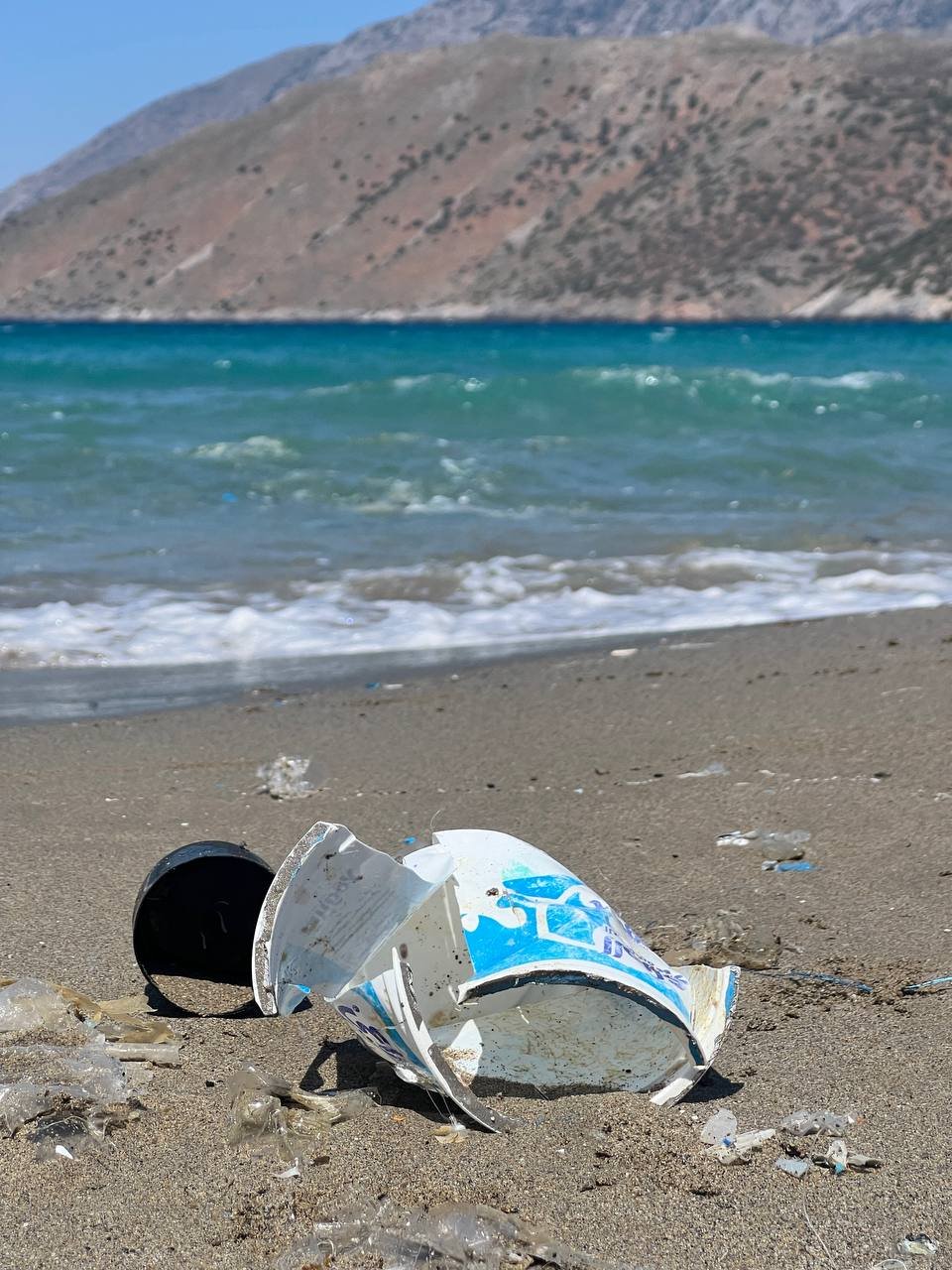
Pachia Amos beach on Crete's south coast continues to face environmental challenges as plastic waste and abandoned materials wash ashore. Recent images document significant accumulation of debris, inc

A significant deterioration in weather conditions is expected to affect Crete beginning Wednesday, bringing serious risks of flooding and landslides. Authorities express particular concern for regions still recovering from the previous severe weather event, which has not yet fully dried. The incoming weather system poses additional danger to these already vulnerable areas. Visitors and residents are advised to monitor official weather forecasts closely and exercise extreme caution in affected regions. Travel plans and outdoor activities may be significantly impacted. Local authorities are actively monitoring the situation to issue timely alerts and provide guidance to ensure public safety throughout the island.
A magnitude 3.1 earthquake struck the Eastern Mediterranean region, 35 kilometers southwest of Kissamos in Chania, Crete, Greece, on Sunday, October 11, 2026, at 21:23 (GMT +3). The light seismic activity was recorded by Volcano Discovery monitoring services. While no significant damage or casualties were reported, visitors in the affected region may have felt minor tremors. Crete lies in a seismically active zone, and minor earthquakes occur regularly. Tourists are advised to follow local authorities' guidance and stay informed through official channels. Such events are typically not a cause for concern, though travelers should remain aware of safety protocols at their accommodation.

An aircraft conducting a flight from or to Crete made an emergency landing after a power bank in the cabin baggage compartment caught fire. All passengers and crew were evacuated safely. Power banks and lithium-ion batteries are known fire hazards on aircraft and are strictly regulated by aviation authorities. This incident underscores the importance of following safety regulations regarding electronic device storage on flights. Passengers should pack lithium-ion batteries and power banks only in carry-on luggage where fire can be monitored by crew, not in checked baggage. Most major airlines prohibit these devices in checked luggage due to fire risk.
A magnitude 4.0 earthquake struck Crete, Greece on Sunday, October 11, 2026, at 01:33 local time (GMT +3). The moderate seismic event was registered by Volcano Discovery and the geological monitoring services. While earthquakes of this magnitude are relatively common in the Mediterranean region due to tectonic activity, residents and visitors should remain aware of seismic conditions in the area. No significant damage or casualties were reported. Visitors planning to travel to Crete should be aware that the island is situated in a seismically active zone. Standard building codes in Greece ensure that structures are designed to withstand moderate seismic activity. Travelers should follow local authorities' guidance and familiarize themselves with basic earthquake safety procedures during their stay.
Crete experienced two of Greece's four most destructive wildfires in 2026, impacting island infrastructure and accessibility. Fires spread across multiple regions, affecting road networks and air quality. Authorities managed evacuations and reinforced safety measures in affected areas. Visitors should monitor local alerts, check road conditions before travel, and avoid smoke-affected regions. The incidents highlight seasonal fire risks during summer months. Tourism services continue operating in unaffected areas, though some attractions and transportation routes may experience temporary disruptions.
Four large wildfires across Rethymno prefecture and Boeotia have destroyed approximately 195,000 hectares in 2026, with two fires in Rethymno alone accounting for 50,000 hectares. This represents one of the largest wildfire destructions recorded in these regions in recent years. The extensive damage significantly affects local infrastructure, agricultural production, and forest ecosystems. Air quality in the region has been substantially compromised by smoke. Travelers and visitors planning trips to Crete and affected mainland areas should actively monitor local government advisories and verify road access conditions before departure. Reduced visibility, health impacts from poor air quality, and limited access to certain attractions and beaches are likely during this period.
Lasithi Plateau, a major agricultural area in eastern Crete, experienced catastrophic flooding that destroyed approximately 80% of potato crops and 50% of vegetable cultivation. Local residents organized a sit-in protest in response to the disaster. The economic impact on the region's agricultural economy has been described as enormous. The flooding raises concerns about infrastructure resilience and may affect local food production and supply chains supporting residents and tourism services. Visitors planning trips to eastern Crete should monitor local conditions as there may be disruptions to local services and availability of regional products.
A magnitude 3.2 earthquake was recorded in Kastorias region, Western Macedonia, Greece on Friday, 9 October 2026 at 21:09 local time (GMT+3). The event remains unconfirmed by official seismic monitoring services. The extremely weak tremor would be barely perceptible to most people. Western Macedonia is located on mainland Greece, several hundred kilometers north of Crete. While Greece experiences regular seismic activity due to its position on multiple fault lines, magnitude 3.2 events typically cause no structural damage and pose no travel safety concerns. Visitors planning trips to Crete or other Greek destinations should monitor official alerts from Greek authorities.
The Lasithi Plateau in Crete experienced severe flooding that caused significant damage to crops and regional infrastructure. Residents of the area are organizing a protest demonstration scheduled for Sunday, October 11, 2026 at 17:00 to call for government support and reconstruction assistance. The flooding has impacted local agriculture, a key economic sector, and various infrastructure systems serving the region. Local communities are mobilizing to highlight the urgent need for aid and resources to address the damage and support recovery efforts. Visitors planning travel to the Lasithi area should be aware of potential infrastructure disruptions and may want to verify current road conditions and accommodation availability before arrival.
A delegation from Greece's Communist Party traveled to Crete to assess damage from recent flooding. The inspection aims to evaluate infrastructure impacts affecting the local community and tourism sector. Flooding can significantly affect the island's transportation networks, accommodation facilities, and accessibility to popular tourist destinations. While specific damage details and affected regions are not detailed in this report, such weather events typically cause temporary disruptions to travel plans and local services. Tourists planning visits to Crete should check current conditions in affected areas and monitor local weather alerts before and during their trips to ensure safe travel and understand any temporary service disruptions.
Scientists warn of intensified El Niño conditions through 2027, bringing significant global weather disruptions. Ocean temperatures are rising considerably, increasing the risk of severe heatwaves, flooding, and prolonged droughts across multiple regions. For Crete and Greece, this means potential summer heat stress and increased weather unpredictability. Travelers should monitor local weather forecasts and plan accordingly, particularly during peak summer months. Authorities are preparing contingency measures for extreme weather events. The phenomenon underscores the importance of flexible travel insurance and checking conditions before visiting.
A fire broke out in a second-floor apartment in the Renti district, prompting emergency response. Firefighters successfully extinguished the blaze and conducted a precautionary evacuation of the building. One elderly resident was hospitalized following the incident. The Fire Department imposed temporary traffic restrictions on Fleming Avenue in the affected area to allow emergency vehicles to operate. No other injuries were reported. The cause of the fire was under investigation.
Severe flooding struck Crete, prompting commentary from experts including Synolakis. While the flooding caused considerable damage, Synolakis noted it was fortunate that the death toll was not higher given the scale of the disaster. The incident highlights Crete's vulnerability to extreme weather events and the importance of emergency preparedness. Such natural disasters can significantly disrupt travel, accommodation, and operations on the island. Visitors and residents are advised to monitor weather forecasts, stay alert to local authority warnings and guidance, and prepare for potential severe weather disruptions. This flooding serves as a reminder of the natural hazards that can affect travel plans and daily life in Crete.
A gastroenteritis outbreak alert has been issued in Rethymno, Crete, following recent flooding in the region. Health authorities have begun examining the water supply to identify potential contamination sources linked to the spike in cases. The investigation focuses on whether the floods compromised water quality or sanitation infrastructure. Tourists and residents are advised to exercise caution with water consumption and follow local health authority guidance. Bottled water is recommended until testing results confirm safety. This situation affects public health and tourism infrastructure in this popular Cretan destination. Updates are expected as laboratory results become available.
The Greek agricultural insurance fund ELGA has opened declaration submissions for crop damage in Platanias municipality following intense weather phenomena on October 3-4, 2026. The storms included severe windstorms and flooding that affected the agricultural areas of the region. Affected farmers and property owners can now file official damage claims through ELGA to seek compensation for losses incurred. The submission period allows residents to properly document and report all crop damage and related losses from the October weather events. This is part of Greece's agricultural disaster compensation system designed to support farmers affected by severe weather-related damages. Property owners in Platanias and surrounding areas should ensure their damage is registered within the designated filing period.
A parliamentary question has been raised regarding catastrophic floods in Crete, initiated by the Communist Party's euro-parliamentary group. This significant weather event poses serious concerns for visitor safety and travel operations on the island. Tourists and travel planners should closely monitor official weather forecasts and alerts from local government authorities for current information regarding affected areas, road conditions, and any disruptions to transportation networks and tourism facilities. The parliamentary inquiry specifically addresses the scale, extent, and impact of the flooding across the island. Specific details about affected municipalities, comprehensive damage assessment, and infrastructure recovery timelines would be essential information for visitors planning travel to Crete during this period.
Heavy floods have affected Crete with widespread consequences for agricultural producers. The agricultural organization GEOTEE is requesting four immediate government measures to address the crisis. Flooding can disrupt local infrastructure, affect road access, and impact accommodation and tourism services. Visitors planning travel to Crete should monitor current weather conditions and local travel advisories before departure. This weather event underscores the importance of checking local conditions and infrastructure status before booking travel or planning activities in the region.
A seismic tremor measuring 3.2 on the Richter scale occurred Wednesday morning off the coast of Siteia in eastern Crete, with its epicenter located approximately 10 kilometers below the surface. The tremor was mild and caused no reported damage or injuries in the region. Crete sits in a seismically active zone due to its position on major tectonic plate boundaries, but earthquakes of this magnitude are common in the Eastern Mediterranean and typically pose no risk to residents or visitors. Authorities continue routine monitoring.
A moderate magnitude 4.1 earthquake was recorded in the South Aegean Sea near South Greece on Tuesday, October 6, 2026, at 11:50 pm UTC. The seismic event occurred in a region with active volcanic and tectonic activity. While the earthquake was moderate in scale, minor tremors may have been felt in nearby coastal areas and islands, including Crete. There are no immediate reports of damage or injuries. The South Aegean region experiences regular seismic activity due to its geological position. Visitors should remain aware of earthquake safety procedures and be prepared for aftershocks. Official authorities monitor seismic activity continuously. For updated information, travelers can contact local emergency services or their accommodation providers.
Severe storms affected Crete, triggering emergency rescue operations and the evacuation of residents from impacted areas. Such intense weather systems pose significant safety risks to both residents and visitors. Weather events of this magnitude can severely disrupt travel plans, affecting transportation networks, flight schedules, and accommodation accessibility. Tourists currently in the region should monitor official weather alerts and carefully follow all instructions issued by local government authorities. Travel disruptions are likely due to poor visibility, potential road damage, or flight cancellations. Stay informed through local news sources and maintain contact with tour operators and accommodation providers during severe weather.
Severe weather has hit Crete, causing widespread flooding and forcing the evacuation of tourists from affected areas in the Mylopotamos region. Multiple villages have been cut off due to the destructive storm. The sweeping bad weather has disrupted normal activities and posed safety risks to residents and visitors alike. Authorities have conducted emergency evacuations to ensure public safety. The flooding has blocked access to several communities, with local roads becoming impassable. This weather event underscores the importance of monitoring meteorological alerts when traveling to Crete, particularly during stormy seasons. Tourists are advised to stay informed about weather conditions and follow guidance from local authorities regarding travel and movement restrictions in affected areas of the island.
Heavy rainfall in Mylopatamos, Crete, has caused significant damage to the region. An embankment failed, resulting in widespread flooding that affected homes and roads. Bridge infrastructure has also sustained damage. Local authorities are working to assess the damage and restore critical infrastructure. Travellers in the area should be cautious and monitor local conditions for potential road closures and continued flooding risk. This event underscores seasonal storm vulnerability in the region.
Crete is experiencing severe bad weather with significant flooding affecting residential areas and roads for the second consecutive day. Houses and roads across the region have been inundated, disrupting transport and normal activities. Travelers and residents should monitor official weather alerts and local authority updates. Road closures or delays are likely in affected areas. Visitors planning trips to Crete during this period should consider postponing outdoor activities and consulting local tourism authorities for safe travel routes. Those already on the island should stay informed on changing conditions and consider weather-related provisions in their travel plans. Check with accommodation providers and transport operators before traveling.
Crete has issued a widespread weather alert for severe storms affecting the island from Friday evening October 2 through Saturday afternoon October 3. Regional authorities activated 112 emergency messages advising residents and visitors to restrict movement during this period. The alert warns of heavy rainfall, strong winds, and potential urban flooding across the island. Tourists should expect significant disruptions to transport, outdoor activities, and business operations. Essential travel should be postponed, and visitors should remain indoors during peak storm hours. The alert reflects serious flood risks in populated areas.
Flooding in the Cretan communities of Phoenikia and Malades caused significant property damage, prompting intervention from local official Vangelis Karakanakis. In an official statement, Karakanakis addressed the flooding incident and outlined measures needed to address the damage and prevent future occurrences. The flooding affected infrastructure in these areas, with assessments underway to determine the full extent of damage. Local authorities are working on identifying practical solutions to protect residents and visitors from similar weather events. Travelers planning visits to eastern Crete should check local conditions and road access to affected regions before traveling, as drainage infrastructure repairs may impact route accessibility.
Crete enters October with mixed weather conditions across the island. The eastern and central regions face flooding risks with heavy rainfall expected, while strong northerly winds are forecast to reach 9 on the Beaufort scale, creating hazardous maritime conditions. Western areas of Crete will experience clearer skies and sunshine. Visitors should avoid outdoor activities in affected regions during peak rainfall hours, monitor maritime forecasts before any water activities, and exercise caution on roads where flooding is predicted. Eastern and central zone travelers are advised to check local authorities' updates before planning excursions. The western coast remains favorable for beach and outdoor activities during this period.
Severe storms have battered Crete, resulting in dangerous weather conditions affecting the island. An 80-year-old farmer died during the severe weather event. Visitors and residents should exercise caution due to stormy conditions. Storms of this intensity can impact transport schedules, outdoor activities, and beach access. Travelers should monitor local weather forecasts and heed authorities' safety recommendations. Expect potential disruptions to accommodation services, restaurant operations, and excursions during severe weather periods. The Cretan authorities continue monitoring conditions and issuing weather alerts.
Heavy storms have affected the Mylopótamos Municipality in Rethymno, Crete, prompting authorities to declare a state of emergency. The severe weather has caused significant damage to road infrastructure, with several routes reportedly becoming impassable. Multiple villages in the region have experienced extended power outages and water supply disruptions. Local businesses, particularly those in low-lying areas, have suffered flooding and water damage. The municipality has activated emergency response protocols to coordinate recovery efforts. Travelers planning visits to central Crete should monitor local weather forecasts closely and expect potential transportation disruptions in affected areas. Authorities continue assessing the full extent of damage and prioritizing infrastructure repairs.
Bad weather with flooding conditions is affecting Crete. Tourists currently visiting or planning to travel to the island should monitor local weather forecasts and heed guidance from authorities. Flooding may impact outdoor activities, beach access, and road conditions. Visitors are advised to check updated travel advisories and avoid affected areas until conditions improve.
Food prices in Crete are climbing due to global supply pressures. Dairy products have increased significantly since 2020, driven by rising oil and natural gas costs, along with disruptions to Ukrainian grain supplies. These upstream pressures have cascaded through supermarket shelves and local restaurants. Tourists dining out or shopping for groceries will notice higher prices, particularly for dairy-dependent foods central to Cretan cuisine such as yogurt, cheese and milk products. Visitors should budget accordingly for these inflationary trends affecting the island's food sector.
Heavy weather struck Crete, overwhelming emergency services with numerous 112 calls. Widespread flooding affected communities across the island, particularly in low-lying and urban areas. A couple was swept away by floodwaters during the severe storm and required hospitalization for injuries sustained. Visitors to Crete should exercise extreme caution in affected areas and closely monitor local weather alerts from authorities. The situation highlights the unpredictable nature of Mediterranean weather patterns, particularly during autumn and winter months. Travelers on the island or planning visits should stay fully informed about current conditions and heed all warnings before venturing into flood-prone zones or outdoor activities.
Crete is under red alert due to severe weather conditions affecting visitor safety and operations. The island faces storms, significant flood risks, and strong northerly winds. Tourists and residents should monitor local weather updates closely, as these conditions may impact beach activities, road travel, and outdoor plans. Red alert status indicates heightened danger requiring precautions. Visitors are advised to heed local authorities' guidance, avoid flood-prone areas, and secure outdoor belongings. This weather pattern requires staying updated through official channels and potentially altering travel schedules. Real-time monitoring of meteorological forecasts is essential for anyone in Crete during this period.
Bad weather is impacting Crete, prompting Platania Municipality to activate enhanced emergency preparedness protocols. Authorities warn both residents and visitors to remain vigilant in flood-prone areas and near Irish crossings, where dangerous conditions may rapidly develop. Key recommendations for travelers include monitoring official weather alerts, strictly avoiding flood-risk zones, and exercising heightened caution while driving during this alert period. The municipality has mobilized resources and stands ready to respond swiftly to any emergencies or weather-related incidents.
The Greek fire service has deployed emergency units from Athens to Crete in response to severe weather and very high flood risk. The emergency deployment signals significant meteorological deterioration across the island, with authorities mobilizing additional resources to handle potential flooding. Visitors and residents should remain alert to weather updates and follow official guidance regarding travel and outdoor activities. Such measures are undertaken only when conditions pose serious public safety risks. Tourists planning to travel to Crete should monitor weather forecasts closely and prepare for potential disruptions to transportation and activities. The visible fire service presence indicates this is an exceptional situation requiring heightened precautions.
Heraklion Municipality's Civil Protection office has activated emergency preparedness in response to severe weather forecasts. Municipal directors, personnel and equipment across all departments are on standby to respond to potential flooding and weather-related incidents. The alert underscores the need for operational readiness across public services. Visitors and residents should monitor weather updates and follow guidance from local authorities during adverse conditions to ensure safety.
A weather alert has been issued for Crete and Evia, warning of significant rainstorms and strong winds affecting the region. Gales are expected throughout the Aegean Sea, posing risks to maritime activities and coastal areas. Visitors are advised to avoid outdoor activities during peak weather conditions and exercise caution while traveling. Tourists should monitor local weather updates and adjust travel plans accordingly. Coastal roads and ferry services may experience delays or cancellations. Accommodation providers recommend guests remain indoors during the worst conditions. This system is expected to bring heavy precipitation and strong wind gusts, potentially affecting infrastructure and accessibility. Visitors should stay informed through official channels and follow local authorities' guidance regarding safe travel routes.
Chania authorities continue preventative maintenance against flooding with cleaning and drainage work currently underway in the neighborhoods of Souda and Tsikalargia. The ongoing programme will be implemented gradually across all municipal units within the Municipality of Chania. These flood prevention interventions address seasonal weather patterns and water management challenges in the region. The maintenance efforts form part of the municipality's strategy to protect both residential and visitor areas from water accumulation and flood-related incidents. Visitors should note that temporary work activity may affect access to some areas during implementation.
Arcalochori continues to face the aftermath of the devastating 2018 earthquake, with school facilities still housed in temporary containers five years later. Inadequate reconstruction efforts have sparked significant criticism from earthquake-affected residents and families, who expressed frustration toward a government deputy minister's claim of lacking awareness about the ongoing crisis. The situation highlights challenges facing Crete's infrastructure recovery and raises concerns about educational standards for the local community. The incident reflects broader resident frustrations regarding delayed reconstruction timelines and government responsiveness across earthquake-affected areas of the island.
A severe weather system is approaching Crete, with meteorological services warning of potential flooding in multiple regions. Authorities cannot rule out flash floods and heavy weather impacts across the island. Visitors should remain alert to weather updates and follow local guidance. The affected areas span different parts of Crete, requiring tourists to monitor conditions before planning outdoor activities or travel. Residents and tourists are advised to take precautions and stay informed through official weather services.
A floor of Pananeio Hospital (PAGNI) in Heraklion, Crete sustained flooding damage resulting in drywall and ceiling collapse. This infrastructure failure at one of the region's major public hospitals may impact tourist access to medical services. While emergency services continue, visitors requiring hospital care should be aware of potential service limitations and may need to consider alternative medical centers in the area.
A weak magnitude 3.4 earthquake occurred in the Ionian Sea, approximately 22 kilometers northeast of Zakynthos, on Sunday, September 27, 2026, at 23:10 local time. The tremor was minor and caused no reported damage. Zakynthos, a popular tourist destination in the Ionian Islands, occasionally experiences seismic activity due to its location in a tectonically active region. Visitors should note that Greece's Earthquake and Planning Observatory continuously monitors seismic activity. Weak earthquakes of this magnitude are common in the region and typically pose no threat to travelers or infrastructure.
On the fifth anniversary of the September 2021 earthquake that struck Arkalochori in central Crete, many residents continue to live in temporary container housing. The magnitude 5.3 earthquake caused significant damage to homes and infrastructure in the region. Despite five years of reconstruction efforts, recovery has progressed slowly and residents remain displaced from their homes. The ongoing housing crisis reflects the region's infrastructure challenges in rebuilding after the disaster. This situation affects both local residents and the broader reconstruction of Crete's communities.
Five years after a devastating earthquake struck Arkalochori in 2021, reconstruction efforts in this Cretan town remain significantly incomplete. Widespread damage to buildings and infrastructure continues to impact the community and its accessibility. Residents and visitors have noted minimal visible progress in rebuilding initiatives, raising concerns about the town's economic viability and infrastructure conditions. Repair work and building rehabilitation remain major challenges, hampered by insufficient resources and bureaucratic delays. The slow recovery has created ongoing uncertainty about when basic services and facilities will be fully restored, affecting both local residents and potential tourists exploring this region of Crete.
A residents' movement in Plaka had issued written safety warnings in 2025 regarding potential hazards from natural gas leaks that could trigger fires, electrical short circuits, or other dangerous incidents. The warning came approximately one year before a fatal explosion occurred in the area. The residents' association had specifically expressed concerns about the risk of fire from natural gas leakage, equipment malfunction, or other causes. The discovery of this prior warning raises significant questions about whether adequate inspections and maintenance work were carried out in response to the initial alert.
Five years after the September 27, 2021 earthquake, reconstruction in Arkalochori and the Minoan Pediada Municipality remains slow, with hundreds of damaged buildings awaiting repair. The disaster caused extensive infrastructure damage across the region. Recovery efforts have progressed more slowly than anticipated, with many facilities still showing signs of the earthquake's impact. Visitors to Crete should be aware that some areas, particularly in affected municipalities, may still display structural damage. Authorities continue reconstruction work, though the pace indicates the challenge of restoring the region's infrastructure. The earthquake's effects remain visible across the local landscape.
A vehicle carrier ship, Blue Carrier 2, caught fire in open waters near Mykonos in the Aegean Sea. All 29 people on board were safely accounted for during the incident. Maritime authorities coordinated extensive firefighting efforts to extinguish the flames. The vessel is currently being towed toward port, with discussions ongoing regarding which harbor will receive the ship. The incident affects maritime operations in busy waters between the Cycladic islands. Ferry services and maritime traffic in the region may experience temporary disruptions. Authorities continue monitoring the situation and towing operations.
Diesel prices have surged dramatically across Europe, with Greece experiencing particularly severe increases, reaching 2.70 EUR per liter. Extreme market scenarios project prices could climb to 350 USD per barrel. Greek drivers and transportation professionals face unprecedented fuel costs, sparking discussions about potential subsidy measures from the government. This sharp increase directly impacts travel and delivery services throughout the country, affecting both local commercial operations and visitor accessibility to essential transportation services. The rising costs threaten to increase taxi fares, car rental fees, and public transportation expenses, which are critical concerns for tourists planning visits to Crete during this period of economic volatility.
A fire erupted on the deck of the Blue Star Ferries cargo-vehicle transport ship during operations affecting Crete. The Hellenic Coast Guard and Port Authority launched a full-scale response operation to contain and extinguish the fire. Blue Star Ferries operates critical transport links between Crete and mainland Greece, carrying both vehicles and passengers. Travelers should monitor official announcements for service updates and potential schedule disruptions. The Coast Guard's swift response ensures passenger and crew safety remains the priority. Further details on vessel status and resumed operations will be released as the situation develops.
Crete is bracing for heavy rainfall this weekend following a period of fair weather extending through Friday morning. Kostas Lagouvardos, meteorologist and research director at the National Observatory of Athens, has issued alerts for western Crete where flooding phenomena pose significant concern. The strong rains threaten outdoor activities and travel plans. Tourists and residents are advised to monitor official weather forecasts closely, avoid low-lying areas, riverbeds, and flood-prone locations during peak rainfall hours. Drivers should exercise extreme caution on rural roads. Indoor activities are recommended until conditions improve. Travelers should verify accommodation arrangements and check with providers about potential service disruptions.
A short circuit triggered a fire at a well-known waterfront taverna in Heraklion, Crete, according to local reports. The electrical malfunction occurred at this popular dining establishment, a frequent destination for both residents and tourists exploring Heraklion's coastal dining scene. The incident underscores the importance of regular electrical system maintenance and safety inspections at hospitality venues. Fire incidents in restaurants, though relatively uncommon, can pose risks to staff and patrons. While specific details regarding damage extent, injuries, or the establishment's current operational status remain limited, such incidents typically prompt local authorities to review safety protocols in visitor areas. Regular maintenance and compliance with electrical safety standards are essential for protecting both visitors and workers in the hospitality sector.