Getting to Falassarna Beach from Chania
Falassarna beach sits at the far western edge of Crete, roughly 57 km west of Chania city. By car via the E75 highway toward Kissamos, the drive takes approximately 55–65 minutes depending on traffic. From Kissamos town, the beach is a further 18 km south on the coastal road — about 20 minutes.
There is no direct public bus to the beach. KTEL buses run from Chania to Kissamos (45 min, around €3.50 one way, several departures daily), but from Kissamos you need a taxi or rental car. A taxi from Kissamos costs approximately €25–30 each way.
Parking at Falassarna beach Crete is free, spread across two large unpaved lots at the northern and central sections. In July and August these fill by 10:00. Arrive before 09:30 or after 17:00 to find a spot without circling.
What to Expect at Falassarna
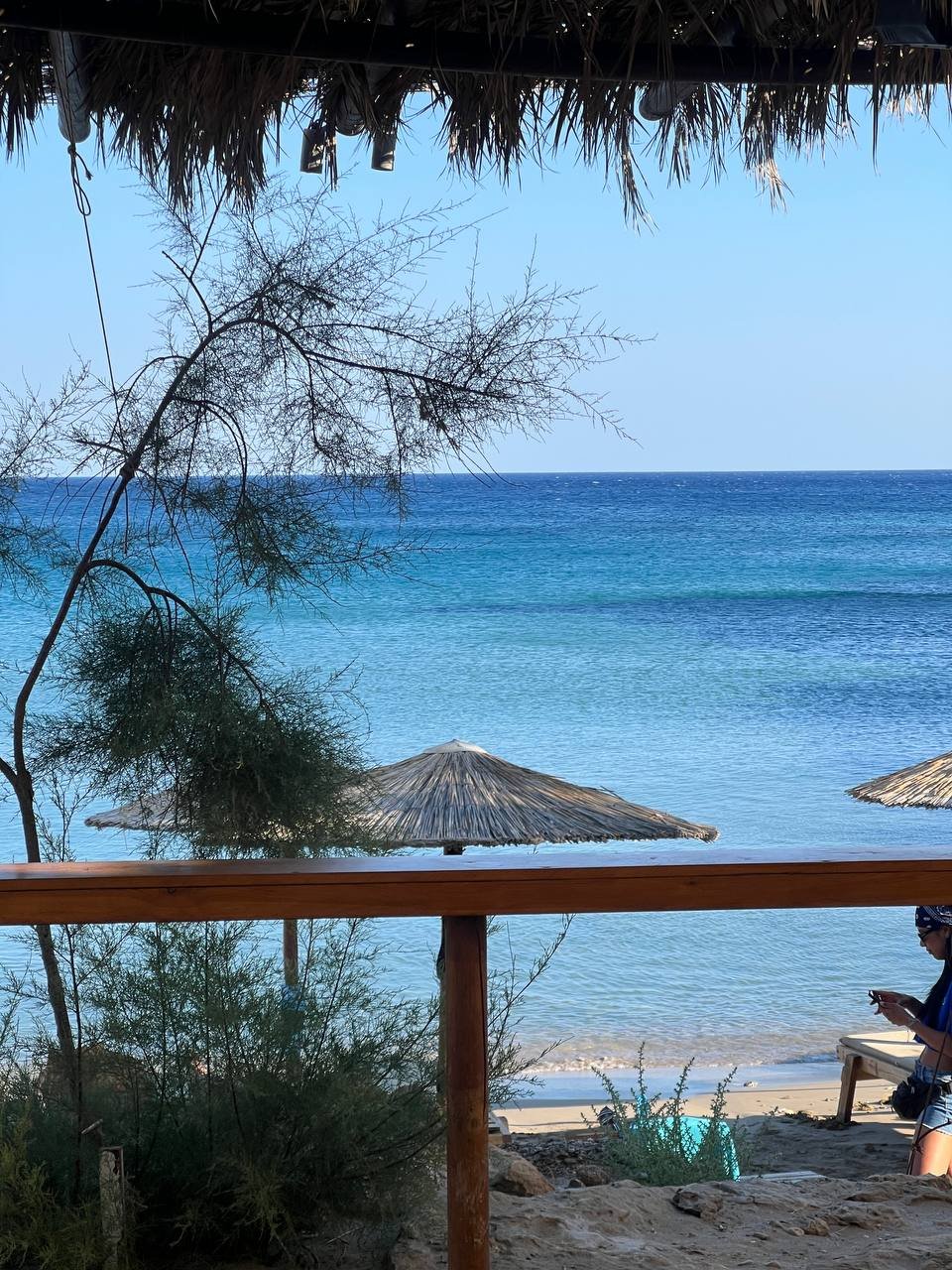
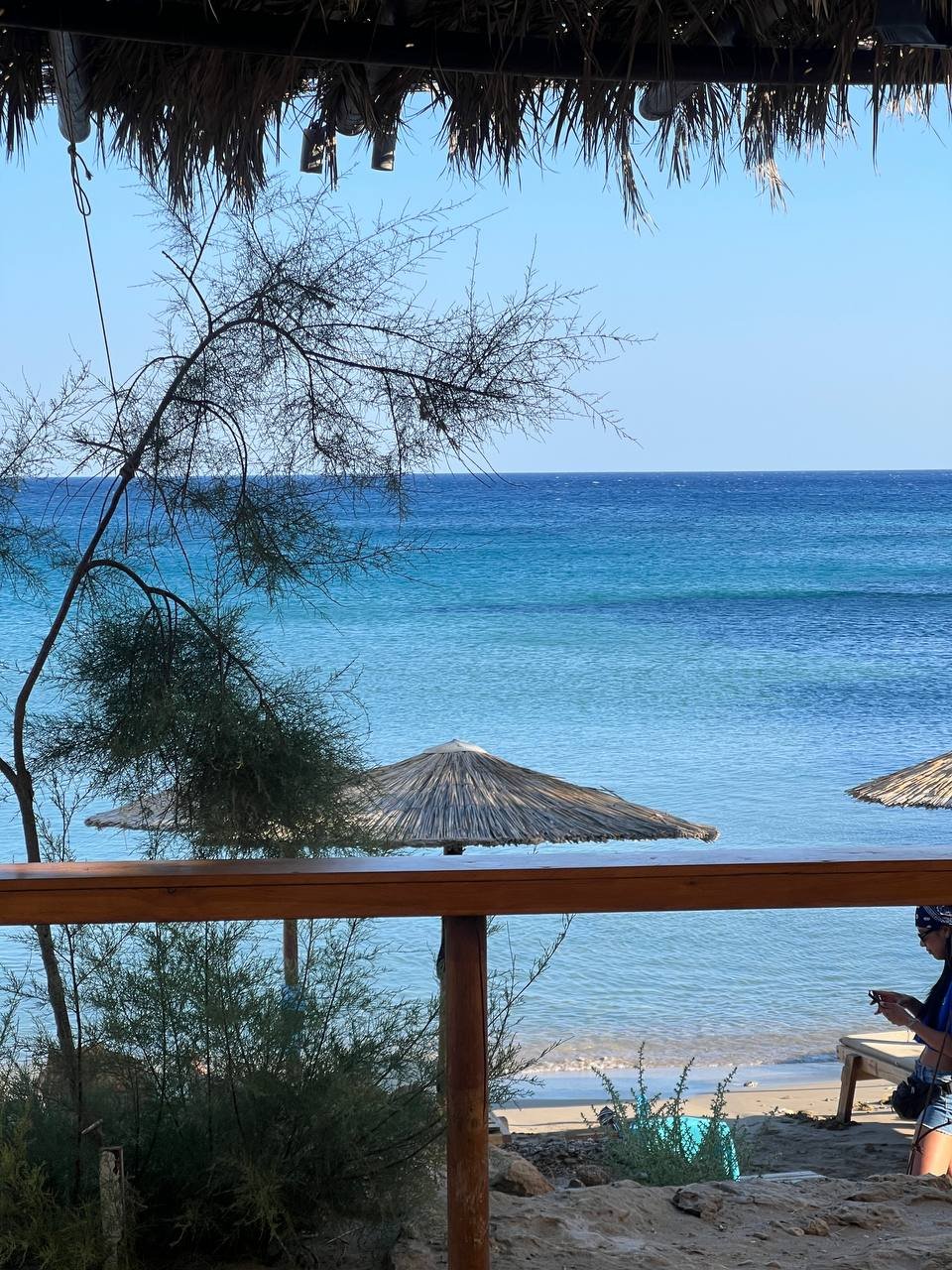
Falassarna stretches roughly 3 km north to south, divided into four or five distinct sections separated by low rock outcrops. The sand is coarse golden-white, and the water is shallow and clear turquoise — particularly in the central and northern bays. Depths stay gentle for 30–50 metres offshore, making it well suited for families with children.
Facilities at the main central section include:
- Sunbeds and umbrellas: €8–10 per set (2 sunbeds + 1 umbrella)
- Tavernas and snack bars: light meals from €7–14
- Lifeguard coverage during peak season (June–August)
- Basic showers and toilets near the parking areas
The southern section, reached by a short walk past the last taverna, is less organised and popular with visitors wanting more space. Nudism is tolerated here. Be aware that Falassarna is open to the northwest and exposed to the Mediterranean. When the meltemi is active, as it was in late July 2026, waves can reach 1–1.5 m with strong gusts — check sea conditions before swimming on windy afternoons.
The ancient ruins of the Hellenistic city of Falasarna (4th century BC) stand on the rocky promontory to the north. A 10-minute walk leads to the site, which is free to enter and includes a carved stone throne and the remains of a silted-up harbour.
Falassarna Sunset: Why It Stands Out
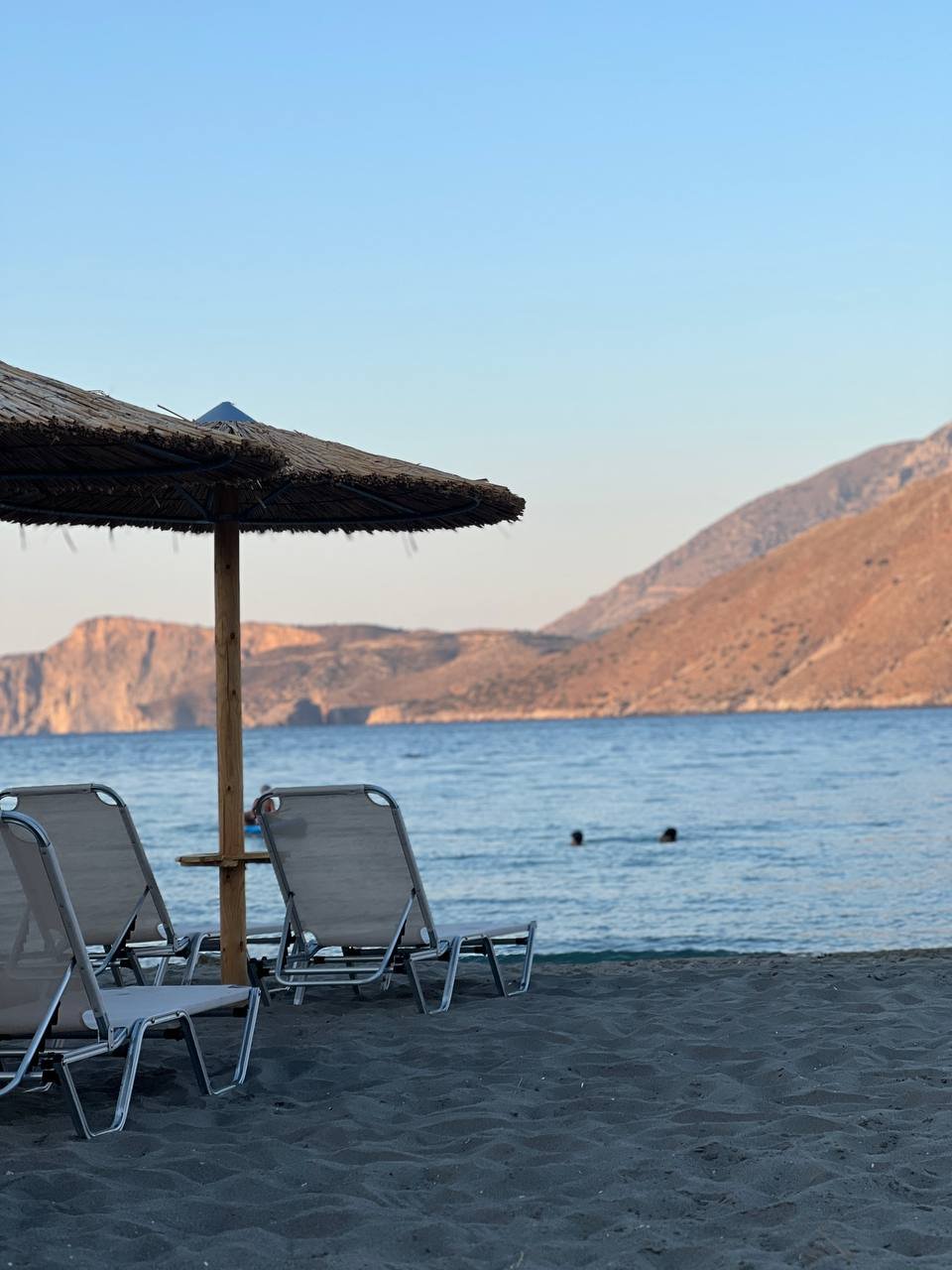
Falassarna faces directly west over open sea, with no islands or landmass blocking the horizon. This makes it one of the few beaches in Crete where the sun descends cleanly into the water rather than behind hills or a ridge. Falassarna sunset times in summer range from around 20:30 in June to 20:00 in late August.
The light quality in the final 30 minutes before sunset — when the shallows reflect orange and pink across the bays — draws photographers specifically for this reason. Several tavernas and kafeneions on the low hill above the beach offer unobstructed views with a drink. The effect is strongest from late May through early September when the sun tracks far enough north to align with the bay's orientation. For visibility conditions before an evening visit, check the Crete weather for 2 August 2026.
Best Time to Visit Falassarna Beach
Choosing the right period is the single biggest factor for a good experience at Falassarna beach Crete:
- May–early June: Quietest period, water 20–22°C, parking always available, all tavernas open by mid-May
- Late June–July: Water 24–26°C, busy but manageable, longest sunsets
- August: Peak crowds — sunbeds fully taken by 10:00, water 26–28°C, parking difficult after 09:30. Read the full context in our guide to visiting Crete in August 2026.
- September–October: Crowds drop significantly, water stays warm (24–26°C into September), most facilities remain open through end of September
September is generally the most balanced month for the best beach western Crete experience: warm water, far fewer visitors, and comfortable evening temperatures for a sunset dinner at one of the hillside tavernas.