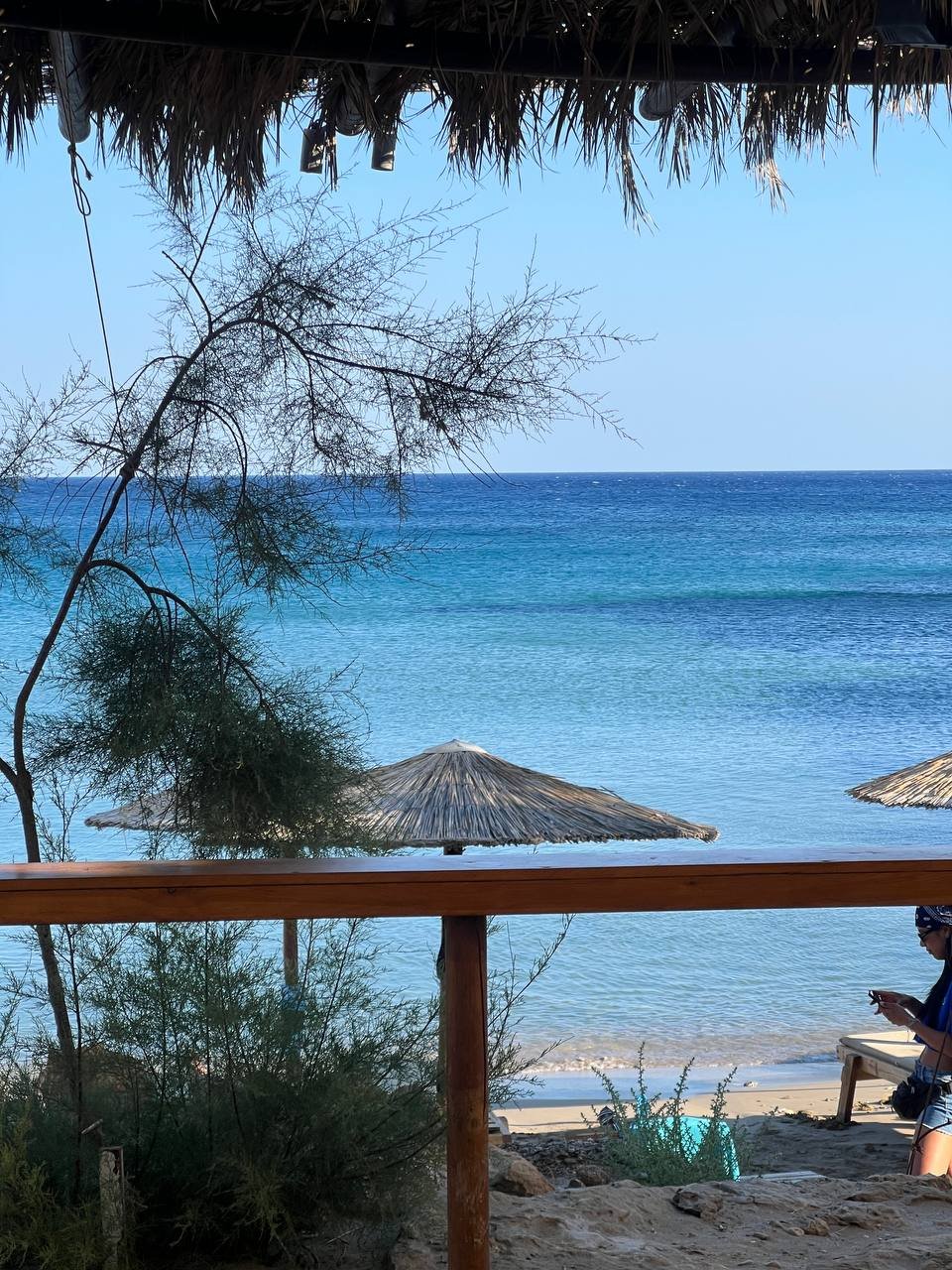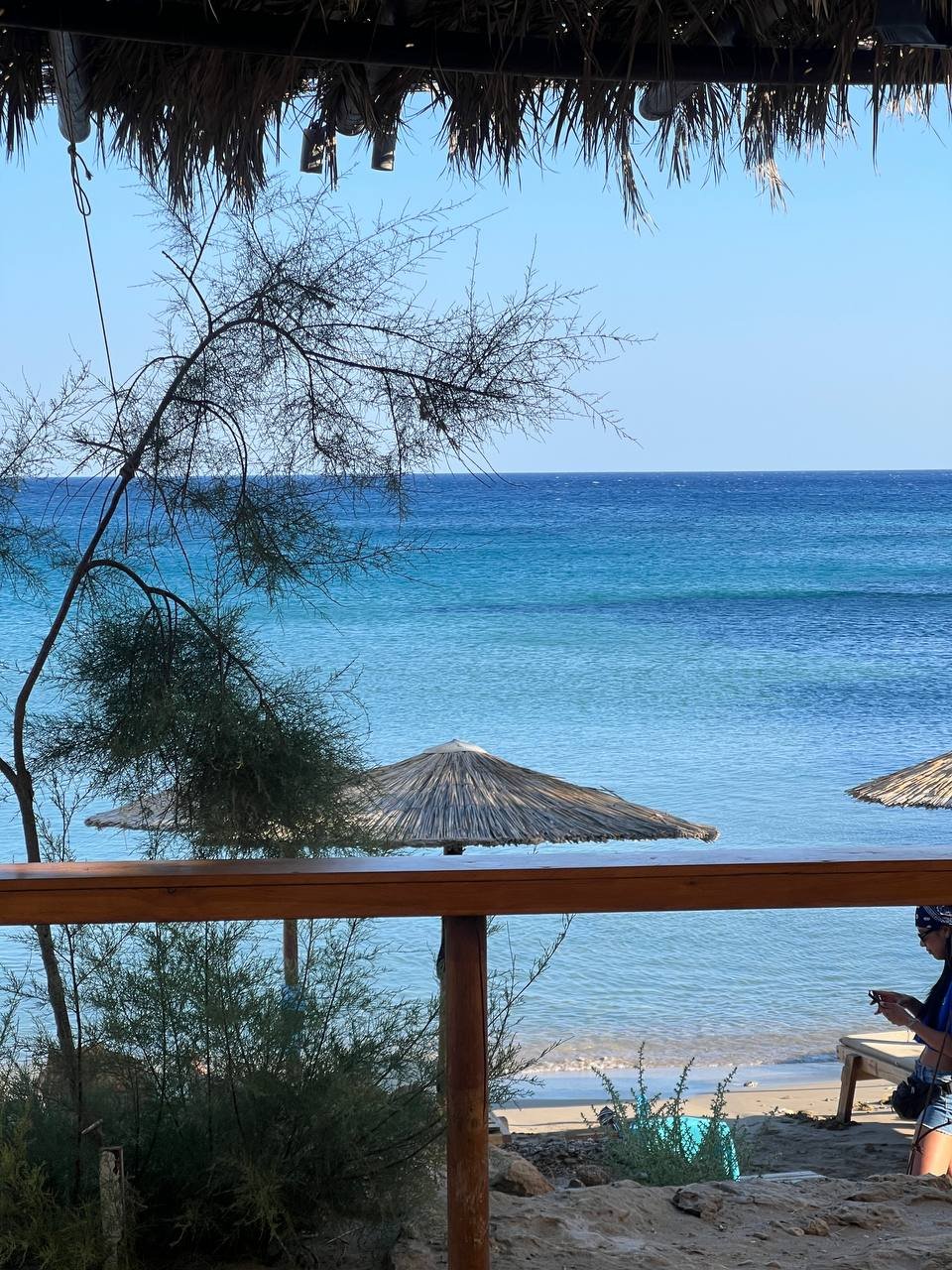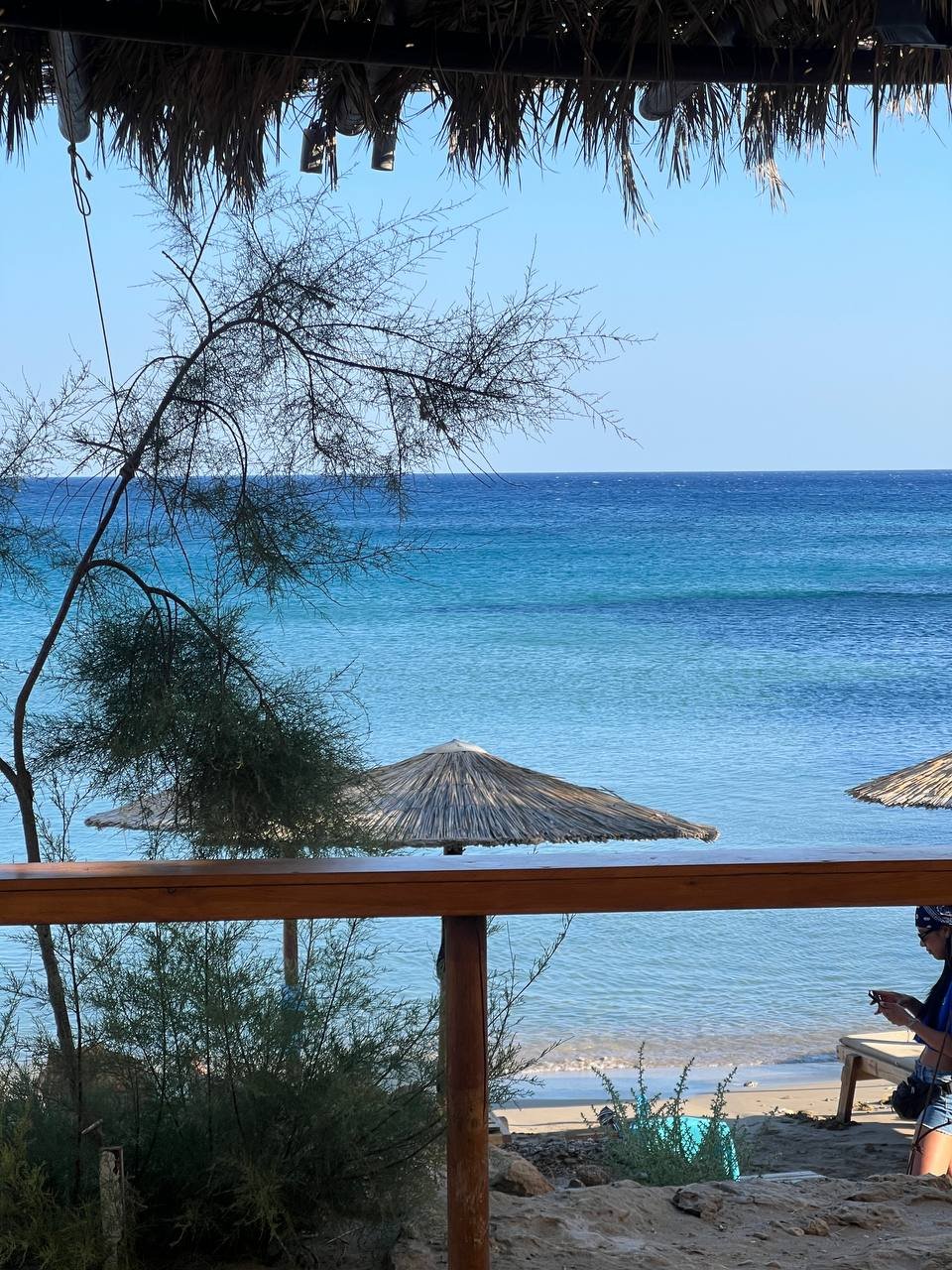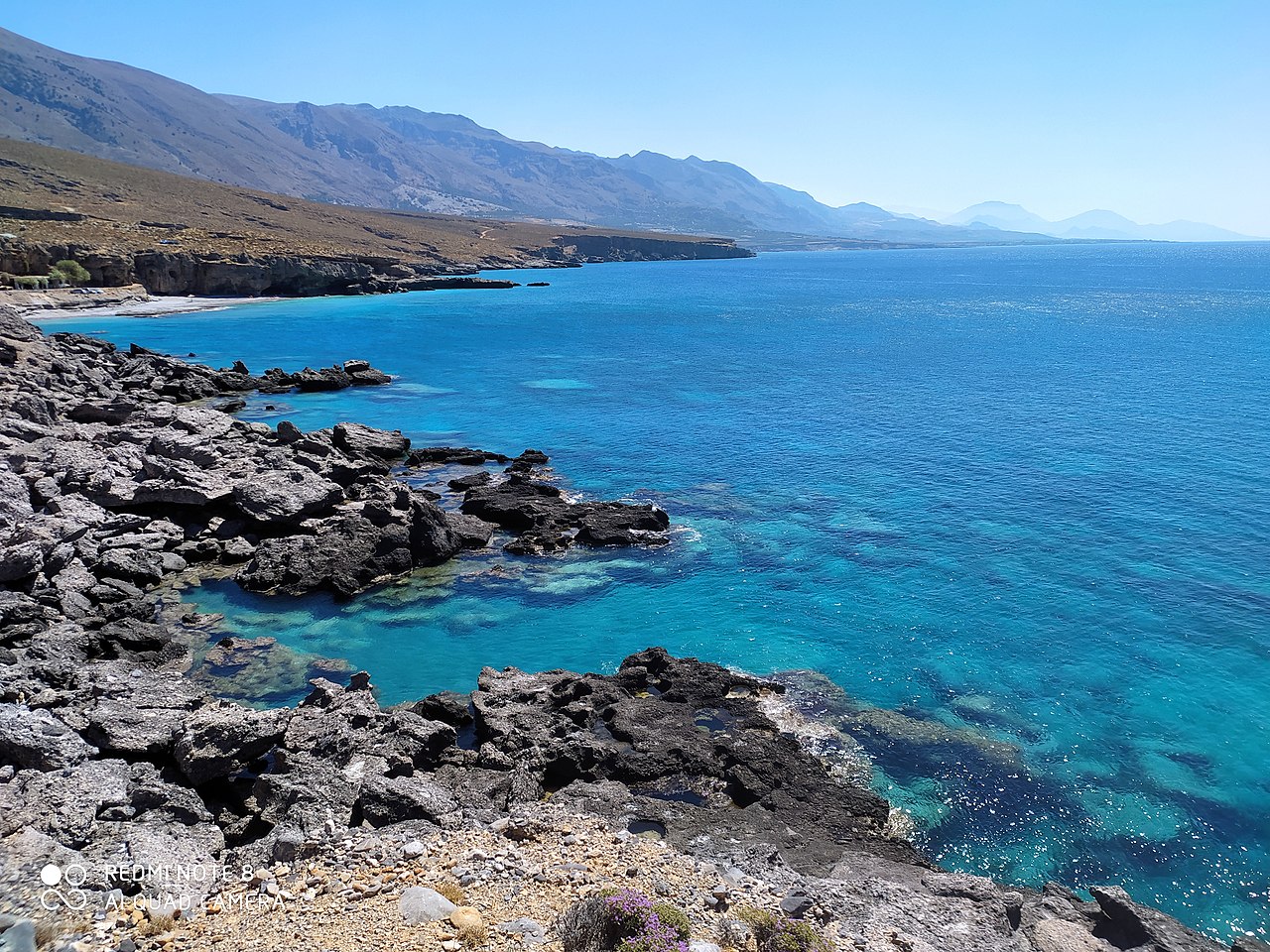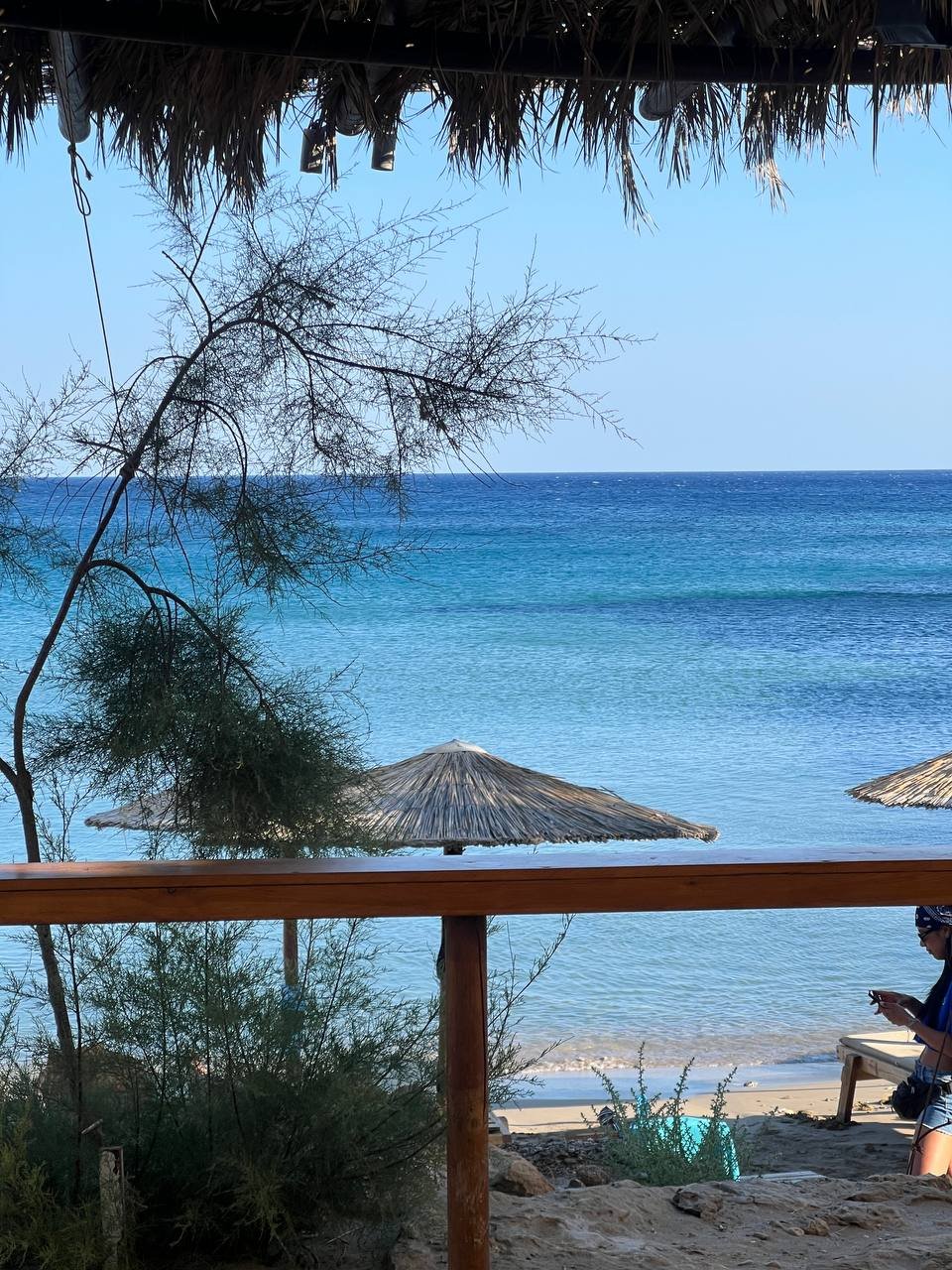
Matala beach Crete sits on the south coast of the Heraklion regional unit, roughly 75 km southwest of Heraklion city — about 1 hour 15 minutes by car via the Mesara plain. The village is small, the beach faces southwest, and the sandstone cliffs on the northern edge contain the caves that made Matala internationally known. This guide covers access, fees, the walk to Red Beach, and what to combine on a day trip.
The Matala Caves: History, Access and Entry Fees
The Matala caves Crete are cut into soft sandstone cliffs directly above the beach's northern end. Their origin is Neolithic, but the Romans expanded them significantly as burial chambers — carved niches for bodies are still visible inside. They were later used as Christian catacombs during the Byzantine period.
The caves gained global notoriety in the 1960s and 1970s when they became a squat for European and American travelers on the hippie trail. Joni Mitchell lived here in 1970 and wrote parts of the album Blue during her stay. Cat Stevens and a rotating cast of backpackers made Matala a landmark — which explains the persistent nickname hippie beach Crete. A small festival celebrating that era runs each June.
Today the caves are a protected archaeological site. Entry costs approximately €4 per adult, free for visitors under 18. Peak season hours (June–September): 10:00–19:00. Outside that window, opening times shorten and the site occasionally closes — verify locally before visiting. Photography is permitted inside.
Around 25–30 chambers survive in varying states of preservation. The lower caves are easily accessible; upper levels require scrambling on uneven rock. Wear closed shoes if you plan to climb higher. The view over the beach from the top tier is the best angle for photographs.
Matala Main Beach and the Walk to Red Beach
The main beach is roughly 200 metres long, coarse-to-medium sand, with calm and generally shallow water. Sun loungers and parasols hire at around €8–10 for two loungers and a parasol in peak season. The village is immediately behind the beach, so food and drinks are easy to source.
The more interesting option for independent travelers is Red Beach (Kokkinos Amnos), a 15–20 minute walk south along a signed coastal path. The path is rocky, partly scrambled over boulders — not suitable for young children or anyone with limited mobility, but manageable in decent shoes. Red Beach has no facilities: bring water, food, and sun protection. The red-ochre volcanic cliffs give it a completely different character from the main beach. Nudism is common and tolerated here.
Matala is calmer in wind terms than the north coast during meltemi season (July–August). For comparison of beach conditions across the island, see our guide to Falassarna Beach on the northwest coast, which catches significantly more wind during that period.
What to See Around Matala
The area around Matala concentrates some of the most important archaeological sites in Crete. The Mesara plain — the largest and most fertile agricultural zone on the island — runs north from the coast, lined with olive groves and vineyards.
- Phaistos Minoan Palace — 11 km northeast. One of the most important Minoan sites in the world, second only to Knossos. Entrance €10. No reconstruction: you walk through the actual excavated ruins. If combining the south coast with Heraklion, add a visit to Knossos Palace (75 km away, €15 entry).
- Agia Triada — 3 km east. A Minoan royal villa with well-preserved frescoes; the originals are now in the Heraklion Archaeological Museum. Entrance €6. Often quiet even in peak season.
- Gortyn — 45 km northeast. Ancient capital of Roman Crete, home to the Gortyn Law Code (c. 450 BC) — the oldest surviving European legal code, still inscribed on stone slabs in situ. Entrance €6.
- Kommos Beach — 5 km north. Large, uncrowded beach near a Minoan harbor excavation. No services, strong afternoon winds in August.
Matala village has a handful of tavernas serving grilled fish, dakos, lamb chops and the standard Cretan menu. For a broader picture of what is in season on the island right now, see our guide to Cretan food in autumn.
Getting There and Best Season
There is no direct bus from Heraklion to Matala. The KTEL connection requires a change at Mires; total journey time exceeds 2 hours. By car, the route via the E75 motorway and then the Mesara valley road takes around 1 hour 15 minutes. Parking at the village entrance costs €3–5 per day in peak season; the village itself is pedestrian in summer.
Peak season is July–August: the beach fills, temperatures hit 32–35°C, and most businesses are open. May–June and September are the optimal shoulder months — same sunshine, fewer crowds, lower accommodation prices. After mid-October, many tavernas and shops close for the season. The caves remain accessible but on reduced hours.