
Falassarna
Type
sand
Wind exposure
Moderate
Parking
Yes
Kids
Friendly
Conditions right now
Updated every 30 minWhat Makes This Beach Special
Falassarna sits at the northwestern tip of Crete, on a stretch of coastline that faces open sea all the way to the horizon. The beach is wide, genuinely wide, running for roughly two kilometers of soft golden sand with a gradual slope into shallow water. What sets it apart from most Cretan beaches is its orientation: it faces almost due west, which means the sunsets here are among the most dramatic on the island. The water is a clear, pale turquoise close to shore, deepening to cobalt further out. Behind the beach, low dunes and sparse scrub vegetation give it an unmanicured feel even in the height of summer. The ruins of an ancient Minoan and later Hellenistic port town lie just north of the beach, and while they are not extensively developed for visitors, they add a layer of context to the place.
Getting There
Falassarna is approximately 16 kilometers west of Kissamos (also called Kastelli), which is itself about 45 kilometers west of Chania. By car, take the E75 highway west from Chania toward Kissamos, then follow regional road signs toward Falassarna. The final approach descends a winding road through low hills before opening onto the coastal plain. The drive from Chania takes around 50 to 60 minutes depending on traffic. Parking is available directly at the beach in a dedicated gravel lot. In peak summer the lot fills by mid-morning, so arriving before 9:30 a.m. saves frustration. There is no practical public transport to Falassarna; a rental car or taxi from Kissamos is the realistic option for most visitors. There is no boat access to the beach.
Activities and Water Conditions
The water at Falassarna is calm by Cretan standards on most days, with a sandy bottom that stays relatively shallow for a good distance from shore, making it suitable for children and non-swimmers. The waves are gentle enough for paddling and swimming without difficulty. However, this beach is not recommended for snorkeling. The sandy bottom stirs easily and underwater visibility is limited; there is little to see in terms of marine life or rock formations close to shore. Wind can pick up significantly in the afternoon, particularly from the northwest, which makes conditions choppy later in the day and brings some wave action. Windsurfers and bodyboarders may find the afternoon conditions appealing, but swimmers generally prefer the morning hours. Sunbeds and umbrellas are available for rent through operators positioned along the central section of the beach.
Practical Tips
Arrive early. By 10 a.m. in July and August the beach is crowded and the parking lot is at capacity. Morning hours also offer the calmest water, the best light for swimming, and cooler air temperatures. Bring shade if you are sensitive to heat; the sun here is intense and reflects off the sand. The afternoon northwest wind, called the meltemi, is consistent from late June through August and can be strong. It cools the beach down but also pushes sand around, so securing towels and lightweight gear is worth thinking about. A taverna operates near the beach and serves standard Greek fare; it is serviceable for lunch but not a destination in itself. Bring water if you plan to spend a full day, as the nearest shops are a few kilometers away in the small village of Falassarna.
Best Months to Visit
May, June, and September are the most comfortable months. Temperatures are warm enough for swimming but the beach is not overcrowded, parking is straightforward, and the meltemi is less aggressive than in high summer. July and August are the busiest months and also the hottest; the beach is beautiful but noticeably crowded. October can still offer mild swimming weather and near-empty sand, though some facilities close after mid-September.
Who It Is Ideal For
Falassarna suits families well. The gradual sandy entry, shallow water, and available sunbeds make it manageable with children. Couples looking for a long beach day with good sunset views will find it rewarding. It is less suited to snorkelers, divers, or anyone seeking a quiet, secluded cove. It is a large, open, popular beach that rewards early arrival and is best appreciated for its scale, its sand, and its light rather than for isolation or underwater activity.
Getting there by bus
- Nearest bus stop: FALASARNA (1.1 km)
Distances as the crow flies.
FAQ
Is Falassarna a sandy beach?
Falassarna is a sand beach located in the west region of Crete.
Is the sea calm at Falassarna?
The sea at Falassarna is usually wavy. For today's live wind and wave conditions, see our "where to swim today" page.
Is Falassarna suitable for children?
The water at Falassarna is of normal depth. A lifeguard operates in season.
Is Falassarna crowded?
Falassarna is moderately busy in season.
Are there sunbeds and facilities at Falassarna?
At Falassarna you will find: accommodation nearby, food and water nearby, sunbeds and umbrellas, water sports, lifeguard in season, showers, Blue Flag awarded.
Is there parking at Falassarna?
Yes, Falassarna has parking available. Access: paved road.
Quieter alternatives nearby
Same region, notably lower estimated crowd pressure:
Nearby beaches
Discover Crete



Stay informed.
Get the weekly Crete briefing · news, weather, events. No spam.
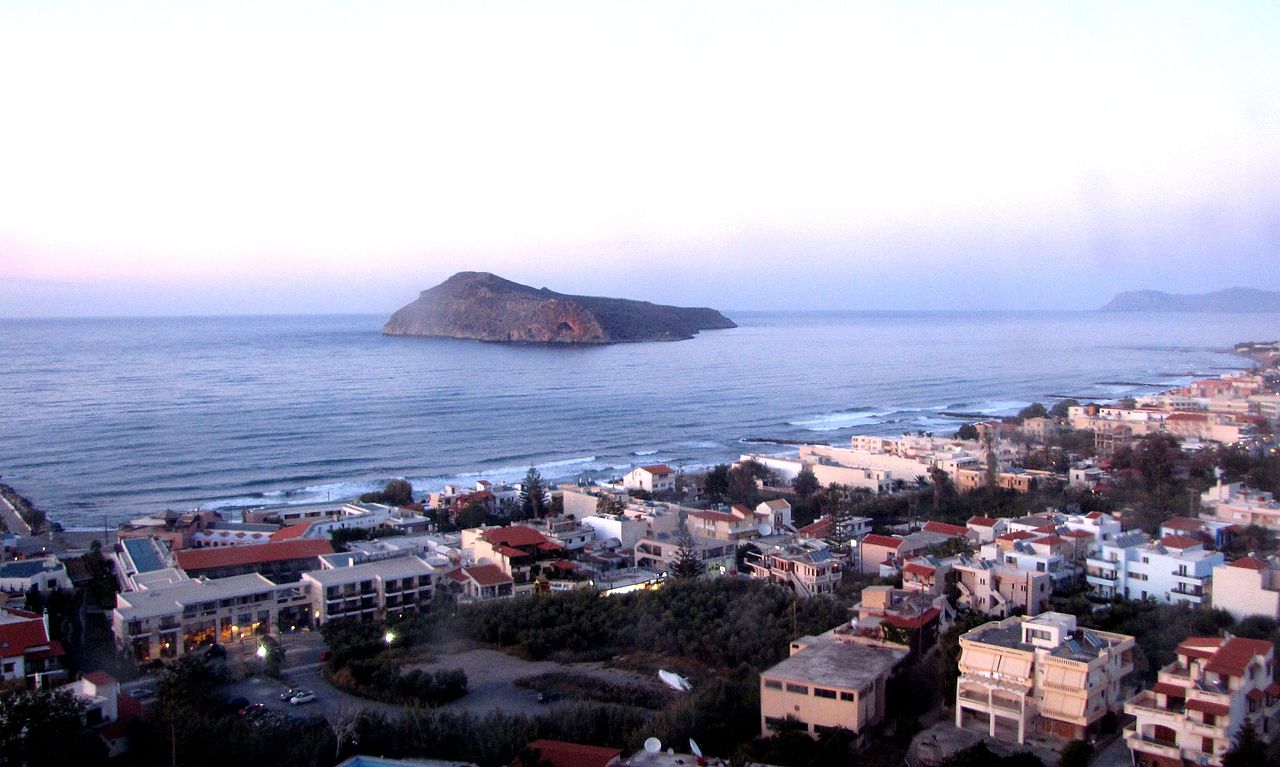
Photo: © Pavel Špindler / CC BY 3.0 / Wikimedia Commons