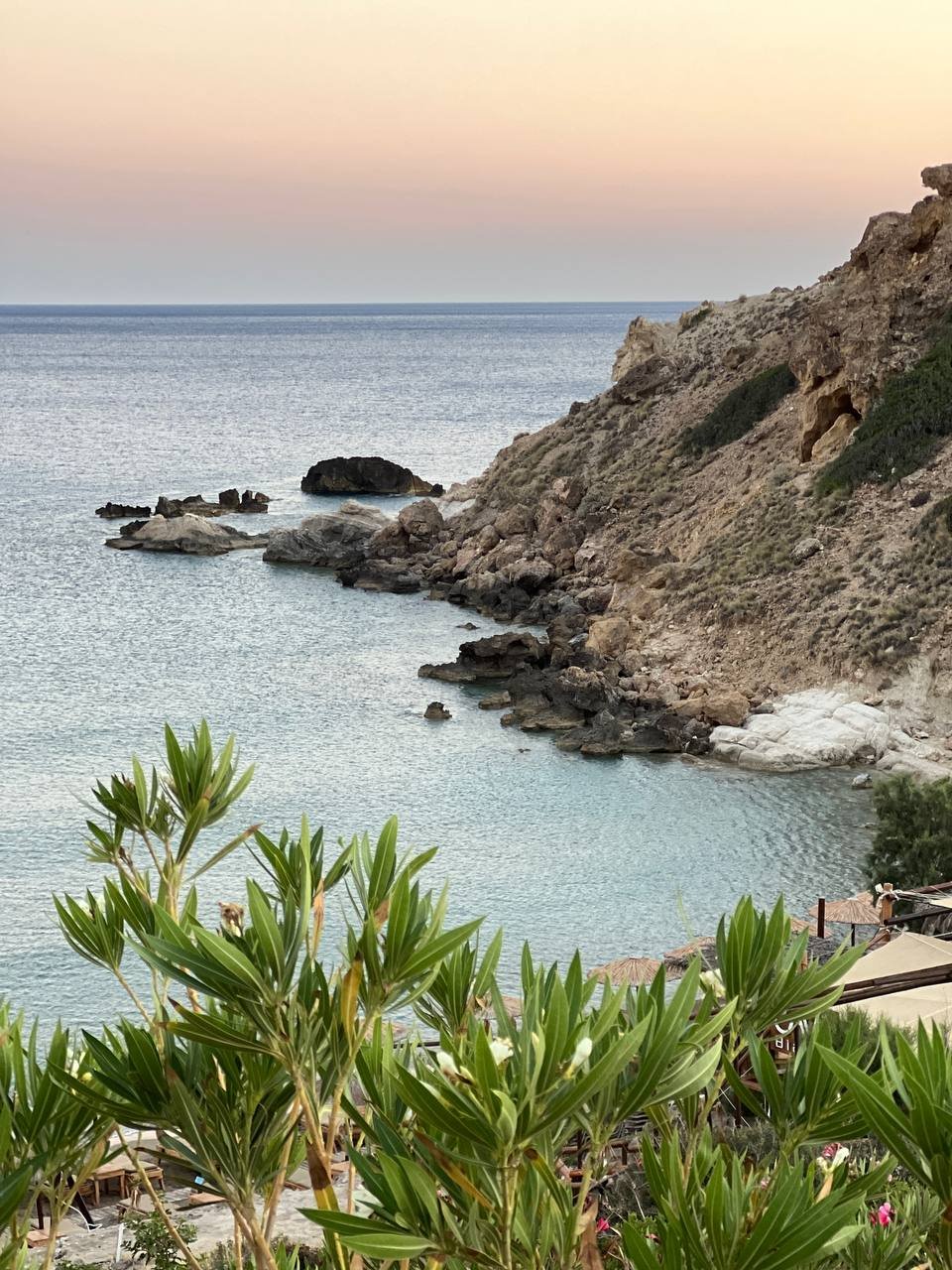
Rethymno is Crete's third largest city, sitting on the north coast between Heraklion (80km to the east) and Chania (60km to the west). Unlike either of those cities, Rethymno has kept its Venetian old town almost entirely intact — narrow lanes, minarets, carved wooden balconies, and a working harbour that has changed little in centuries. It is not a resort town, though a 12km sandy beach runs immediately east of the centre. It functions as a real Greek city with a university, a working port, and around 40,000 permanent residents. That mix — history, daily life, beach access — is what makes visiting Rethymno, Crete different from a standard package holiday destination.
Rethymno Old Town: Venetian and Ottoman Layers
The Rethymno old town is the primary reason to come here. Venice controlled Rethymno from 1204 until 1646, and the architecture they left is dense and well-preserved: loggia, fountains, carved archways, and a fortress that still dominates the headland above the harbour. After 1646, Ottoman rule added minarets and converted several churches into mosques, producing a hybrid character found nowhere else on the island. The overall effect is of a small, navigable city where almost every street turns up something worth pausing at.
Walking the old town requires no plan. The streets between the harbour and the Fortezza are pedestrianised or traffic-restricted, and most significant buildings sit within a 15-minute walk of each other. Allow at minimum half a day; a full day including the Fortezza and one museum is unhurried and realistic.
Key landmarks on foot:
- Rimondi Fountain (1626): A Venetian fountain with lion-head spouts on Petichaki Square at the centre of the old town. Still functioning. A useful orientation point when navigating the lanes.
- Nerantzes Mosque: Originally built as the Church of Santa Maria in the early Venetian period, converted to a mosque after 1646. The minaret survives and is climbable for a small fee — steep stairs, good views over rooftops and the sea. Now serves as a concert venue.
- Venetian Loggia: A rectangular 16th-century arcade on Arkadíou Street, one of the best-preserved examples in Crete. Currently used as a shop selling museum reproductions.
- Venetian Harbour and Lighthouse: The inner harbour is small and shallow, handling fishing boats and pleasure craft. The Egyptian-built lighthouse at the harbour entrance dates to the 19th century and is one of the most photographed structures in Crete.
The harbour-front restaurants are the most visible eating options in the area, but also the most expensive and tourist-facing. The streets one block inland — particularly Arabatzoglou and Vernardou — have better value and more local custom.
The Fortezza: What to Expect Inside
The Fortezza sits on the Paleokastro headland directly above the old town and harbour. Venice began construction in 1573 following a series of Ottoman coastal raids, completing the fortress around 1590. It covers roughly 40,000 square metres — large enough to shelter the entire civilian population of Rethymno at the time of construction, which was precisely the intention.
Entry costs approximately 4 EUR (free for children under 18). Opening hours run daily 08:00–20:00 in summer (June–September), with shorter hours in winter. Budget 1 to 1.5 hours for a thorough visit. Wear flat shoes — the ground throughout is uneven stone and compacted earth.
Inside the walls:
- Sultan Ibrahim Mosque: Built by the Ottomans after their 1646 conquest, partially restored. The dome interior is intact and worth seeing.
- Ruins of the Bishop's Palace and garrison quarters: Substantial foundations give a clear sense of the scale of the original settlement within the walls.
- Panoramic views: North over the Cretan Sea, south over the city rooftops toward the White Mountains. The best view of the harbour and lighthouse is from the northern walls.
The Fortezza is consistently the single most worthwhile paid attraction in Rethymno. It is larger and more intact than most visitors expect from the outside.
Beaches Near Rethymno: Town Beach and Day Trip Options
Rethymno Beach is a 12km Blue Flag sandy stretch running directly east from the edge of the harbour district. It is free, wide, and generally uncrowded at the western end near the old town. Further east, toward the Adelianos Kampos hotel zone, organized sun-bed operations become standard. The beach is within walking distance of the centre — 5 minutes from the harbour on foot.
For more varied options, the coastline south and southeast of Rethymno has several worthwhile beaches accessible by rental car:
- Preveli Beach: 35km south via the Kourtaliotis Gorge road. A freshwater river meets the sea here between limestone cliffs lined with date palms — one of Crete's most distinctive landscapes. A steep 10-minute walk down (and back up) from the car park. No facilities beyond a seasonal snack stand. Crowded in July–August, manageable in May–June and September.
- Plakias: 38km south. A low-key fishing and tourism village with a long pebbly beach. Good option for a full beach day with taverna lunch, fewer crowds than north coast resorts.
- Damnoni: 42km south, 4km east of Plakias. Three small sandy coves separated by rock outcrops. Clear water, some natural shade.
- Bali: 30km east along the E75 highway. A fishing village with four small coves. The innermost cove (Livadi) has the calmest water and is best for swimming. Parking is difficult in peak season.
- Triopetra: 45km south. Remote, named for three large rocks in the water. Very few facilities, requires comfort with unmarked roads.
Sea temperatures around Rethymno stay comfortable well into autumn — around 24–26°C in September and 22–23°C in October. For full water temperature data and late-season beach conditions across the island, see the guide to swimming in Crete in October.
When to Visit Rethymno: Seasons and Practical Timing
Rethymno has a standard north-coast Cretan Mediterranean climate: hot dry summers, mild wet winters. The north-coast position means it can be slightly windier than south-coast spots, which is not unpleasant in summer heat.
- May–June: Air temperatures 22–28°C, sea warming to 22–24°C by late June. Most businesses open, crowds manageable, prices well below peak. Best overall for combining sightseeing with beach time.
- July–August: 30–36°C, sea 25–27°C. Peak season — maximum crowds, maximum prices, maximum heat. The old town is still enjoyable early morning and after 19:00. Midday is uncomfortable for anything active.
- September: 27–30°C, sea 25–26°C. Numbers drop sharply after the first week of September. Most businesses and restaurants remain fully open. Many experienced travellers consider this the best month: genuinely warm, swimmable, and without the August pressure.
- October: 22–25°C, sea 22–24°C. Quiet and affordable. Still warm enough for beach days, particularly in early October. Some restaurants and smaller hotels begin closing mid-month.
- November–April: The old town functions year-round and is worth a day visit, but accommodation choice shrinks significantly and many tourist-facing businesses close entirely.
One event worth noting: Rethymno hosts one of Greece's largest Carnival celebrations (Apokries) in February. The city fills up for the final weekend — book accommodation weeks in advance if visiting then.
Getting to Rethymno: Airports, Buses and Driving
Rethymno has no airport. The two nearest airports are Heraklion Nikos Kazantzakis (HER, 80km east) and Chania Ioannis Daskalogiannis (CHQ, 60km west). Both are well-served by European carriers and charter flights throughout summer.
From Heraklion Airport: Take a taxi to Heraklion KTEL bus station (10–12 EUR, 15 minutes), then the KTEL Heraklion–Rethymno intercity bus (8–10 EUR, roughly 1.5 hours, departures approximately every hour in summer). Alternatively, rental car from the airport — 80km via the E75 highway, approximately 1 hour under normal traffic. Driving is the more flexible option if you plan beach day trips.
From Chania Airport: City bus to Chania (3 EUR), then KTEL Chania–Rethymno (6–8 EUR, 50 minutes). Or rental car: 60km, 45 minutes.
Within Rethymno, the old town is fully walkable. The Fortezza, harbour, old town, and the western end of the beach are all within 20 minutes on foot from each other. Municipal parking is available at the western edge of the old town. Do not attempt to drive into the pedestrianised lanes of the old centre. For day trips to Preveli, Plakias, and Triopetra, a rental car is near-essential — public buses serve the main south-coast villages but run only 2–3 times per day and do not reach remote beaches.
Eating in Rethymno: What to Order and Where
Cretan food is genuinely good and worth eating properly. Rethymno has a solid range of tavernas and restaurants, but proximity to the harbour is a reliable inverse indicator of value.
- Harbour-front restaurants typically charge 25–40 EUR per person including wine. The location premium is substantial.
- Streets one block inland — Arabatzoglou, Vernardou, Xanthoudidou — have tavernas running 15–22 EUR per person for a full meal.
- The municipal market area near Petichaki Square has bakeries, cheese shops, and small cafes used by locals.
What to order: dakos (barley rusk with tomato and mizithra), grilled octopus dried in the sun before cooking, fresh fish sold by weight, slow-roasted lamb with stamnagathi (wild Cretan greens), and local olive oil used generously on everything. Cretan graviera and anthotiro are the cheeses worth seeking out from a deli counter if you are self-catering — see the Cretan cheese guide for a breakdown of each variety, how they are made, and what distinguishes them.
Wine: Crete produces its own wines from Kotsifali, Mandilari, and Vidiano grapes. House wine (hima) at a taverna costs 6–10 EUR for a 500ml carafe. Ask specifically for Cretan wine. Coffee: the summer standard is freddo espresso — cold espresso with cold foam — available at every cafe from 08:00 onward.


