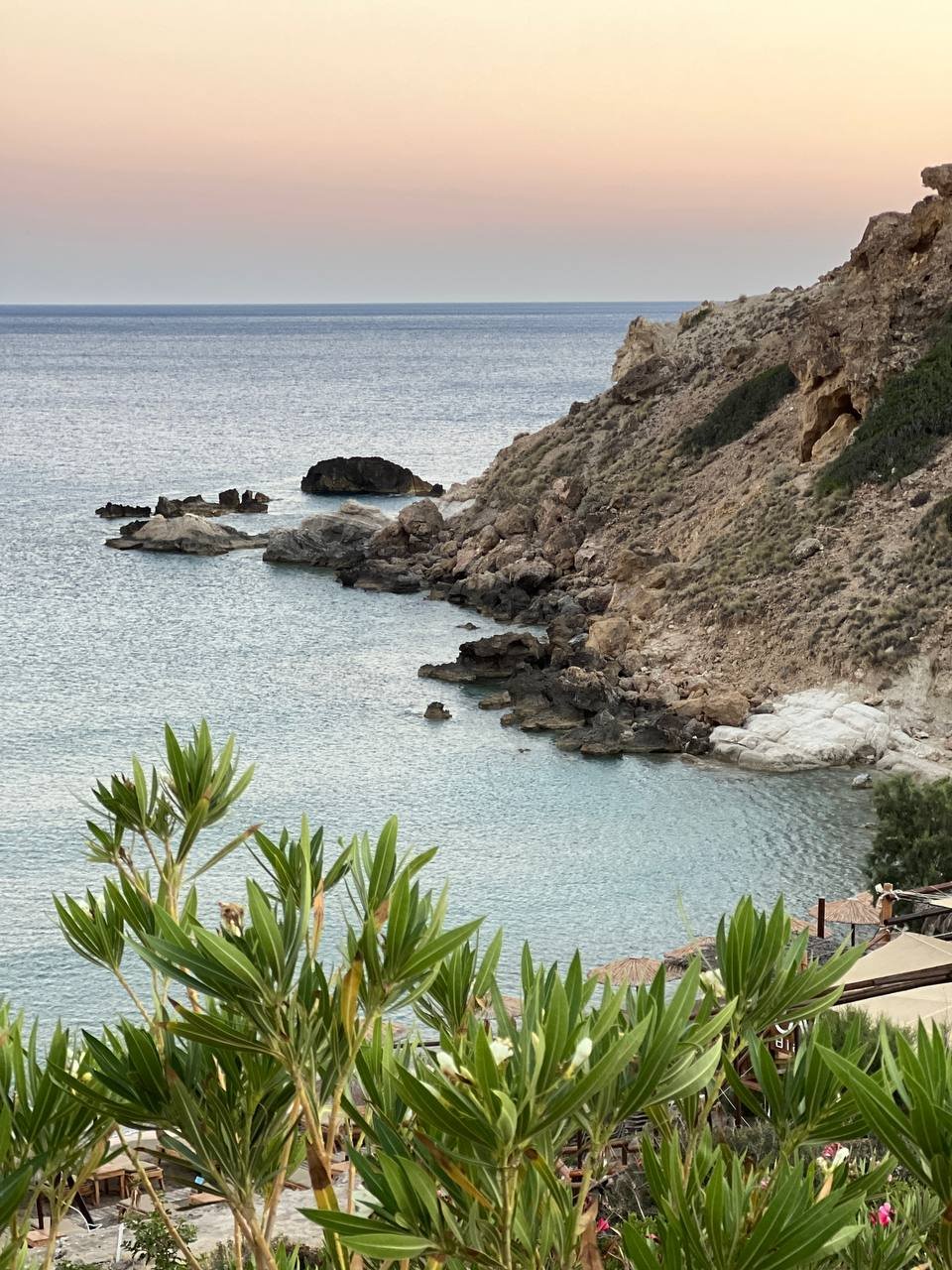
Chania attracts the bulk of its visitors between June and September. Once the crowds leave, the old town quiets down, hotel rates drop 30–50%, and the light turns golden. This guide covers what to realistically expect when visiting Chania in autumn and winter — October, November, and December.
Weather in Chania from October to December
October in Chania is the best off-season entry point. Early October averages 22–25°C during the day, with sea temperatures around 23–24°C — still comfortable for swimming. Rain exists but typically arrives as short afternoon showers, not prolonged grey days. By late October, expect 18–21°C and increasing cloud cover.
November marks the transition. Daytime highs fall to 15–19°C. Average monthly rainfall in Chania reaches 55–70mm, concentrated in multi-day wet spells separated by clear stretches. The sea drops to around 20°C. Evenings require a jacket. Beach days are possible but no longer reliable.
December is the wettest month, averaging 80–100mm of rain. Temperatures range 13–17°C. Wind picks up from the north. Frost is extremely rare in Chania town, but mountain villages above 600m can see snow. You will still get sunny days — the difference is you cannot count on them.
What to Do in Chania in Autumn and Winter
The Venetian harbor and old town operate year-round. Restaurants, cafes, and most shops stay open, though some tourist-facing businesses close after mid-November. The covered market (Agora) runs Monday to Saturday all year.
- Hiking: Autumn is the best season for trails in the White Mountains. Samaria Gorge closes at the end of October — check the exact closing date at Samaria Gorge Closing Date 2026. Imbros Gorge stays open year-round: 8km, 2–3 hours, €5 entry. Far less strenuous and accessible without a guide.
- Archaeological Museum of Chania: Open Tuesday–Sunday, 08:30–15:30 in winter. Entry €4. Covers Minoan finds from western Crete with manageable crowds off-season.
- Balos and Elafonisi: Accessible by car once boat trips stop after October. Balos is a 45-minute drive from Chania plus a 20-minute hike to the lagoon. No entry fee to either beach itself. Road to Elafonisi is unpaved in sections — a 4x4 is not required but helps in wet conditions.
- Local food: Less competition for tables at the best restaurants. Lamb stifado, stamnagathi greens, and aged graviera are winter staples worth seeking out. Meze portions in non-tourist tavernas in the Splantzia district run €4–8 per plate.
Prices and Getting to Chania Off-Season
A 3-star guesthouse in the old town that costs €120–160 per night in August runs €60–90 in October and €45–70 in November–December. Boutique hotels near the harbor average €50–75 off-season versus €80–130 in summer. Airbnb availability expands significantly and nightly rates follow the same pattern.
Flights into Chania airport (CHQ) operate year-round with direct connections from Athens (45 min, €40–80 one-way). Most international charter routes end by November. If your entry point is flexible, comparing Heraklion and Chania as base options is worth doing — Heraklion airport (HER) has more frequent winter connections and is 2h15 from Chania by KTEL bus (€14, no booking required).
Ferry routes from Piraeus run year-round: the crossing takes 8–9 hours overnight and costs €30–60 in deck class. Full schedules and seasonal timetables are covered in the Crete Ferry Routes Guide 2026. Car rental at CHQ drops to €20–35 per day in low season — useful for reaching Imbros, Elafonisi, and the White Mountains interior without relying on infrequent winter bus services.


