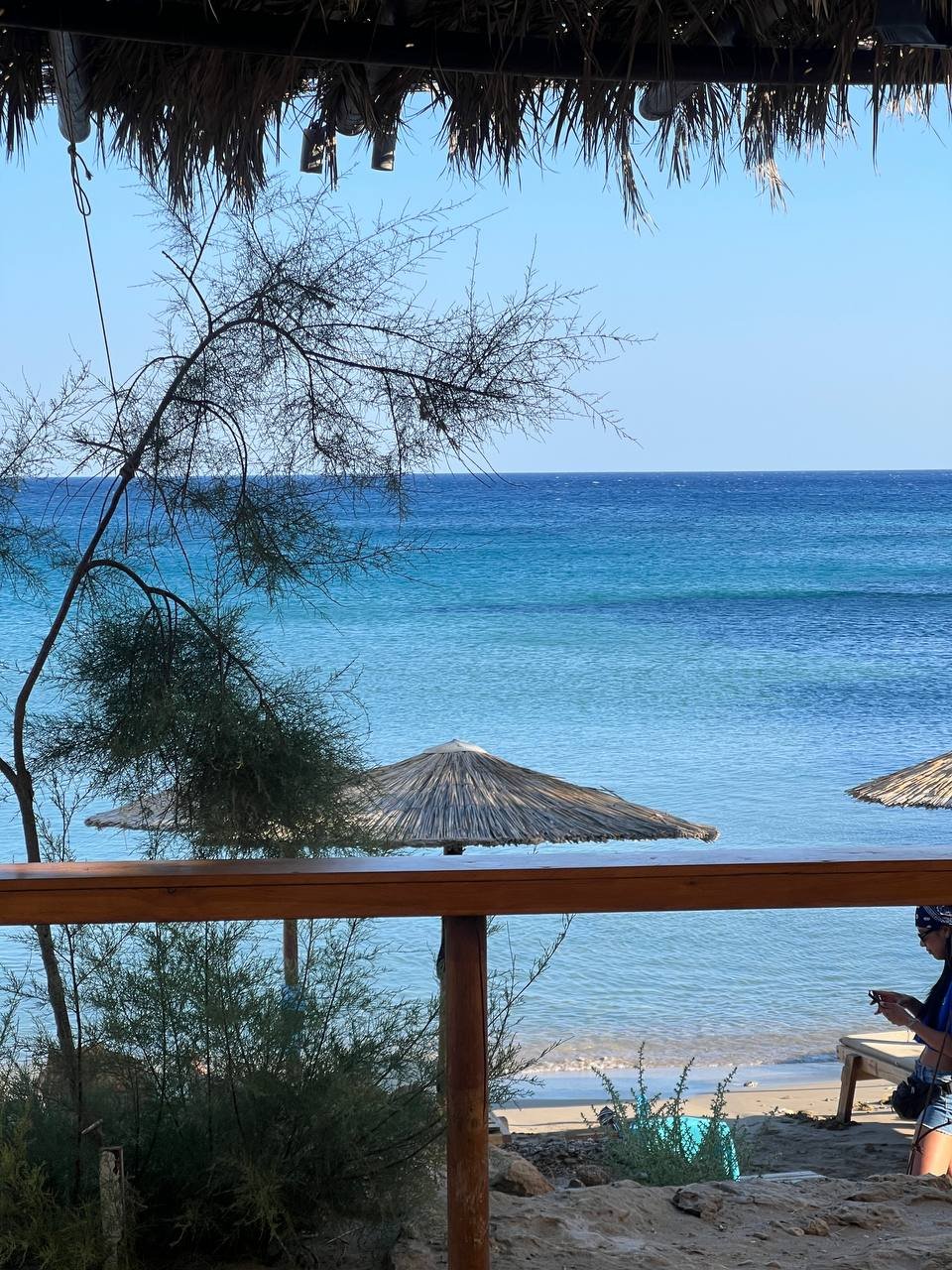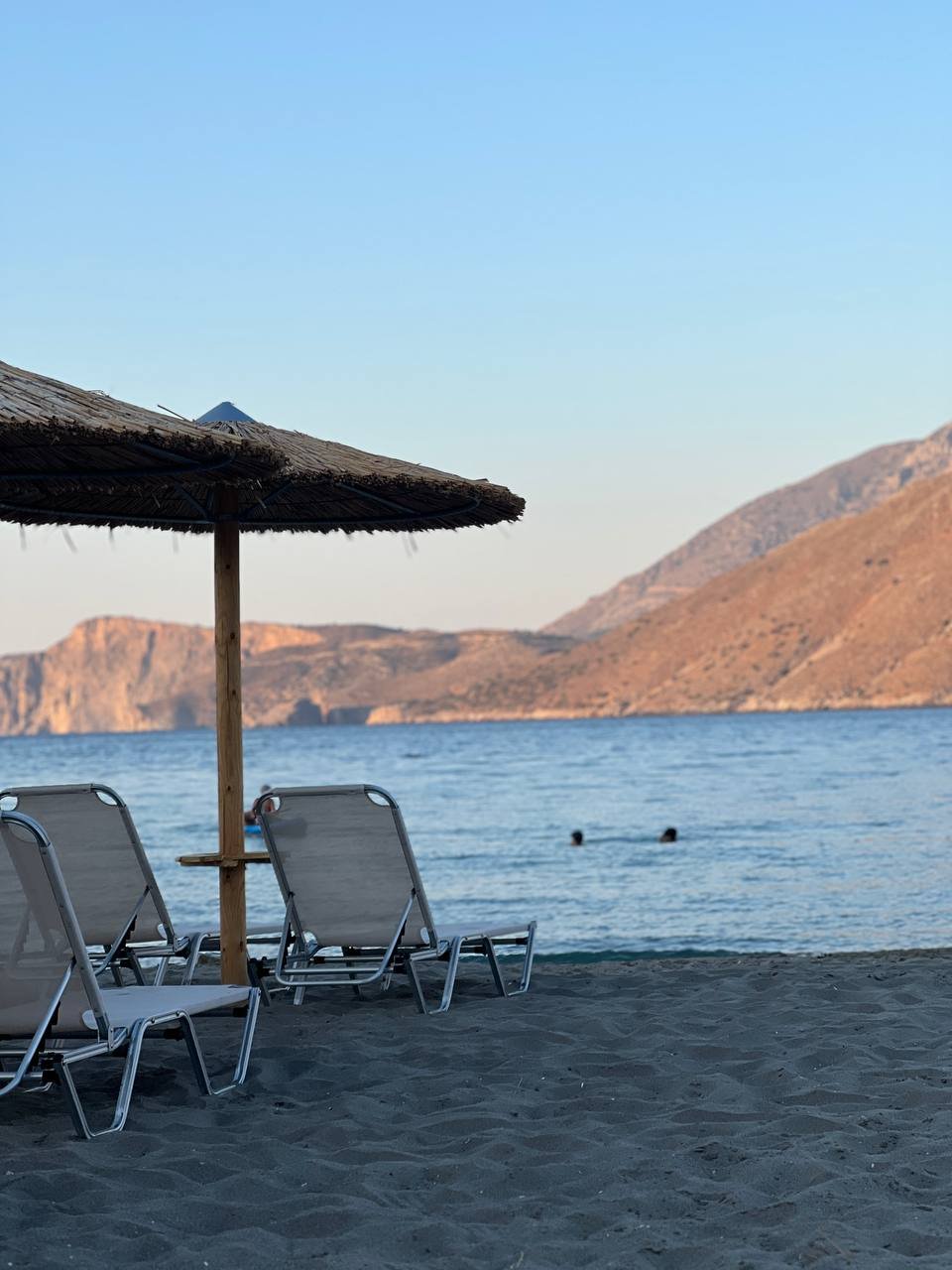
Crete has over 1,000km of coastline. Most visitors end up at Elafonisi, Balos, or Vai — genuinely beautiful beaches that are also genuinely overrun, with parking queues forming before 9am in July and August. What they miss is that Crete's coastline hides dozens of beaches reachable only by boat, a 45-minute hike, or a dirt track that most rental car agreements technically prohibit. These are the places where you share the water with 10 people instead of 300.
This guide covers 12 specific hidden beaches in Crete, with access details, GPS references, distances from major towns, and honest difficulty notes.
Why Crete's Secret Beaches Stay Secret
The main reason is infrastructure. Crete's road network follows the north coast via the E75 highway, linking Kissamos to Sitia in roughly 4.5 hours. The south coast has almost no equivalent. Dozens of beaches sit below steep gorges or rocky headlands with no road access at all. Others have dirt tracks that mapping apps mark as paved roads — a source of blown tyres and voided rental insurance every season.
Crete is also genuinely large: 260km long, up to 60km wide. Most package tourists based in Heraklion or Chania stay within a 60–70km radius of their hotel. That leaves entire regions — Sfakia, southern Lassithi, the far west of Chania prefecture — largely bypassed. The result is that beaches requiring 45 minutes of effort see a fraction of the visitors that comparable beaches with car parks receive. The effort IS the filter.
Hidden Beaches in Western Crete (Chania Prefecture)
Kedrodasos Beach — 5km east of Elafonisi
Elafonisi draws 3,000+ visitors per day at peak season. Kedrodasos, a 20-minute walk north along the coastal path, draws almost none. It is backed by a rare cedar forest (kedros = cedar in Greek) — the only beach in Crete with natural forest shade. The water clarity matches Elafonisi's famous pink-tinted shallows exactly; the sand is coarser. Naturism is practiced here by convention. No facilities at all: bring water.
Access: Park at Elafonisi (€3–5 depending on season), walk the marked coastal path north for 20 minutes. No vehicles reach the beach. No cost beyond parking.
Seitan Limania (Stefanou Beach) — 15km northeast of Chania city
Seitan Limania translates as Devil's Harbours. It is a fjord-like inlet carved between white limestone cliffs, roughly 80m long, accessible only by a steep 15-minute descent on loose rock. The water is electric blue, sheltered from wind, and deep enough for cliff jumping from the lower ledges. It appears in every Crete photography roundup, yet the beach holds only 40–60 people maximum due to its physical size — that natural capacity limit is the only thing keeping it off mainstream tour bus circuits.
Access: Drive toward Akrotiri peninsula, follow signs to Marathi then Seitan Limania. GPS: 35.5745°N, 24.1762°E. The last 2km is unpaved but manageable in a standard car. No sunbeds, no facilities, no shade.
Tigani Peninsula — 48km west of Chania
Not to be confused with the Balos excursion boats. Tigani is the far western tip of the Gramvousa peninsula — a 4–5 hour round-trip hike along an exposed coastal track. The beach itself is small and the swimming unremarkable compared to Balos, but the landscape is extraordinary: the peninsula feels like a separate island. On a peak August day it is empty. The hike involves significant elevation gain on loose rock.
Access: Start from Kaliviani village. Path is marked but fully exposed with zero shade — bring 2L of water minimum per person. Not suitable in meltemi wind conditions.
Secret Beaches on the South Coast
Sweetwater Beach (Glyka Nera) — 2km east of Loutro
The name comes from natural freshwater springs that seep through the pebbles, diluting the saltwater noticeably at the shoreline. It is one of Crete's most genuinely off the beaten path beaches: no road access exists, reachable only by the E4 coastal path from Loutro (45 min walk on rocky terrain) or by water taxi from Hora Sfakion (€10–12 return, runs approximately every 2 hours in summer). A basic taverna operates sunbeds at €5/day and serves food. Naturism is practiced. The taverna closes for winter — typically from late October onward.
Tsigkrado Beach — 4km south of Matala
Tsigkrado requires descending a fixed rope and metal handrails down a 20m cliff face. This is not technical climbing, but it is entirely unsuitable for young children or anyone with knee or mobility issues. At the bottom: a small sandy cove with rarely more than 20 people even in August. The rope and handrails have been maintained by a local family for many years. No charge, no facilities. Allow 5 minutes for the descent; plan the same for the climb back up — harder on tired legs.
Access: From Matala, take the road toward Kalamaki then follow signs to Tsigkrado. Park at the clifftop and descend on foot. GPS: 34.9912°N, 24.7658°E.
Agiofarago Beach — 75km south of Heraklion
Agiofarago (Saint's Gorge) involves a 1.5km walk through dramatic limestone canyon before the gorge opens onto a wide sandy secret beach in Crete. The walk takes 30 minutes each way. An abandoned monastery sits partway through the canyon. The gorge walls provide natural shade until midday — a significant practical advantage in summer heat. Occasional boats stop here from Matala. No facilities at the beach itself; bring everything you need.
Access: Drive south from Sivas, past the monastery of Odigitria. Road is paved to the trailhead. Parking is free.
Preveli Beach — 38km south of Rethymno
Not entirely unknown, but considerably less crowded than its reputation suggests when timed correctly. A river flows into the sea through a natural palm forest — the only European palm grove of this kind outside Vai on the east coast. Arrive before 10am or after 4pm to avoid the midday surge from Rethymno excursion boats. Two access options: 200 stairs from the upper car park (€3) or water taxi from Plakias (€15 return, summer only). Sunbeds at the main section cost €6 per pair; the far end of the beach is free and significantly quieter.
Off the Beaten Path Beaches in Eastern Crete
Xerokampos — 25km south of Zakros, 210km from Heraklion
Eastern Lassithi's south coast is the least-visited region in Crete. Xerokampos is a tiny settlement with several uncrowded Crete beaches — Aspros Potamos, Karoumes, and the main Xerokampos beach — spread across 3km of coastline. No beach clubs, no sunbed operators, no day-trip buses. A handful of small guesthouses and tavernas serve the area. Roads are paved but narrow. Water taxi connections to Kato Zakros operate in summer at approximately €25 per person, seasonal schedule only.
Kato Zakros Beach — end of the Valley of the Dead, 110km east of Heraklion
Kato Zakros sits at the base of one of Crete's most dramatic gorges. The village has 5–6 tavernas built practically on the sand. The beach itself is functional rather than spectacular, but the setting is unique: a Minoan palace with active excavations sits 200m away, gorge walls rise directly behind the village. Package tourism has never reached here in volume because no efficient road links it to the north coast — getting here requires commitment and roughly 2.5 hours from Heraklion.
Agia Fotia — 7km east of Ierapetra
A long pebbly beach at the mouth of a small valley, with no facilities and no infrastructure. Reachable via a 1.5km dirt track off the main coastal road. The pebbles deter most tourists; the water is clear. A handful of local families use it on summer weekends but weekdays it is effectively empty. The dirt track is passable in a standard car but check your rental agreement first.
Best Time to Visit Uncrowded Beaches in Crete
The crowd pattern is predictable. July 15 – August 25 is peak. Even beaches requiring real effort — Preveli, Sweetwater — see significant numbers. The practical windows:
- Late September to mid-October: Sea temperature holds above 22°C. Air temperatures range 22–26°C. Most boat services operate until mid-October. Visitor numbers run 70–80% lower than August with nearly identical swimming conditions. This is the single best window for accessing hidden beaches in Crete comfortably. For full details on what is open and accessible right now, see our complete Crete October 2026 travel guide.
- May to mid-June: Sea temperature is cooler at 18–21°C but beaches are essentially empty. Coastal paths are at their most pleasant — not yet baked by summer heat. Wildflowers cover the gorge approaches to Agiofarago and Sweetwater.
- November to December: Boat services stop, most beach tavernas close, and several dirt tracks become impassable after rain. Only beaches with paved or near-paved access remain practical. The landscape is deserted and dramatic. Our Crete off-season guide for November and December 2026 covers what remains open and worth visiting in the colder months.
A specific note for October 2026: recent storm activity has affected parts of western Crete's coastal road network. Dirt track access to beaches like Seitan Limania may be temporarily compromised after heavy rainfall. Check our full Crete in October 2026 guide for up-to-date access notes before committing to a south coast day trip.
Practical Tips for Visiting Hidden Beaches in Crete
Rental cars and dirt roads: Most standard rental agreements explicitly prohibit unpaved roads and can void insurance cover entirely. Either check your policy before signing or rent a vehicle specifically cleared for off-road use — this typically adds €20–30/day. Note that several beaches on this list (Kedrodasos, Seitan Limania, Agiofarago, Sweetwater) require walking regardless of what you drive, so a standard car is sufficient for the access roads.
What to carry: No facilities means no water, no food, no shade structures for hire. Minimum kit: 2L water per person, factor 50 sun protection, sandals for rocky beach entries, a dry bag for phone and valuables. Kedrodasos and Tsigkrado have zero natural shade — plan sun exposure accordingly.
Real costs: The beaches are free. Expenses come from boat transfers (€10–25 return depending on route and operator), trailhead parking (€3–5 at Elafonisi and Preveli), and additional fuel for reaching remote areas. Budget €15–30 extra per person for a day trip to any south-coast beach requiring water taxi access.
Safety basics: Several south-coast beaches have no mobile signal — Sweetwater Beach and Agiofarago are reliable examples. The E4 coastal path sections are marked but run through isolated terrain. Tell someone your plan and expected return time before setting out. Enclosed coves like Seitan Limania can develop strong thermal currents when the meltemi wind is active. Check wind conditions locally before committing to the rock descent.