East Crete Beaches: The Lasithi Prefecture at a Glance
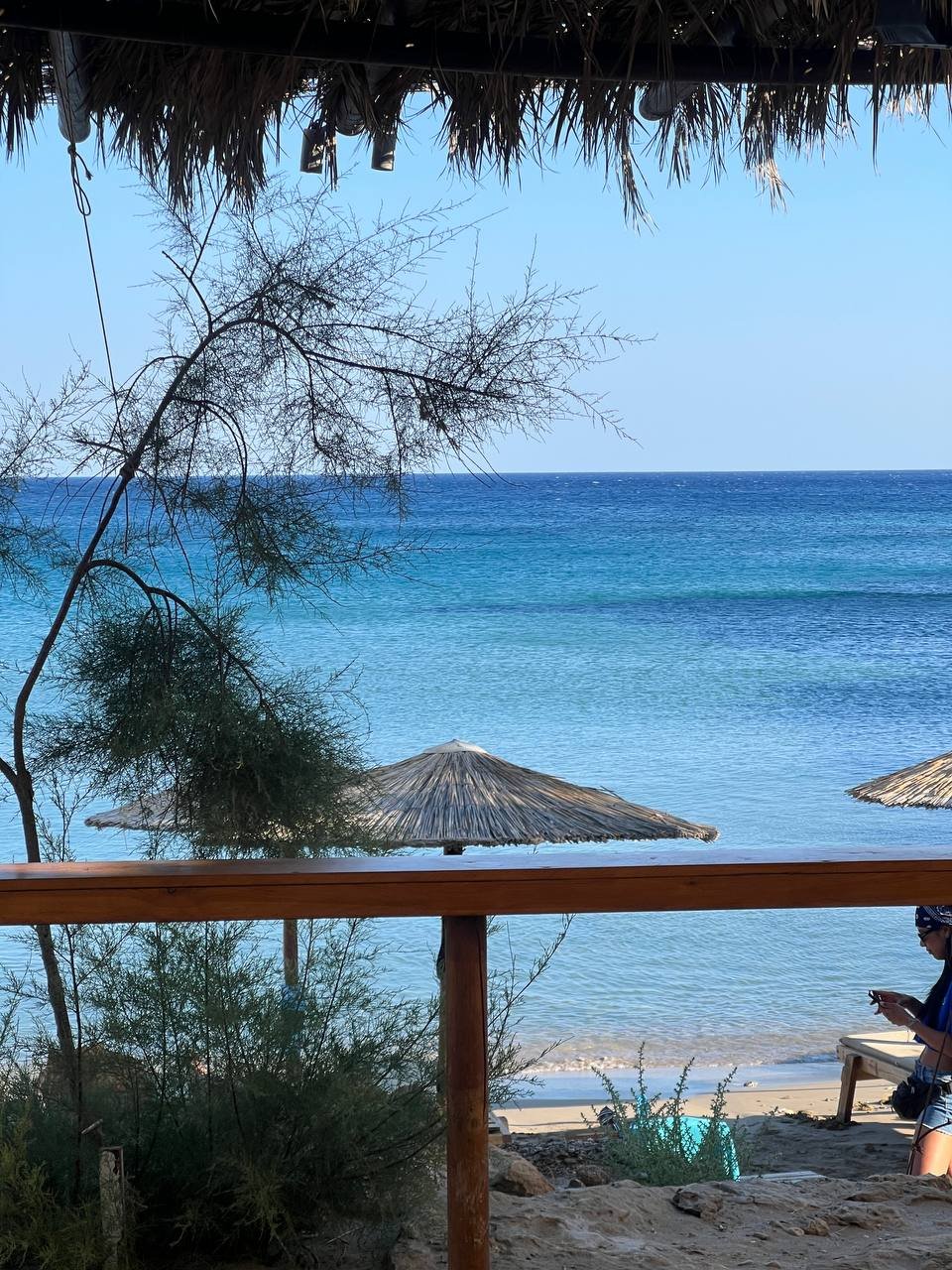
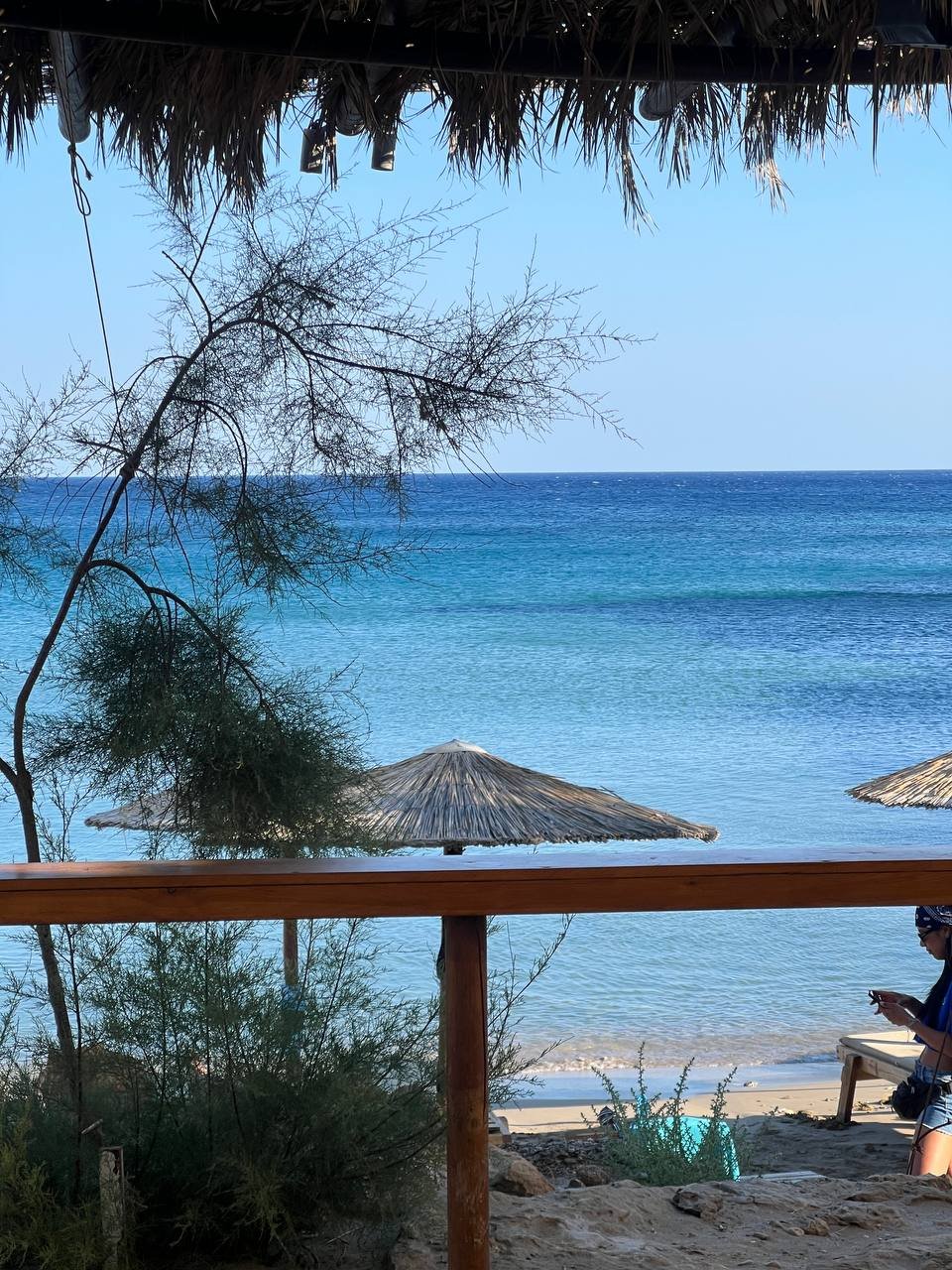
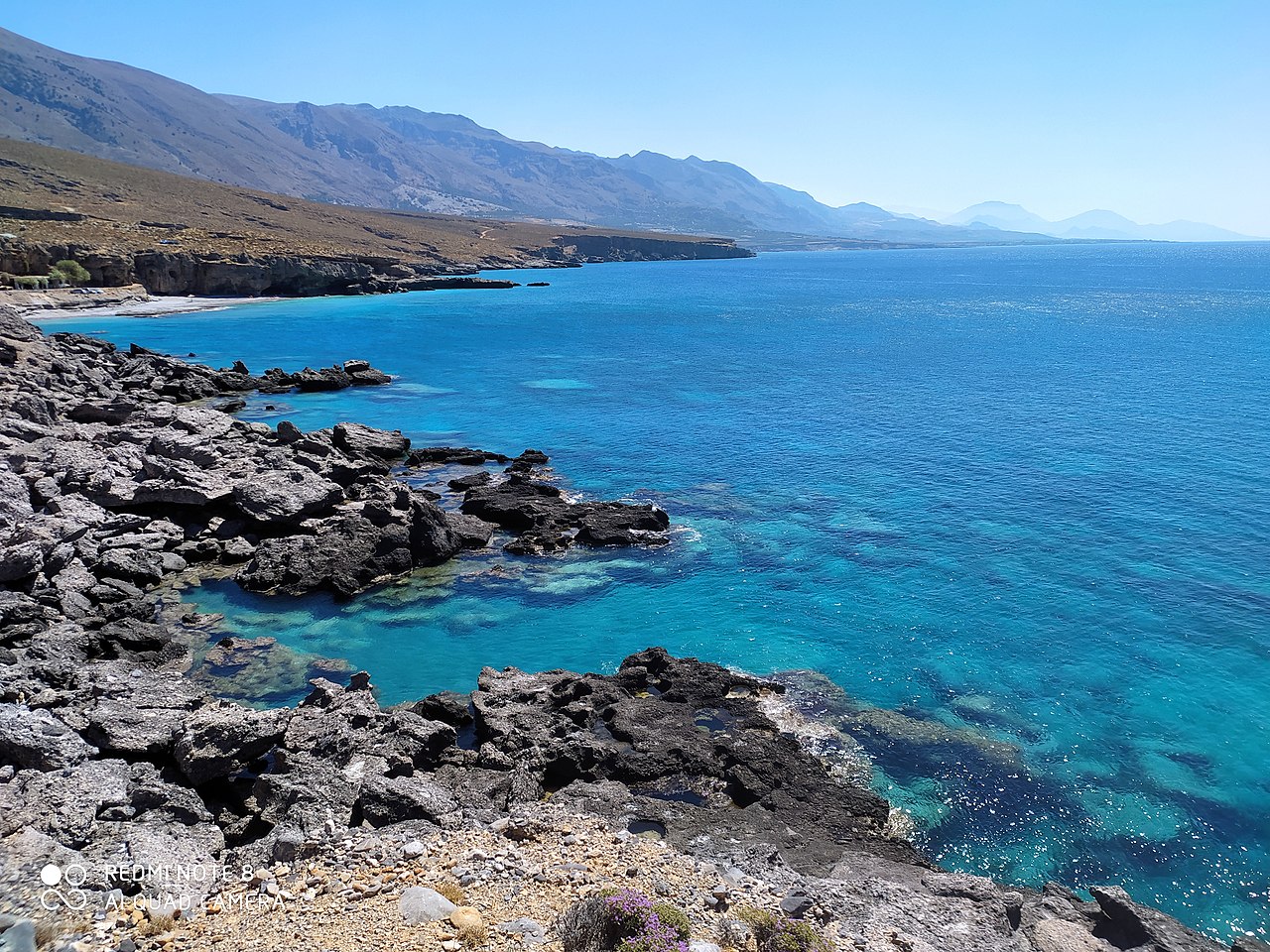
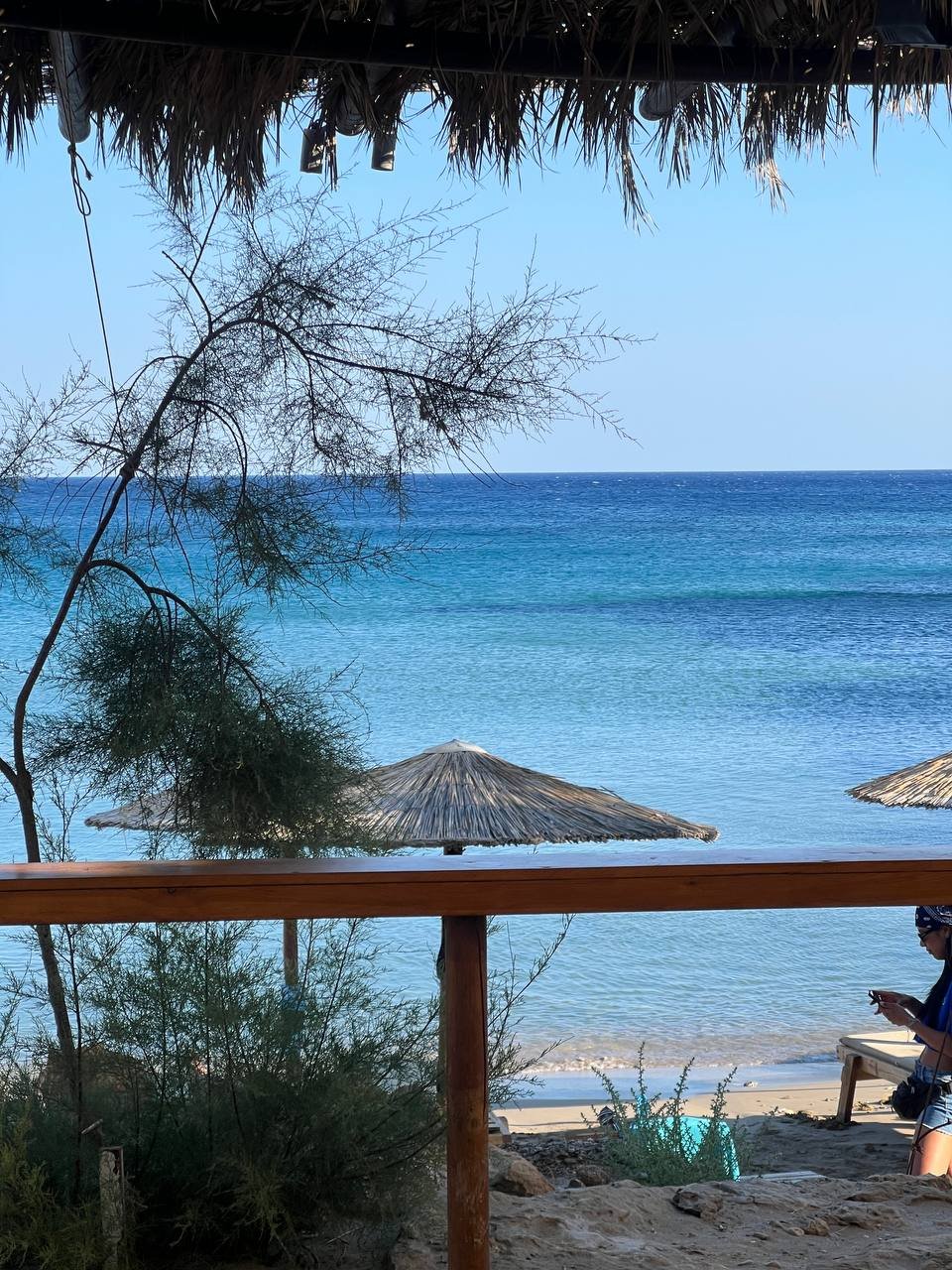
The east Crete beaches of Lasithi prefecture run from Agios Nikolaos in the west to the remote tip at Zakros, covering roughly 120 km of coastline. This is not the Crete of packed beach clubs and overpriced cocktails. Infrastructure is lighter, the landscape more dramatic, and water clarity in the Gulf of Mirabello and along the Sitia coast consistently ranks among the highest on the island.
The region breaks into three distinct zones:
- Gulf of Mirabello (Agios Nikolaos area): sheltered, calm water, numerous small coves and islets, excellent for families and snorkellers.
- Sitia coast: exposed to the meltemi northerly wind in summer (force 4–6 Beaufort at peak), sandy beaches with strong conditions for wind sports.
- Far east (Palekastro to Zakros): sparse tourist infrastructure, archaeological sites, and some of the most secluded beaches in Crete.
Peak season in Lasithi runs mid-July through late August, when Vai Beach reaches daily capacity before 11:00 and coastal roads see significant traffic. June and September deliver near-identical swimming conditions — sea temperatures hold between 24°C and 27°C — with noticeably fewer visitors and lower accommodation rates. October remains warm enough for swimming, particularly in sheltered bays where temperatures stay above 22°C.
Vai Beach: Europe's Largest Natural Palm Forest
Vai beach Crete is the most photographed stretch of coastline in the eastern part of the island and one of the most distinctive in Greece. It sits at the northeastern tip of Crete, 24 km northeast of Sitia via the E75 motorway and a local coastal road — approximately 30 minutes by car. The beach is a 200-metre crescent of coarse golden sand backed by roughly 5,000 Phoenix theophrasti palms, the only native palm species in Europe, protected under Greek environmental law.
Access and parking: A paid car park (approximately 5 EUR per day in 2026) sits 400 metres from the beach. Private vehicles are not permitted beyond this point. A second, smaller cove — sometimes called Vai North — is reachable in 10 minutes on foot along a signed trail and is consistently less crowded than the main beach. Arriving before 10:00 in July and August is essential to secure a parking space without a long wait.
Facilities: Sun lounger and umbrella hire runs approximately 8–10 EUR per set per day. A snack bar and a full restaurant operate from May through October. The nearest accommodation is in Palekastro village, 9 km to the south, where studios and small hotels offer reasonable rates. The palm grove is fenced from dusk to dawn; camping on the beach is prohibited and actively enforced by wardens.
Water quality: Vai holds Blue Flag certification. The sandy bottom deepens gradually from shore, and the bay is shielded by headlands on most days, keeping conditions calm. Easterly winds are the exception and can cause short-period chop. Snorkelling along the rocky outcrops at either end of the bay reveals sea urchins, small wrasse, moray eels, and occasional octopus. The water typically reaches 26–27°C by mid-August.
Beaches in the Agios Nikolaos Area
Agios Nikolaos is the capital of Lasithi and the main accommodation hub for travellers exploring the beaches in the Agios Nikolaos area. It sits on the western shore of the Gulf of Mirabello, 69 km east of Heraklion (55 minutes on the E75). Within a 20 km radius, there are over a dozen beaches worth visiting, ranging from organised sandy stretches to isolated pebble coves.
Almyros Beach: 2 km west of town, one of the longest beaches near Agios Nikolaos at approximately 900 metres. The northern end is a protected wetland lagoon where herons and kingfishers are sighted regularly. Organised section with sun beds at 7 EUR/set; long free stretch to the south. Sandy-bottomed entry with depth reaching 2–3 metres at 25 metres offshore — suitable for non-swimmers and children.
Ammoudi Beach: 3 km south of the town centre via coastal road or footpath. Narrow, mixed pebble and sand with very clear water. Free parking for approximately 30 vehicles. A small taverna operates in season. The rocky ledges at either end make it one of the better snorkelling spots in the immediate Agios Nikolaos area.
Voulisma Beach: 10 km northeast near the village of Istro. Consistently rated among the best beaches in Lasithi for sand quality and water clarity. The access road from the E75 is steep and narrow — unsuitable for campervans over 6 metres. Organised section at 8 EUR/set, free section to the south. Beach bar operates daily from late May to early October.
Elounda area: 11 km north of Agios Nikolaos. The bay is almost completely sheltered — often described as lake-calm — ideal for families with small children. Several small beaches sit between Elounda village and Plaka. Boats depart every 30 minutes in peak season from Elounda harbour to Spinalonga island (approximately 15 EUR return), a former Venetian fortress and leprosarium that is now one of Crete's most visited historical sites.
Plaka and Mavrikiano: 17–19 km north of Agios Nikolaos. Plaka is a pebble beach with exceptional water clarity and one traditional taverna, no organised sun beds. Mavrikiano, 2 km further north via a rough track, is a small cove that remains uncrowded even in peak August weeks. Both are best suited to self-sufficient visitors who bring their own food and shade.
The Sitia Coast and Far East: Beaches Off the Tourist Trail
Sitia town, 70 km east of Agios Nikolaos (55 minutes by car), is the practical gateway to the wilder eastern coastline. The town's own beach — a 700-metre strip along the promenade — is functional and convenient for those staying in town, but not the primary reason to travel this far into east Crete.
Mochlos: 27 km west of Sitia. A small fishing village with a pebbly seafront and calm, clear water. A Bronze Age Minoan settlement sits on a small islet 200 metres offshore; kayak rental (10–12 EUR/hour) allows independent access in calm conditions. The village has two seafront tavernas — expect to pay 14–18 EUR for a full fish meal including local wine. Mochlos is one of the few coastal spots in east Crete that retains a working-village atmosphere in peak season.
Kouremenos Beach: 4 km east of Palekastro, 44 km from Sitia. The main wind sports beach in east Crete. Meltemi conditions (force 4–6, typical July–August afternoons) make Kouremenos the best kiteboarding and windsurfing location in Lasithi. A school operates from June to September with equipment hire and lessons at all levels. Early mornings before 11:00 offer calm swimming, but onshore wind arrives reliably by midday in peak season — plan accordingly.
Kato Zakros Beach: 110 km from Agios Nikolaos (90 minutes by car). Sits at the mouth of the Zakros Gorge — also called the Valley of the Dead — adjacent to a Minoan palace site dating to 1900–1450 BCE. The beach is small, with grey-brown sand and no organised facilities beyond three simple tavernas serving cold drinks and basic grilled food. The gorge walk from Upper Zakros takes approximately 2 hours one way; the beach is the natural endpoint for hikers. No sun beds for hire, no lifeguard.
Xerokampos: South of Zakros, reached via a partly unpaved 12 km road from Upper Zakros (passable by standard car in 2026, but check seasonal conditions before attempting). Three coves with some of the clearest water on the island and almost no tourist facilities — one small taverna operates intermittently. This is the most remote section of coastline accessible by road in east Crete and suits visitors who prioritise solitude over comfort.
Planning Your East Crete Beach Trip: Practical Information
Getting around: A hire car is essential for reaching east Crete beaches beyond the immediate Agios Nikolaos area. KTEL Lasithi buses connect Heraklion to Agios Nikolaos roughly hourly (1.5 hours, 7 EUR one way) and Agios Nikolaos to Sitia twice daily (2 hours, 9 EUR). No scheduled public bus serves Vai, Kato Zakros, or Xerokampos. Car hire in Agios Nikolaos and Sitia in 2026 starts at approximately 28–35 EUR/day for a compact hatchback with basic insurance. Book at least 2 weeks in advance for July and August.
When to go: September is the practical sweet spot for the best beaches in Lasithi. Sea temperatures hold at 25–26°C, the meltemi becomes irregular, and crowds thin significantly versus the August peak. The weather in early September 2026 has been warm and stable across the island — see the Crete weather report for 10 September 2026 for current conditions before you travel. Accommodation costs drop 20–35% compared to August. For the best available rates on hotels, villas, and car hire right now, see our guide to late season deals in Crete for September and October 2026.
Water safety: Exposed north and northeast-facing beaches — Kouremenos, the Sitia town beach, Vai under easterly conditions — can develop short steep waves when wind picks up. Sheltered bays including Elounda, Plaka, and Kato Zakros remain calm in almost all conditions. Check the beach flag system: green for safe, yellow for caution, red for dangerous. Lifeguards are present at organised beaches from approximately 10:00 to 18:00 in peak season. No lifeguard is present at free or remote beaches.
Food and dining: The east Crete coastline has a solid tradition of fresh seafood at accessible prices, particularly in smaller fishing villages like Mochlos and Plaka. Inland, the villages around Agios Nikolaos — especially Kritsa, 12 km to the west — are known for local cheese production. For a comprehensive guide to what to eat across the island, see our article on traditional Cretan food and cuisine.
Where to stay: Agios Nikolaos is the most logical base for covering the full Lasithi coastline — from Almyros in the west to Voulisma in the northeast. Elounda suits those wanting resort-standard accommodation with sheltered swimming steps from the hotel. Palekastro is the right choice for visitors prioritising Vai, Kouremenos, and Kato Zakros — fewer tourists, lower prices, and a 9 km drive to the palm beach.