Best Beaches for Night Swimming in Crete
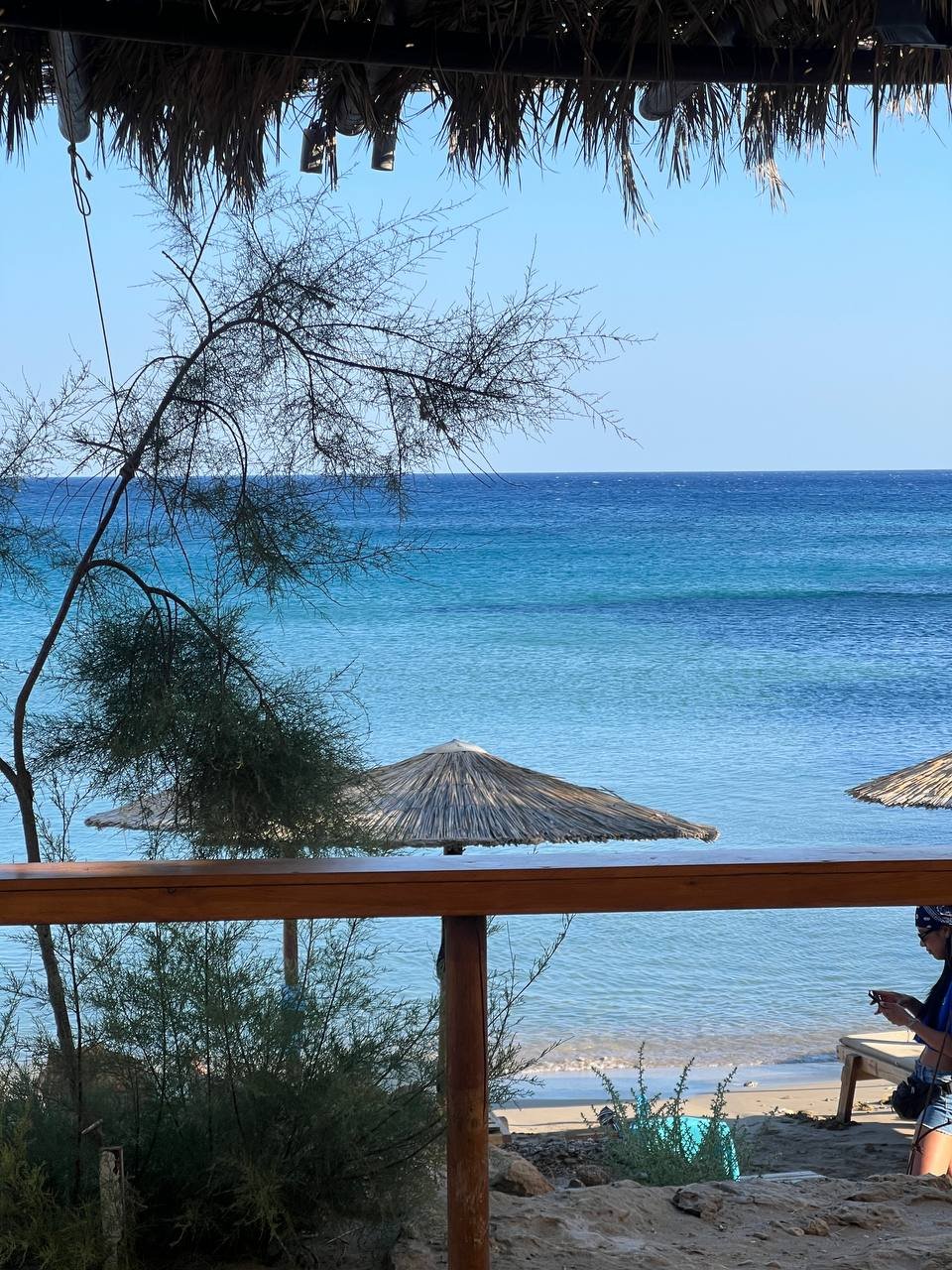
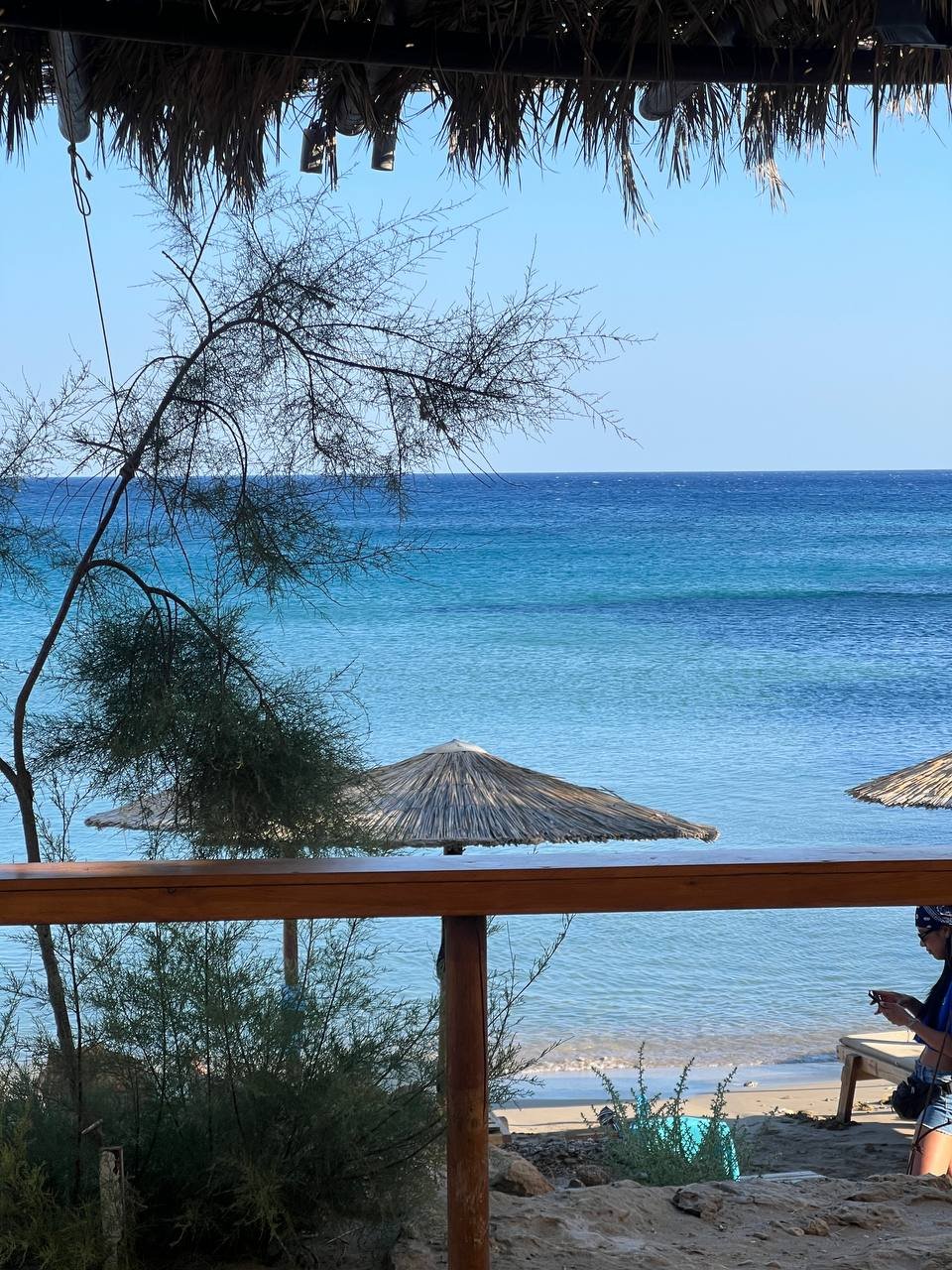
Crete's sea temperature reaches 26–28°C in July and August, making night swimming in Crete genuinely comfortable well past sunset. Most organised beach operators pack up by 19:30–20:00, leaving the water to late swimmers. Top spots by region:
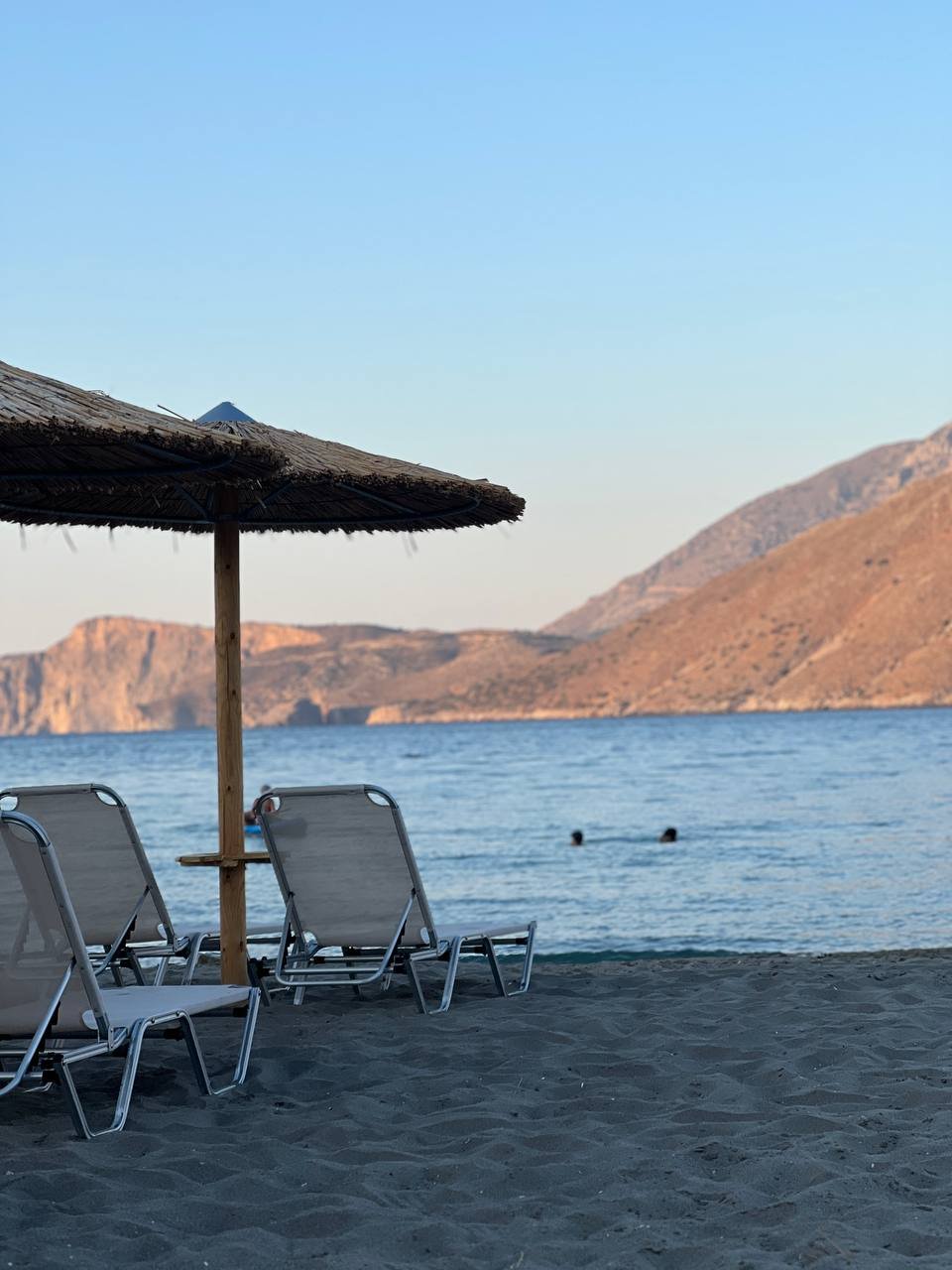
- Falassarna (Chania): West-facing, long sandy beach. Sunset at 21:08 in July. Shallow entry, sandy bottom, no submerged rocks. Free parking 500m from shore. One of the best crete beaches at night summer spots on the west coast.
- Elafonisi: Pink-sand lagoon facing southwest, maximum depth 1.5m — suited to families. Last sunbeds clear by 19:30. Located 76km from Chania city. Zero artificial lighting after dark; bring a waterproof torch.
- Balos: Reachable by 4x4 on 15km of dirt road from Kissamos (45 min) or by ferry (€18 round-trip from Kissamos port). Day-trippers gone by late afternoon. Isolated, calm, exceptional water clarity.
- Agia Pelagia: Sheltered bay 22km west of Heraklion. Protected from meltemi on most wind orientations. Tavernas with sea-view terraces open until 23:00 — dinner then swim. Check current wind conditions before choosing a north-coast beach.
- Vai: Palm-backed beach 24km north of Sitia. Empty by 20:30, zero light pollution. One of the best sites on the island for stars and bioluminescence spotting in August.
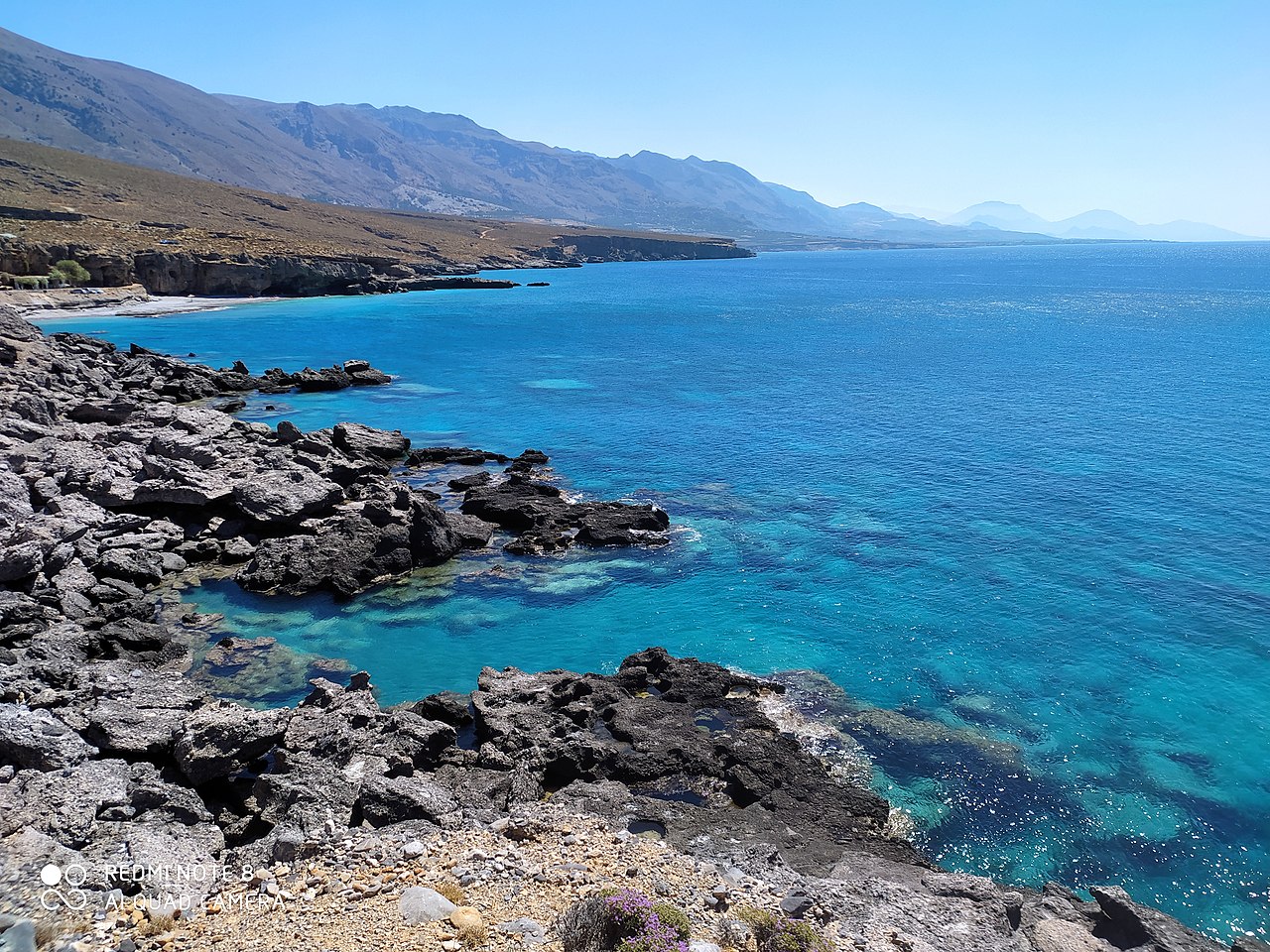
- Xerokampos: 45km southeast of Ierapetra. No facilities after hours. One of the darkest and most isolated night swimming locations on the island.
Bioluminescence in the Cretan Sea
The crete bioluminescence sea phenomenon is caused by Noctiluca scintillans, a dinoflagellate plankton that emits blue light when physically disturbed. It occurs in the Mediterranean but remains subtle — expect faint blue sparks when you move your hands through the water, not the vivid glowing waves seen in tropical destinations. Manage expectations accordingly.
Conditions that maximise your chances:
- Season: August–September, when sea temperature peaks at 26–29°C
- Moon phase: New moon or thin crescent — minimal ambient light is essential
- Wind: Calm nights, Beaufort 1–2 maximum
- Locations: Enclosed bays with slow water exchange — Mirabello Bay near Elounda, the Spinalonga channel, sheltered coves around Pseira island
- Time window: 22:00–02:00 gives the best light contrast
If you plan to explore remote bays at night, yacht charter routes around east Crete pass several sheltered anchorages that regularly show bioluminescence in August. Anchoring overnight is the most reliable way to access these spots without returning to a car park in the dark.
Swimming at Sunset in Crete: Timing and Safety
Sunset times in Heraklion, July 2026: 21:03–21:08. West-coast beaches such as Falassarna and Elafonisi see the sun set 5–8 minutes later. Arrive by 20:00 to secure parking before the post-dinner crowd. Water temperatures by month:
- June: 23–24°C
- July: 25–27°C
- August: 26–28°C
- September: 25–27°C
- October: 22–24°C
Safety rules for swimming at sunset in Crete and after dark:
- Never swim alone at unguarded beaches after dark
- Meltemi winds can intensify overnight — 1–2m swells on north-facing beaches are possible even after a calm afternoon. Check recent meltemi reports before planning an evening at a north-coast beach.
- Red or yellow daytime flags indicate conditions that remain dangerous after sunset
- Mobile signal is absent at Balos, Xerokampos and Vai after 21:00 — inform someone of your location
- Sea urchins are common on rocky entries — use water shoes or choose a sandy access point
- Bring a waterproof head torch: car parks at remote beaches are completely unlit
For an evening that combines a late swim with other activities, several open-air cinema venues in Crete 2026 are within 10 minutes of the sea in Heraklion and Rethymno, with screenings starting at 21:00 — finishing in time for a midnight dip.