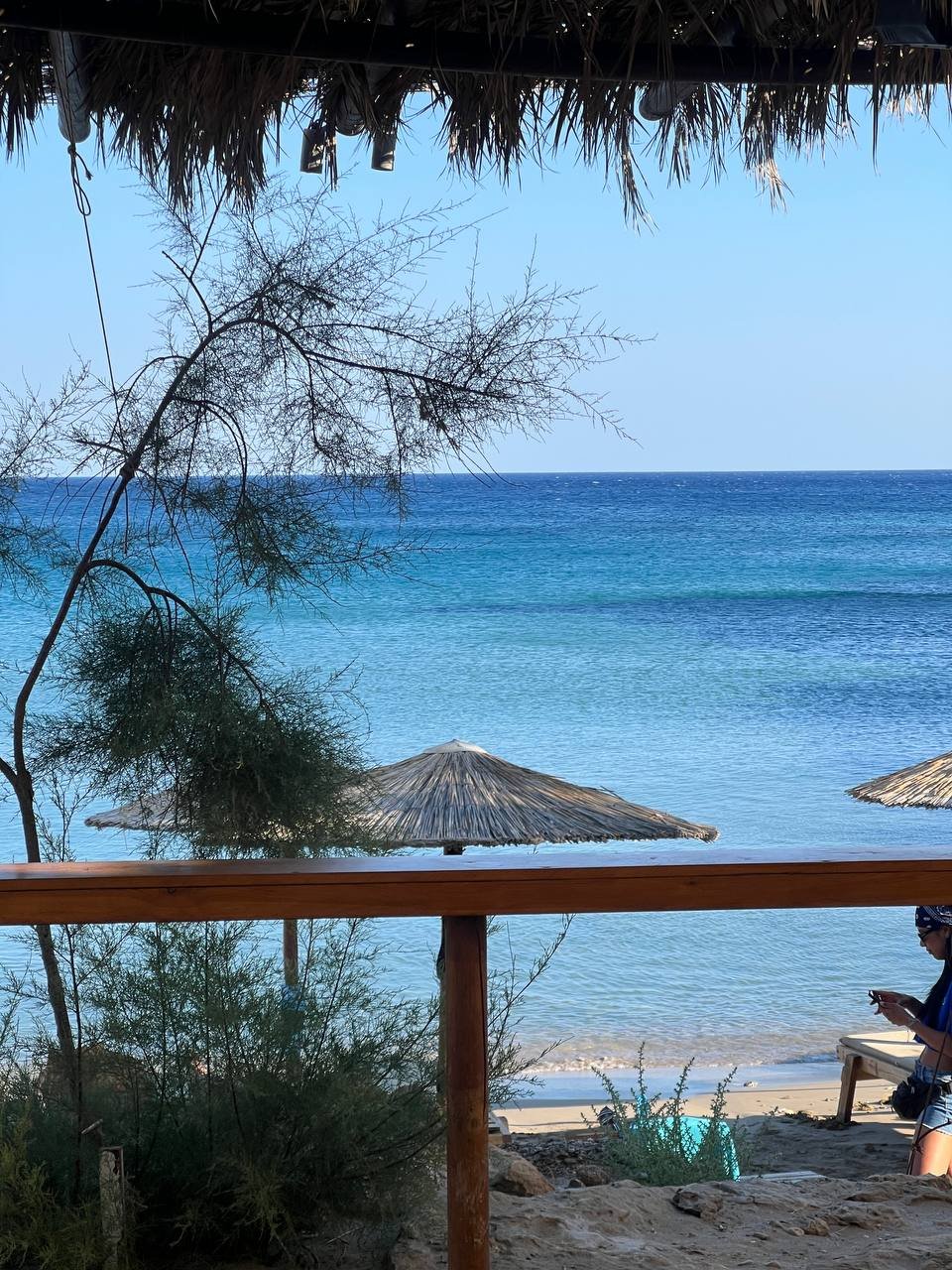
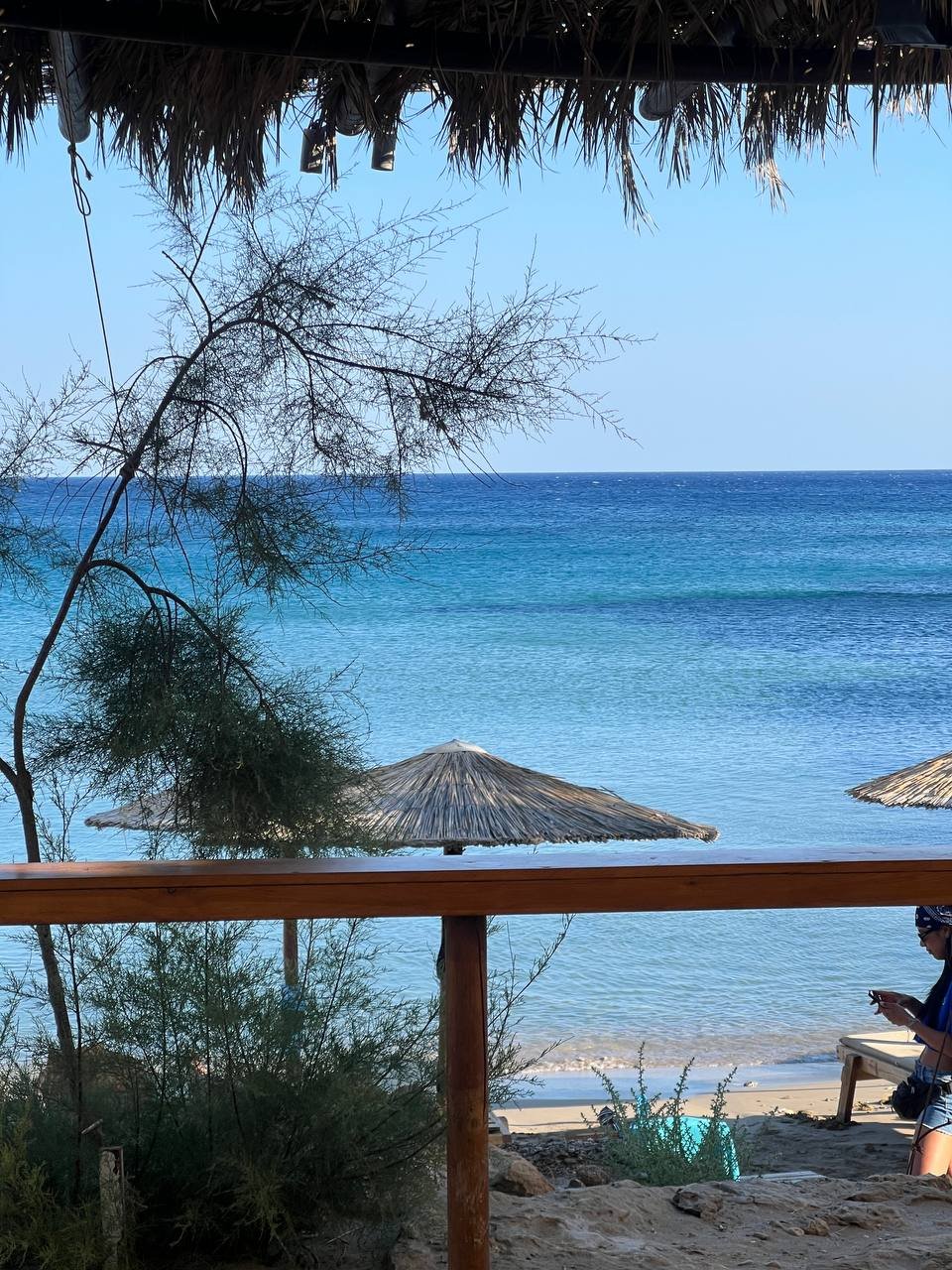
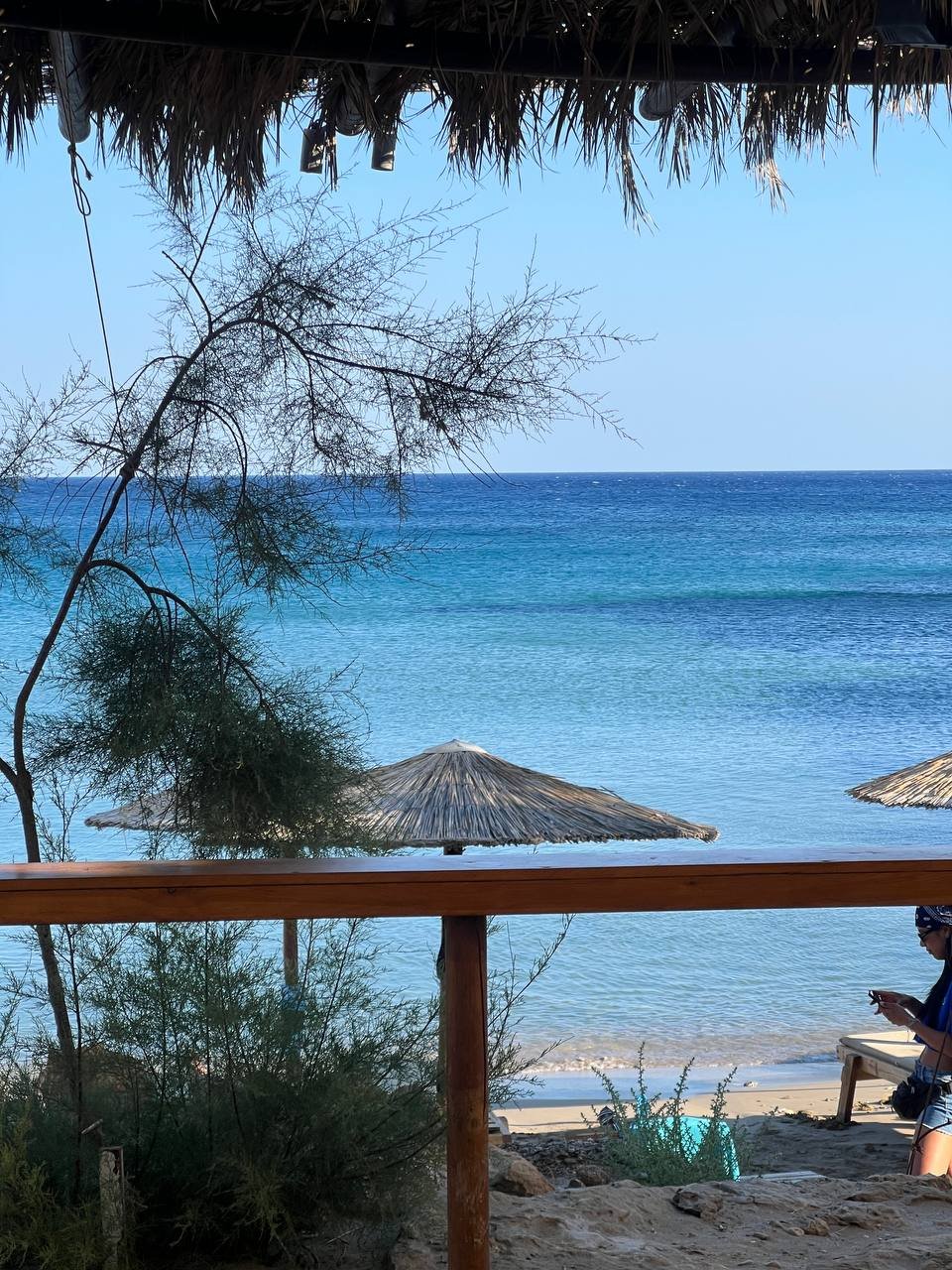
Every travel blog in Greece has published the same photograph: a curved lagoon of turquoise water, pale pink-white sand, and not a person in sight. That photograph is of Balos. It was taken at dawn in May, probably from a drone, before the first ferry of the season had made a single crossing. By noon on a Saturday in August, the scene involves roughly 1,500 people, a dozen moored boats, and water that has been churned from crystal to a pale milky blue.
We are not saying Balos is a bad beach. The terrain is genuinely striking. We are saying the version you have seen replicated across travel content requires specific conditions, timing, and a fair amount of luck that most summer visitors do not get. This article gives you the unfiltered numbers so you can decide whether the trip is worth building your itinerary around.
- The photographs are real. The experience is not.
- Hike or ferry: two imperfect options
- A day at Balos costs more than you think
- 2,000 people, one lagoon
- The water is not what you expect
- The only time Balos actually delivers
- West coast beaches with better water
- The honest verdict
The Photographs Are Real. The Experience Is Not.
The photographs of Balos share one technical characteristic: they are taken from above. Drone shots flatten the crowds, hide the boat exhaust, and compress scale so that the beach looks like a private discovery. At ground level, Balos is a narrow strip of land wedged between the open sea and a shallow lagoon. The total usable beach area is not large. When 1,500 people attempt to spread out on it, no version of that day feels secluded.
The sand, often described as pink or white in travel content, is a mix of crushed shells, coarse salt crystals, and gypsum. It photographs well and sticks aggressively to wet skin. It also reflects heat in a way that makes barefoot walking uncomfortable by mid-morning. Shade is limited to a narrow band near the rocks at either end of the beach.
There are no beach bars, no loungers for hire, and no running water at Balos itself. A small kiosk operated by the ferry company appears on busy days. If you need shade, you brought it. If you need a proper meal, you either packed it or you paid boat prices for it. Knowing this in advance changes how you prepare for the day.
Hike or Ferry: Two Imperfect Options
There are two ways to reach Balos. The first is by ferry from a port on the north-west coast, a crossing that takes approximately 45 minutes each way. Ferries run multiple times daily in peak season, with the first departure typically around 10 AM. Round-trip tickets cost approximately 30 to 35 euros per adult in 2025. The boats fill quickly on summer weekends. You arrive when everyone else arrives, share the beach with every other passenger, and leave when the ferry schedule dictates.
The second option is to drive to a hilltop parking area and walk down a 1.5-kilometre path on foot. The descent takes 20 to 30 minutes on a dry, exposed track with no shade. The ascent on the return, after several hours on the beach in 35-degree heat, takes 30 to 45 minutes and is more demanding than most visitors anticipate. Several people require assistance on that path each summer. This is not a reason to avoid it, but it is a fact that travel content consistently omits.
The access road to the parking area is unpaved and rough. It is passable in a standard rental car but punishing at speed. Drive slowly and add 20 minutes to your journey time each way.
A Day at Balos Costs More Than You Think
A day at Balos carries costs that travel blogs rarely itemise. Here is a realistic breakdown for two adults:
By ferry:
- Ferry tickets (round trip x2): 60 to 70 euros
- Parking at the ferry port: 5 to 8 euros
- Food and water on board or from the kiosk: 20 to 30 euros
- Total: 85 to 108 euros for two people
By car and hike:
- Fuel from the west coast: 10 to 15 euros
- Parking at the trailhead: 5 euros
- Food and water packed from town: 10 to 15 euros
- Total: 25 to 35 euros for two people, plus the hike both ways
Neither figure is prohibitive by resort standards. The relevant point is that this is a full-day commitment with a fixed schedule attached to it. If Balos disappoints on arrival, there is no easy pivot. You are either on the ferry timetable or you are hiking back up to your car in the afternoon heat. Build contingency into the day before you commit to it.
2,000 People, One Lagoon
During peak season, daily visitor numbers at Balos regularly exceed 1,500. On weekends and Greek public holidays, ferry operators estimate figures closer to 2,000. No formal daily access cap was in place as of 2025, though Greek authorities have discussed the issue periodically without reaching a binding resolution.
The practical consequence is that Balos operates as a mass-tourism site during high season, not as a quiet lagoon. The central area of the beach, where most travel photographs are framed, is occupied throughout the day. Finding a spot where you are not within two metres of another group requires arriving before 10 AM or waiting until after 5 PM.
Wildlife historically associated with the lagoon, including flamingos that occasionally used it as a staging post during migration, is largely absent during peak months. Visitors in April, May, and September still report occasional sightings. In July and August, this is not a feature you can plan around.
The atmosphere is consistent with a busy urban beach in high season. If that is not what you came to Crete for, plan the visit for the shoulder season or accept that Balos in August is a materially different place than the one in the photographs.
The Water Is Not What You Expect
The colour of the lagoon at Balos is genuinely distinctive. In low light, in good conditions, with few visitors, the turquoise-to-white gradient near the shallows is as striking as any photograph suggests. This part of Balos's reputation is not inflated.
The complication is depth, or the lack of it. Most of the lagoon sits between 50 and 80 centimetres deep. Shallow water heats rapidly, reaching 28 to 30 degrees Celsius in high summer. This is comfortable for wading but there is no cooling quality to it. Visitors who have spent a week swimming in the open sea or in deeper coves consistently describe the Balos lagoon as warm and flat.
Shallow water also suspends sediment easily. When several hundred people move through a small enclosed body of water simultaneously, visibility decreases and the distinctive colour shifts toward a pale milky blue. The turquoise-clear effect requires low density, calm conditions, and ideally morning light. On a crowded afternoon in August, none of those are guaranteed.
The open-sea side of the beach is a different experience: deeper, cooler, and significantly less visited. If you go to Balos, spend time on both sides. Most visitors do not bother with the seaward side and miss the better swimming.
The Only Time Balos Actually Delivers
There is a version of Balos that closely matches its reputation. It requires either shoulder-season timing or deliberate planning within peak season.
Best overall window: Late April through mid-June, or mid-September through October. Visitor numbers drop sharply, water clarity is at its best, and temperatures remain warm enough to swim. Ferry service runs but on a reduced schedule, so verify departure times before you travel.
Best within peak season: Take the first ferry of the day on a weekday. The beach empties in waves as the ferry schedule pulls people back. Arriving early and leaving by noon gives you roughly two hours at lower density before the midday surge. Alternatively, the final afternoon ferry allows a late visit with fewer people, though it compresses your beach time considerably.
Dates to avoid: The 15th of August is a national holiday in Greece and the single busiest day of the year at nearly every beach in Crete. Any other public holiday falling in summer carries a similar risk, as domestic visitors travel in large numbers on those days.
If your travel dates are flexible, the shoulder season is the straightforward answer. If they are not, the early-ferry weekday approach works but requires planning around the boat schedule, not around your own preferences.
West Coast Beaches With Better Water
If you are already in the north-west of the island to visit Balos, several beaches within the same driving range offer comparable water quality with substantially fewer visitors. None require a ferry ticket.
- Sougia Beach (south-west coast): A long, wide beach backed by a small village with tavernas. The water is exceptionally clear due to depth. Fully accessible by road, no hike required. A complete beach day without a boat schedule dictating when you leave.
- Golden Beach (west coast): Sandy, with clean water and far fewer visitors than its name might suggest. Car access, no entry cost.
- Kendrodasos (west coast): A short walk from the road leads to undeveloped coastline with clean water. No facilities, which keeps the numbers down. Bring everything you need.
- Pink Beach (west coast): Distinctive coloured sand and clear water, without the ferry infrastructure or the crowds. A short walk from a small parking area.
These are not secret beaches. They appear on maps and receive visitors. But none of them hit Balos-level density. They are the practical alternative for the visitor who wants the west coast without the logistics.
The Honest Verdict
Balos is worth visiting once, under the right conditions. If your trip covers ten or more days with flexible dates and you can reach it in May, early June, or September, it will likely meet expectations. The water is genuinely distinctive and the setting is unlike most of the island's coastline.
If your trip runs five to seven days in July or August and Balos is the primary goal of a full day, you are committing significant budget and energy to a beach that will be crowded, warm, and less striking than the photographs. The beach itself does not disappoint. The gap between the version online and the peak-season reality is where the disappointment lives.
For visitors on a short summer trip, there are quieter beaches with equally clear water that require no boat booking. Know what you are buying before you commit to the ferry.