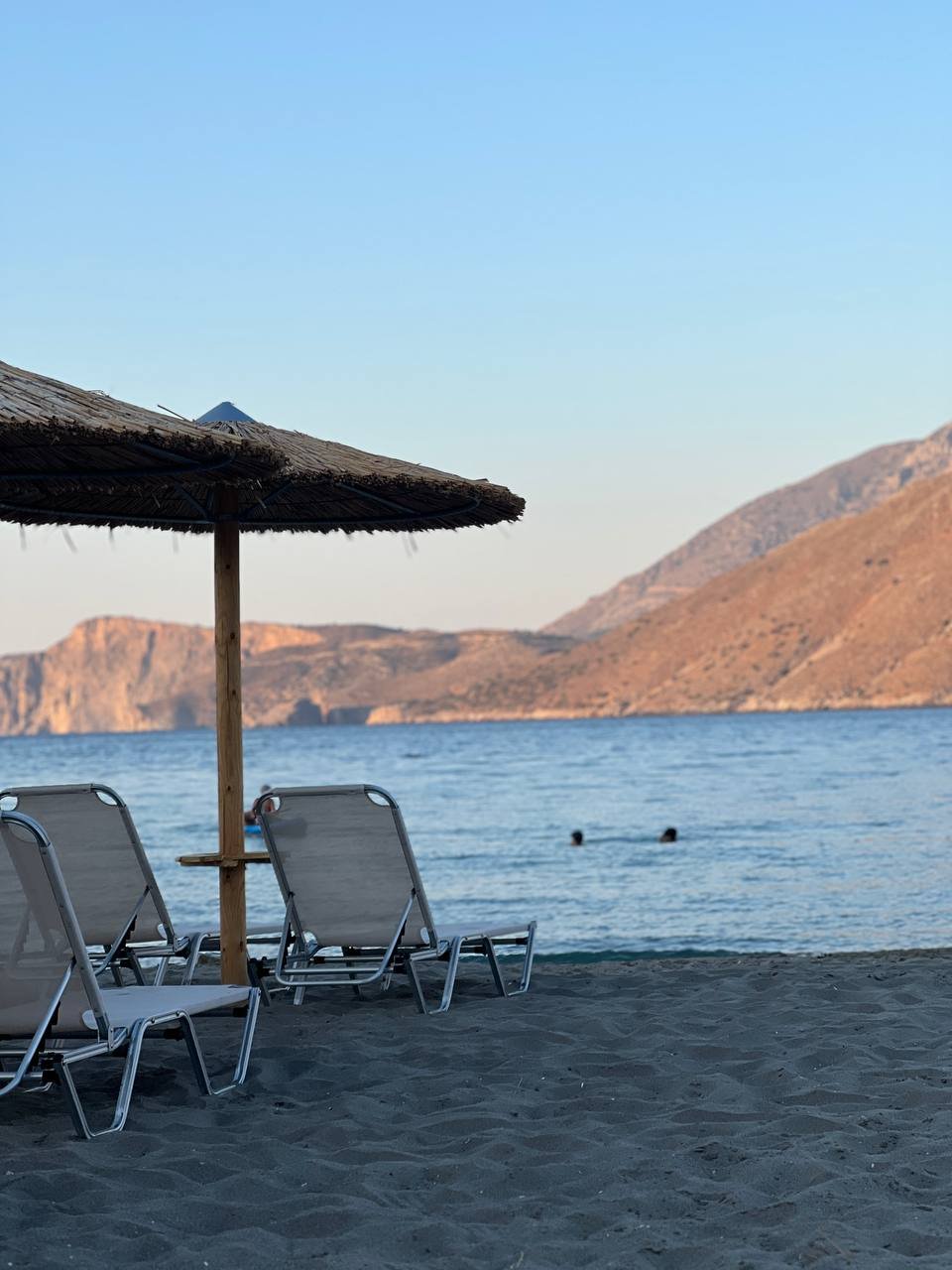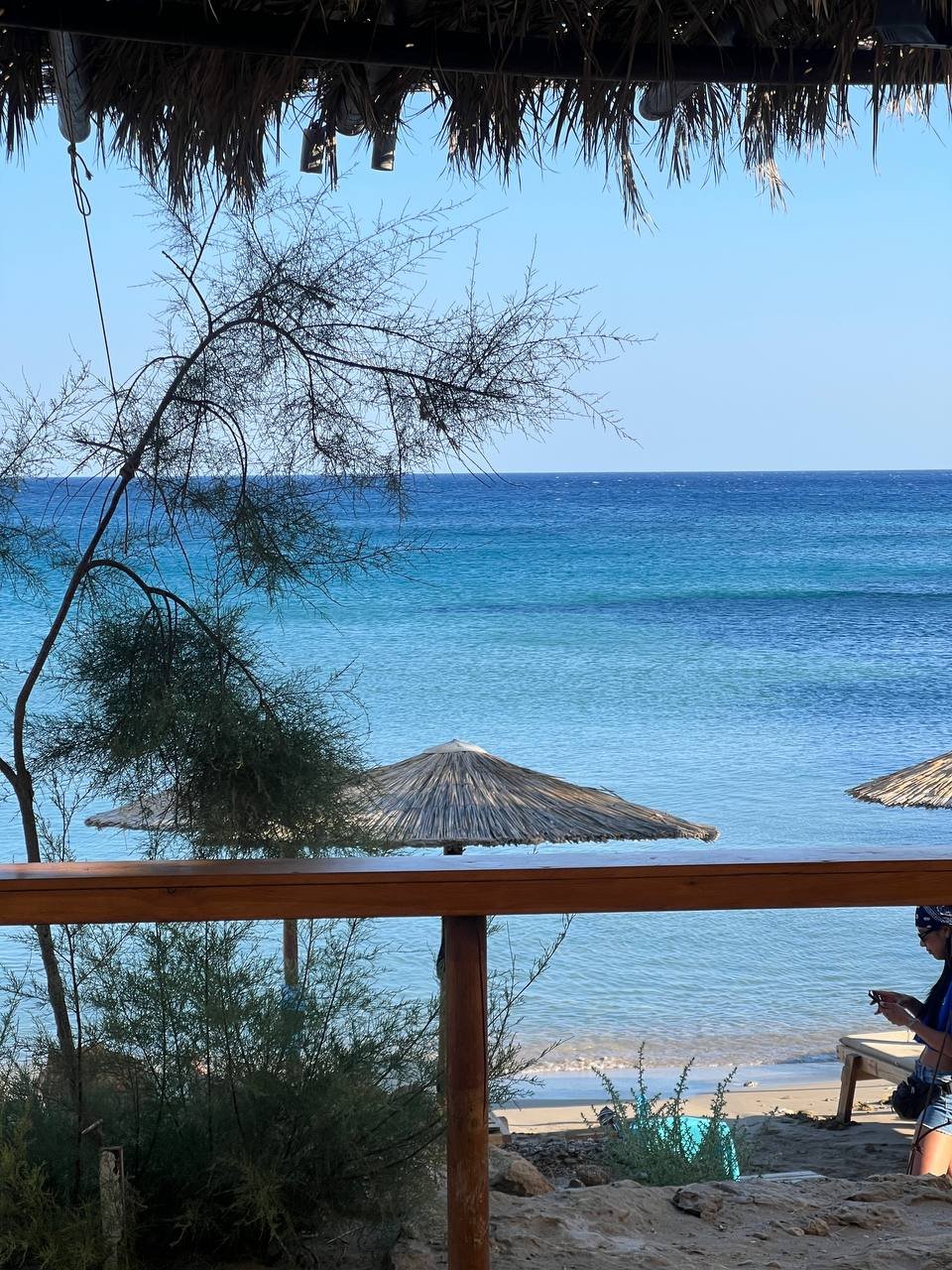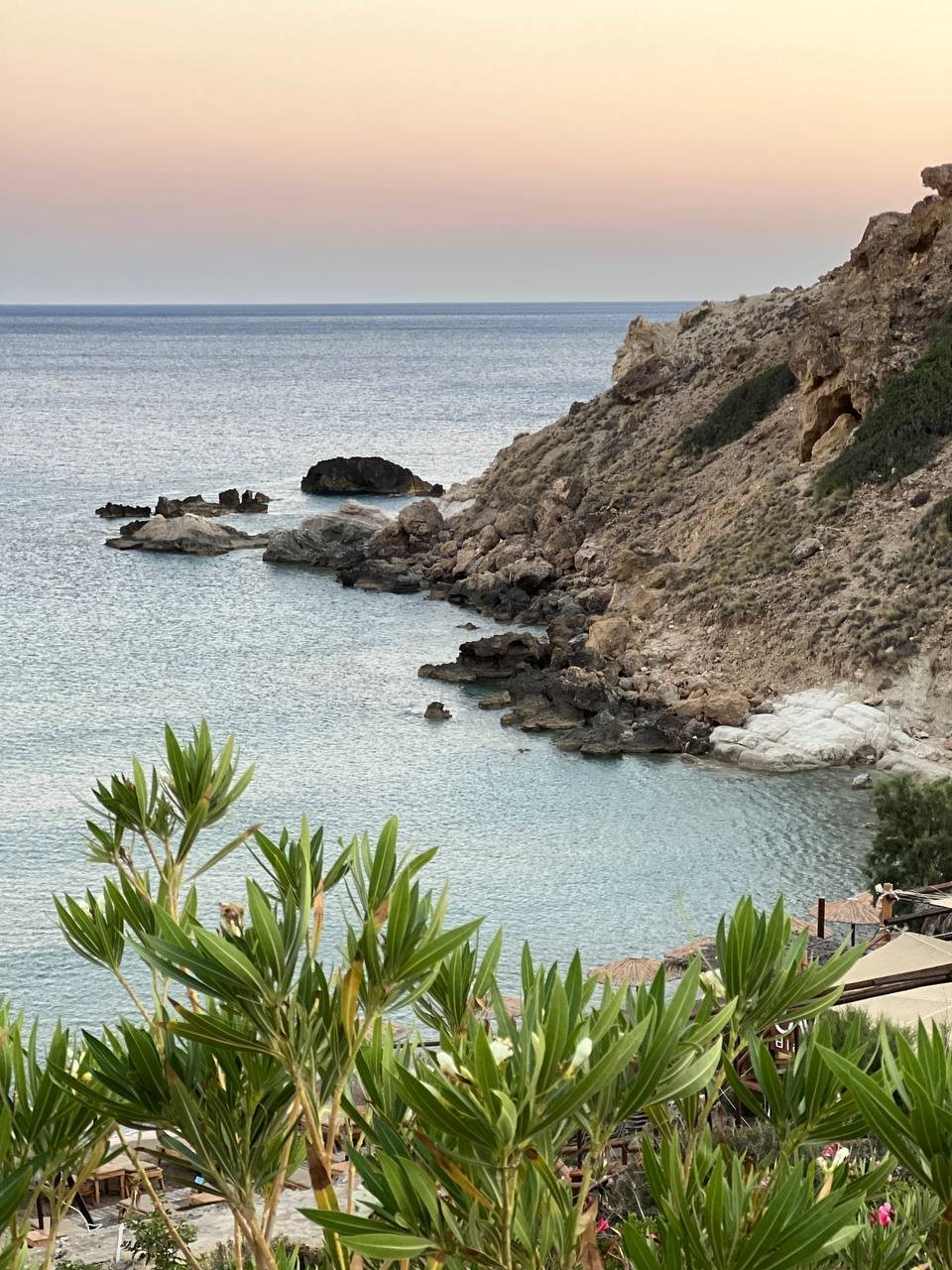
What to Expect on Crete Beaches in July and August
Crete's beaches hit their absolute peak in July and August — sea temperatures between 24°C and 28°C, water visibility of 15–20 metres on calm days, and daily sunshine averaging 12–13 hours. The downside is equally real: these are the two busiest months on the island, with the most popular beaches receiving over 4,000 visitors per day. Planning matters more than the beach you choose.
Sea water reaches 26–27°C by late July, comfortable for long swims without a wetsuit. UV index in mid-summer regularly hits 9 to 11 — classified as very high to extreme — so SPF 50 reef-safe sunscreen is non-negotiable, especially at protected marine sites like Elafonisi and Balos. For daily UV and wind conditions across the island, check our Crete Weather, 1 July 2026: Full Island Forecast before heading out.
The Meltemi wind is the defining variable of the Cretan summer. This strong northerly blows consistently from mid-July through August, gusting to Force 5–6 on the worst days. North-facing Aegean coast beaches get choppy; south-facing Libyan Sea beaches remain calm and sheltered. Travelling with young children or wanting flat water? The south coast is the right call in peak summer.
Car parks at major beaches fill between 8:30am and 9:30am in July and August. The practical rule is simple: arrive before 9am or after 5:30pm. Late afternoon works particularly well on west-facing beaches like Falasarna, where both the light and crowd levels improve after 5pm.
Best Beaches in Western Crete: Elafonisi, Balos and Falasarna
Western Crete concentrates the island's three most photographed beaches within a 60km radius of Chania. They are also the three most crowded. Knowing how to time each visit makes the difference between a good day and a frustrating one.
Elafonisi Beach sits at the southwestern tip of Crete, 76km from Chania — approximately 1 hour 40 minutes by car via the E75 and the mountain road through Elos. The beach is famous for its pinkish sand, produced by crushed shells and coral mixed with white sand, and a lagoon averaging 0.5 to 1 metre deep, shallow enough for toddlers to wade across to the small islet opposite. Water temperature in August: 26–27°C.
The reality of Elafonisi in peak summer: 3,000 to 5,000 visitors per day. The car park (5 EUR/day in 2026) fills completely by 9am. Sunbed hire runs 8–12 EUR per lounger. Arrive before 8:30am, or take a boat from Paleochora (45 minutes, approximately 15 EUR one way) to avoid the parking chaos entirely. There is a snack bar on site; no proper restaurant.
Balos Lagoon occupies the northwest tip of the Gramvousa Peninsula, 57km from Chania. The turquoise-to-pale-pink water of the lagoon and the panoramic view from the ridge above it are among the most striking sights in Greece. Access is either by boat from Kissamos port (28–32 EUR return in 2026, departures at 10am and 11am, returns at 4:30pm and 6pm) or by car via an 8km unpaved dirt track — parking costs 3 EUR but a high-clearance vehicle is strongly recommended. The boat is the better option for most visitors: it saves the tyres, skips the track, and drops you with 3.5 to 4 hours on the beach before the return sailing.
Falasarna stretches 1.5km along the northwest coast, 60km from Chania (1h 15min). It is west-facing — afternoon light and spectacular sunsets, but some Meltemi exposure from the north. The beach breaks into several distinct coves separated by rock formations, and it consistently earns Blue Flag certification. It is more relaxed than Elafonisi or Balos and attracts families and travellers who want space without a pre-dawn wake-up. Water sports (kayak, paddleboard) are available from the main kiosk. Sunbeds cost around 8 EUR per unit.
Seitan Limania (Agiou Stefanou Beach), 17km from Chania near the Akrotiri peninsula, requires a 25-minute descent on an exposed rocky slope — steep, loose gravel, and impassable in flip-flops. The cove at the bottom fits 60–80 people comfortably. In July it fits twice that number uncomfortably, with no facilities at all. The water is a surreal turquoise in calm conditions; when the Meltemi blows, the cove becomes rough. If this beach is on your list: arrive by 7:30am or expect a queue at the top of the path.
South Coast Beaches: Preveli, Sweetwater and Matala
The south coast of Crete faces the Libyan Sea, sits protected from Meltemi winds, and contains some of the island's most interesting and diverse beaches. They are generally harder to reach — which keeps crowd levels lower — and more rewarding for it.
Preveli Beach is 35km south of Rethymno (55 minutes by car). A river lined with Cretan date palms flows to the sea here, creating a sheltered lagoon behind the beach. The beach faces south, with calm warm water and good snorkelling among the boulders on either side. Access from the upper car park (2 EUR) involves a 30-minute walk down steep stone steps. The easier alternative is the boat from Plakias (approximately 12–15 EUR return, 20 minutes). The palm grove is ecologically protected; camping is prohibited and wardens enforce this actively in summer.
Sweetwater Beach (Glyka Nera), east of Sfakia on the south coast, is reachable only by boat from Sfakia port (5–8 EUR one way, 15 minutes) or by a 90-minute hike along the coastal mountain path. The name comes from natural freshwater springs that seep through the pebble beach — dig 10cm into the shingle and find drinkable cold water. No facilities. No sunbeds. No road access. It is one of the wildest beaches you can reach in summer in Crete without a private vessel.
Plakias is the most accessible south coast beach at 38km from Rethymno (50 minutes). The village has grown up around a 1.2km sandy bay. Shallow entry, no strong currents, tavernas directly on the waterfront, and a functioning bus connection from Rethymno make it the best family beach on the south coast. It also serves as the transit hub for boat trips to Preveli and Sweetwater.
Matala, on the Gulf of Messara 74km from Heraklion (1h 10min), has a calm main beach framed by the famous cave-riddled cliffs that were home to hippie travellers in the 1960s and are now an archaeological site. The village beach is organised and moderate. Red Beach, a 30-minute walk south over the headland, is a naturist beach in a more dramatic rocky setting. Both beaches receive significantly less swell than north coast beaches.
East Crete Beaches: Vai, Xerokambos and the Quiet Coast
Eastern Crete — roughly east of Agios Nikolaos — is less visited than the west but contains some of the island's most distinctive beach environments. Distances from Heraklion are long (90–160km), which naturally filters out day-trippers from the main tourist centres.
Vai Beach sits at the far northeastern tip of Crete, 95km from Agios Nikolaos and 25km from Sitia. The beach backs onto Europe's largest natural palm forest — a state-protected grove of approximately 5,000 Cretan date palms (Phoenix theophrasti), a species found only in Crete and a few other Mediterranean locations. The beach itself is wide and sandy, with calm clear water. State management keeps it from being overdeveloped: there is one taverna, an organised car park, and sunbeds, but density is controlled. Arrive before 9am in June through September.
Xerokambos, in the far southeast 30km south of Zakros, is the opposite of Vai: almost no infrastructure, multiple small coves, excellent snorkelling over rocky reef, and minimal tourist presence. The drive from Sitia takes 45–50 minutes. No sunbeds, one seasonal taverna, and three distinct beach areas to choose between. Water clarity at Xerokambos is consistently among the best on the island, with visibility exceeding 20 metres on calm days.
Istron Bay, 10km south of Agios Nikolaos on the coastal road, is a wide sandy bay with gentle entry, good for families with small children. More organised than Xerokambos, with a beach bar and water sports rental. The combination of easy access (directly off the main Agios Nikolaos–Sitia road) and calm water makes it popular with local families on weekend trips from Heraklion.
Practical Tips for Summer 2026: Timing, Rules and Sun Safety
The simplest timing rule: arrive before 9am or after 5:30pm at any major beach on Crete. The 11am–4pm window is the most crowded, the hottest, and the highest UV. Late afternoon swims are often better in every way — the water has warmed up, the light is softer, and the worst UV intensity has passed.
Parking costs: budget 3–10 EUR at organised beaches. Elafonisi and Balos run their own car parks and fill early. Seitan Limania has informal roadside parking that is free but limited. On narrow mountain access roads, never park blocking a turning point — local emergency vehicles need to pass, and fines are enforced.
New beach rules in 2026: Greece has tightened regulations on commercial use of public beaches. Sunbed concessions must now leave at least 50% of the beach area clear of equipment, with a minimum free strip of 4 metres from the waterline. In practice, this means more free space on previously over-commercialised beaches. Read our full breakdown: Greece Bans Commercial Beach Exploitation.
Sun protection: UV index 9–11 means you burn in 10–15 minutes unprotected. Apply SPF 50 before leaving the car, not when you reach the sand. At protected marine areas like Elafonisi and Balos, use mineral reef-safe sunscreen — zinc oxide or titanium dioxide-based products only. Chemical UV filters (oxybenzone, octinoxate) are damaging to the coral and shell ecosystems that create Elafonisi's famous pink sand.
Meltemi management: on days with north wind above 30 km/h, Balos (rough boat crossing), Seitan Limania (waves in the cove), and Falasarna's exposed sections become poor choices. South coast beaches — Preveli, Sweetwater, Matala — are the correct call. Current wind conditions and forecasts are in our daily briefing: Crete Today - 30 June 2026: Heat, Highways & Summer Peak.
Cash and facilities: smaller beaches (Sweetwater, Xerokambos, Seitan Limania) have no card readers. Bring cash for parking, boat tickets, and drinks. Most larger organised beaches accept cards on sunbed concessions, but cash is always faster. Water safety: jellyfish presence increases in late July and August after calm weather spells. Scan the surface before entering, tell children what to look for. Lifeguards are present at Blue Flag-certified beaches only — check the Blue Flag Greece website for the current list before visiting with non-swimmers.