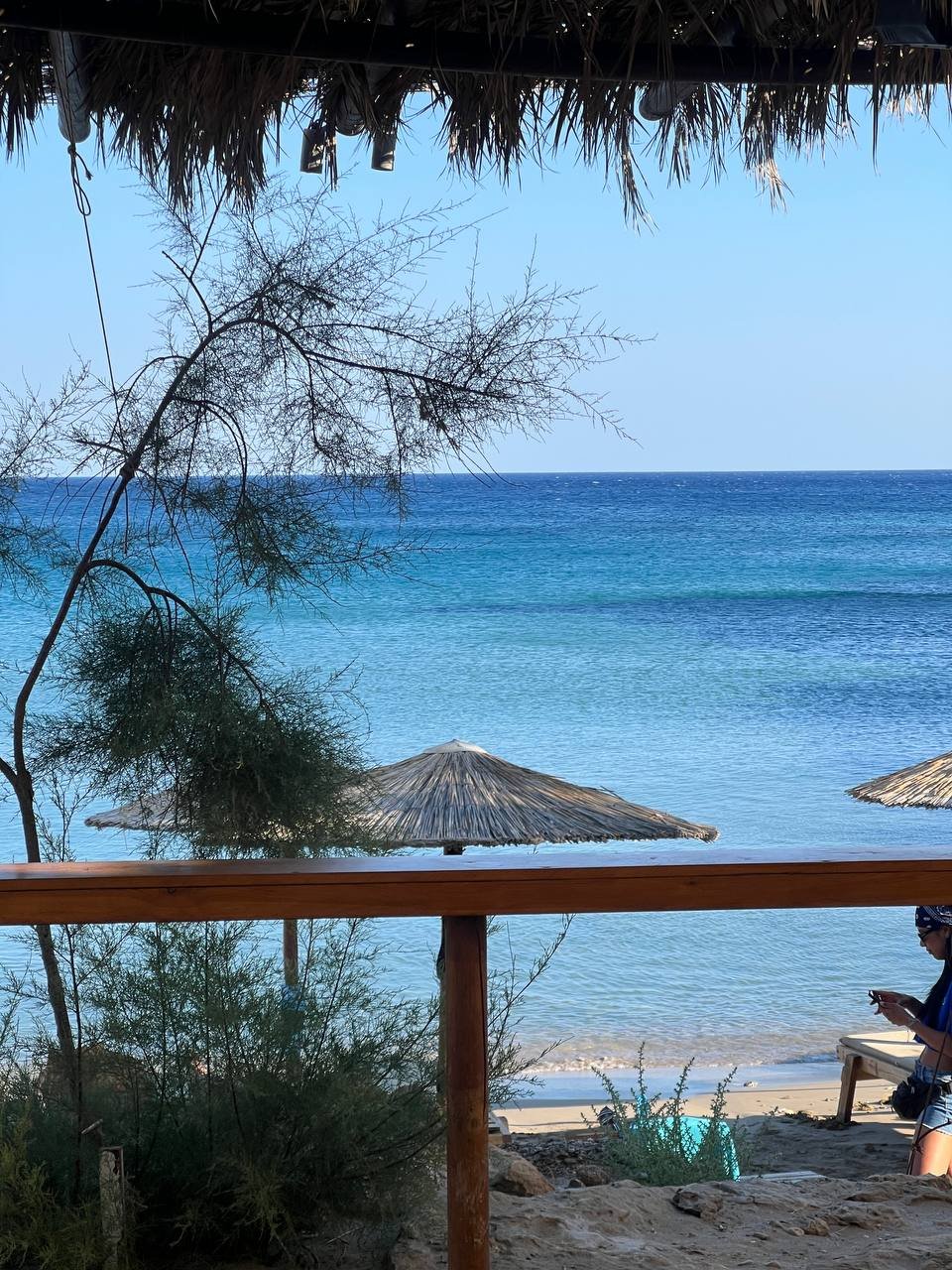
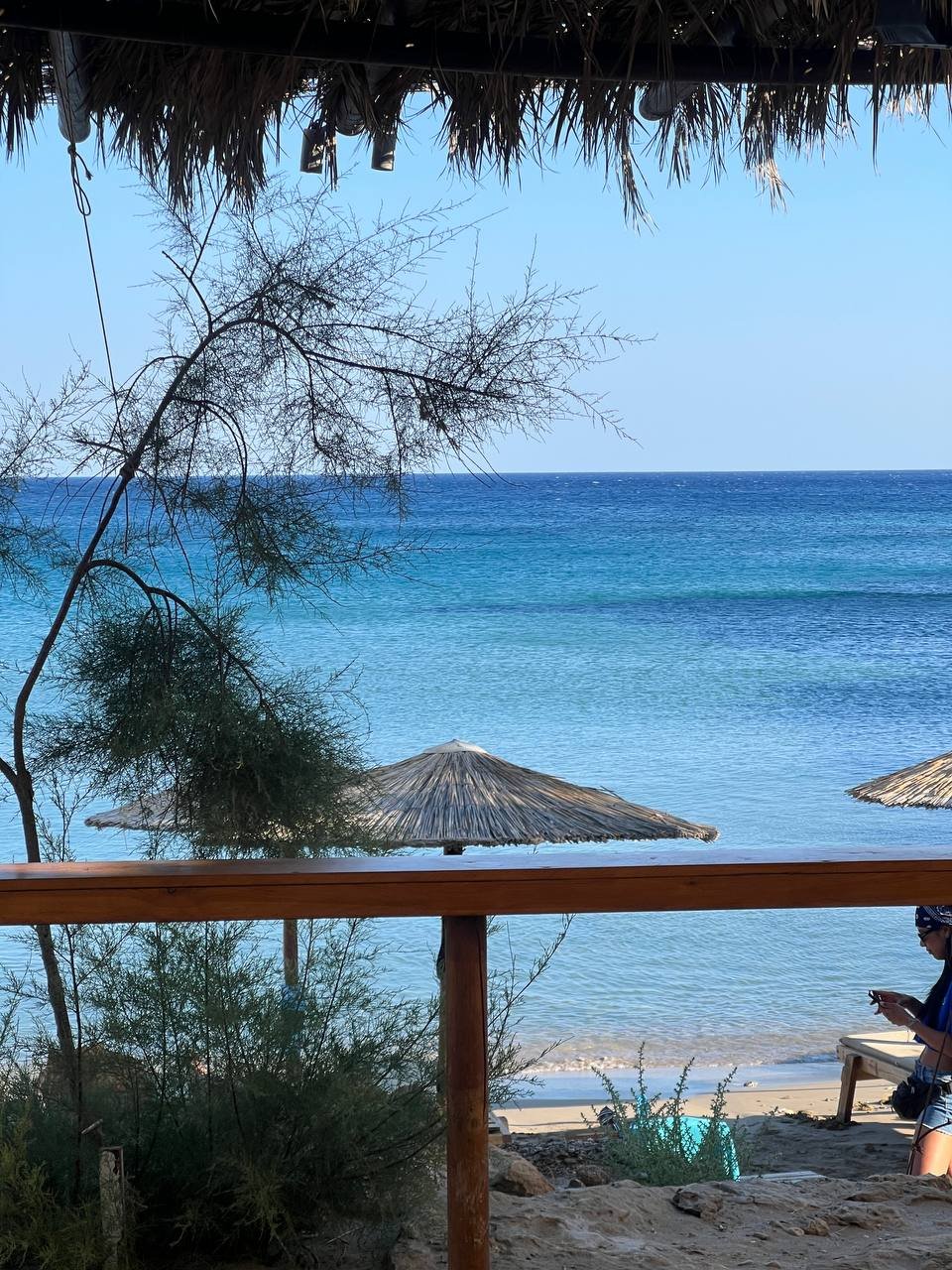
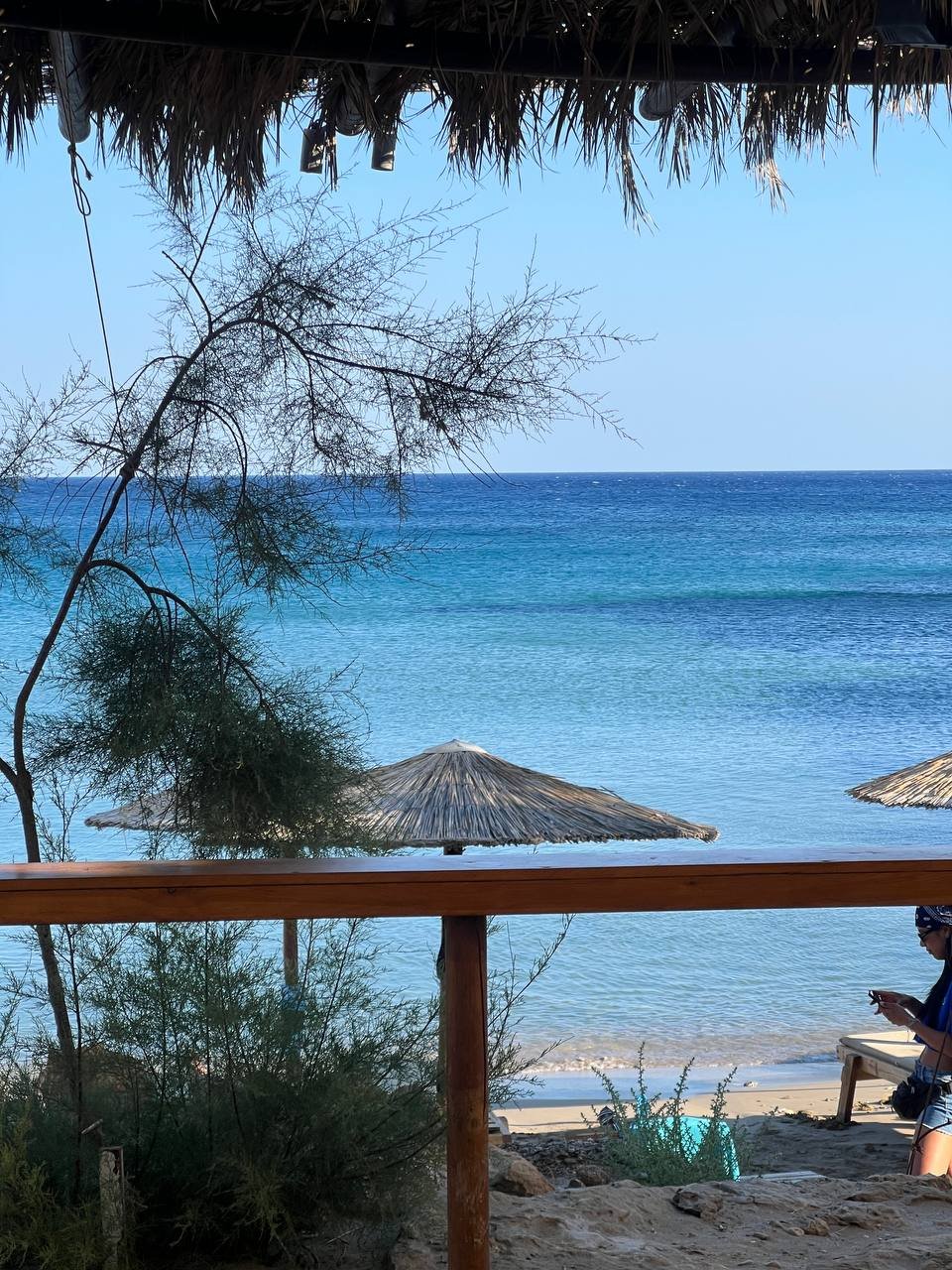
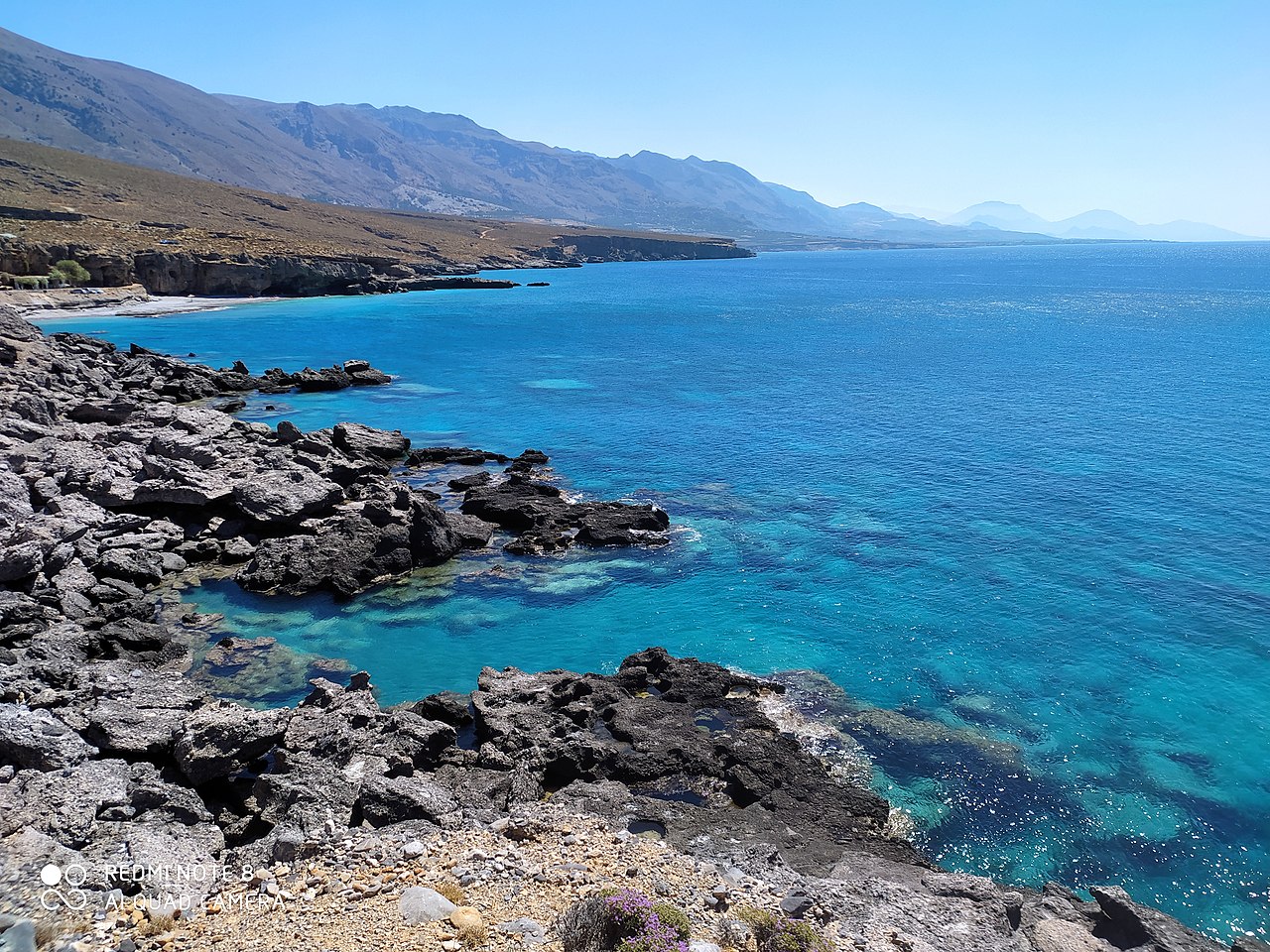
Every year, the same article gets written. "Top 10 beaches in Crete." Same five names, same drone shots of turquoise water, same breathless superlatives. And every year, visitors follow those lists into parking lots full of coaches, beach clubs charging 15 euros for a sunbed, and water so crowded you cannot see your feet.
Here is what five years on this island taught me: Crete has over 1,000 kilometers of coastline. The beaches in every major article account for perhaps 30 of them. The other 970 kilometers exist in productive obscurity, populated by locals, long-return visitors who have been coming for decades, and the occasional rental car that took a wrong turn and got lucky. This guide will not give you a ranked list. It will tell you what the lists get wrong, which beaches are genuinely worth your time, and where to go instead.
- Why "best beaches" lists fail you
- West coast vs. east coast: the geography that changes everything
- Sand or pebble: which coast to choose
- The west coast's honest picks
- Palm Beach Vai: worth the drive?
- The central coast: most underrated stretch
- East coast: the further, the better
- When to visit each coast
- The beaches to skip
Why "Best Beaches in Crete" Lists Fail You
Most beach rankings are built on one metric: how well a beach photographs from a drone at 7am in late May. They measure color saturation and visual drama, not actual experience. One famous northwest coast lagoon appears on every single list. In July, it receives up to 3,000 visitors per day via ferry, plus hundreds more who arrive by the rough track from the plateau above. The result is a sandbar packed elbow to elbow, sunbeds at 15 euros each, a floating dock of inflatable toys, and a 90-minute queue for the return boat. The water is, yes, a remarkable pale blue. You will see it between other people's arms.
The right question is not "which beach is most beautiful" but "which beach fits what I actually want." Do you want organized beach services or wild swimming? Sand or pebble? A 10-minute drive from your villa or a 45-minute hike? Different preferences require different beaches, and no ranked list can answer for all of them.
One more factor: a beach that feels manageable in late June is not manageable in August. Seasonal variation is enormous in Crete. A place that seems discovered but calm in spring becomes unworkable by the second week of July. This guide flags seasonal behavior wherever it matters most.
West Coast vs. East Coast: What Nobody Tells You
Geography is the single most useful piece of knowledge before planning beach days in Crete. The island runs east to west for roughly 260 kilometers, and the two ends have almost nothing in common.
The west coast has the best sand beaches. Prevailing winds come from the north and northwest, meaning northwest-facing beaches deal with frequent afternoon wind. Water is colder than the east coast by 2 to 3 degrees in June. The trade-off is finer, whiter sand.
The east coast (Lasithi prefecture) is more sheltered, warmer, and features more pebble-and-sand mix beaches. The drive from the island's central city to the far east takes over two hours on the northern highway. Beaches like Maridati Beach (pebblestone and sand, east coast) or the remote stretch around Karoumes reward that drive with near-empty conditions, even in August.
The central south coast, from the Rethymnon area down through Plakias, is the most accessible and varied: not empty, not coach-tour levels. Skinaria Beach and Mononaftis Beach are both within 30 minutes of the main road.
- Best sand: west coast, sheltered bays
- Warmest water: east coast, sheltered south bays
- Most accessible: central south coast, Rethymnon to Plakias
- Fewest tourists: far east, past the main highway junction
Sand or Pebble: Which Coast to Choose
Most visitors from northern Europe or North America arrive expecting sand. Crete will frequently disappoint that expectation. It does not have to be a problem if you know what to look for.
Approximately 40 percent of Crete's accessible beaches are pebble, pebble-sand mix, or shingle. Pebble beaches have real advantages. Water is clearer because there is no fine silt to churn up. They stay cleaner since debris washes off rather than burying itself. They attract fewer families with young children, which usually means quieter conditions. For snorkeling, a pebble beach is almost always preferable.
Sand beaches are concentrated on the west coast and a few spots on the south central coast. Plakias Beach is a long sandy arc on the south central coast, organized in the center with wilder sections at both ends. Rethymnon Beach, on the north coast, is a long urban beach: sandy, convenient, and unremarkable.
The east coast's Maridati Beach delivers the honest pebblestone-and-sand mix typical of that region. Good for swimming, acceptable for sunbathing with a mat. Bring your own.
Do not choose an entire region based on substrate alone. The real experience is the sum of crowds, water quality, access, and facilities. A crowded sand beach is worse than a quiet pebble beach in almost every practical dimension.
The West Coast's Honest Picks
Sougia Beach, on the far southwest coast, is a long grey pebble arc backed by a village of roughly 400 year-round residents. There is no resort infrastructure. The tavernas on the seafront serve real food at local prices. The beach is wide enough that even in August it does not feel packed.
Honest verdict: Sougia is good, not spectacular. The pebble is uncomfortable without a mat. The water clarity is excellent. The walk to Sougia Nude Beach at the western end takes about 15 minutes along a coastal path, leading to a section that is quieter still. The village has electricity and running water but unreliable internet. For people who want a beach day that feels like Crete twenty years ago, this is the closest option.
- Kalivaki Beach: small, sandy-pebble, about 10 minutes from Plakias by car. Calm in the morning, local traffic in the evenings.
- Golden Beach (west coast): larger, more exposed to northwest winds. Good on flat days, unpleasant on windy afternoons.
- Paralia Tersanas: a protected bay on the northwest coast, calm water, manageable crowds on weekdays.
- Pink Beach: genuinely unusual reddish sand from shell fragments. Not well-signed but accessible. Worth the detour.
The west coast rewards early starts and weekday visits. By 11am in July, the accessible spots are crowded. By 8am, they are yours.
Palm Beach Vai: Worth the Drive?
Palm Beach Vai is probably the most famous beach in eastern Crete and appears in every regional list. The claim: a beach with Europe's largest natural palm grove. The reality: a beach with a palm grove, an entrance fee in high season, a parking lot that fills by 9am, rows of paid sunbeds, a restaurant, and a gift shop.
The palms are real. The species is Phoenix theophrasti, native to Crete and genuinely rare. They are worth seeing. The beach under them is narrow and sandy, and in summer packed from 10am onward. The water is calm and clear, sheltered by the headland. The experience is pleasant in a managed-attraction kind of way.
If you drive 15 minutes north from Vai along the coast road, you reach Itanos Beach: ruins of an ancient city on the headland above it, no entrance fee, and a fraction of the visitors. Water quality is equivalent. Itanos is broader and less hemmed in. It is the better beach in every practical dimension.
Our verdict on Vai: arrive before 8:30am or after 5pm, skip the sunbeds, spend 45 minutes, look at the palms. Do not structure a full day around it.
Other reliable east coast options near Vai: Krinakia Beach, Paralia Lagada, and Paralia Vlichadia all offer the same sheltered bay experience without the entrance fee or the crowds.
The Central Coast: Crete's Most Underrated Stretch
The south central coast, running south from the Rethymnon area through the Plakias bay, contains the island's most reliable mid-range beach options. You can reach them without a 4x4, find them without a detailed paper map, and still be somewhere that does not feel like a package holiday corridor.
Plakias Beach is the main reference point: a 1.5km arc of sand and fine gravel, backed by a village with accommodation and tavernas. Organized in the center, wilder at both ends. Afternoon current gets strong when the west wind picks up. Full sun all day.
Skinaria Beach, east of Plakias, is smaller, pebbly, and known locally for exceptional snorkeling clarity. No beach service infrastructure, which keeps the numbers manageable.
Mononaftis Beach is accessible from the main coast road and popular with families based around Rethymnon. Organized in the center, progressively less organized toward both edges.
Lygaria Beach, further along the north central coast, is a small protected cove with calm water. Good for families. The parking area fills early in high season.
Plakias remains the most honest recommendation in this zone: not empty, not overrun. The beach is long enough that you can always find a space, and the village behind it functions year-round.
East Coast Beaches: The Further, the Better
The single most useful rule for east coast planning: the further you drive from the central airport, the better the experience. Most tourists stop at the first beach sign after 45 minutes of highway driving. The beaches at the far end of the island are structurally protected from overcrowding because the drive alone filters out casual visitors.
Maridati Beach fits this pattern exactly. Pebblestone and sand, east coast, reached via secondary roads. The reward is water clarity notably better than anything within 30 minutes of the main city, and crowds that remain thin even in the first weeks of August.
Karoumes is another east coast option with genuinely limited access. The approach road is rough. The beach is a series of small coves rather than one organized arc. No services. Bring water and food.
Itanos Beach sits at the far east, with ruins of an ancient city on the headland above it. Sandy, broad, managed by the archaeological service which keeps commercial development off the beachfront. One of the most historically interesting swimming spots on the island.
Kakkos offers a sheltered bay with calm water, suitable for swimming when the north wind makes other beaches choppy. Moni Kapsa Beach, at the extreme southeast, sits at the base of a monastery carved into the cliff. Pebble beach, extraordinary setting.
When to Visit: Month by Month
The right beach depends as much on the month as the location. Most generalist guides ignore this entirely.
July and August: The north coast is the worst choice for beaches in peak summer. The meltemi, the persistent north wind that dominates Crete's summer weather, makes north-facing beaches choppy and often unpleasant by early afternoon. The south coast is sheltered from the meltemi. Plakias Beach, Sougia Beach, and south-facing east coast beaches are the strongest choices in peak season.
June and September: The best months. Water is warm (24 to 26 degrees Celsius), crowds are at roughly 60 percent of peak levels, and the meltemi is weaker. All regions are viable. North coast beaches work well in this window: organizational advantages outweigh the wind risk.
May and October: Water in May is cold on the west coast (17 to 19 degrees) and more manageable on the east (19 to 21 degrees). Many beach tavernas are open with reduced hours. East and south coasts are notably emptier than in summer.
- Peak season, south coast: Plakias Beach, Sougia Beach
- Peak season, east coast: Maridati Beach, Itanos Beach
- Shoulder season: all coasts viable, north coast included
- Off-season: empty beaches, cold water, no services
November to April: Most beach infrastructure is closed. Water drops to 15 to 17 degrees. Beaches are empty and often beautiful. For the committed swimmer only.
The Beaches You Should Actually Skip
This section will generate the most disagreement. That confirms it is the most useful part.
Rethymnon Beach (central coast): long, sandy, urban, and functional. If you are staying in Rethymnon town and need a 10-minute walk to the sea, it serves that purpose. As a destination in its own right, it is a municipal beach amenity, not a travel experience. Drive 20 minutes south and find something better.
The beaches on the north coast near the island's main city: these are local amenity beaches, not tourist destinations. Water quality is inferior to the south coast. They fill with city residents in summer. Avoid them unless you are based there without a rental car.
Any beach described as "secret" or "hidden" in a travel blog with more than 10,000 monthly readers: the secret ended when the article published. Some spots remain manageable despite the coverage. Others have become seasonal disaster zones, following the predictable cycle of discovery, saturation, and degradation.
The genuinely uncrowded beaches in Crete are found by asking the person who manages your accommodation, not by reading articles. Use guides to eliminate bad choices. Use local knowledge to find the good ones. The two functions are different, and confusing them is the source of most bad beach days.
The Honest Verdict
Crete's beaches are genuinely excellent. The problem is not the beaches, it is the concentration of information. The same ten locations receive 80 percent of the coverage and, as a direct result, 80 percent of the visitors. The other 900 kilometers of coastline exist in relative peace.
This guide points toward less-covered options based on verified local beach data. But the most reliable method is still the oldest one: rent a car, take a coast road you have not read about, and stop when something looks right. The beach that will matter most from your trip is probably not in any article, including this one.