Seitan Limania: Akrotiri's Most Spectacular Hidden Cove
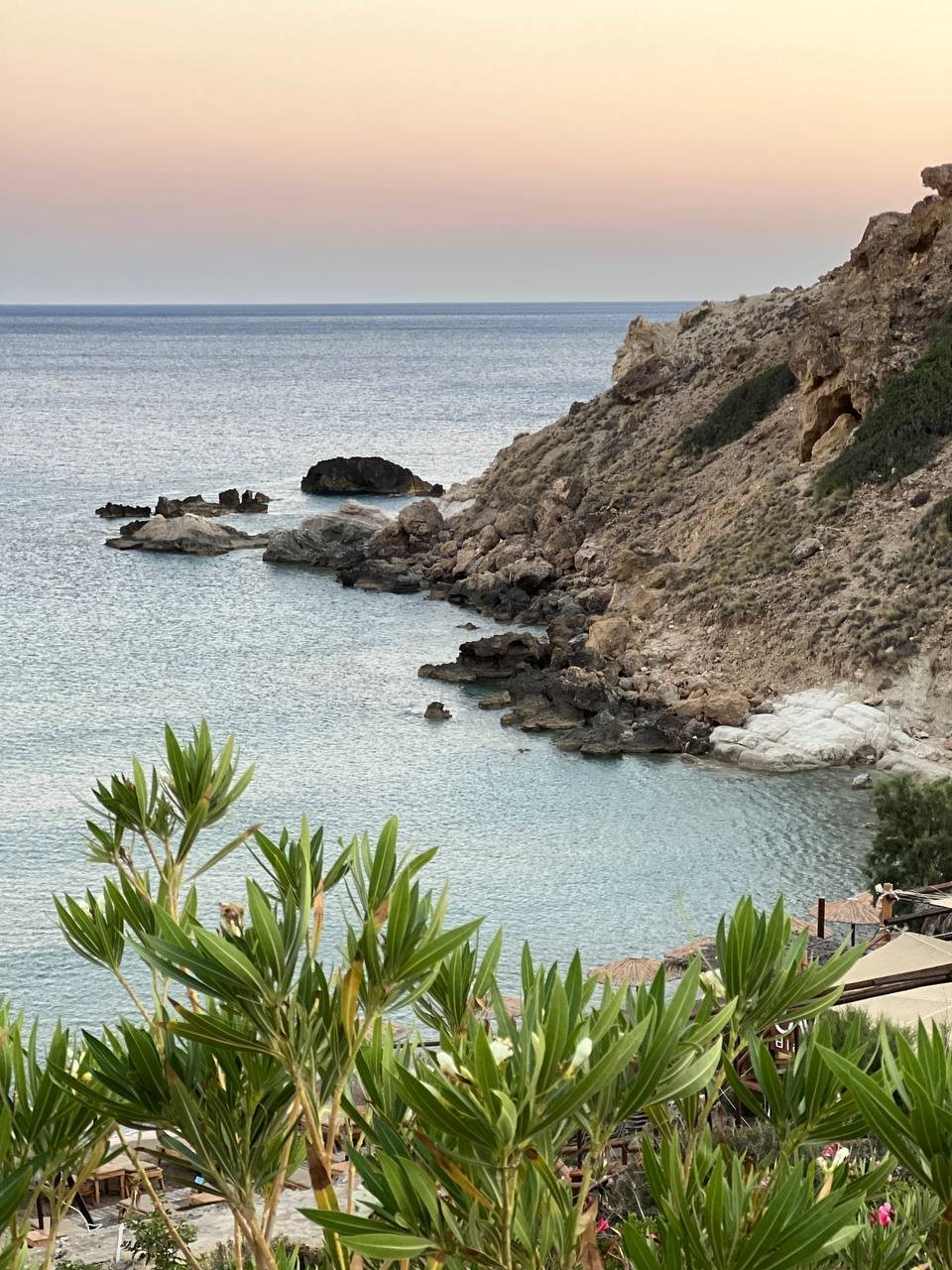
Seitan Limania — Greek for "Devil's Ports" — is a pair of narrow turquoise coves carved into the limestone cliffs of the Akrotiri peninsula, roughly 20 km northeast of Chania city. Despite its growing reputation on travel platforms, it remains one of the most striking hidden beaches in Chania, Crete, partly because reaching it requires effort that deters casual visitors.
The two coves are small — combined, they hold perhaps 60–80 people before feeling crowded — with no sand: the shore is coarse gravel and flat rock. What draws visitors is the water: exceptionally shallow near the entry points, it shifts from pale aquamarine to deep cobalt within metres. On a clear August morning, underwater visibility exceeds 15 metres.
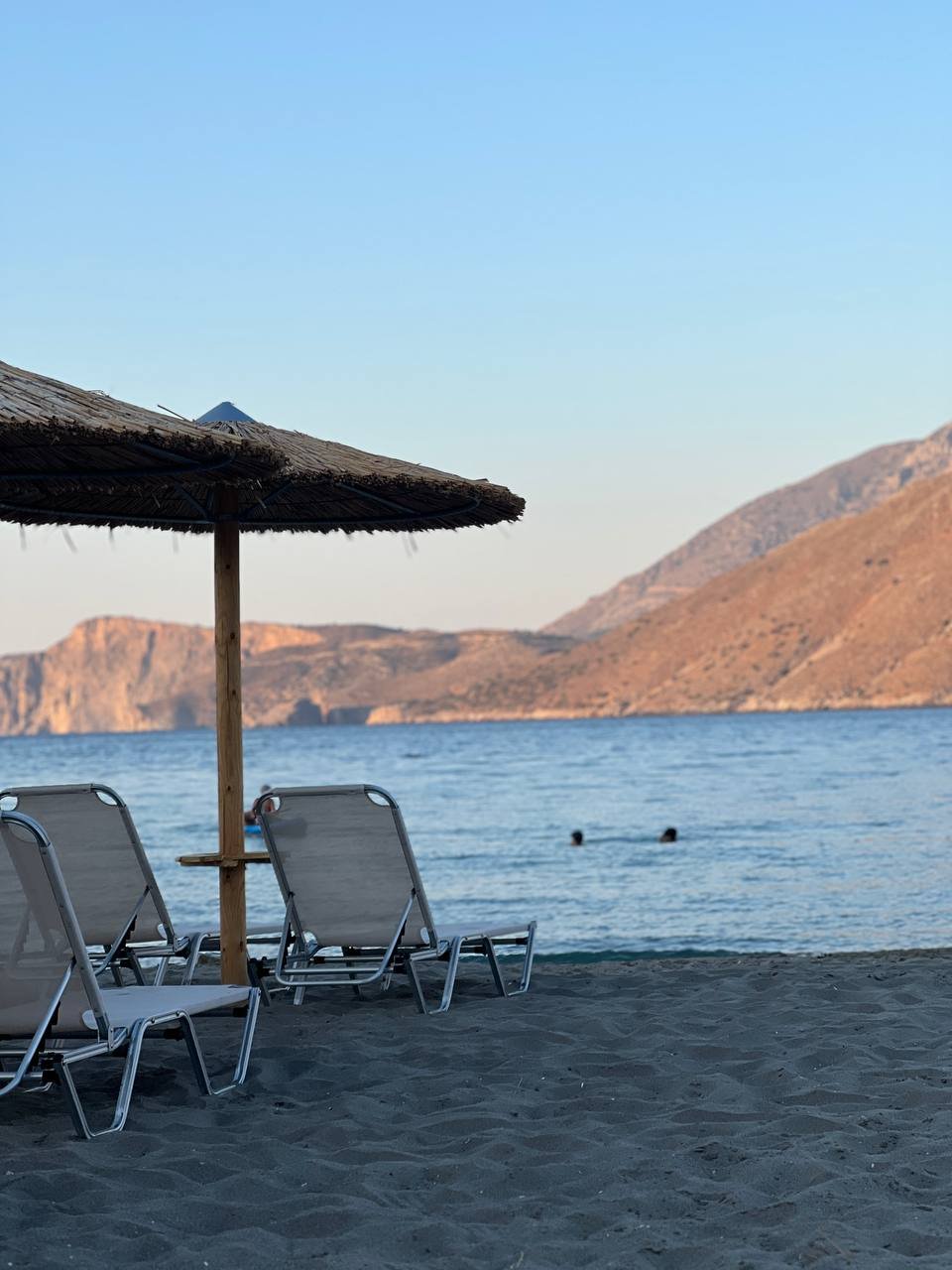
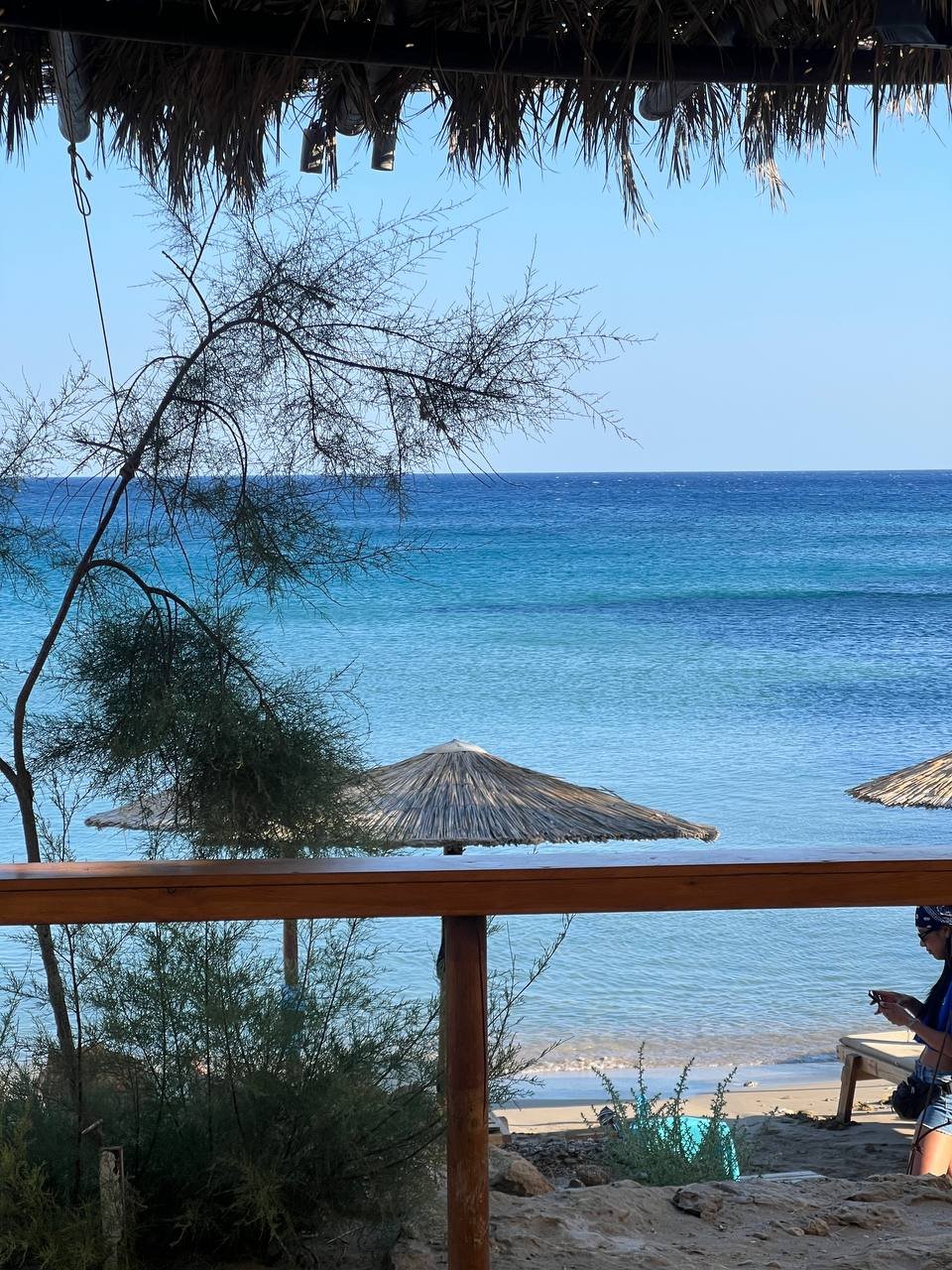
There are no facilities whatsoever. No sunbeds, no umbrellas, no kiosk, no toilets. Bring everything you need, and take everything back with you.
Getting to Seitan Limania: Access, Parking and the Hike Down
From Chania, take the road toward Akrotiri (direction Souda or Stavros). At the village of Kokkino Chorio, follow signs for Seitan Limania / Stefanou Beach. The final 2 km is a narrow, partially unpaved track — passable in a standard car but tight for larger vehicles. Locals and rental cars share the same single-track road.
Parking is informal and roadside near the trailhead. In July and August, spots fill by 9:00 am. Arriving after 10:00 am means parking 400–600 metres back along the track and walking on uneven surface in full heat.
From the parking area, the descent to the beach takes 10–15 minutes. The path is steep, loose in sections, and has no handrails. Flip-flops are genuinely dangerous — wear proper sandals or trainers with grip. The return ascent takes around 20 minutes in the sun. Bring at least 1.5 litres of water per person.
This beach is not suitable for young children, elderly visitors, or anyone with limited mobility. For a more accessible alternative on Akrotiri, Stavros Beach (15 km from Chania, flat sand, facilities) is the better choice. If you are visiting Chania for the first time, the Chania Old Town and Venetian harbor guide gives useful regional context before you head out to the peninsula.
Best Time to Visit: Season, Weather and Crowds
The beach is accessible from May through October. Peak season is July and August, when daytime temperatures on Akrotiri regularly reach 32–36°C. The meltemi wind — the prevailing north Aegean summer wind — can make the clifftop approach feel cooler but also chops up the sea surface. On strong meltemi days, the coves can be rough despite their sheltered appearance from above.
Check current conditions before setting out. See today's Crete weather forecast for live temperatures and wind readings across the island. The hike down becomes punishing when ambient temperature exceeds 35°C.
The optimal window is late May, June, or early September: water temperatures reach 24–26°C, crowds are 40–50% lower than August, and the angle of light is better for photography. Arriving before 8:30 am in summer almost guarantees you will have the coves to yourself for 30–60 minutes before the first wave of visitors arrives.
Entry is free. There is no booking system and no timed entry. The beach is managed by no local authority — litter is an ongoing problem. Pack out everything you bring in.
Important: given the elevated wildfire risk across Chania in August, check local fire alerts before driving through the rural Akrotiri interior, and avoid parking on dry brush.