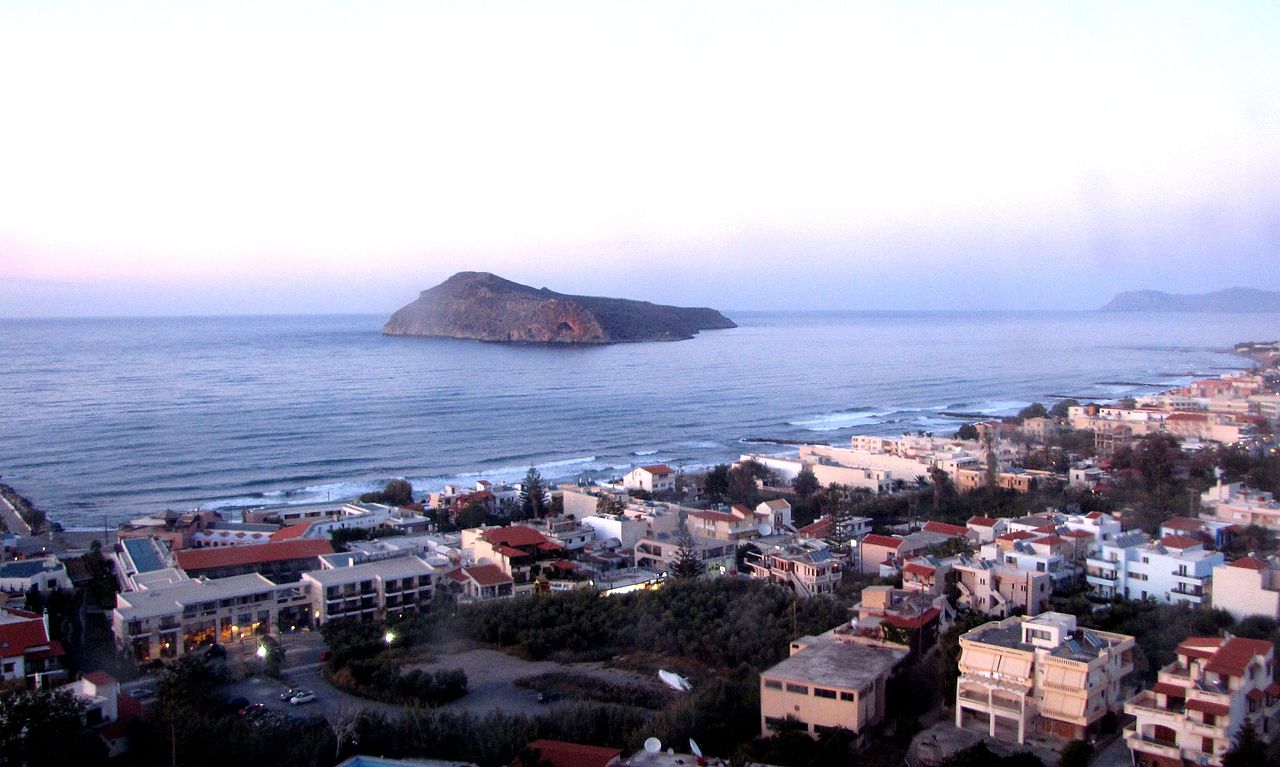
Hiking Crete in autumn offers conditions that summer simply cannot match. Temperatures drop to 18–26°C in October and 14–22°C in November, making full-day gorge walks physically manageable. Trails empty out after the last package tourists leave in late September. Most gorge access roads remain dry through October. This six-week window — roughly 1 October to mid-November — is the most underrated period on the Cretan hiking calendar.
Hiking Conditions in Autumn Crete
The main risk in crete hiking october november is weather unpredictability. October brings the first significant rainfall of the year, arriving predominantly from the northwest. The north coast — Heraklion, Chania, Rethymno — receives more rain than the south. Gorges are vulnerable: a heavy storm upstream can flood a dry-looking canyon within minutes, with no warning at the entrance.
This is not theoretical. A red alert storm in mid-October 2026 caused flash flooding across multiple areas, forcing temporary gorge closures. Always verify status with the local forestry service or entrance staff on the morning of your hike, and check current Crete weather conditions before setting out.
Trail surfaces improve significantly once the first rains settle dust. Vegetation turns green, springs reactivate, and the landscape looks nothing like the scorched July version. Above 1,000m in the Lefka Ori (White Mountains), temperatures can reach 8–10°C with wind chill by late November — layer accordingly.
Best Autumn Hikes in Crete: Gorges and Trails
The following are the most reliable options for best autumn hikes crete, ranked by accessibility and season reliability:
- Imbros Gorge (Sfakia, southwest Crete) — 8 km one-way, 2–3 hours descent, entry fee €2. Open year-round and the most accessible major gorge on the island. Gradient is moderate throughout. A shuttle bus from Chora Sfakion back to the top costs around €3. Full Imbros Gorge guide with logistics.
- Samaria Gorge (White Mountains) — 16 km, 5–7 hours, entry fee €10. Closes officially around 15 October each year (exact date set annually by the Chania Forestry Service). Plan this for the first two weeks of October. After closure, no entry is permitted and mountain rescue is not stationed inside.
- Agia Irini Gorge (near Sougia) — 7.5 km one-way, 3–4 hours, entry fee €3. Stays open through November. Less dramatic than Samaria but consistently quieter. Griffon vultures are regularly spotted above the gorge walls in autumn — genuinely one of the better wildlife sightings on any Cretan hike.
- Kourtaliotiko Gorge (Rethymno to Plakias road) — 4 km, 1.5 hours, free access. A short, dramatic canyon with a river running year-round. The lower section passes the Agios Nikolaos chapel built directly into the cliff face. Good option for half-day hikers or families.
- E4 Long-Distance Trail (coastal section: Sougia to Chora Sfakion) — approximately 25 km, best done over 2 days. Well-marked, combining cliff paths and small gorge crossings. Autumn is the correct season for this: summer heat makes it dangerous, winter storms can close coastal paths.
For the crete gorges autumn season overall: Imbros and Agia Irini are the two dependable all-October options. Samaria is viable only in early October. By November, Imbros is essentially the only major gorge operating normally.
Practical Tips for Autumn Hiking in Crete
Start early. Gorge entrances open at 07:00–08:00. An early start avoids afternoon heat in October, gives buffer time if conditions slow your pace, and ensures you are out before any afternoon storm risk. Carry a minimum of 2 litres of water — springs inside gorges are present but not always potable.
- Footwear: Trail shoes with ankle support and grip. Gorge floors are uneven limestone and loose rock. Sandals are not appropriate.
- Transport: Most gorges require point-to-point logistics (start ≠ finish). Rent a car or pre-book a taxi from the exit point. KTEL buses serve Chora Sfakion and Sougia, but frequency drops sharply in October–November — check schedules in advance.
- Combining activities: October and November overlap with olive harvest season. Guided olive picking experiences are available across the same regions as the main hiking areas and can be paired into a multi-day itinerary.
- Emergency contacts: 112 (EU general emergency) or 1199 (Greek mountain rescue, EMAK). Download offline maps via Komoot or maps.me before entering areas without phone signal.