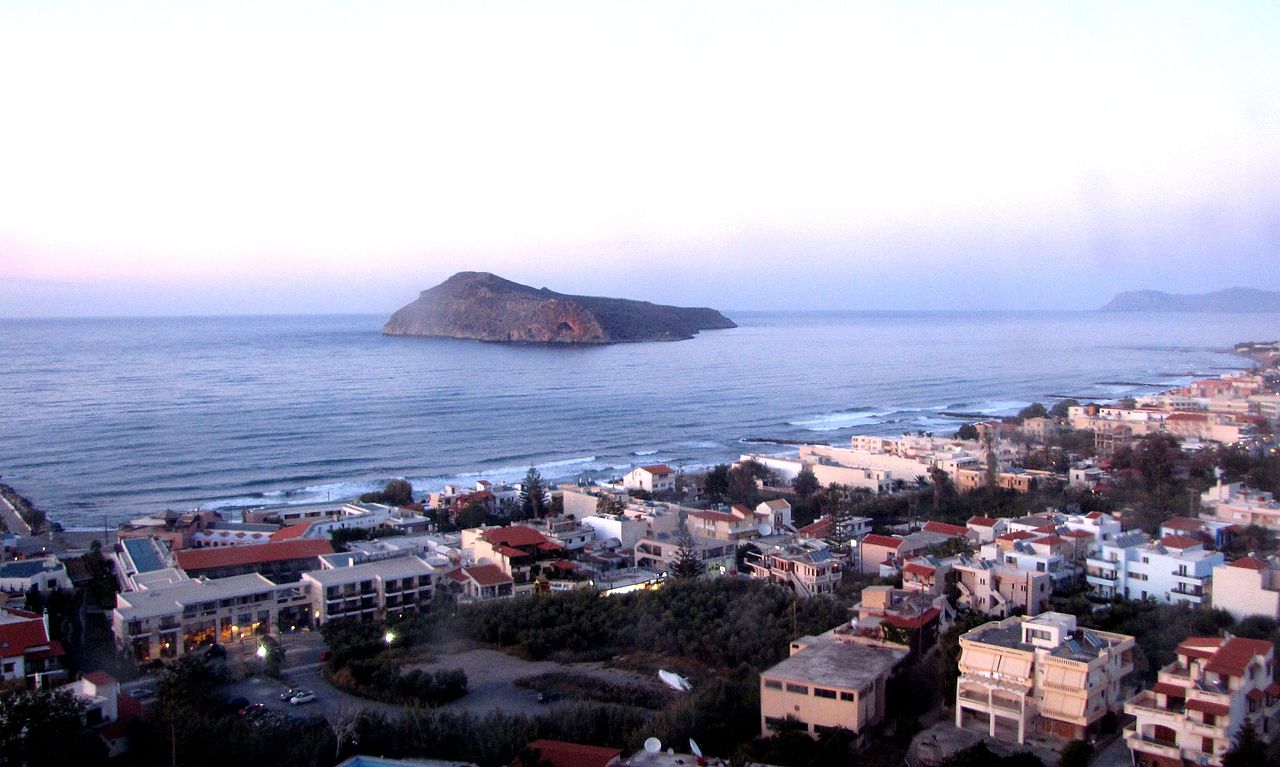
Autumn is the most underrated window for gorge hiking in Crete. By September, temperatures fall from summer's 35°C peak to 22–27°C at altitude, trail crowds drop sharply, and the dry riverbeds that define these routes stay passable until the first autumn rains arrive — typically November. Crete's shoulder season from September through October offers the best balance of open trails, manageable heat, and quiet conditions.
Autumn Conditions for Gorge Hiking in Crete
Crete hiking in October means cooler air (18–25°C inside the gorges), no direct midday sun baking the canyon walls, and significantly reduced foot traffic compared to July and August. Most major gorges handle 1,000–2,000 hikers per day in peak summer; in October that figure drops below 200. You'll walk the famous narrows of Samaria or Imbros in something close to solitude.
The key constraint is the closing calendar. Samaria Gorge, the flagship of Cretan trekking, officially closes at the end of October — the exact date shifts year to year depending on rainfall and trail inspections by the White Mountains National Park authority. Closures can happen mid-October after heavy rain; check park announcements before booking transport. Imbros Gorge, the shorter alternative, has no formal closure date and remains accessible through winter, though post-rain surface conditions require caution.
Flash flood risk increases through October. Any gorge hike should be preceded by a weather check — recent Crete weather data shows the early-autumn pattern: clear and dry island-wide, with the Libyan coast drier than the north. After sustained rainfall, do not enter narrow slot sections of any gorge. Water levels in dry riverbeds can rise within minutes.
Best Gorge Trails in Crete for Autumn Trekking
Four gorge trails in Crete stand out for fall hiking:
- Samaria Gorge — 16 km one-way, descending south from the Omalos plateau (1,250 m) to Agia Roumeli on the Libyan Sea. Entry fee: €5. Duration: 5–7 hours. Iron gates at the narrowest point, 300 m canyon walls. Buses run from Chania to Xyloskalo from 06:00. Exit by ferry to Chora Sfakion (€15, 45 min) then bus back. Total cost from Chania: approximately €35 return including ferry.
- Imbros Gorge — 8 km one-way, from Imbros village to Komitades near Chora Sfakion. Free entry. Duration: 2.5–3.5 hours. A practical alternative when Samaria closes or for hikers wanting a shorter, less crowded route. Good shade, solid footing, manageable for most fitness levels.
- Aradena Gorge — 4 km through the main canyon section, connecting the abandoned village of Aradena to the coast at Loutro. Free, no facilities, technically demanding in places — fixed ropes assist a short descent. Exit via the coastal path to Loutro (45 min), then ferry to Chora Sfakion. Best suited to confident hikers.
- Rouvas Gorge — 8 km return, south of Zaros in the Psiloritis foothills. Less visited than the Sfakia gorges, with dense oak vegetation and a stream retaining water into early autumn. Free entry. Accessible by car or taxi from Heraklion (~45 min). A solid half-day option if you're based in central Crete.
For a detailed breakdown of trail surfaces, water sources, and access routes in September specifically, see the September hiking guide for Crete.
Logistics, Costs and Practical Tips
Gear for crete trekking in autumn: ankle-support trail shoes (not sandals — gorge riverbeds are loose rock), 2.5–3 litres of water per person (springs in Samaria dry by late summer), sun protection, and a light wind layer for exposed plateau sections. Poles reduce knee strain on the long descent from Omalos.
Without a car: KTEL buses from Chania reach Omalos for Samaria (€7.50 each way) and connect to Chora Sfakion for Imbros access. Taxis from Chania to Omalos run €45–55. For Rouvas Gorge, a rental car is the practical option — public transport to Zaros is infrequent and slow.
Timing matters for Samaria: enter by 08:00 to clear the gorge before afternoon heat builds and to catch the last ferry from Agia Roumeli, which departs around 17:30 in autumn. The gorge gates close to new entrants at 15:00. Book accommodation in Chora Sfakion or Loutro if combining multiple gorges in the Sfakia region — the villages are small but have functioning guesthouses and tavernas through October.