Why September and October Are the Best Time to Visit Crete and Avoid Crowds
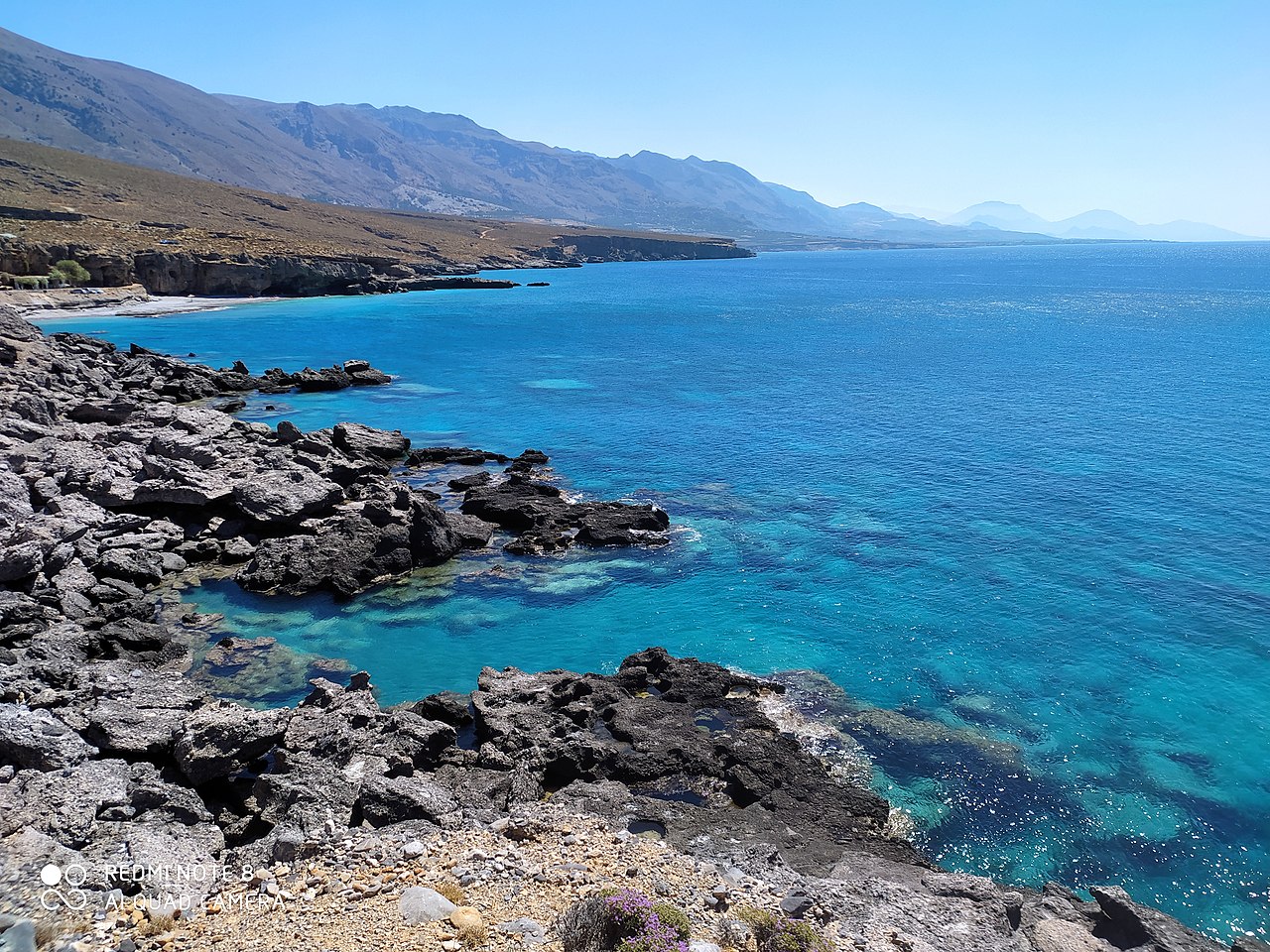
The crete shoulder season runs from mid-September through October, and again from May through mid-June. During these weeks, air temperatures hold between 22°C and 28°C, the Aegean stays at 24–26°C in September and 22–24°C in October, and visitor numbers drop 40–50% versus August. That combination is hard to beat anywhere in the Mediterranean.
In August, Elafonisi beach receives upward of 3,000 visitors on a single day. By late September that figure falls below 500. Parking is free and available. The 76 km drive from Chania along the E75 takes 90 minutes rather than two hours. The Palace of Knossos, Samaria Gorge, and Balos Lagoon all operate with short queues or none at all. Rethymno's Venetian Old Town is especially rewarding in shoulder season: harbour restaurants have open tables and the Fortezza is walkable without the August crush.
Accommodation prices drop 25–40% from peak rates. A seafront apartment in Heraklion or Rethymno that lists at €180/night in August typically falls to €110–€130 in late September. Car rental follows the same curve, from €65–€80/day in peak to €35–€50/day. Direct European flights continue into late October, with seat prices often 30–40% below July–August fares.
Practical Low Season Tips: What Changes and What to Expect
Here is what shifts between high and low season, and how to plan around it:
- Sea temperature: September averages 25–26°C — warmer than most Atlantic and northern Mediterranean alternatives. October cools to 22–23°C, which is still very swimmable. Swimming in Crete in October is genuinely comfortable at south-coast beaches sheltered from the prevailing northern meltemi winds.
- Hiking conditions: Samaria Gorge (18 km one-way, €10 entrance) closes in mid-October. Target September or early October. Imbros Gorge (8 km, easier terrain) stays accessible longer. Temperatures for walking are ideal — 20–25°C versus the 35°C+ of August.
- Business hours: Small beach bars close after mid-October. Restaurants in Chania, Heraklion and Rethymno stay open year-round. State museums maintain full hours through November.
- Local produce: September and October are harvest season. Figs, grapes and carob are at their peak in markets. September is prime time for Cretan thyme honey, harvested from mountain thyme that blooms after the first autumn rains — buy directly from producers at Heraklion's 1866 Street market for €8–€14 per 450 g jar.
- Ferry connections: Piraeus–Heraklion ferries run daily year-round (9–10 hours, from €45 one way deck class). East Crete connections to Rhodes and Santorini thin out after September — confirm schedules before booking.
For quiet crete in september and october, the eastern half of the island delivers the most dramatic difference. Lasithi prefecture — Agios Nikolaos, Sitia, Ierapetra — sees fewer visitors even in high season. By late September, beaches like Vai (Europe's only native palm forest, 90 km east of Heraklion) are almost empty on weekdays. The drive through the Lassithi Plateau is feasible as a half-day loop and far less congested than in summer.
Weather reliability: the first two weeks of October are more stable than the last two. Rainfall increases from mid-October, though showers are usually brief. Check current Crete weather conditions before planning any outdoor day trip. Budget roughly €80–€120/day for two people including mid-range accommodation, meals and one paid activity. Entrance fees at major sites do not vary by season: Knossos costs €20 per adult regardless of the month.