Europe's Largest Wild Palm Forest
Vai beach sits at the far eastern tip of Crete, 170 km east of Heraklion and 24 km northeast of Sitia. It contains the largest wild palm forest in Europe — approximately 5,000 Phoenix theophrasti palms, the Cretan date palm, an endemic species protected under Greek law since 1975.
The Finikodasos grove covers roughly 4 hectares. The palms reach up to 15 metres and produce small, inedible dates. A designated path leads through the grove down to the beach — unrestricted walking among the palms is prohibited to protect root systems.
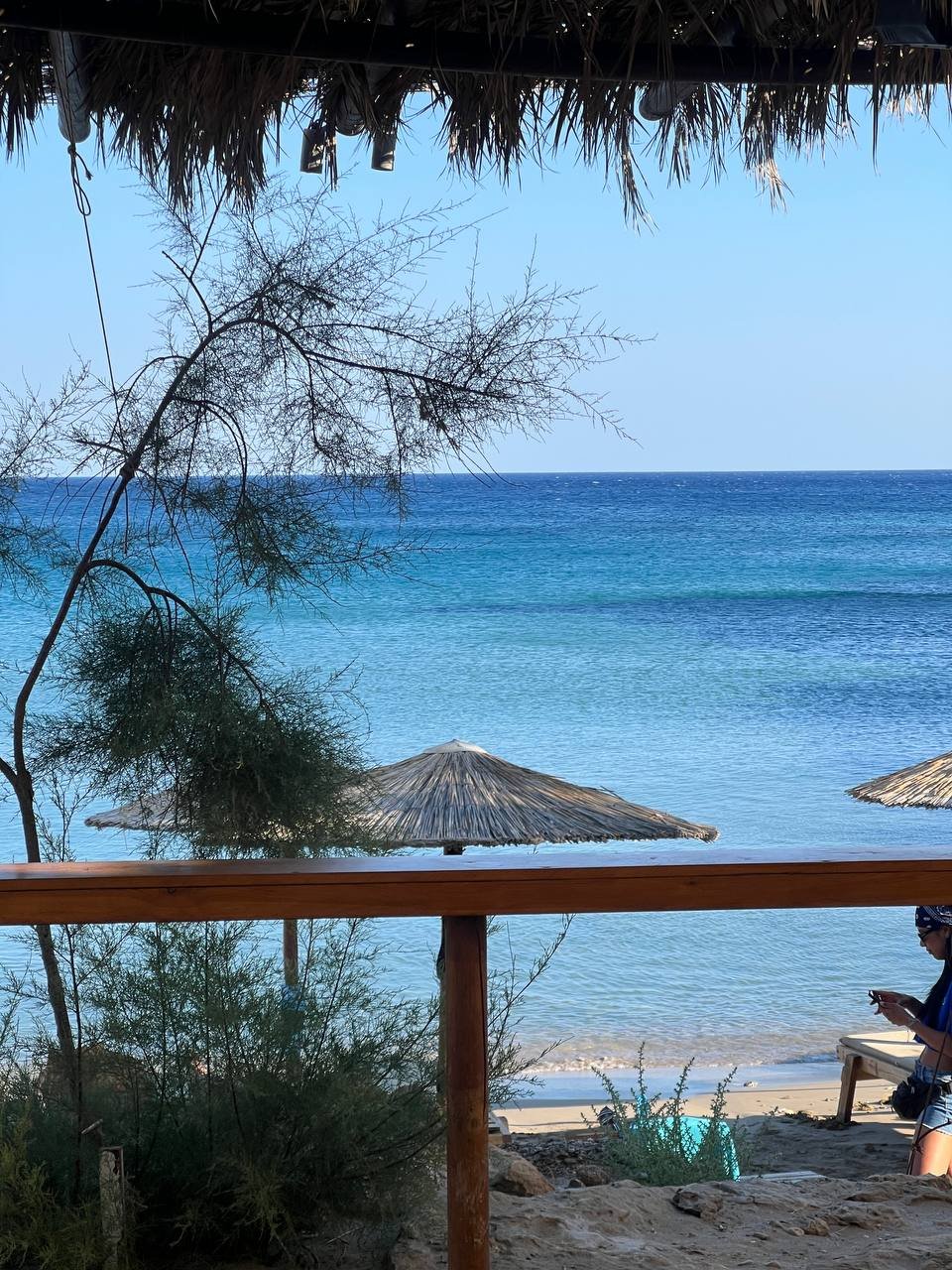
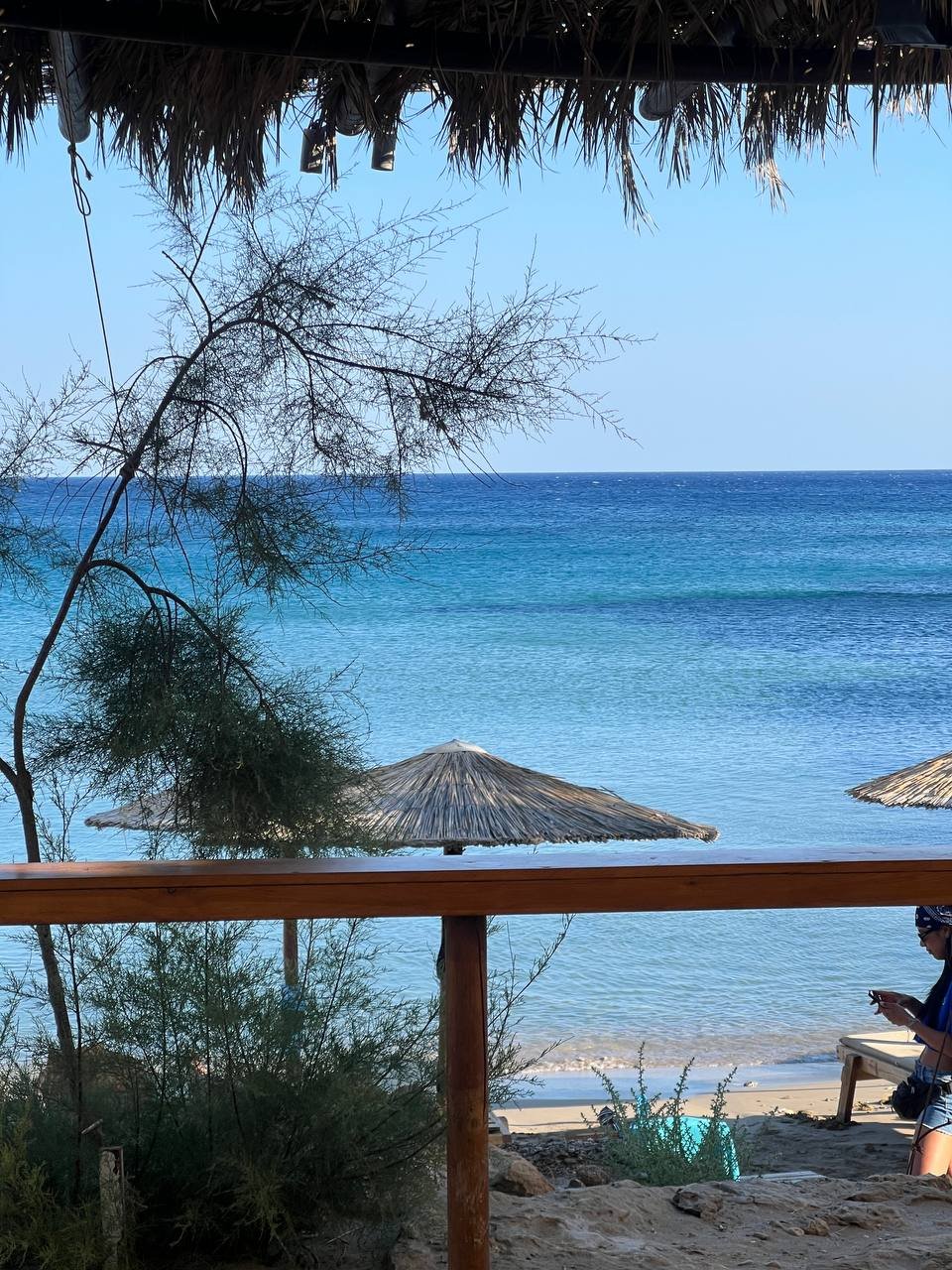
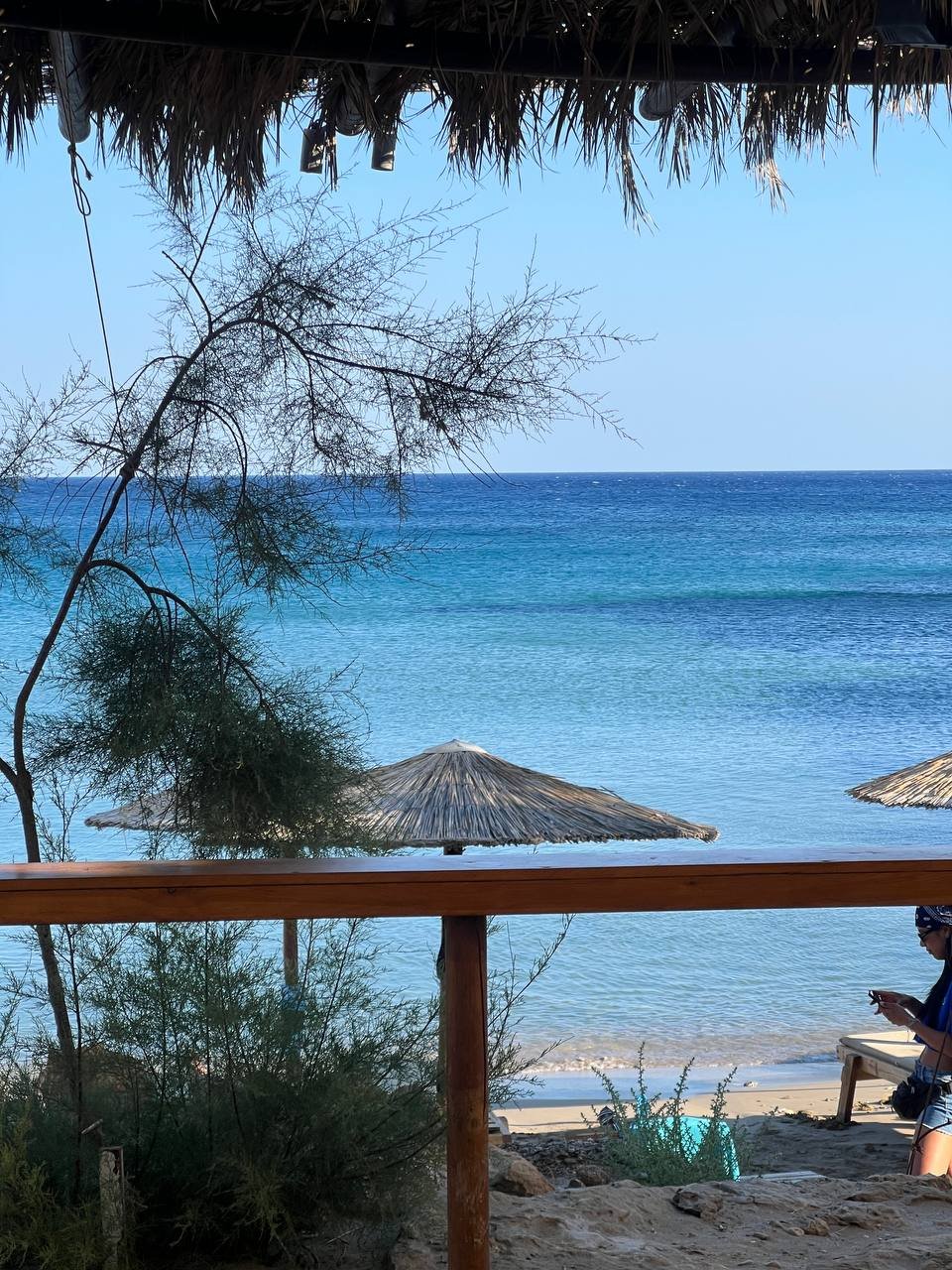
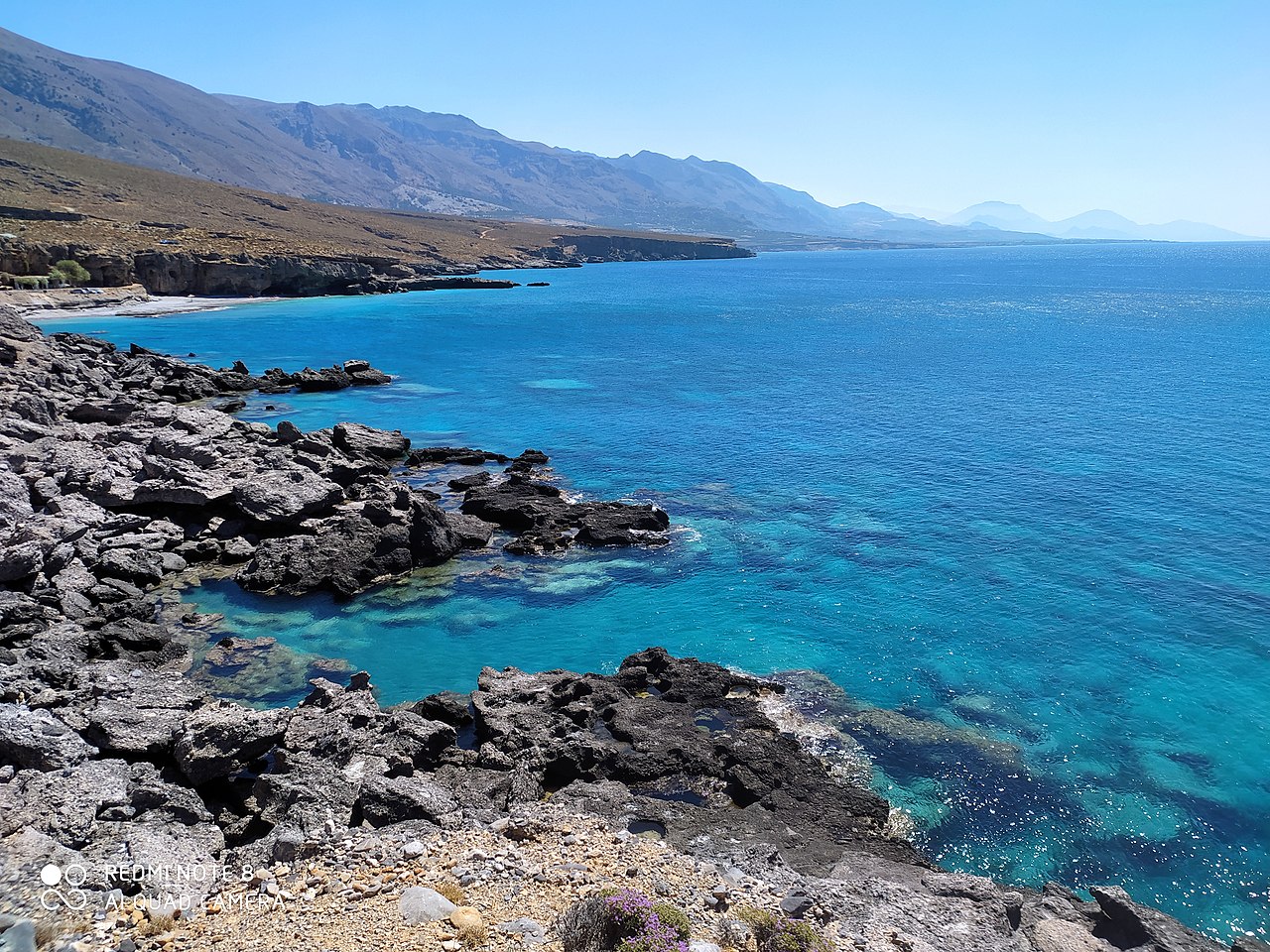
The beach is about 200 metres of golden sand with clear blue-green water. It is well-organised: sunbeds rent for €8–12 per set (2 loungers + umbrella). A café operates from May through October. A small rocky island called Nisi sits just offshore — reachable by swimming in calm conditions. Snorkelling around Nisi reveals sea urchins, small fish, and occasional octopus. Three kilometres north on a dirt track lie the ruins of ancient Itanos, a free archaeological site worth a 30-minute stop if you have a rental car.
Getting There: Distances, Costs, and Transport
By car (recommended): From Heraklion, take the E75/A90 east through Agios Nikolaos, then continue on the provincial road through Sitia. Total: 170 km, approximately 2h30 with no stops. From Sitia: 24 km, about 30 minutes. Parking at the site costs €3–5 per vehicle.
In July and August the parking lot fills by 10:00. Arrive before 09:00 or after 17:00 to avoid waiting. Before a long drive east, check current Crete weather conditions — afternoon winds on this exposed northeastern coast can affect swimming comfort.
By bus (KTEL): Heraklion to Sitia costs around €16 (2h30 journey). A seasonal local bus then runs from Sitia to Vai, but frequency is limited — verify the KTEL Lasithi schedule before committing to this option. A taxi from Sitia to Vai runs approximately €30–35 one-way.
Best Time to Visit and What to Expect
- May–June: ideal. Water 20–23°C, manageable crowds, parking available on arrival.
- July–August: peak season. Beach packed by midday, air temperatures above 35°C. Early arrival is essential.
- September–October: excellent. Water warm (24–26°C in early September), crowds drop sharply after mid-August.
- November–April: facilities closed. The palm grove remains accessible but there are no services on site.
The water is calm and suitable for children — this coast faces northeast and receives minimal Atlantic swell. The seabed is sand, making entry easy. There is no lifeguard posted outside peak season.
For food, the on-site café covers basics: sandwiches, drinks, ice cream. For a proper meal, return to Sitia — a working port town with honest fish tavernas. If you want to understand what Cretans eat beyond tourist menus, our guide on Cretan local food covers the essentials before you order.
If you are touring Crete's most photogenic beaches, note that Balos lagoon on the northwest coast offers a different experience — shallow turquoise water, a sandbar, an approach by boat or rough 4WD track. Both rank among Crete's top beaches, but they are 220+ km apart and require separate day trips. Plan accordingly.