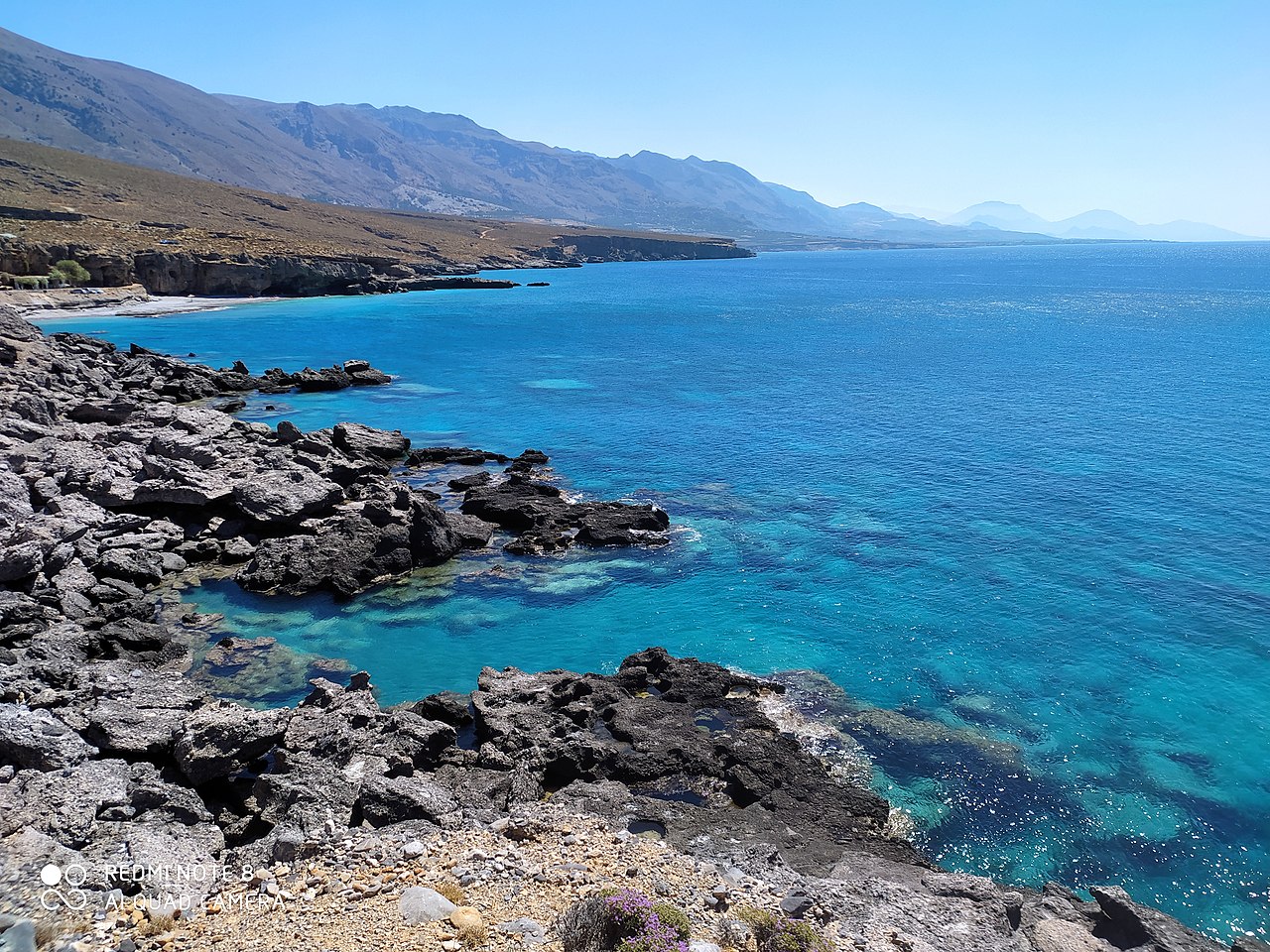
The Greek Golden Visa gives non-EU nationals a 5-year renewable residence permit in exchange for a qualifying property investment. In 2026, Crete remains one of the most cost-effective entry points into the programme — lower thresholds than Athens, an active short-term rental market, and a new international airport under construction in the east of the island.
Golden Visa Greece: Requirements and Investment Thresholds in 2026
Under current legislation, the minimum investment for golden visa Greece real estate depends on the geographic zone:
- Zone A (Athens centre, Thessaloniki, Mykonos, Santorini, islands over 3,100 km²): €800,000 minimum
- Zone B (rest of Greece, including most of Crete): €400,000 minimum
The property must measure at least 120 m². Residential resale, new builds, commercial conversions and plots with a valid building permit all qualify — residential is the most straightforward route for most buyers.
Eligibility requirements:
- Non-EU/EEA national
- Clean criminal record (apostilled from country of origin)
- Valid private health insurance covering Greece
- No minimum residency — you are not required to live in Greece year-round to maintain the permit
Family inclusion is broad: spouse or civil partner, children under 21, and parents of both spouses can all be added to the same application at no extra property cost.
Crete Golden Visa Investment: Best Areas and Current Market Prices
Crete sits in Zone B, so the crete golden visa investment threshold is €400,000 — half the Athens-centre figure. Prices vary sharply by location:
- Chania old town and surroundings: €3,000–5,500/m² for prime units. The highest demand from Northern European buyers. Strong short-term rental returns April–October.
- Heraklion: €2,500–4,000/m². The island capital with year-round direct flights from London, Amsterdam, Frankfurt and Paris.
- Elounda and Agios Nikolaos (Lasithi coast): €4,000–7,000/m² for sea-view villas. The luxury segment, with the highest per-night rental rates on the island.
- East Crete interior (Lasithi prefecture): €1,800–3,000/m². The lowest entry point. The new Kastelli international airport — designed for up to 18 million passengers per year and scheduled to open in 2028 — is the primary upside driver in this zone.
A 3-bedroom villa with a pool in the Chania hinterland typically lists between €420,000 and €650,000, clearing the threshold while generating viable rental income across a 6–7 month peak season. Note that Chania and Heraklion are 145 km apart on the northern highway — if you plan to visit multiple properties in one trip, renting a car in Crete is the only practical way to cover the ground efficiently.
Application Process, Timeline and Annual Costs
The residency through property Greece process runs in four stages:
- Property purchase: Legal due diligence, notary deed, title transfer. Transfer tax is 3.09% of declared value.
- Greek tax registration (AFM) and opening a Greek bank account — both required before the visa application.
- Golden Visa application: Filed at the Migration Authority in Heraklion for Crete-based buyers. An in-person biometrics appointment is mandatory.
- Permit issuance: Currently 3–6 months from a complete submission, depending on caseload volume.
Annual costs to budget once you hold the property:
- ENFIA (annual property tax): approximately 0.28% of assessed value
- Rental income tax (law 5246/2025): 15% on income up to €12,000; 25% on €12,000–24,000; 35% on €24,000–35,000; 45% above €35,000
- Accountancy and legal compliance: typically €1,500–3,000/year for a non-resident landlord
Golden Visa holders can apply for permanent residency after 5 years of valid permits. Greek citizenship requires 7 years of legal residence with a minimum annual stay — unlike the visa itself, it is not a passive process.
The lifestyle case for Crete is part of the investment picture: the island produces income well beyond July and August. The grape harvest season across Heraklion's wine country draws visitors into September and October, while the local autumn festivals sustain footfall through November — extending the rental calendar and the reasons to visit your asset.