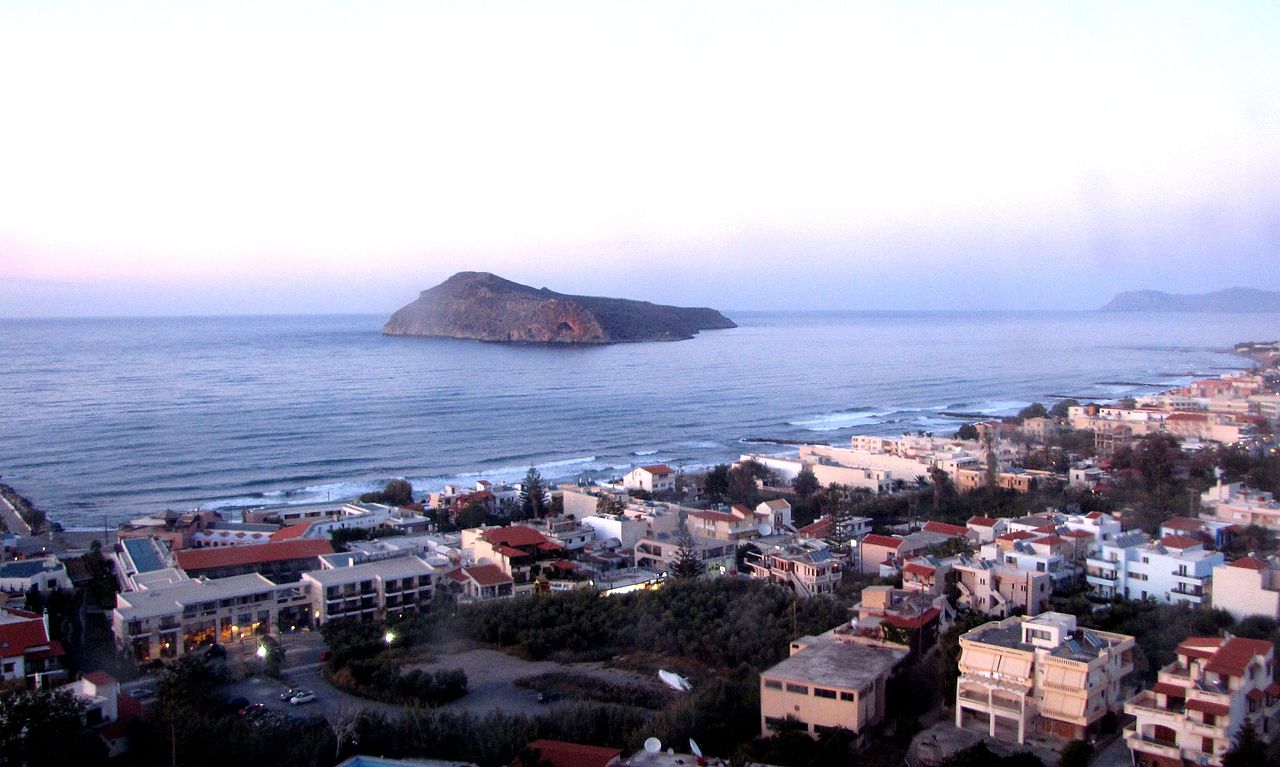
Greece Golden Visa Threshold for Crete in 2026
The Greece golden visa Crete program requires a minimum property investment of €800,000 as of 2026. Crete's classification as a high-demand zone — driven by its size (8,336 km²) and sustained tourism volumes — placed it in the higher bracket following Greece's 2024 Golden Visa reform. The investment can be a single property or multiple properties whose combined value meets the threshold.
The permit is valid for 5 years, renewable indefinitely as long as the property is still owned. It covers the investor, spouse, and dependent children up to age 21 (extendable to 24 if in full-time education). There is no minimum stay requirement — you do not need to reside in Greece to maintain valid status.
Core eligibility conditions:
- Non-EU/EEA nationality
- Property purchase at or above €800,000 (Crete)
- Clean criminal record from country of residence
- Valid health insurance covering Greece
- Property registered in investor's name or jointly with a spouse
For a realistic budget, consult Crete property prices by region — coastal villas in Lasithi or Chania prefectures typically reach €800,000 at 150–280 m², while inland properties require larger footprints to hit the threshold.
Best Areas in Crete for Investor Visa Property
Location drives both permit eligibility and long-term yield. These are the main zones attracting investor visa Greece Crete buyers:
- Chania prefecture (west): Most active market for Northern European buyers. Seafront villas near Platanias, Kissamos, or Apokoronas average €3,500–5,500/m². Direct flights from 40+ European cities via Chania airport (CHQ). Tourism season: May–October, peak occupancy above 90% in July–August.
- Lasithi prefecture (east): Elounda, Plaka, and Agios Nikolaos command the island's highest prices — luxury villas with sea views sell at €6,000–10,000/m². Proximity to Spinalonga and minimal overdevelopment. The ongoing BOAK highway extension improves east Crete road access significantly.
- Heraklion prefecture (central): Airport hub. Mixed-use and commercial properties suit investors combining residency Crete through property purchase with business activity. Coastal residential prices: €2,500–4,500/m².
- Rethymno prefecture: Mid-range pricing (€2,000–3,800/m²), lower density, growing demand from long-stay visitors. Better suited for investors targeting long-term rentals in Crete rather than high-churn short lets.
Note: Kastelli airport (projected operational 2028, capacity 18 million passengers/year) will reshape eastern Crete demand. Properties within 15–25 km of the Kastelli site are already pricing in early appreciation.
Buying Process and Total Costs
The crete property golden visa process runs in six stages:
- AFM (tax number): Obtained at a Greek tax office (DOY) or via a local tax representative. 1–3 days.
- Greek bank account: Required for property fund transfer. Allow 1–2 weeks at Piraeus, Alpha, or National Bank.
- Due diligence: Title search, encumbrance check, building permit verification. A Greek notary and independent lawyer are mandatory — combined fees typically €3,000–6,000.
- Notarial deed and transfer tax: Transfer tax is 3% of the cadastral (objective) value, not the market price. Signed before a notary.
- Golden Visa application: Filed online via the Greek Migration Ministry portal, biometrics at the regional authority. Current processing: 2–6 months.
- Permit issued: 5-year residence card, renewable on proof of continued property ownership.
Total acquisition costs beyond the property price: budget 8–12% — transfer tax (3%), notary (~1%), lawyer (~1%), agent commission (2–4%), and Golden Visa filing fees (~€2,000 per adult family member).
Annual holding costs include ENFIA property tax (~0.28% of objective value) and municipal fees. Short-term rental income requires an AMA licence and is taxed at 15% (0–12K EUR), 25% (12–24K EUR), 35% (24–35K EUR) under Greek law 5246/2025. Verify current thresholds with a local tax adviser before purchase.