Elafonisi Beach: The Pink Sand Facts
Elafonisi beach sits at the southwestern tip of Crete, in the Chania prefecture, roughly 76 km from Chania city and 150 km from Heraklion. It is not just a beach — it is a small island connected to the mainland by a shallow lagoon, typically 20–40 cm deep, that you wade through on foot. The crossing takes under 2 minutes.
The pink sand beach Crete reputation comes from crushed shells of Foraminifera, microscopic organisms that leave reddish fragments mixed with white sand. The color is most visible in the sheltered coves on the island side, especially in morning light. Do not expect the entire beach to be pink — it appears in concentrated patches near the water line.
The lagoon is extremely shallow and calm with a sandy seabed and no rocks, making it one of the safest swimming spots on the island. The area is a protected Natura 2000 zone: no jet skis, no motorized water sports. If you are traveling with children, it is worth comparing with other options listed in our guide to family-friendly beaches and activities in Crete.
How to Get to Elafonisi Beach
There are three realistic options for how to get to Elafonisi:
- By car: The most practical choice. From Chania, take the E75 west toward Kissamos, then head south via Topolia or Elos. Drive time: 1h45–2h15 depending on traffic. Roads are acceptable but narrow in the final 15 km. Paid parking costs approximately €3–5/day. In July and August, arrive before 9:00am — the lot fills fast.
- By bus (KTEL Chania): Seasonal service runs June through September, with roughly one morning departure from Chania bus station and one afternoon return. Price: approximately €8–10 one way. Confirm current schedules directly with KTEL Chania before your trip.
- By organized day trip: Tours depart from Chania, Rethymno, and Heraklion, priced at €35–65 per person including transport. From Heraklion the round trip is close to 6 hours driving — a long day.
There is no ferry service to Elafonisi from Chania port, despite what some travel aggregator sites claim.
When to Visit — and When to Avoid
Peak season runs July and August. On the busiest days, Elafonisi beach Crete receives 3,000 to 5,000 visitors. Parking queues form before 10:00am and the lagoon crossing gets congested. If you visit in this window, be at the parking lot by 8:30am.
June and September are the best months for a manageable experience. Water temperatures reach 24–26°C, crowds are 40–60% lower, and facilities remain open. May is viable weather-wise but some snack bars and sunbed rentals have not yet started for the season. For a full breakdown by month, see our Crete weather guide.
October is worth considering if you accept that beach services will be closed. Water temperature stays around 21–22°C through late October and the landscape is quieter and more photogenic. Elafonisi generates real debate among visitors — if you want an honest comparison with its main competitor, read our Elafonisi vs Balos breakdown before committing to the drive.
Practical Information at a Glance
- Entry fee: Free — it is a public protected beach
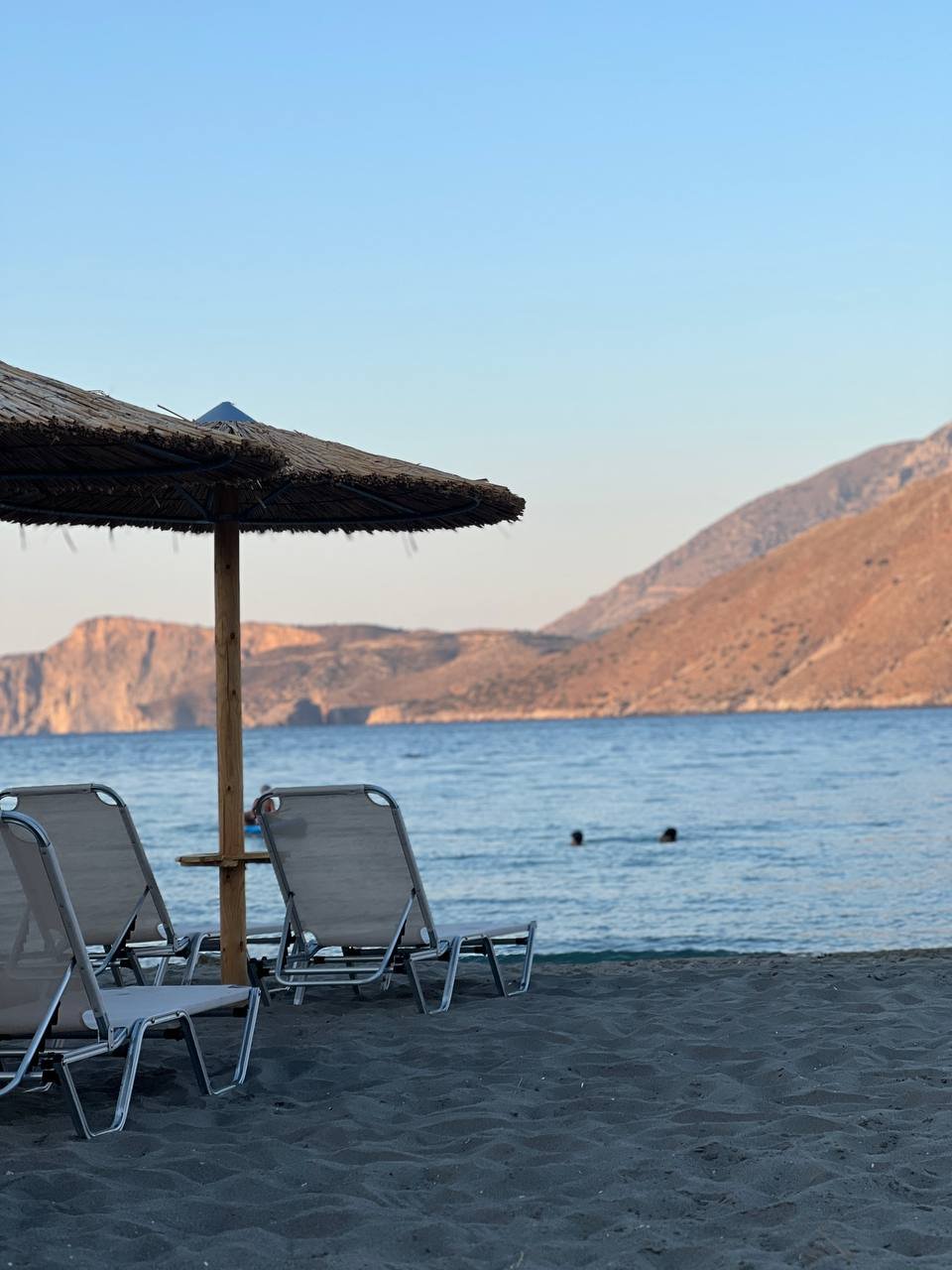
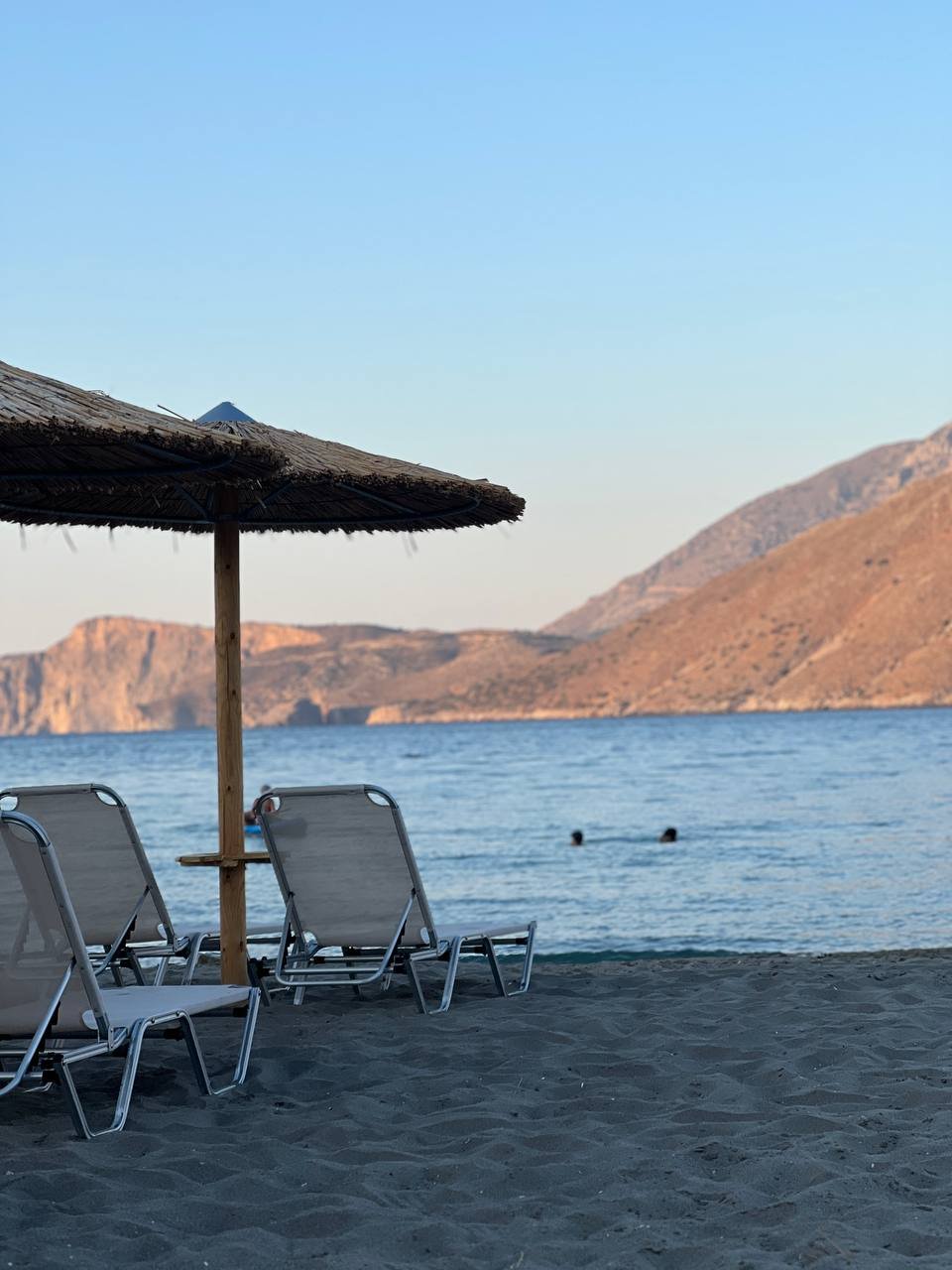
- Sun loungers: Available on the mainland side, approximately €8–12 for two chairs and an umbrella
- Facilities: Paid toilets (~€0.50), snack bars, a small taverna 300 m from the beach
- Snorkeling: Limited in the lagoon due to shallow depth; the open-sea side of the island offers better visibility
- Mobile signal: Weak to none at the beach
- Accessibility: The lagoon crossing is easy on flat sand; the island terrain is uneven in sections