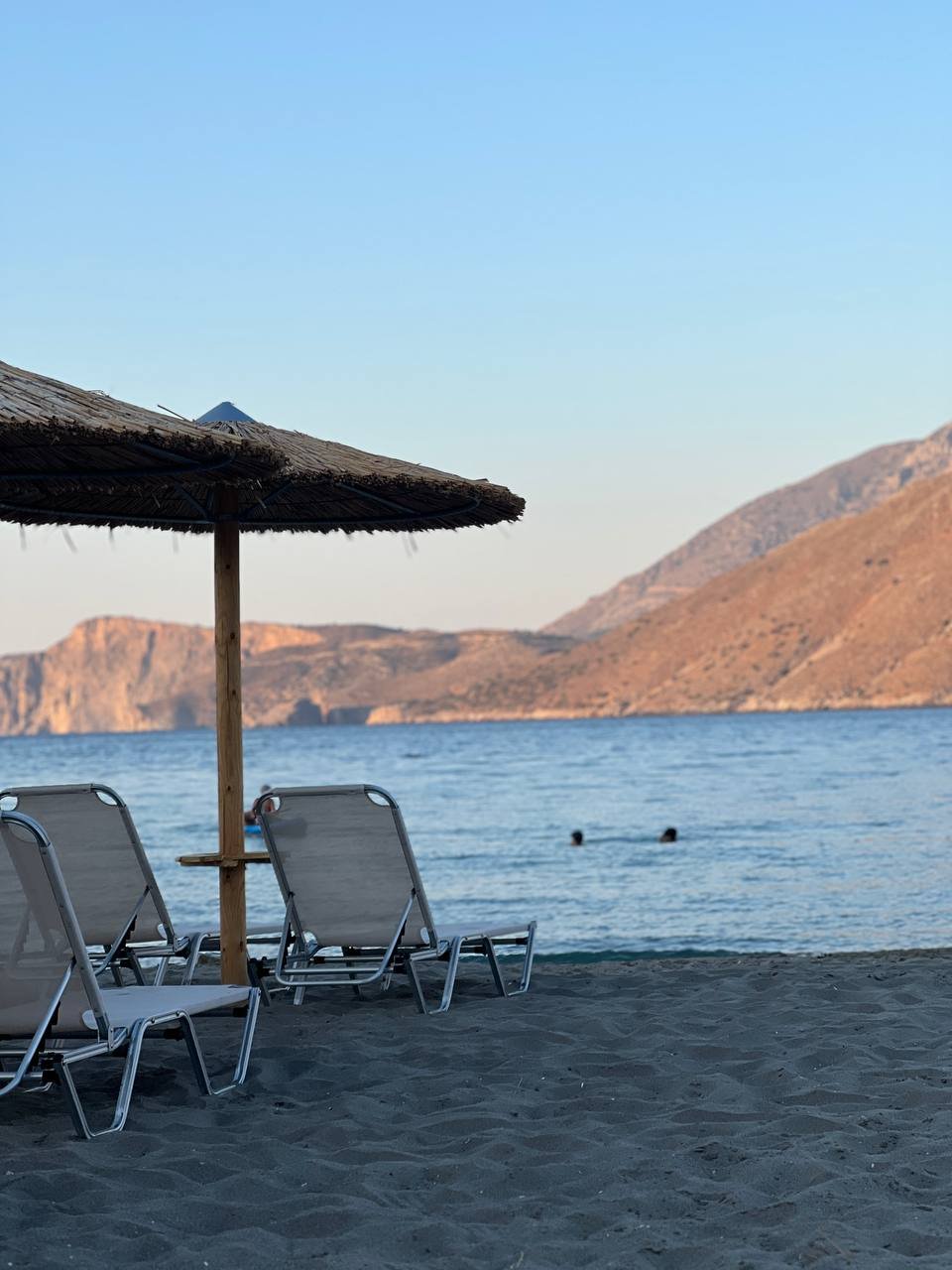
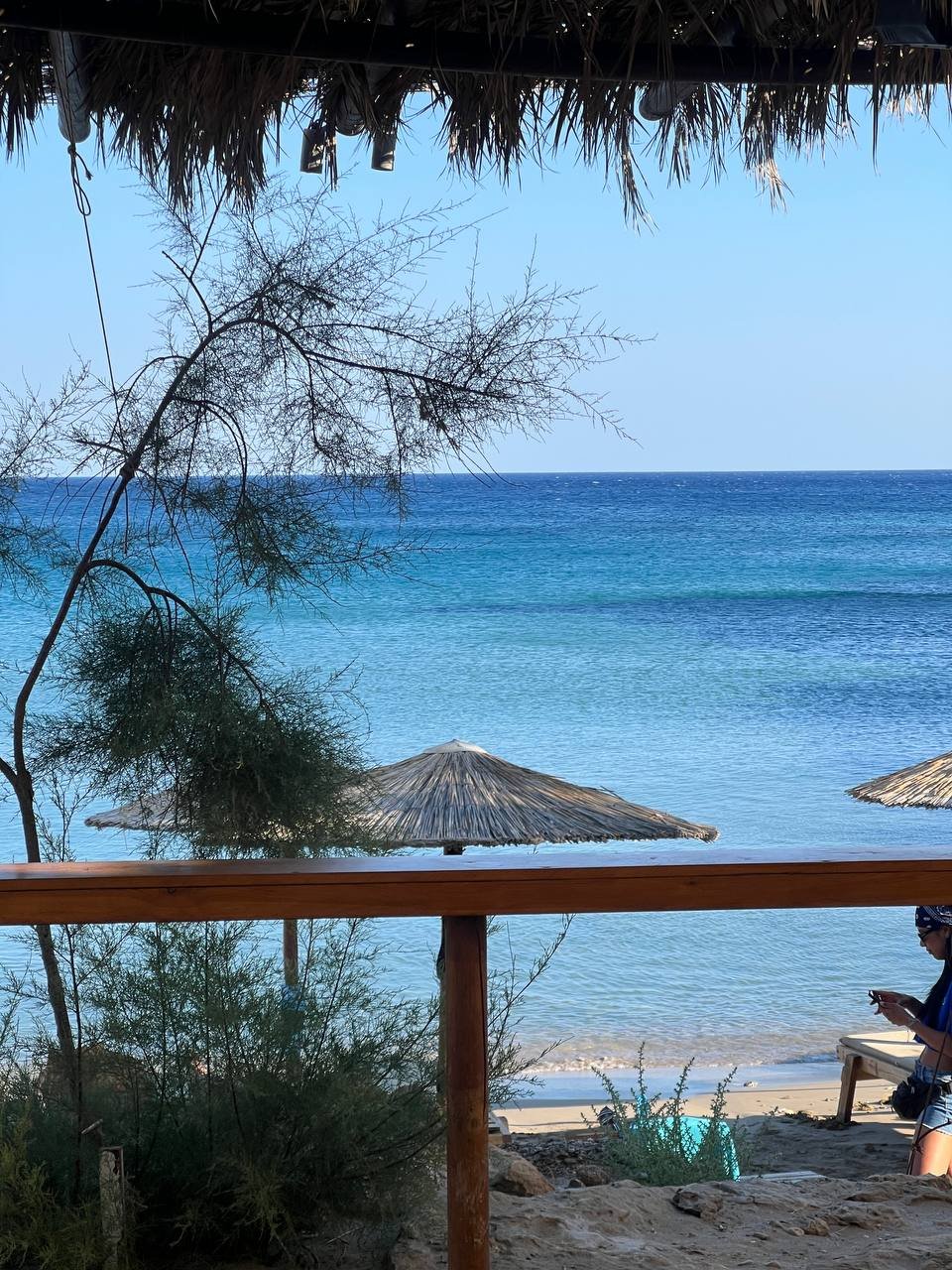
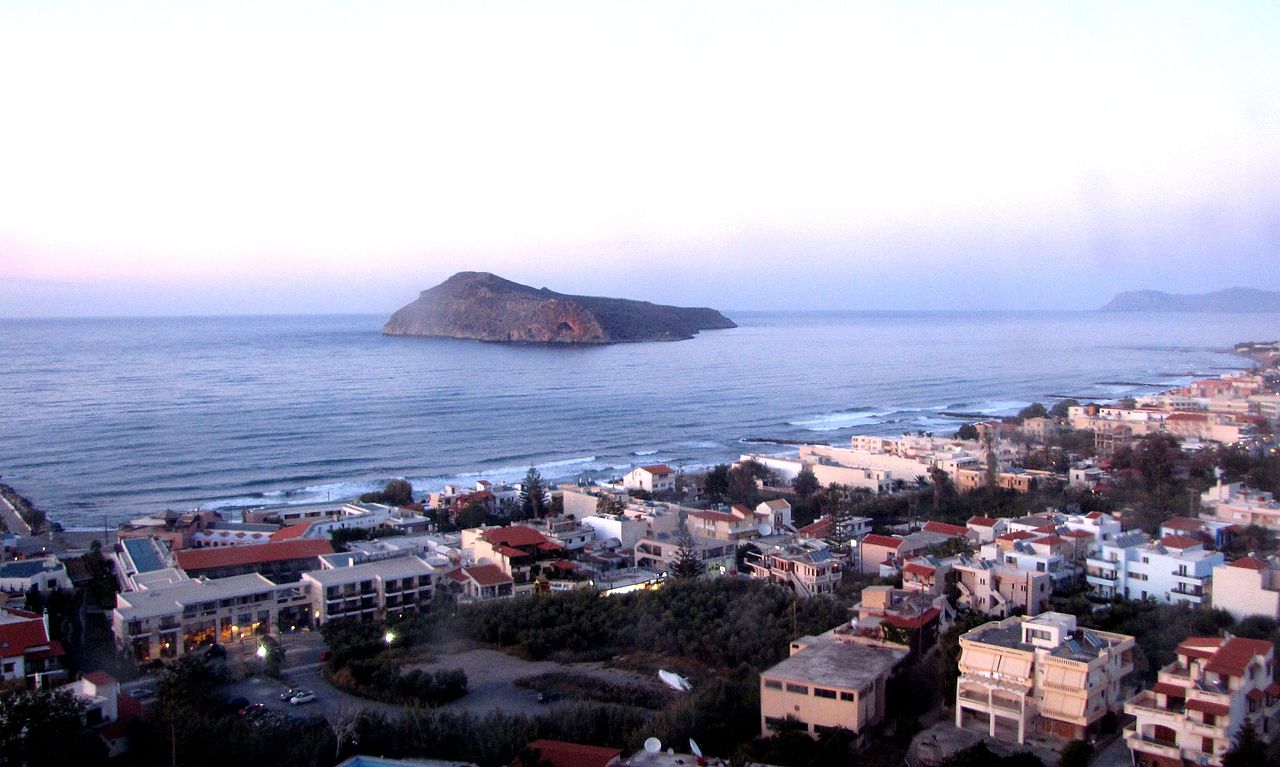
Crete has over 650 km of coastline and roughly 250 named beaches. Most tourists end up at the same ten. Some of those are genuinely excellent. Others are overrated, overcrowded, or only impressive in photos. This guide covers the best beaches in Crete by region, with real distances, parking situations, water clarity, and crowd levels so you can plan accordingly.
The Best Beaches in Western Crete
Western Crete holds the island's most photographed coastline. The combination of clear turquoise water, dramatic landscapes, and relative distance from Heraklion keeps crowds manageable outside of July and August — though only just.
Elafonisi — 75 km southwest of Chania (approximately 1h45 by car). The most famous beach in Crete, known for its shallow lagoon, pink-tinted sand, and the small island accessible on foot. Water depth rarely exceeds 1 meter in the lagoon, making it exceptional for children. In peak season, the parking lot fills by 9:00 AM and the beach holds 3,000+ visitors daily. Entrance is free. No shade trees — bring an umbrella. For a full breakdown of logistics and what to expect, see our complete Elafonisi beach guide.
Balos Lagoon — 57 km northwest of Chania. Access either by ferry from Kissamos port (€15 round trip, 1 hour each way, May to October, 3 departures daily in summer) or via a 9 km unpaved road requiring a 4WD or high-clearance vehicle. The lagoon is shallow, warm, and intensely blue. The hike from the upper parking area to the beach is 1.2 km downhill (20 minutes) with no shade. Crowds in July and August rival Elafonisi.
Falasarna — 55 km west of Chania (1h10 by car). One of the longest sandy beaches in Crete at approximately 3 km. Faces west, producing spectacular sunsets and strong afternoon winds that attract kitesurfers. Multiple beach sections each have a taverna and sunbed rentals (€8–12 per pair including umbrella). Parking is free and abundant. Less dramatic scenery than Elafonisi or Balos, but far more practical as a full-day beach without the logistical stress.
Kedrodasos — Accessible via an 800m walk from the Elafonisi parking area, or 20 minutes from Krios village. A cedar-forest-backed beach with no facilities, no sunbeds, and no permanent infrastructure. Water visibility exceeds 15 meters. This is the correct alternative when Elafonisi feels too crowded — quieter, wilder, and equally beautiful water.
Top Beaches on the South Coast of Crete
The south coast is drier, hotter, and far less touristy than the north. Access from Heraklion typically takes 1.5–2 hours by car. The reward is cleaner water, fewer package tourists, and genuinely wild mountain-to-sea scenery.
Preveli — 38 km south of Rethymno (50 minutes by car). Famous for its freshwater river meeting the sea, backed by a dense palm grove. Two access routes: a coastal path from Damnoni beach (45 minutes on foot) or 200 stone steps from the upper car park (€2 parking fee). The river creates a freshwater pool where you can swim in both fresh and salt water within meters of each other. Sunbeds available on the main beach; the palm grove section upstream has no facilities. Arrive before 10:00 from June through September.
Matala and Komos — Matala is 68 km south of Heraklion and famous for its sandstone caves carved into the cliffs. The town beach itself is mediocre. Walk or drive 3 km north to Komos instead: 4 km of undeveloped sand in a protected archaeological zone, no sunbeds, sea turtle nesting area (marked nests must not be disturbed). Free parking. One taverna at the north end.
Myrtos — 17 km west of Ierapetra. A small village beach with dark volcanic sand, backed by the Dikti mountains. The visual contrast between arid hillsides and deep blue sea is striking. One of the best-preserved authentic south coast villages. Three tavernas on the waterfront, sunbed rental around €7 per pair. Water temperature remains warm until late October.
Plakias — 37 km south of Rethymno. A 2 km sandy beach with calm, shallow water sheltered from the north wind. Good infrastructure: supermarkets, restaurants, dive center. The Kourtaliótiko Gorge is 3 km to the east. Sunset Gorge Beach, 20 minutes west on foot, is quieter and has a naturist section. Reliable wi-fi in all village cafés for those working remotely.
Most Beautiful Beaches in East Crete
Eastern Crete — the Lasithi prefecture — receives significantly less tourism than the west. The most beautiful beaches in Crete's eastern region are harder to reach but offer some of the most unspoiled water on the island.
Vai — 90 km east of Agios Nikolaos (1h30 by car), or 24 km from Sitia. Home to Europe's largest natural palm grove, covering 20 hectares. The beach is 150m long, sandy, and protected. Entrance €1.50 per person, sunbeds €10 per pair. Gets crowded midday in peak season. Arrive before 9:00 or after 16:00. Itanos beach, 2 km north along the coast, is free, unorganized, and almost always quieter.
Xerokampos — On the remote southeastern coast, 20 km south of Zakros. Multiple small coves separated by rock formations with exceptional water clarity. The road is paved but narrow. Very limited services: two small tavernas in the village, no organized sunbeds. Best for self-sufficient travelers with a rental car and their own shade. One of the least-visited beaches on this list.
Kalo Nero (near Sitia) — 10 km east of Sitia. A 1.5 km sandy beach with shallow entry, warm water, and one beach bar. Receives almost exclusively Greek visitors. Limited English-language information online. Water quality consistently high, facilities basic but adequate.
North Coast Beaches Worth Visiting
The north coast has the most developed tourism infrastructure and the most tourists. Several beaches are genuinely good. Others are dense resort strips with mediocre water. Here are the ones worth your time on the top beaches Crete north coast offers.
Stavros — 15 km northeast of Chania (25 minutes). A small, enclosed bay with calm, shallow water — the beach where the final scene of Zorba the Greek was filmed in 1964. Excellent for families, snorkeling, and anyone wanting shelter from the meltemi wind. One taverna, limited sunbeds, free roadside parking. Gets busy on weekends with Chania locals but rarely overwhelmed.
Marathi — 20 km west of Chania on the Akrotiri peninsula. Three small coves with excellent snorkeling over rocky reef. One small beach bar. The road is rough but passable for standard rental cars. Far less visited than Chania's city beaches despite better water quality.
Bali — 54 km east of Rethymno (50 minutes). A series of coves around a small fishing village. The third cove — accessible via steps — consistently has the clearest water. One dive center, sunbeds available. Avoid in August when north coast resort spillover significantly increases density.
Note on Heraklion's city beaches (Amnissos, Karteros, Amoudara): functional, convenient for airport-adjacent travelers, but not destinations. If you want to know what to skip entirely, our guide on the worst beaches in Crete covers which spots consistently disappoint despite their reputation.
How to Choose the Right Beach in Crete
With 250+ options, the right question is not "what is the best beach in Crete" but "which beach fits my situation." Here is a practical breakdown:
- Best for families with young children: Elafonisi (lagoon averages 60cm depth), Stavros (enclosed calm bay), Plakias (gentle sandy entry), Georgioupoli (river mouth, very shallow). For a full breakdown by age group, see our guide on Crete with Kids: Family-Friendly Beaches and Activities.
- Best for snorkeling and underwater visibility: Kedrodasos, Xerokampos, Marathi, Vai rocky sections, Seitan Limania near Chania (access requires a steep 20-minute hike)
- Best for avoiding crowds: Any beach on this list visited in September or October. In July–August, arrive before 9:00 at any popular beach or accept the consequences.
- Best for sunset: Falasarna (west-facing, consistent), Elafonisi, Balos if you stay for the evening ferry
- Best accessible from Heraklion: Matala or Komos (1h south), Myrtos (1h15 south), Bali (45 minutes west)
- Best accessible from Chania: Falasarna (1h10), Stavros (25 minutes), Balos (1h20 + ferry or 4WD track), Elafonisi (1h45)
Season matters more than location. June and September offer the best combination of warm water (24–26°C) and manageable crowds. July and August push water temperatures to 27–28°C but pack every major beach by mid-morning. May and October are viable for swimming (21–23°C) with near-empty beaches and full sun. November through April, most beach facilities close entirely.
Budget for sunbeds: €8–15 per pair including umbrella at organized beaches. Remote beaches (Kedrodasos, Xerokampos, Komos) have no sunbeds — bring a mat or camp chair. Parking at popular beaches costs €3–5 in peak season; typically free from October through May.
Water quality across Crete is generally excellent. The EU Blue Flag designation applies to over 60 Cretan beaches. Notable non-Blue Flag beaches such as Kedrodasos and Xerokampos have outstanding water quality but lack infrastructure — the absence of a flag reflects facilities, not cleanliness.