Why Crete Works as a Family Holiday Destination
Crete is one of the most practical destinations in Europe for families with children. The island has infrastructure built for mass tourism, a culture that genuinely welcomes children in restaurants and public spaces, shallow sandy beaches along most of the north coast, and enough activities to keep children from toddlers to teenagers engaged across a two-week stay. Flight time is 3.5–4 hours from most Western European cities. The food is safe, varied, and adaptable for fussy eaters.
Greeks treat children as full members of the table. Late-night family dinners at a taverna starting at 21:00 are normal here — no disapproving looks. That cultural tolerance significantly reduces the logistical stress of travelling with young children.
The island is 260 km long and the second-largest in the Mediterranean. That size matters for families: there is real variety between the quiet rural east, the tourist-ready central north coast, and the dramatic southwest. Choosing the right zone matters more than choosing the right hotel. Read the Best Places to Stay in Crete 2026: Complete Area-by-Area Guide before booking anything.
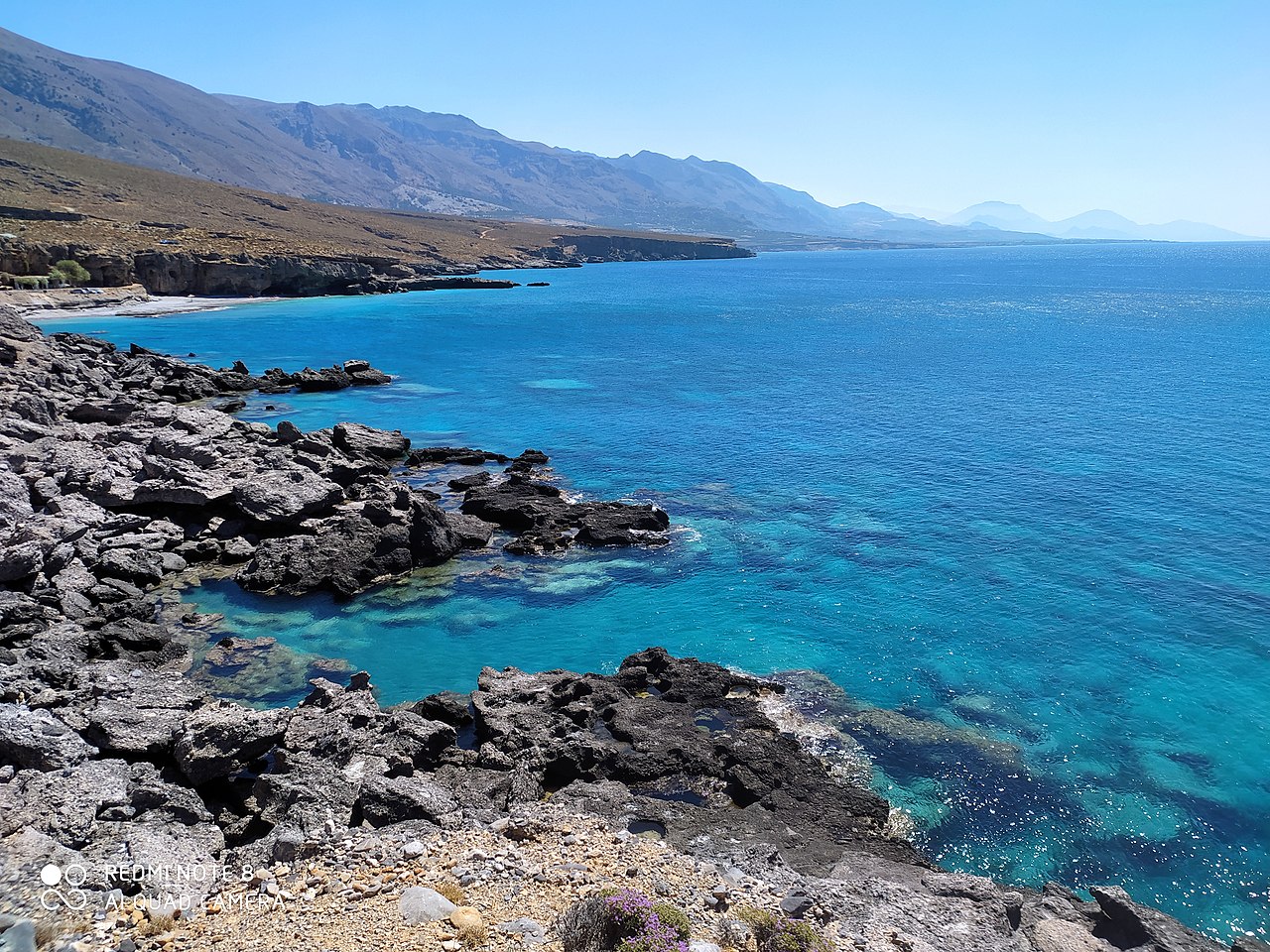
Average summer temperatures sit between 28°C and 34°C in July and August — hot but manageable with beach access. Sea temperature reaches 25–26°C in peak season, which means children actually swim rather than wade in and out. Water clarity on most family beaches averages 6–10 metres visibility.
Best Areas in Crete to Stay with Kids
Not every area suits young families equally. Here is a honest zone-by-zone breakdown.
- Rethymnon (central north coast): The most consistently recommended base for family holidays in Crete. Rethymnon city beach is a 12 km stretch of sand running directly in front of town — no transfers required. The shallow entry gradient is ideal for children under five. The old town is flat enough for buggies and offers enough shade for afternoon walking. Accommodation ranges from €50 budget apartments to €200+ boutique hotels.
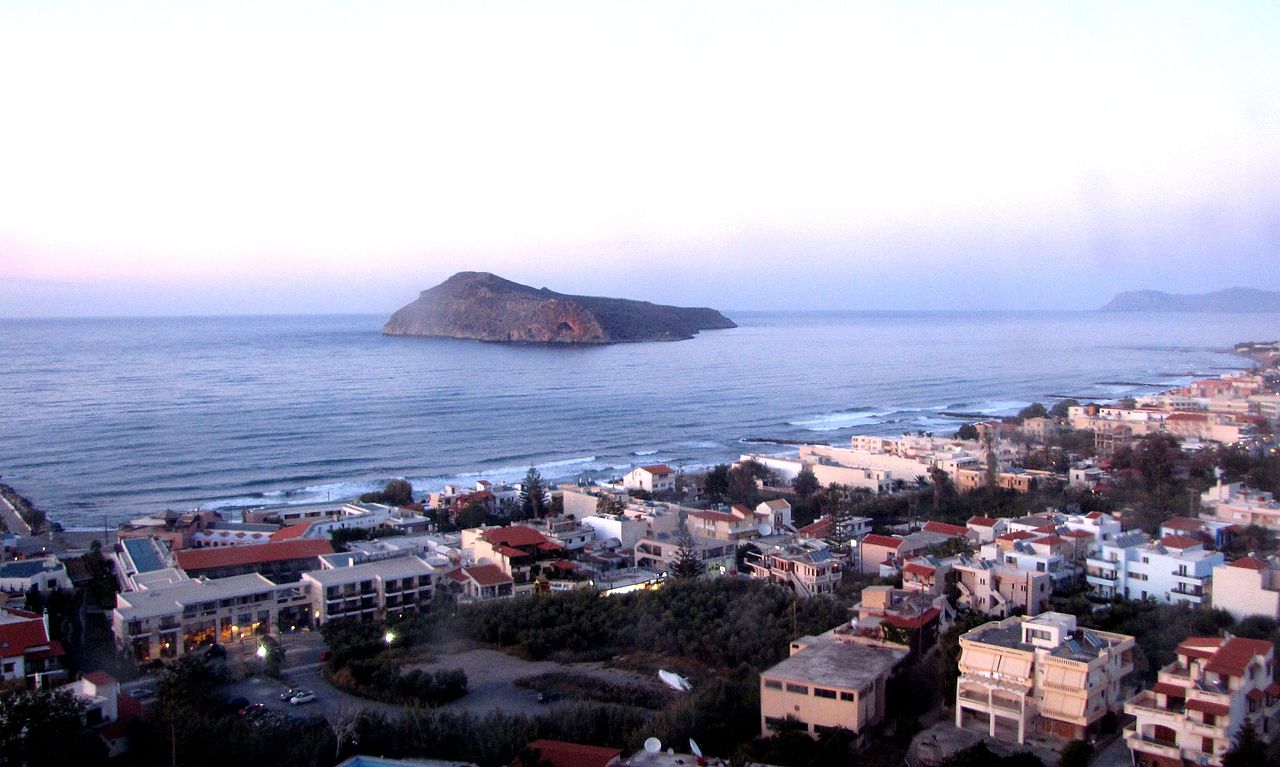
- Chania and the northwest: Chania has the best-organised tourism infrastructure on the island, including the largest concentration of pharmacies, a well-equipped university hospital, and a range of calm, sandy beaches within 20–40 minutes' drive. Platanias (15 km west of Chania) is a reliable base — flat sandy beach, supermarkets within walking distance, family apartments at €60–120/night.
- Hersonissos and Malia (central-east coast): Highest density of waterparks and children's entertainment on the island. Not the most scenic area, but highly functional for families who want organised resort-style holidays. Heraklion is 25–35 km west, making day trips to Knossos easy.
- Elounda and the northeast: Quieter, more expensive, with calmer sheltered bays. Fewer sandy beaches, more pebbly coves — better for older children (8+) than toddlers. The gulf is almost lagoon-like in July. Average villa rental: €150–400/night.
- Paleochora and the southwest: Remote and beautiful but demanding. Long drives on mountain roads. Not recommended for families with children under five unless you specifically want isolation and are comfortable with the logistics.
For a full comparison of all twelve zones including practical costs, see Where to Stay in Crete: 12 Zones Compared Honestly. If you are deciding between the east and west of the island, the East Crete vs West Crete guide breaks down the trade-offs clearly.
Best Things to Do in Crete with Children
The following are the most reliable activities for families, with current prices and age suitability as of 2026.
- Waterparks: Crete has three main parks. Limnoupolis (7 km south of Chania, open May–October) charges €25 adults, €18 children under 12. Watercity near Hersonissos is the largest, with a wave pool and dedicated toddler zone — €28 adults, €20 children. Both are full-day activities. Book online for 10–15% discount.
- Knossos Palace: The Bronze Age Minoan site works well for children aged 7 and up. The scale makes it tangible in a way a conventional museum does not. Entry is €20 adults, €10 reduced. A licensed guide (€15–20 extra per group, 90 minutes) makes a significant difference. Visit before 10:00 or after 16:00 in July–August to avoid peak heat and crowds.
- Boat trips: Day trips from Kissamos port to Gramvousa lagoon and Balos Beach cost €25–35 adults, €15 children. Spinalonga island from Elounda or Plaka: €15 boat fare plus €8 island entry. Private speedboat half-day rentals run €150–300. Snorkelling gear included on most excursions. Children aged 6+ handle calm summer seas without issue.
- Imbros Gorge: The most family-friendly gorge hike in Crete. It is 8 km, downhill, one-directional, and takes 2.5–3 hours. Entry €2 per person. Children aged 5–6 can complete it with rest stops. Far more manageable than Samaria Gorge (16 km, 6+ hours), which suits teenagers and adults in good shape. For full logistics, see the Imbros Gorge Hike 2026 guide.
- Cretaquarium: Located in Gournes, 15 km east of Heraklion. Houses 2,500 Mediterranean marine species. Entry €10 adults, €6 children. A solid half-day activity for ages 4 and up, especially effective as a break from beach days.
- Botanical Park and Gardens of Crete: Near Fournes, 20 km south of Chania. A working farm with fruit trees, exotic plants, and animals. Entry €7. Works well for ages 3–10 who want something beyond sand and sea.
- Village experiences: Argyroupolis (50 km east of Chania) has natural spring pools and traditional tavernas — reliable for a cool lunch stop. Anogeia village (45 km south of Heraklion) is a live shepherd community with traditional weaving and regional food available to visitors.
Best Beaches in Crete for Families
For families with young children, the critical variables are: entry gradient, sand vs. pebbles, proximity to facilities, and crowd management. Here are the most practical options.
- Rethymnon Town Beach: Long, sandy, flat entry, all facilities on-site, no travel required. Best used in early morning and late afternoon when UV intensity drops. The 12 km length means there is always a less-crowded section.
- Georgioupoli: Wide sandy beach at the mouth of a river with a small lake behind it. The river estuary creates a natural shallow pool that young children love. Flamingoes visible in spring. Good village infrastructure nearby.
- Falasarna (northwest): Consistently rated among the best beaches in western Crete. Wide, sandy, shallow entry. Gets busy in August. 50 km west of Chania — allow 50 minutes driving time.
- Elafonisi (southwest): Pink-tinged sand, shallow lagoon, excellent for children under 8 who want to paddle safely. Drive is 75 minutes from Chania on mountain roads. Arrives crowded by 10:30 in July–August — go early or take the bus (€8 return from Chania bus station).
- Balos (northwest): The shallow lagoon reaches 28°C in August and is ideal for small children. Access is a rough 4x4 track or a boat from Kissamos (€25–35 adults, €15 children under 12). Not suitable for buggies or strollers.
- Vai (far east): Sandy beach backed by Europe's largest natural palm forest. Worth the drive if you are based in the east. 95 km east of Agios Nikolaos.
For a full analysis including hidden costs and what the standard ranked lists get wrong, see the Best Beaches in Crete: What the Lists Get Wrong guide.
When to Go: Timing a Family Holiday in Crete
The practical window runs from late May to early October. Outside that range, sea temperatures fall below 20°C, many beach facilities close, and the island shifts to a quieter off-season rhythm that suits some travellers but not most families.
- Late May to mid-June: Best overall for families who can travel outside school holidays. Temperatures 24–28°C, sea 22–23°C, no crowds, prices 30–40% lower than July–August. Essentially all attractions are open. Accommodation is noticeably easier to book.
- July–August: Peak season. Temperatures 30–34°C, sea 25–26°C, everything operational. Also the most crowded, most expensive (€80–150/night for a basic family apartment in a popular area), and hottest. Hikes should start at 06:30 or be avoided entirely for young children in August. Beach arrivals before 09:00 to secure sunbeds without a fee.
- September: The recommended month if you have flexibility. Still 27–29°C, sea at its annual peak warmth (26°C in the first two weeks), noticeably fewer crowds, prices beginning to fall. School-age families who can shift one week into September typically find it significantly better than August.
- October: Works for cultural visits and mild activity holidays. Sea still 22–23°C in early October. Some beach facilities close from mid-October onward. Gorge hikes become easier as temperatures drop.
For current island conditions, the Crete Weather 12 June 2026 report gives a real-time snapshot of what to expect right now.
Practical Tips: Getting Around, Budget, and Health
Transport: A rental car is near-essential for families outside the immediate vicinity of a resort. Public buses (KTEL) run between major towns but are impractical with children, beach gear, and unpredictable timing. Car rental costs €35–60/day for a standard 5-seat car in summer. A 7-seat van or SUV runs €70–100/day. Fuel is approximately €1.85/litre as of June 2026. The north coast highway (BOAK, the main east-west artery) is modern and fast. South coast routes involve mountain switchbacks — allow extra time and check that your rental contract covers mountain roads.
Health and safety: Crete has no dangerous animals in tourist areas. Sun protection is the primary practical risk: SPF 50 sunscreen, hats, and midday shade (12:00–16:00 in July–August) are non-negotiable for children. Tap water is technically drinkable in towns but most residents and tourists use bottled water (€0.40–0.70 for 1.5 litres). Pharmacies are well-stocked and pharmacists typically speak adequate English. The European Health Insurance Card (EHIC) is accepted at public hospitals. Private clinic consultations cost €40–80.
Food: Greek cuisine is genuinely family-friendly. Grilled meat, grilled fish, rice, tzatziki, bread, and village salad are available at every taverna. Most restaurants will adapt dishes for children without complaint. Average dinner at a mid-range taverna: €12–18 per adult, €7–10 per child for a dedicated children's dish. Supermarkets (Lidl, Sklavenitis, Ariadni) are well-stocked for self-catering — useful for breakfast and lunch to manage daily costs.
Budget: A family of four (two adults, two children) should budget approximately €200–280/day for a comfortable mid-range holiday: apartment with pool, one rental car, one restaurant meal per day, beach costs, and one paid activity. Budget travel is possible at €130–160/day with more self-catering. Luxury villas and daily guided excursions can push easily to €500+/day.
Language: English is widely spoken in tourist areas. Menus are in Greek and English at virtually all tourist restaurants. Learning five words of Greek — efharisto (thank you), kalimera (good morning), ne (yes), ohi (no), parakalo (please / you're welcome) — is appreciated and reliably results in warmer service and occasionally an unrequested dessert.