How to Choose Where to Stay in Crete
Crete is 260 km long and 60 km wide at its broadest point. That geography matters: where you stay in Crete determines which beaches you can reach, how much time you spend in the car, and what kind of holiday you actually have. A villa near Heraklion puts you 3 hours from Balos Beach. A hotel in Chania puts you 45 minutes from it.
The island has two main airports — Heraklion (HER) in the centre-north and Chania (CHQ) in the west. Most accommodation clusters along the north coast. The south coast is quieter, less developed, and harder to reach without a car. The east is drier and hotter; the west is greener and occasionally windier.
Before booking, answer three questions: Which airport are you flying into? Transferring by road from Heraklion to Chania takes 2.5–3 hours. Do you want city atmosphere, a beach resort, or village quiet? Are you renting a car? Without one, stick to the north coast where KTEL buses run reliably between Chania, Rethymno, and Heraklion. For a full overview of logistics, see our Crete Travel Guide 2026.
Chania: Best for Old Town Atmosphere and Western Beaches
Chania is consistently rated the most attractive town in Crete. The Venetian harbour, Ottoman lighthouse, and 15th-century lanes of the old town are the real thing — not reconstructed for tourists. It's the best base if you're flying into Chania airport (CHQ), which is 15 km east of the city centre. The airport serves direct flights from most major European cities from April through October.
Best neighbourhoods in Chania:
- Old Town (Topanas, Splantzia): walking distance to harbour, boutique hotels in restored Venetian mansions, authentic restaurants. Noise from bars late at night. Rooms from €80/night in shoulder season, €150–€220 in July–August.
- Nea Chora: 10-minute walk from the old town, local sandy beach, significantly quieter, better value. Apartments from €55–€70/night in June.
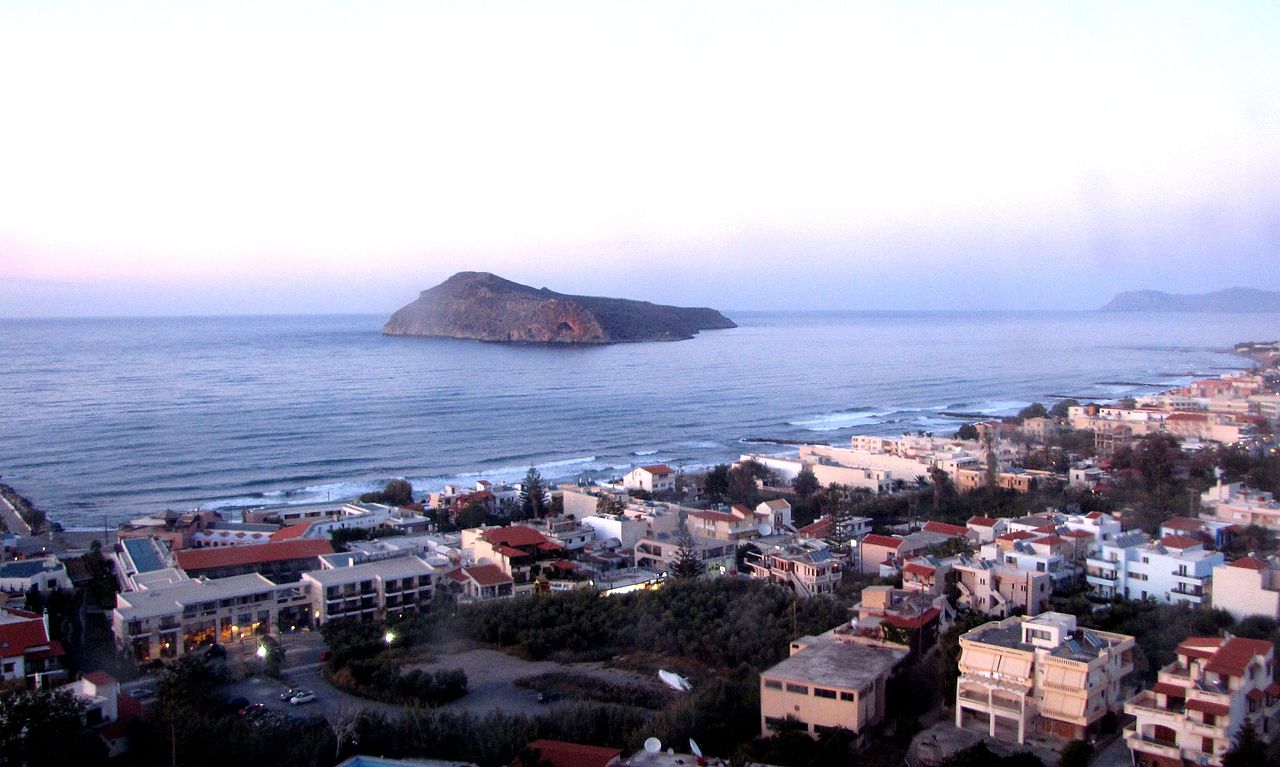
- Platanias: 11 km east of Chania, large beach resort strip, all-inclusive hotels, practical for families. Less character, more amenities.
- Akrotiri peninsula: 10 km north-east, quieter coves, car essential, good for those who want space.
From Chania you can reach Balos Beach (47 km west, plus a 20-minute ferry) and Elafonisi (76 km south, 1.5 hours). Both are among the most photographed spots in Greece. Before committing to Balos as a day trip, read our assessment: Balos Beach Crete — Worth It? The reality involves crowds in peak season and a rough road.
Samaria Gorge starts 40 km south at the Omalos plateau. The 16 km walk ends at Agia Roumeli on the south coast, with a ferry back. Half-day excursion logistics work well from Chania.
Chania's restaurant scene is the best outside Heraklion. The covered market (Agora) is worth a visit. July and August are busy: accommodation books out weeks ahead and the old town pedestrian lanes are crowded by mid-morning.
Who Chania is for: couples wanting atmosphere, anyone flying into CHQ, travellers planning to focus on the west coast.
Who it isn't for: budget travellers in peak season who aren't booking early; anyone wanting resort convenience without renting a car.
Rethymno: Best Balance of Location and Character
Rethymno sits exactly halfway between Chania (80 km west) and Heraklion (80 km east), making it the most flexible base on the island. It has a proper Venetian-Ottoman old town, a 16th-century fortress (Fortezza) above the harbour, and a long sandy beach that begins right at the edge of the town centre — something neither Chania nor Heraklion can offer.
The old town is more compact and less commercialised than Chania's. You'll find fewer tourist-facing jewellery shops and more actual local tavernas. Rethymno Municipal Beach runs 2 km east of the harbour — public, sandy, free, and walkable from the centre.
Accommodation options in Rethymno:
- Old Town: Venetian mansions converted to hotels, atmospheric but some rooms are small. Prices €70–€130/night in June, €120–€200 in August.
- Beach road (El. Venizelou): modern hotels directly on the beach, family-friendly, some noise in season. €60–€140/night.
- Panormo / Bali: small coastal villages 20–30 km east of Rethymno, quieter, well-suited to self-catering stays. Car essential.
- Plakias / Agia Galini: south coast villages 45–50 km by mountain road, dramatically quieter. Studios from €35/night.
From Rethymno you can reach Preveli Palm Beach in 45 minutes, Plakias in 45 minutes, and Heraklion's Knossos in 1.5 hours. For west coast beaches like Balos, it's a 2-hour drive — long as a day trip but manageable. Rethymno is the strongest choice if you want to split time between east and west without committing to either end of the island. It's also the least over-run of the three main north coast towns in July.
Who Rethymno is for: travellers wanting old town character plus direct beach access; anyone who wants the option to explore both ends of the island; families who want a town centre base with a beach in walking distance.
Heraklion: Best for Archaeology, History, and Airport Access
Heraklion is Crete's capital, with a population of around 180,000. Heraklion airport (HER) handles approximately 10 million passengers per year and is the busiest entry point on the island. Most tourists move through the city quickly toward resort towns or western Crete — which means the city itself is often underestimated.
Heraklion has a Venetian fortress (Koules) on the harbour, one of the best archaeological museums in Europe for Minoan artefacts, a covered market street (1866 Street), and a food scene that rivals Chania's. It's a real working city, not a postcard. The urban energy suits travellers who like cities.
The decisive practical argument for Heraklion: Knossos, the Minoan palace complex, is 5 km from the city centre. It's the largest Bronze Age settlement in the Aegean and the most visited archaeological site in Crete. If Knossos is a priority, staying in Heraklion saves significant time and transfer costs.
Where to stay in Heraklion:
- City centre / Venetian harbour: boutique hotels, walking distance to museums and market. €70–€140/night in June, €100–€180 in August.
- Amoudara: beach suburb 5 km west, long sandy beach, cheaper rates, bus or car needed for the city. €50–€100/night.
- Hersonissos: 28 km east, large beach resort town, busy nightlife, budget-friendly. €40–€90/night. Package-holiday character.
- Malia: 35 km east, similar profile to Hersonissos, among the cheapest accommodation on the island. Good for young groups on a strict budget.
The north coast corridor east of Heraklion — Hersonissos, Stalis, Malia — is Crete's mass-market resort strip. It's accessible by KTEL bus, well-serviced, inexpensive, and not particularly scenic. It's the right call if budget is the priority and you want beach access without renting a car.
Who Heraklion is for: history and archaeology travellers; anyone flying into HER who wants to avoid a long transfer; urban travellers; budget travellers using the east coast resort towns.
East Crete: Agios Nikolaos, Elounda, and Sitia
The far east — from Agios Nikolaos (70 km east of Heraklion) to Sitia (170 km east) — is the quietest and driest part of Crete. It also holds the highest concentration of luxury hotels on the island. The east receives almost no rainfall from May to October; summer temperatures regularly exceed 35°C in Ierapetra and surroundings.
Agios Nikolaos is a small port town built around Lake Voulismeni, a landlocked saltwater lake connected to the sea by a narrow channel. The town is upscale by Cretan standards, with a yacht marina, good seafood restaurants, and small pebble beaches. The harbour area is pleasant for evening walks. Prices are moderate: €70–€130/night for a decent hotel in June.
Elounda, 11 km north of Agios Nikolaos, hosts Crete's highest-end hotels — Domes of Elounda, Blue Palace, Porto Elounda. Flagship properties run €400–€1,200/night in peak season. Mid-range accommodation in the village itself is €80–€150/night. Elounda overlooks the island of Spinalonga, a former Venetian fortress and leper colony that operated until 1957, now listed as a UNESCO World Heritage site. Ferry crossings from Elounda take 15 minutes.
Ierapetra, on the south coast 37 km from Agios Nikolaos, is the southernmost city in Europe. Summers are exceptionally hot. Long beach, small Venetian fortress, genuinely local atmosphere, significantly cheaper accommodation than the north coast — studios from €40/night in June. Day boat trips reach the uninhabited island of Chrisi, with cedar forests and clear shallow water.
Sitia, at the island's eastern tip, is a working port town with minimal tourist infrastructure, an archaeological museum, and a relaxed pace. The surrounding area includes the Vai palm beach (18 km north), Europe's largest natural palm forest at a beach — one of the more unusual landscapes in the Aegean.
Who east Crete is for: luxury travellers (Elounda), anyone wanting to avoid peak-season crowds, heat-seekers, travellers interested in Spinalonga and the far east coast.
South Coast: Plakias, Matala, and Agia Galini
The south coast is separated from the north by the White Mountains and the Psiloritis range. Getting there requires mountain roads — typically 45–75 minutes from the north coast. This natural barrier keeps tourist density significantly lower. There is no motorway on the south coast; roads are narrow in places.
Plakias (45 km south of Rethymno) has a 1.2 km sandy beach, low-key infrastructure, and a quiet atmosphere. A few tavernas, a supermarket, small family-run hotels. No nightlife to speak of. Cheap: studios from €35/night in June, €55–€70 in August. The surrounding coves — Damnoni, Ammoudi — require a short drive or walk.
Matala (75 km south of Heraklion) has a good beach and caves carved into the cliffs that were used as living quarters in the 1960s and 70s. It's heavily day-tripped and better as an excursion than a base unless you specifically want a very quiet stay.
Agia Galini (50 km south of Rethymno) is a small fishing village with steep streets, colourful boats, and good value accommodation. No big hotel chains. Works well for a 3–4 night stay for travellers who want to decompress.
The south coast is best suited to travellers with a car, at least 10 days on the island, and a clear preference for local over tourist.
When to Book and What Accommodation Costs
Crete's high season is July and August. In these months, Chania old town and Elounda properties fill up 6–8 weeks ahead. Prices are 40–70% higher than May or October. Booking last-minute in August in the popular areas means choosing from whatever is left — not the best rooms.
Best value windows:
- Late May / early June: warm (26–28°C), beaches uncrowded, prices low, wildflowers still in the hills. Sea temperature around 22–23°C — swimmable for most people.
- September / October: sea temperature peaks at 24–26°C, crowds thin from mid-September, accommodation prices drop sharply after school terms begin across Europe.
For current weather conditions across the island before finalising your dates, check our Crete weather guide for June 2026 — it covers conditions island-wide.
Accommodation price benchmarks for June 2026:
- Budget (dorms, basic studios, hostels): €20–€45/night
- Mid-range (3-star hotel, well-equipped apartment): €60–€120/night
- Upscale (boutique hotel, private villa with pool): €120–€300/night
- Luxury (Elounda flagship properties): €400–€1,200/night
Car rental adds €25–€50/day in peak season with full insurance. Factor this into the real cost of remote accommodation: a villa that saves €30/night might cost €35–€40/day more in fuel and car hire than a central hotel where you can walk to everything.