Is Crete Good in October?
Crete in October is one of the strongest months for value travellers and anyone who dislikes crowds. Daytime temperatures average 22–27°C in early October and ease to 18–23°C by month-end. The sea stays at 24–26°C through most of the month — warm enough to swim without a wetsuit.
Visitor numbers drop sharply after the first week of October. Hotels that charge €180–€250 per night in August regularly fall to €80–€140. Flights from Western Europe run 40–60% cheaper than July–August peaks. Car hire drops from €60–€90/day in summer to €30–€45/day.
The main trade-off is weather variability. October marks the start of Crete's storm season, particularly in the north and west. Heraklion averages 38mm of rain in October; Chania gets around 52mm. East Crete — Sitia, Ierapetra, the Lassithi plateau — stays noticeably drier and is the safest base when Atlantic systems push in from the west. For up-to-date conditions before day trips, check the complete late-season Crete guide covering weather patterns, beach conditions and crowds.
Visiting Crete in October: Top Activities
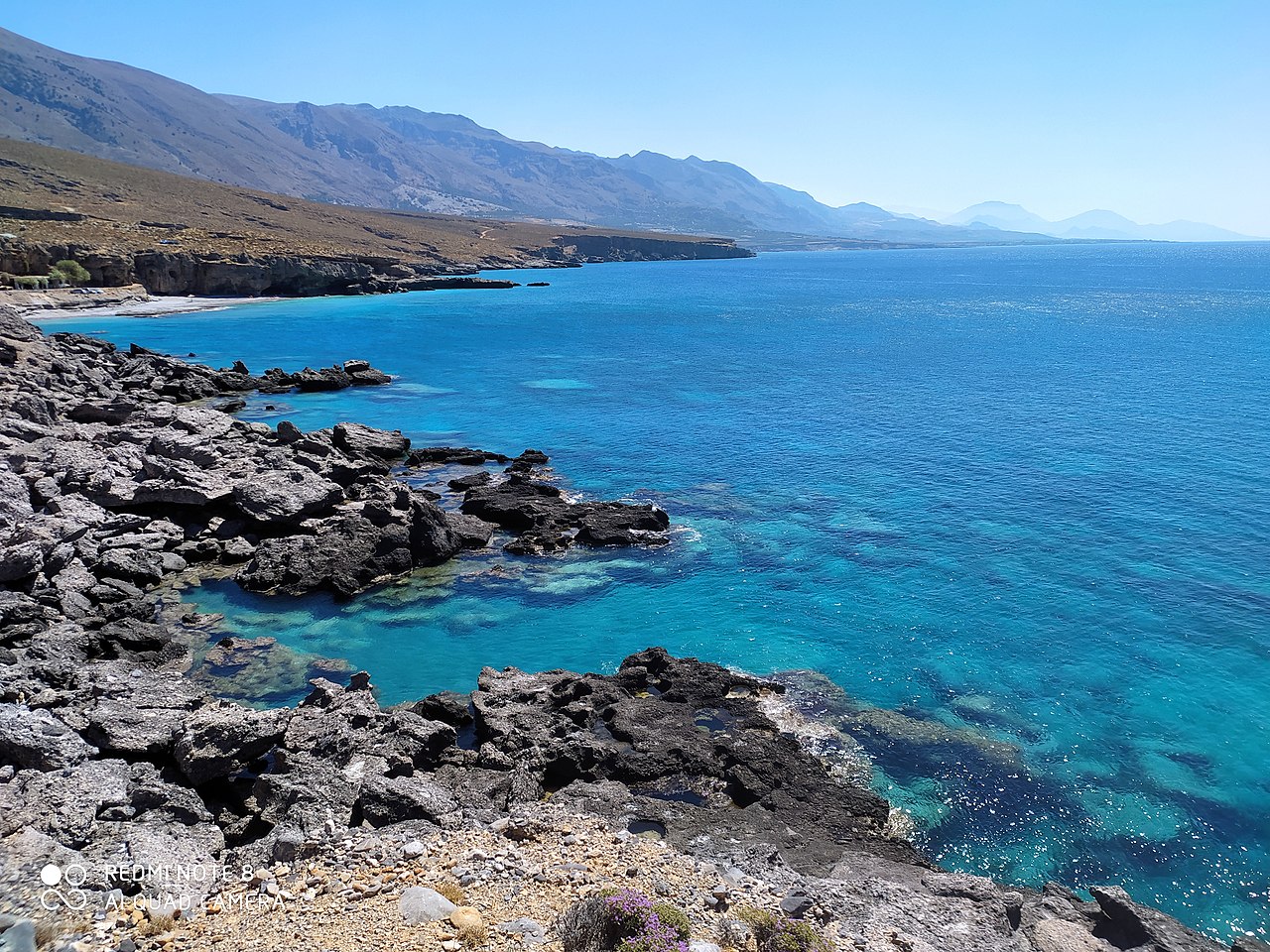
Beaches remain usable through mid-October. The south coast — Matala, Plakias, Paleochora — benefits from shelter against northern winds. Preveli Beach, with its freshwater lagoon and palm grove 45km south of Rethymno, is far more accessible in October than in summer: free parking, no queues, and the gorge swim is cooler but entirely manageable. Most sand-and-sun infrastructure on north coast resorts like Malia and Hersonissos closes by mid-October.
Hiking becomes practical again once temperatures drop. The Samaria Gorge (16km, 5–7 hours) typically closes in mid-October — check the official EOSDA site for exact dates each year. The Imbros Gorge (8km, 2–3 hours), near Sfakia, stays open longer and sees a fraction of the traffic. E4 trail sections across the White Mountains are excellent in October light.
Olive harvest begins in October across the Messara plain, the Sitia PDO zone and groves around Rethymno. Picking runs through December. Some agri-tourism operators offer half-day harvest experiences at €20–€40 per person — a concrete way to engage with the local economy rather than just observe it. Full olive harvest season dates, picking experiences and where to buy fresh oil are worth reading before you book.
Culture and archaeology: Knossos, Phaistos and the Heraklion Archaeological Museum are all open year-round. Entry to Knossos is €15; the museum €12. October queues are negligible compared to summer. Inland villages — Zaros, Kritsa, Spili — are at their most authentic once the tour buses stop running.
October Holiday Crete 2026: Practical Info
Getting around: KTEL buses run reduced schedules from October. A rental car is strongly recommended for anything outside Heraklion and Chania city centres. The BOAK east-west highway covers the northern corridor efficiently — Heraklion to Sitia is 130km, roughly 2 hours. Heraklion to Chania is 145km, about 1h45.
Storm risk: October 2026 has already recorded significant weather events on the island, with red alerts affecting the west. When storms are forecast, base yourself east of Heraklion and plan flexible day itineraries. The east (Lassithi prefecture) consistently offers the driest conditions when western Crete is under rain or wind warnings.
What stays open: Boutique hotels in Chania old town, Rethymno and Heraklion run year-round. Most tavernas in non-resort towns operate normally. Ferry connections to the Cyclades and Dodecanese thin out but do not stop entirely until November.
Bottom line: visiting Crete in October delivers genuine value — warm sea, empty gorges, harvest season food and prices that reflect a shoulder market. Plan around the weather, base yourself in the east if flexibility is limited, and the island delivers well above its summer reputation.