Crete in August: The Numbers You Need to Know
Crete in August is peak summer. Temperatures average 30–34°C in coastal areas and push past 38°C inland. Sea temperatures reach 26–27°C. Sunshine averages 12–13 hours per day. Rainfall: near zero — August is statistically the driest month of the year across the island.
If you are visiting Crete in August, you are choosing the hottest, busiest, and most expensive month. That is not a warning to stay away — it is simply the baseline you need to plan around. Heraklion Airport (HER) handles over 1.5 million passengers in August alone. The island's main beaches — Elafonisi, Balos, Vai — fill by 9 a.m. The popular tavernas in Chania Old Town stop seating walk-ins by 8 p.m.
Done right, August in Crete is excellent. Done without planning, it is expensive, crowded, and uncomfortable.
Crete August Weather: Heat, Wind and the Meltemi
Understanding Crete August weather tips starts with two forces: the heat and the meltemi.
Heat is consistent across the island but more intense inland and in the south. Heraklion averages 32°C in August. Ierapetra, the southernmost city in Europe, regularly hits 36–38°C. The Lasithi Plateau, at 840 m altitude, stays 6–8°C cooler than the coast — a legitimate escape from the midday heat.
The meltemi is a dry northerly wind that blows across the Aegean and hits northern Crete with particular force in July and August. Wind speeds range from 25 to 50 km/h on exposed coasts. The meltemi makes beach days on the north coast more manageable — it cuts the perceived heat — but it makes umbrellas useless and the sea rough. Recent conditions confirm this pattern: Crete Weather 30 July 2026: Heat, Meltemi, Clear South Skies showed north coast winds at 35–40 km/h while south coast beaches stayed flat and calm.
The south coast (Matala, Plakias, Agia Galini, Paleochora) is sheltered from the meltemi by the White Mountains and the Dikti range. In August, south coast waters are almost always flat. The trade-off: it is hotter and more humid without the wind. For a precise picture of what early August looks like this year, the Crete Weather 1 August 2026: Clear South, Cloudy North report breaks it down by region.
Practical heat management:
- Avoid outdoor sightseeing between 12:00 and 16:00. This window is not just uncomfortable — it is genuinely dangerous for children, elderly visitors, and anyone not acclimatized.
- Drink 3–4 litres of water per day minimum. Dehydration sets in faster than most visitors expect.
- Morning starts matter. Knossos at 8:00 a.m. is tolerable. At 13:00, it is 38°C on exposed stone with no shade.
- Air conditioning is standard in 3-star-and-above hotels. Always confirm before booking budget accommodation.
August Crowds, Prices and Booking Reality
Crete August crowds and heat are the two realities that define the month. On crowds specifically: August is not just busy, it is the absolute peak. European school holidays drive the first three weeks to maximum density. Chania and Heraklion airports together process over 2.5 million passengers in July–August combined.
What this means in practice:
- Accommodation prices: A mid-range room in Chania Old Town that costs €80–120 in May costs €200–280 in August. Villas with pools book out 6–9 months in advance for the first two weeks of August.
- Elafonisi: The famous pink sand beach in the southwest. In August, the parking lot fills by 8:30 a.m. A shuttle bus runs from Kissamos (50 km away). Arrive before 8:00 or after 16:30.
- Balos Lagoon: A 45-minute ferry from Kissamos port or a rough 8 km dirt road. The ferry carries 400 passengers per trip and runs 5–6 times daily in August. Book tickets online the day before — they sell out.
- Samaria Gorge: Europe's longest gorge at 16 km, taking 5–7 hours to walk. August heat makes the descent genuinely demanding. Start before 7:00 a.m. and carry at least 2 litres of water per person.
- Restaurants: Popular spots in Chania, Rethymno and Heraklion have 1–2 hour waits on August evenings. Book dinner by midday or eat before 19:00.
If you are flexible, the second half of August — from around the 20th — sees a modest easing of Northern European visitors as French and German school holidays end. Greek domestic tourism remains high through the end of the month, so resorts do not empty out, but it is marginally easier to find last-minute accommodation.
Car rental is near-mandatory for reaching less-crowded beaches and inland villages. Prices spike sharply in August — expect €50–90 per day for a standard car versus €20–35 in May. Book weeks in advance. For everything you need to know about driving in Crete as a foreign visitor, including insurance requirements and road conditions, see the Car Rental Crete Guide 2026: What Foreigners Need to Know Before Driving.
Best Beaches and Regions for August
Not all beaches in Crete behave the same way in August. The key variable is meltemi exposure and crowd density relative to access difficulty.
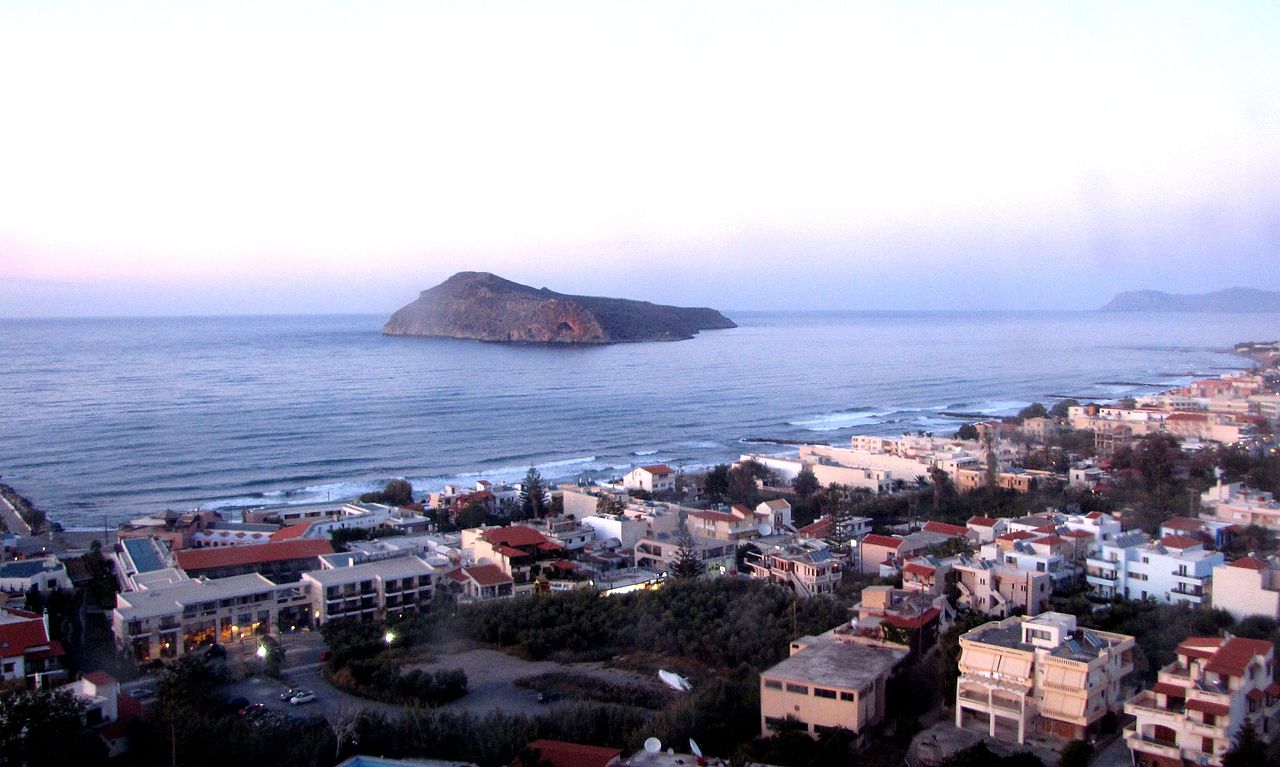
North coast (Heraklion–Rethymno–Chania axis): Most organized, most crowded, most accessible. Beaches like Agia Pelagia, Bali, Georgioupolis and Rethymno town beach are convenient but pack out. The meltemi creates choppy conditions on exposed stretches. For families with young children, sheltered north coast coves work well — just arrive early.
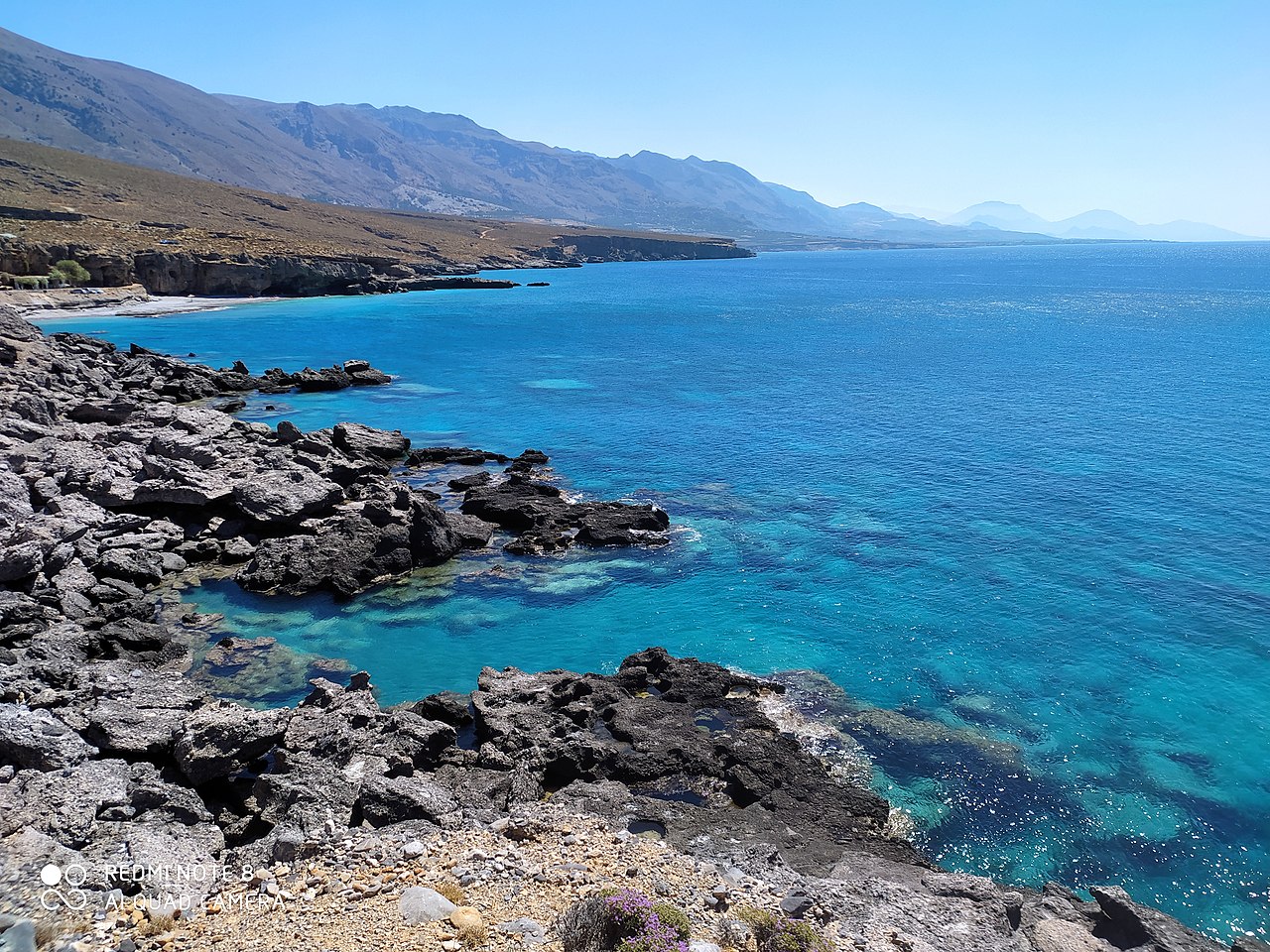
South coast: Plakias, Damnoni, Triopetra, Agia Galini, Matala, Paleochora. Calmer seas, fewer Northern European tourists (most do not make the effort to cross the mountain passes), but higher temperatures. Plakias has remained relatively low-key — it has solid accommodation, a 2 km beach, and flat water nearly every day in August. Matala's caves and countercultural history give it a personality that most north coast resorts lack.
East Crete (Lasithi Prefecture): Vai (Europe's only natural palm forest, 75 km east of Agios Nikolaos) is striking but heavily visited. Xerokampos and the beaches around Zakros are far quieter. Istron Bay near Agios Nikolaos is well-organized with calmer conditions than the far north. Sitia, the region's main town at 18,000 inhabitants, retains authentic Cretan character even in August.
Less-obvious options for August:
- Kedrodasos: Adjacent to Elafonisi, reachable by a 20-minute walk over sand dunes. Quieter, clothing-optional, same crystalline water. Carry everything you need — no facilities.
- Triopetra: Three large rock formations on the south coast, two small beaches. One taverna, limited parking. Gets busy by Greek standards but modest by Elafonisi standards.
- Loutro: A car-free village on the south coast accessible only by ferry from Chora Sfakion or on foot. Extremely peaceful by August standards, with calm turquoise water directly off the pebble beach.
Practical Tips for Visiting Crete in August
The following Crete August weather tips and logistics apply regardless of how long you are staying.
Wildfires: August is peak fire risk month across Greece. Check official alerts before hiking in forested or scrubland areas. In late July 2026, Crete was already dealing with elevated risk — the Crete on Alert: Wildfire Smoke and Fire Risk – 29 July 2026 report shows how quickly conditions can escalate. The Greek Civil Protection service issues daily fire risk maps; check the 112 Greece app before entering any non-beach nature area.
Transport logistics:
- KTEL intercity buses connect major towns reliably. Schedules thin out for remote villages. A rental car is the only practical option for exploring beyond the main tourist corridor.
- Taxis in Heraklion and Chania are metered. Fixed airport transfer fares apply — confirm the amount before entering the cab.
- Overnight ferries from Piraeus (Athens) take 8–9 hours and dock in Heraklion or Souda (Chania). Book cabins 4–6 weeks ahead for August sailings — seats go first, then cabin berths.
Food, water and money:
- Tap water is not drinkable in most of Crete. Use refillable bottles with supermarket water dispensers (€0.05–0.10 per litre refill).
- August produce at its peak: tomatoes, aubergines, courgettes, figs, and the first grapes. Morning markets in Chania (Agora) and Heraklion are worth the early start.
- Carry cash for remote beaches and mountain villages — ATMs are absent and card machines unreliable. Budget €50–80 per person per day for mid-range travel in August, excluding accommodation: meals at local tavernas run €15–25, sun lounger pairs €10–15, major archaeological site entry €6–15.
- Greek tourist tax: €4 per room per night applies to 4-star and above properties in August.
Health and safety:
- Sunscreen SPF 50+ is non-negotiable. The UV index in August regularly registers 10–11 (extreme category). Reapply every 90 minutes.
- Sea urchins are common on rocky shores. Water shoes cost €10–15 at any resort shop.
- Pharmacies (farmakeio — green cross) operate in every town, typically 08:00–14:00 and 17:00–20:00 with a posted duty pharmacy roster for nights and weekends.
Booking timeline: For visiting Crete in August, accommodation and car rental should be secured by March–April at the latest. Popular guided tours — Samaria Gorge with a guide, Balos boat trips, Knossos with an archaeologist — sell out weeks in advance. Arriving on a Tuesday or Wednesday is consistently cheaper than Friday–Sunday for both flights and accommodation. If you want the best of Crete at lower prices and without the crowds, consider extending your trip into September: the sea stays at 24–25°C, the island quiets down sharply, and — for wine enthusiasts — the grape harvest begins. The Crete Wine Harvest 2026: Best Wineries to Visit in September and Autumn guide covers which estates to visit and when the harvest doors open to visitors.