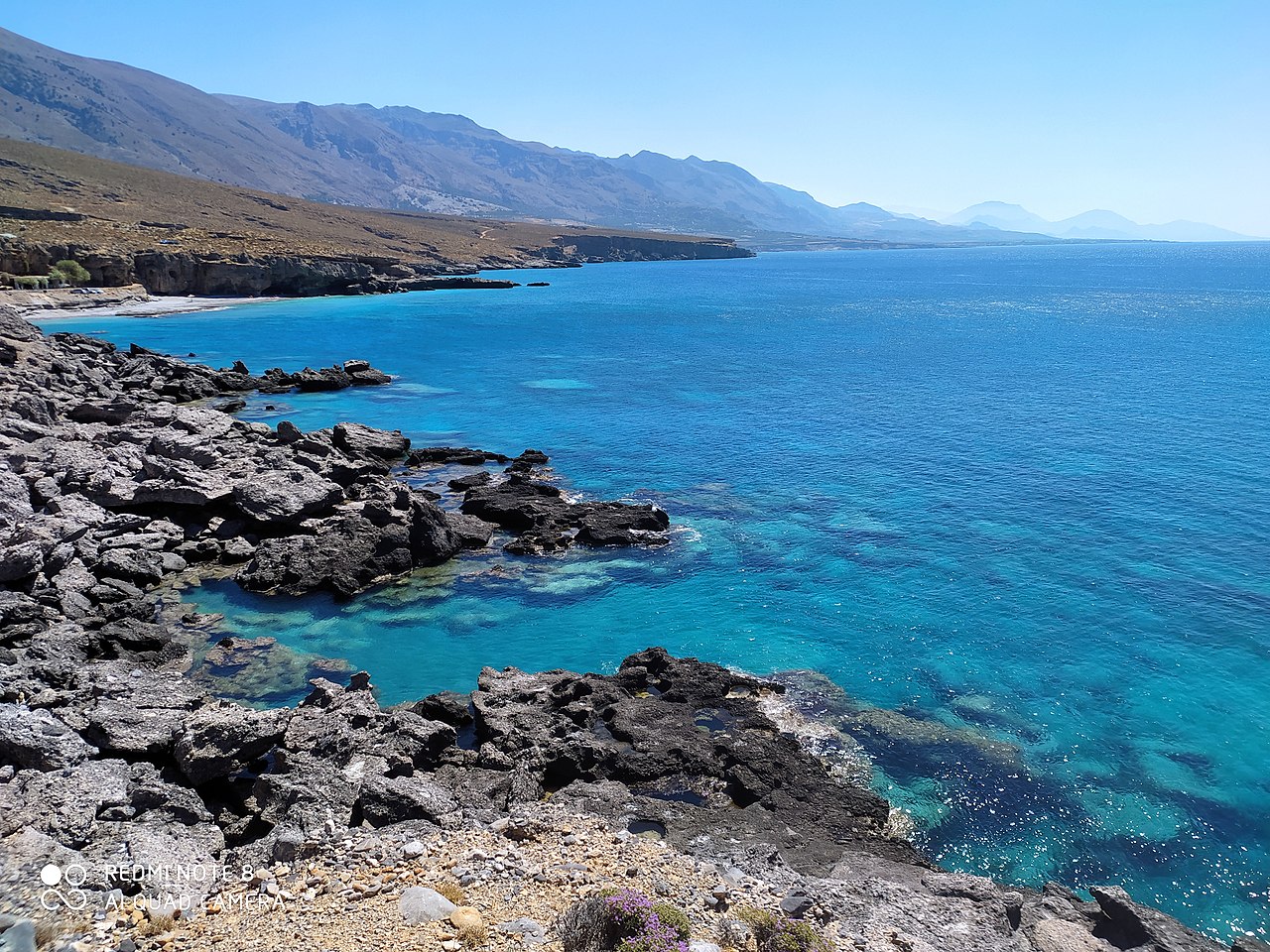
Why October and November Are Prime Months for Scuba Diving in Crete
Crete diving in autumn benefits from five months of accumulated Mediterranean heat. In October, sea surface temperatures hold at 23–25°C — comfortable in a 3mm wetsuit. By November they drop to 19–22°C, requiring a 5mm suit, but the water is still warmer than most of northern Europe's summer. Neither month is too cold to dive.
Crete underwater visibility in October is at its annual peak. Summer plankton blooms are over and winter storms have not yet churned the seabed. Horizontal visibility at sheltered sites routinely reaches 25–35 metres, among the best in the eastern Mediterranean. November holds 20–28 metres before the first deep lows arrive. Check surface conditions before heading out — southerly systems occasionally affect north-coast access, as detailed in the Crete Weather 27 October 2026 report.
Dive boats that ran two packed shifts daily in August operate with 3–6 divers per trip in autumn. More personal instruction, calmer water entries, and no surface congestion. Prices at most centres drop 10–15% compared to peak season.
Best Diving Spots in Crete for Autumn
Crete has over 50 catalogued sites. The following are the strongest choices for autumn diving in Crete, by region.
- Agia Pelagia (Heraklion region, north coast) — 25 km west of Heraklion city. Shallow reef at 6–18 m with octopus, moray eel and sea bream. Well sheltered in northerly autumn winds. Suitable for beginners.
- Kolokytha Peninsula (Elounda, Lasithi) — 70 km east of Heraklion. Submerged cave system at 8–22 m. October light penetration through the cave mouths is exceptional. Moderate current in the Spinalonga channel.
- Plakias (south coast, Rethymno) — 40 km south of Rethymno town. Drop-wall descending to 40 m with sea fans, grouper and occasional sunfish. South coast remains calm when autumn storms hit the north. One of the best diving spots in Crete in autumn for experienced divers.
- Almyrida Bay (Chania region) — 18 km east of Chania old town. Sandy bottom at 10–22 m with seahorses and nudibranchs. Excellent for macro photography. Pair with a visit using the Chania Autumn and Winter Off-Season Guide.
- Cape Drepano (Chania, west) — 15 km west of Chania. Granite boulders and caverns, 15–32 m. Schools of barracuda common in October. Current-dependent — confirm with local dive centre before booking.
- Elephant Cave (Akrotiri Peninsula) — submerged cave containing bones of prehistoric pygmy elephants at ~10 m depth. Unique in Crete and the Mediterranean. Access only with a licensed dive guide.
Divers based in Heraklion can combine site visits with autumn sightseeing — the Heraklion Autumn Guide 2026 covers day-trip logistics and what is open in October and November.
Dive Centres and Costs in October–November 2026
Most Cretan dive centres operate through end of October. A smaller number — primarily in Heraklion and Chania — continue into November, some by appointment only. Call ahead before travelling specifically for diving in November.
- Single guided dive (equipment included): 45–60 EUR
- Two-tank morning trip: 75–95 EUR
- PADI Open Water course (3–4 days): 400–500 EUR — autumn courses have smaller groups and more instructor time per student
- Discover Scuba try-dive (no certification required): 55–70 EUR
- Equipment rental only (BCD + regulator + wetsuit): 10–15 EUR/day
Established PADI- and SSI-affiliated centres include Crete's Happy Diver (Agia Pelagia), Blue Adventures Diving (Heraklion), Plakias Dive Center (Rethymno south coast) and Almyrida Dive Center (Chania region). Book directly — no meaningful OTA discount applies in the off-season.
North-coast entries typically require a 5–15 minute boat transfer from small harbour jetties. South-coast sites such as Plakias are often shore-entry or short boat rides. If you are planning a multi-week autumn stay, the Cost of Living in Crete 2026 provides useful benchmarks for accommodation, food and daily transport alongside your diving budget.