Official Campsites in Crete: Locations and Prices
Around ten licensed campsites in Crete operate in summer 2026, mostly from late April through October. Here are the main options by region:
- Camping Elizabeth — 3 km from Rethymno centre, beach access, pool and restaurant on site. Pitches from €10–14/person/night. One of the best-maintained sites on the island.
- Camping Apollon — Also near Rethymno, smaller and quieter. From €8/person/night.
- Camping Malia — 35 km east of Heraklion, direct beach access, popular with younger travellers. From €9/person/night.
- Camping Sissi — East Crete, near the village of Sissi. Family-friendly, lower footfall. From €8/person/night.
- Camping Falassarna — West Crete, walking distance from Falassarna beach, one of the island's top-rated stretches of sand. From €10/person/night.
- Camping Ierapetra — South coast, useful base for exploring the Libyan Sea area. From €8–10/person/night.
Add-ons cost extra at most sites: electricity hook-up (€3–5/night), car or campervan pitch (€5–8/night). For two people with a vehicle, budget €25–35/night at a mid-range site. July and August fill fast — book at least two weeks ahead for Falassarna and Elizabeth.
Crete Beach Camping Guide: What Is and Isn't Allowed
Wild camping is illegal in Greece under Law 1337/1983. Fines start at €300 and enforcement has tightened in protected zones. Fire danger in summer is extreme across the island — always check local alerts before pitching near vegetation or scrubland. The 8 July 2026 Crete briefing shows how quickly fire alerts escalate island-wide and affect outdoor access.
Spots where wild camping in Crete is anecdotally tolerated (no legal protection, no guarantees):
- Remote south coast coves accessible only on foot via the E4 trail — areas around Sougia and Agia Roumeli
- Isolated sections of the Gramvousa peninsula (west Crete), outside designated Natura 2000 boundaries
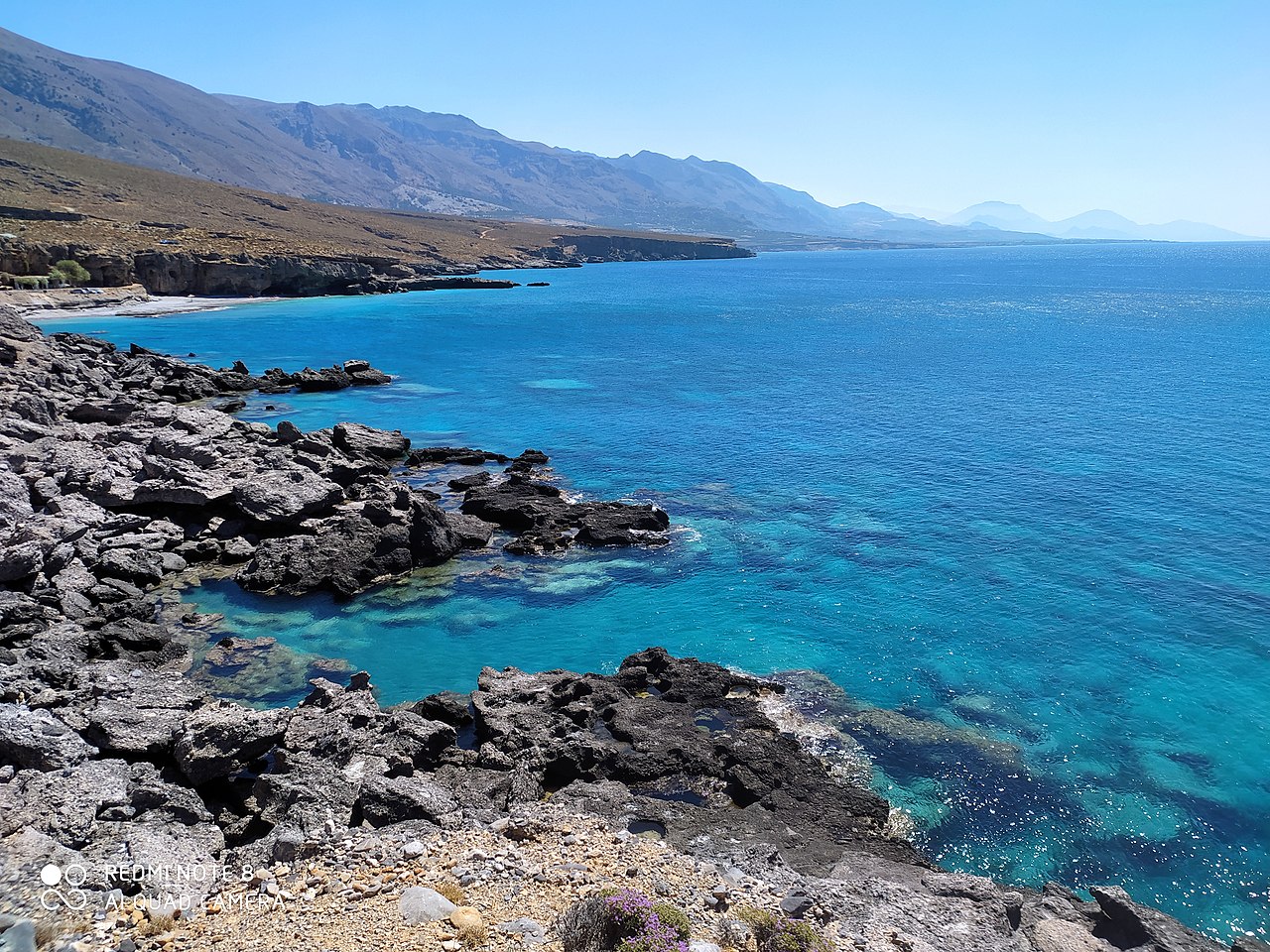
- Rocky inlets east of Ierapetra, well away from villages and agricultural land
Areas where camping is actively prohibited and enforced:
- Vai beach — protected palm forest, daily ranger presence throughout summer
- Balos lagoon — Natura 2000 zone, coast guard patrols by boat
- All areas within Samaria Gorge National Park
- Elafonisi — rangers patrol in peak season despite the beach's remote feel
If you're planning a beach camping trip in Crete with young children, the Crete family travel guide covers beach safety, shade logistics and which official sites have facilities suited to toddlers.
Best Time for Camping in Crete: Season, Weather and Gear
The best months for camping in Crete in summer are June and September. Daytime temperatures run 26–29°C, sea temperature reaches 23–25°C, and official campsites operate at 30–40% lower capacity than in August. Some sites also offer lower shoulder-season rates.
July and August bring peak heat — 32–36°C inland, 28–30°C on the coast — alongside the meltemi, a strong northwesterly wind that cools exposed beaches but can make tent camping uncomfortable without proper stakes and a low-profile design. Always check current Crete weather conditions before heading out, especially for west-coast and mountain-adjacent sites where wind picks up significantly.
Essential kit for camping in Crete in summer:
- Lightweight tent with mesh ventilation and UV-resistant fabric — avoid dark colours
- Sleeping mat: coastal and rocky terrain is uneven even at official sites
- 3+ litres of water per person per day — wild spots have no water source
- SPF 50+ sunscreen, wide-brim hat, long sleeves for midday
- Insect repellent: mosquitoes are active near fresh water, rivers and olive groves
- Headlamp and portable charger — campsite electricity is often cut after midnight
If you're combining your trip with local culture and nightlife, check the Crete summer festivals guide — several major events in July and August take place near campsite clusters in Rethymno and Heraklion.