Crete receives around 5 million tourists per year, with roughly 70% concentrated between June and September. The remaining 30% who come outside peak season get a fundamentally different experience: lower prices, empty archaeological sites, and direct access to local life. This guide covers everything you need to know about crete off season travel — from exact dates and prices to what stays open.
When Does Crete's Off Season Start and End?
The low season in Crete runs from November through April, with the deepest trough in January and February. Here is how the seasons break down:
- High season: June 15 – September 15
- Shoulder season: April–May and September 15 – October 31
- Low season: November 1 – March 31
- Deepest off season: December 15 – February 28
November straddles the shoulder and low seasons. Many businesses close in the second half of November. By December 1, most beach resorts and tourist-oriented restaurants are shut until April. For a full breakdown of what to expect in the transition month, see our guide on Crete in November: Weather, Crowds, Prices & What to Do.
Price Benefits: The Real Cost Difference in Low Season Crete
The financial case for crete off peak travel is concrete. Below are realistic price ranges based on 2026 market data:
- Hotels in Heraklion: €45–80/night in November–February vs €130–250/night in July–August
- Chania Old Town hotels: €65–90/night in December vs €180–280/night in August
- Car rental: €12–20/day in winter vs €35–60/day in summer (same category vehicle)
- Flights from London: €80–140 return in winter vs €250–450 return in August
- Flights from Paris: €70–120 return in winter vs €200–380 return in summer
- Package tours: 40–55% cheaper compared to August equivalents
Restaurant prices do not change significantly year-round — a grilled fish plate in Heraklion runs €14–22 regardless of season. What changes is the room: in January, you eat where locals eat, not at inflated tourist tavernas. Our Cretan Cuisine Guide 2026 covers the traditional dishes worth seeking out in any season, most of which are easier to find authentically in winter.
Elounda and the luxury east coast strip almost entirely shut down in winter. Some of Europe's most expensive hotels in summer (€500–2,000/night) close entirely from November to April. Your options in that area reduce to a handful of open apartments.
Weather for Crete Winter Travel: November Through March
Visiting Crete in November and December means mild temperatures with variable conditions. Crete's climate is Mediterranean, and the south coast averages 3–4°C warmer than the north. Here is what to expect month by month:
- November: 18–22°C daytime, 12–15°C nights. Average 8 rainy days. Sea temperature 21–23°C — still swimmable for the determined.
- December: 14–18°C daytime, 8–12°C nights. Average 11 rainy days. Sea temperature 18–20°C.
- January: 12–15°C daytime, 6–10°C nights. Coldest and wettest month. Snow visible on Psiloritis (2,456m) and the White Mountains (2,452m).
- February: 13–16°C daytime. Almond trees begin blooming by mid-February. Rain decreasing.
- March: 15–19°C daytime. Wildflowers emerge across the hillsides. Hiking conditions become ideal.
Rain in Crete falls mainly on the north and west coasts. The Heraklion prefecture is drier than Chania. The south coast — Matala, Plakias, Paleochora — is consistently warmer and sunnier in winter. For current early-winter conditions, the Crete Weather report for 3 November 2026 gives a real-time picture of what the start of low season looks like on the ground.
Storms occur. The Aegean produces significant swells between November and March, affecting ferry schedules and coastal drives. Always check conditions before planning boat trips. The Crete News for 2 November 2026 documents a typical early-winter storm event with an Aegean storm alert — the kind of disruption that can affect transport planning.
What to Do in Crete During Off Season: Concrete Activities
The crete off peak benefits go beyond price. Here is what genuinely improves in winter:
Archaeological sites without crowds: Knossos receives 1.2 million visitors per year, the overwhelming majority between May and October. In December, you can walk the site with fewer than 50 other people. The same applies to Phaistos (110km west of Heraklion), Gortyn, and the Minoan palace at Malia. Entrance fees remain the same (€15 for Knossos), but the experience is incomparably better. Heraklion Archaeological Museum — one of the most important Minoan collections in the world — is open Tuesday–Sunday year-round at €10 entry.
Hiking season: November through April is the preferred window for serious hiking in Crete. Summer heat makes low-altitude trails uncomfortable and occasionally dangerous. The Imbros Gorge (8km, accessible year-round) near Sfakia is doable even in January. The E4 European long-distance path traverses Crete east to west and is best walked in winter or spring. The Samaria Gorge (18km, 500m descent) officially closes October 31 and reopens May 1, but dozens of shorter gorge walks around Chania and Rethymno remain open throughout winter.
Olive harvest: November is harvest season across the island. Crete produces approximately 130,000 tonnes of olive oil per year, primarily Koroneiki variety. Agritourism contacts in the Heraklion and Chania regions offer harvest participation. It is one of the most authentically Cretan experiences available and happens only in this low-season window.
Mountain villages: The Lasithi Plateau (850m altitude), Anogia, and the villages of the White Mountains see almost no tourists from November to March. Traditional kafeneions are open, local festivals mark dates on the Orthodox calendar, and accommodation prices where available are fully negotiable. For a full breakdown of November-specific activities, see Crete in November 2026: What to Do, Weather & Activities.
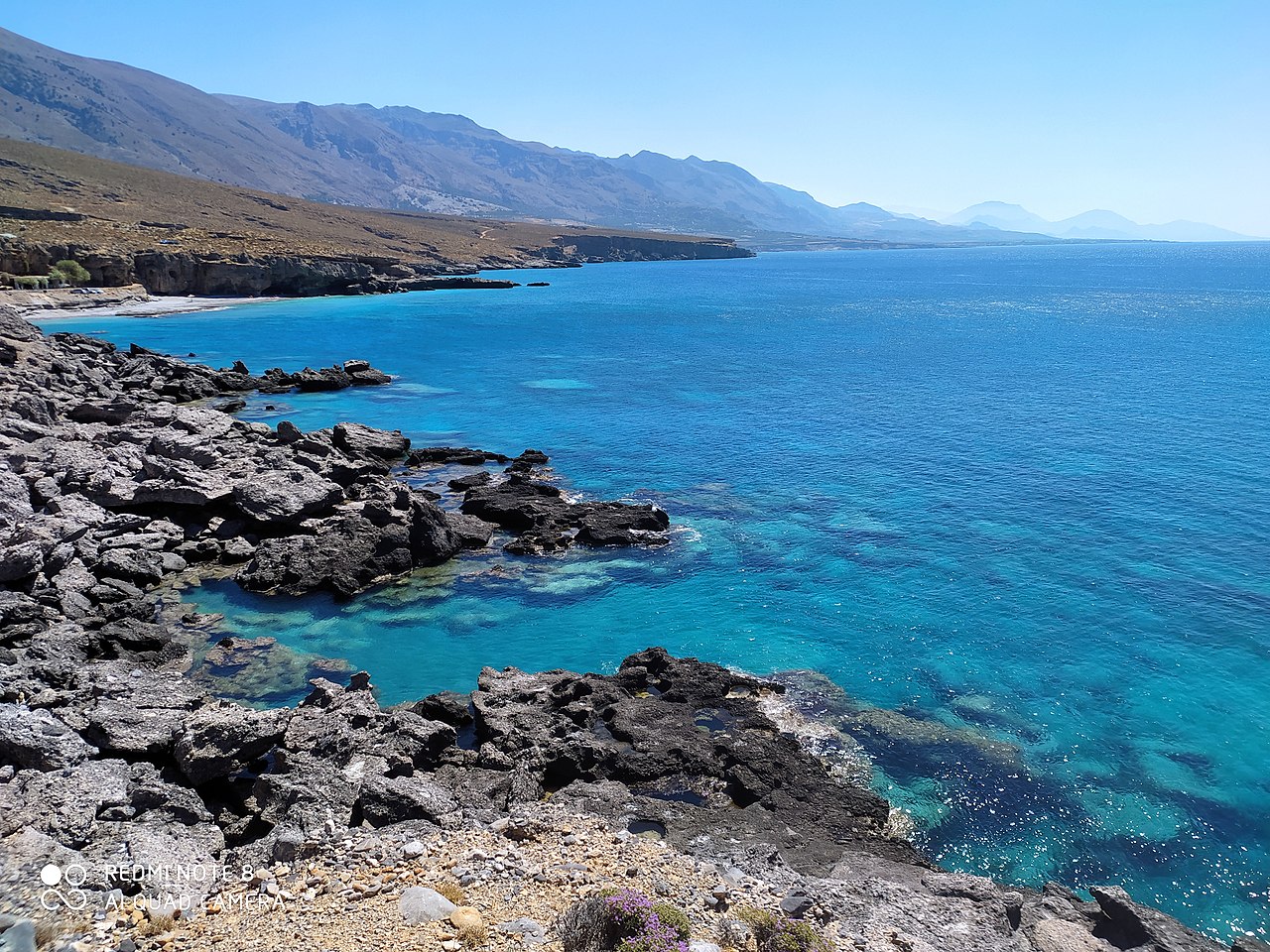
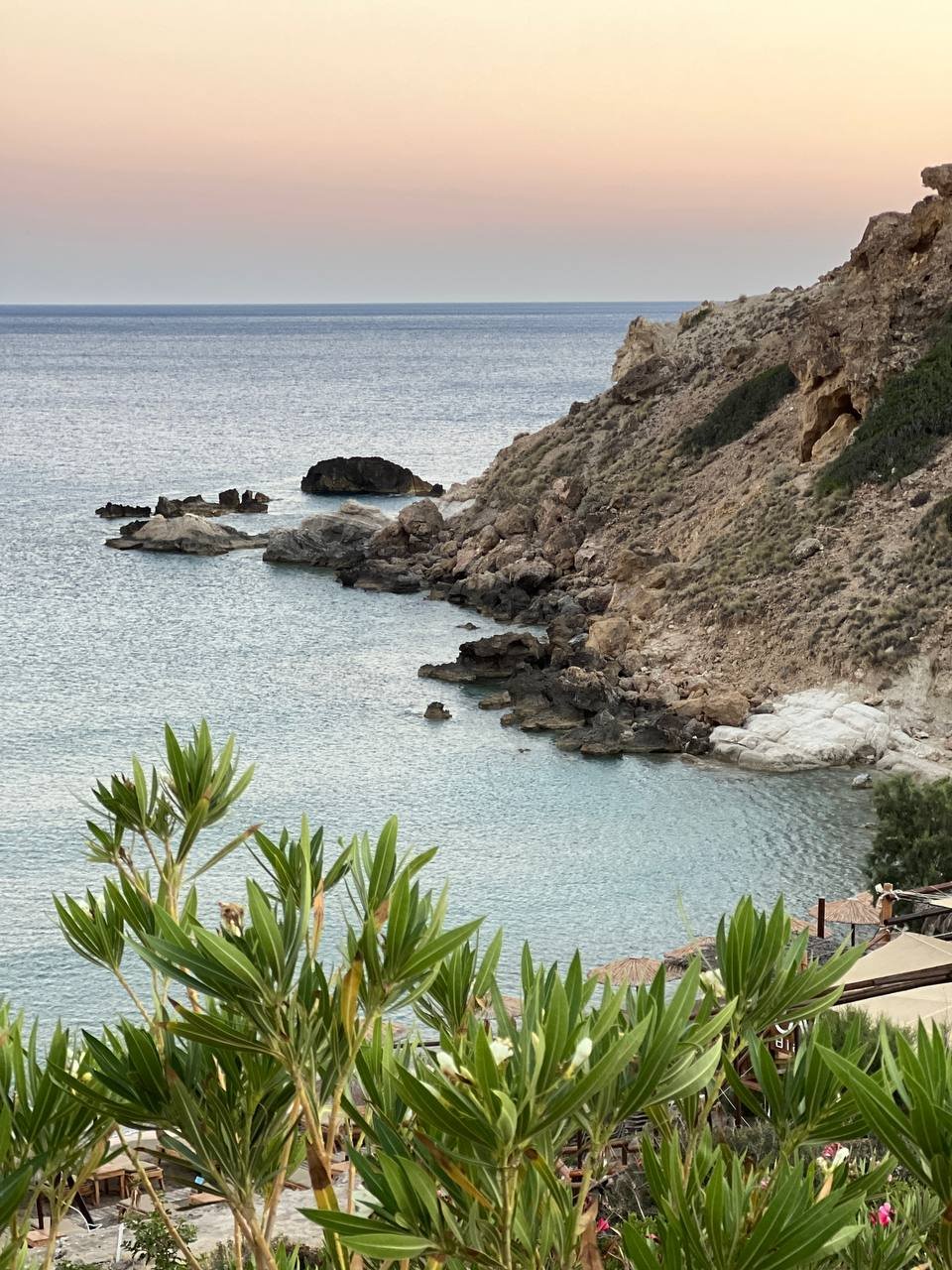
Beaches off-season: Beach infrastructure — sunbeds, tavernas, water sports — closes by late October. The beaches themselves remain and are deserted. Elafonisi (75km southwest of Chania), Balos lagoon (58km northwest of Chania), and Vai palm beach (120km east of Heraklion) are genuinely beautiful without the July crowds. Water temperature makes extended snorkeling uncomfortable for most by December, though November at sheltered south coast spots is still viable. See our Best Snorkeling Spots in Crete guide for the locations that work in cooler water.
Which Parts of Crete Stay Open in Winter?
Crete is 260km long and 60km wide. Infrastructure and winter viability vary significantly by area:
- Heraklion: Full year-round city. All services, shops, and restaurants open. Best winter base for site access.
- Chania: Old Town hotels and restaurants stay open year-round, with some closures in January. The covered Agora market operates daily. Strong year-round cultural offer including the Maritime Museum and the Archaeological Museum.
- Rethymno: The Venetian old town retains year-round activity. Significant reduction in tourist services November–March, but the city functions normally as a regional center.
- East Crete (Agios Nikolaos, Elounda, Sitia): Agios Nikolaos has year-round services. Elounda is effectively closed November–April. Sitia, as a working port, remains open with regular ferry connections to the Dodecanese.
- South coast (Matala, Plakias, Paleochora): Most businesses close November 1. Paleochora has a small stock of year-round accommodation and a few restaurants. Matala and Plakias are near-deserted from November to April.
Practical logistics: petrol stations, pharmacies, and supermarkets function normally year-round in all towns above 2,000 inhabitants. Ferry connections to Piraeus (Athens) run daily in winter on reduced schedules — overnight crossing takes 9 hours, deck class costs €35–55 one way. Domestic flights from Athens take 50 minutes and cost €40–90 one way in winter. Mountain roads — including the Omalos plateau road toward the Samaria Gorge entrance and certain Lasithi access routes — can be icy or snow-covered from December to February. Check conditions before high-altitude drives.
Greek Christmas and New Year (December 25 – January 6): Domestic Greek tourism picks up briefly during this window. Heraklion and Chania accommodation can fill — book at least 3 weeks in advance if targeting this period. Prices rise slightly but remain well below summer levels.
The bottom line on low season Crete: you trade beach infrastructure and guaranteed sunshine for 40–55% lower costs, empty heritage sites, and direct engagement with how Cretan life actually functions outside the tourist economy. For cultural travelers, hikers, and anyone focused on food and history, it is the better deal.