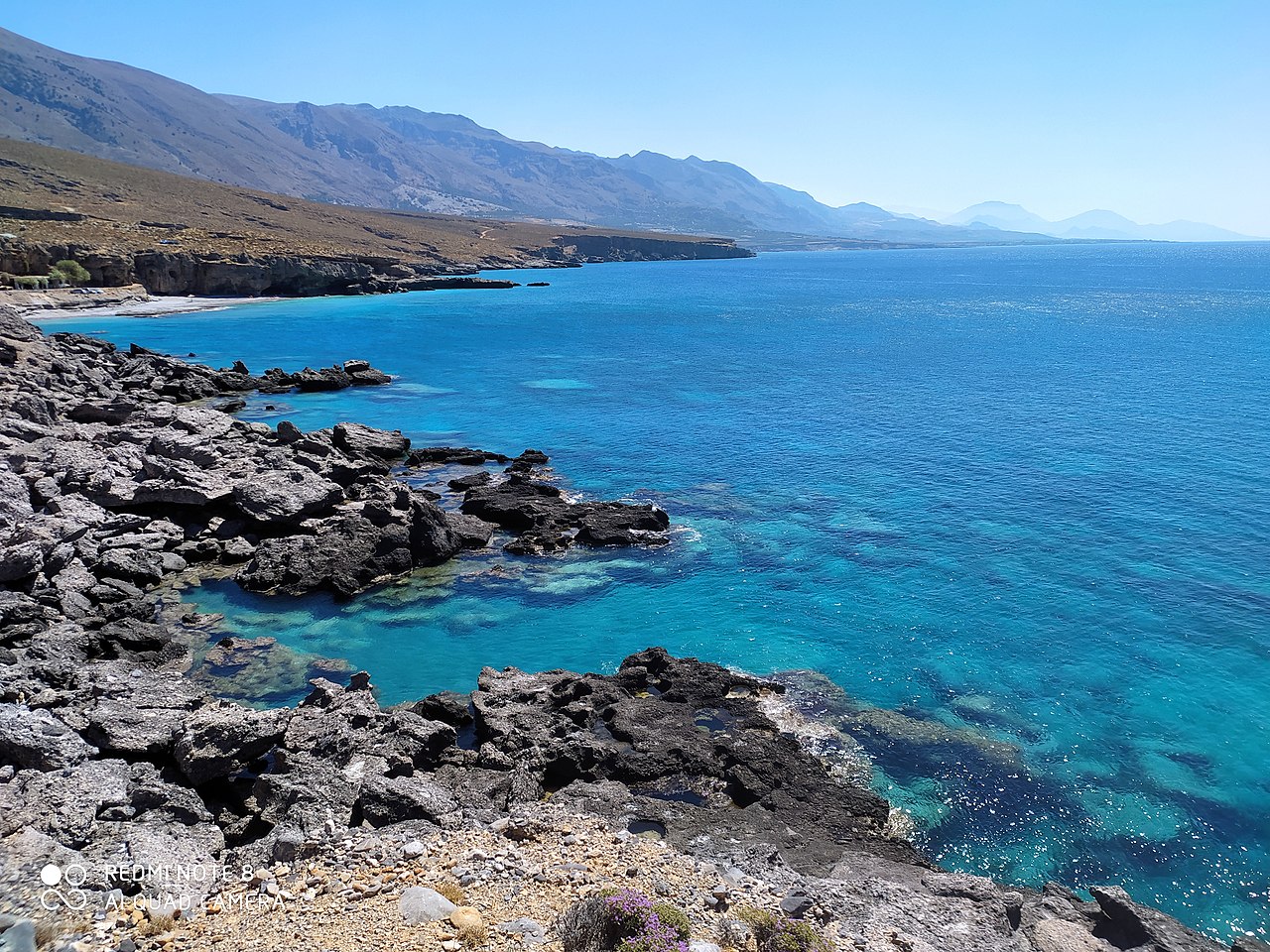
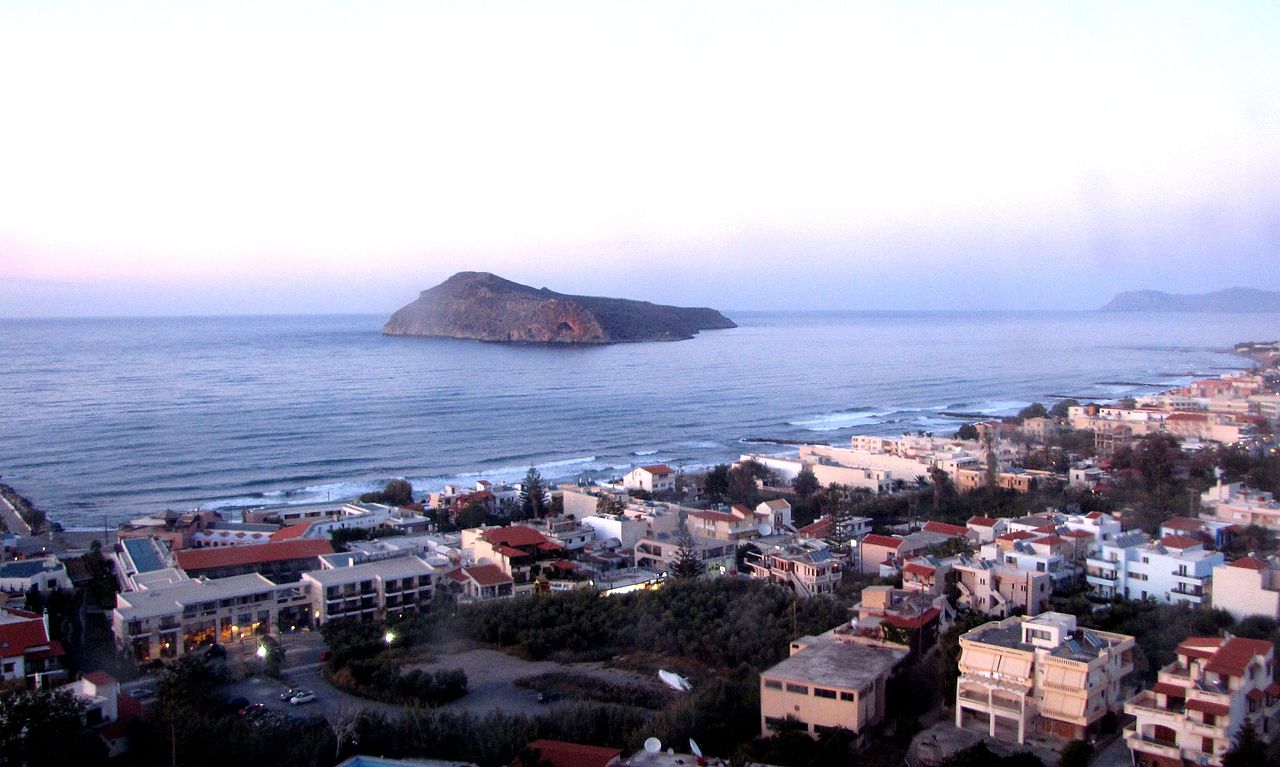
Spinalonga is a small fortified island at the entrance of the Gulf of Elounda in northeastern Crete. It covers roughly 8.5 hectares and sits less than 200 metres from the mainland village of Plaka. Most visitors arrive on the Elounda Spinalonga boat trip, a 15-minute crossing from Elounda harbour. The island held Europe's last functioning leper colony from 1903 to 1957 — that history draws around 300,000 visitors per year. This guide covers how to get there, what it costs, what to see, and how to avoid wasting half a day in a queue.
Elounda Spinalonga Boat Trip: Routes, Prices and Schedules
There are three departure points for boats to Spinalonga island Crete. Each suits a different base.
From Elounda harbour
Elounda is the main gateway. Boats depart from the main quay every 20 to 30 minutes between roughly 09:00 and 16:30 in peak season (June to September). The crossing takes 15 to 20 minutes. Return tickets cost approximately €12 to €15 per adult in 2026; children under 12 typically pay half price. In July and August, buy your ticket as early as possible — first departures are the least crowded. Elounda is 10 km north of Agios Nikolaos via the coastal road, about 15 minutes by car.
From Plaka
Plaka is a small village directly opposite Spinalonga, around 5 km north of Elounda. The channel here is barely 200 metres wide, and the crossing by local fishing boat takes approximately 5 minutes. Expect to pay €8 to €10 return per person. Services run from approximately 09:30 to 17:00, roughly every 30 minutes. Parking in Plaka is limited — arrive before 09:00 in summer or walk the 25-minute coastal path from Elounda.
From Agios Nikolaos
Several operators run half-day and full-day excursions from Agios Nikolaos harbour, 11 km south of Elounda. These trips typically include a stop at Elounda Bay before docking at Spinalonga, with total sailing time of 45 to 60 minutes each way. Prices range from €25 to €35 per adult, often including the entrance fee. Departures are usually at 10:00, returning around 16:00. This option suits visitors based in Agios Nikolaos but gives less time on the island itself.
Driving from Heraklion to Elounda takes approximately 1 hour 10 minutes (74 km via the E75 and Agios Nikolaos bypass). There is no direct ferry from Heraklion — a day trip is feasible from the capital, but plan an early start.
Spinalonga Leper Colony History: What Actually Happened Here
Spinalonga's history spans more than 3,500 years, but two periods define the island visitors walk through today.
The Venetian fortress (1579–1715)
Venice built a substantial fortification on the island in 1579 to guard the entrance to the Gulf of Elounda. The walls, bastions, and the arched tunnel entrance — the Da Molin Ramp — all date from this era. Spinalonga was one of the last Venetian strongholds in Crete: when the Ottomans captured it in 1715, they had controlled the rest of the island for nearly 50 years. The Venetian walls are exceptionally well preserved and form the visual backbone of the site.
Ottoman period (1715–1903)
The Ottomans held the island for almost 200 years, leaving behind a mosque and residential buildings. When Crete gained autonomy in 1898, the Muslim population remained on Spinalonga until 1903, at which point the Greek state repurposed the island entirely.
The leper colony (1903–1957)
In 1903, Greek authorities established a leprosy isolation colony on Spinalonga, relocating patients from across Crete and later from mainland Greece. Over 1,000 people lived and died here across five decades. Early conditions were severe: inadequate food, no running water, minimal medical care. From the 1930s onward, the community organised itself — shops, a bakery, and a kafeneion operated within the walls, and residents negotiated improved conditions with the Greek government.
The colony closed in 1957 after effective antibiotic treatments — promin and dapsone — made compulsory leprosy isolation medically unjustifiable. The last residents were transferred to a hospital near Athens. Spinalonga was Europe's last active leper colony. The island's global profile rose sharply after Victoria Hislop's 2005 novel The Island and the subsequent Greek television series To Nisi, both of which used the site as a central setting.
What to See When Visiting Spinalonga
The island circuit is walkable in 45 to 90 minutes. There is a single paved route through the settlement and along sections of the perimeter walls — you cannot get lost.
- The Da Molin Ramp (tunnel entrance): All visitors enter through the same arched stone tunnel the lepers once passed through. Low ceilings, worn stone, and dim light set a sober tone immediately. It is the most photographed feature on the island.
- The ruined settlement: Rows of stone houses, a bakery, a café, and the small church of St. Panteleimon. Most buildings are roofless but walls frequently stand to full height. Information boards in Greek and English explain life at each point; audio guides are available at the ticket booth for additional context.
- The Venetian walls and bastions: Walk along sections of the battlements for views over the Elounda Gulf and the distant Dikti mountain range. The eastern bastion gives the widest panorama over open water.
- The Ottoman mosque: A roofless mosque at the centre of the settlement, later converted and used as a church by the leper community. The minaret no longer stands.
There are no facilities on the island — no café, restaurant, or shop. Carry at least one litre of water per person; temperatures across Crete's north coast regularly exceed 35°C in August, as tracked in the Crete weather guide for 13 August 2026. Wear shoes with grip — the cobblestones are uneven — and expect very little shade on the exposed outer wall sections.
Tickets, Opening Hours and Practical Planning for 2026
Entrance fees
The site is managed by the Greek Ministry of Culture. In 2026, the standard entrance fee is €8 per adult. Reduced tickets at €4 apply for EU students, seniors over 65, and children aged 5 to 18. Children under 5 enter free. Fees are paid on arrival at the island — there is no advance online booking for individual admission, though organised tours often bundle tickets into the excursion price.
Opening hours
Spinalonga is open daily from approximately 08:30 to 20:00 in peak season (June to September) and 08:30 to 17:00 in shoulder months (April, May, October). The site is closed from November to March. Confirm locally before visiting in April or October — Ministry of Culture schedules are subject to change without much advance notice.
Best time to visit
May and June offer the best balance of reliable weather and manageable visitor numbers. The island is most congested between 11:00 and 15:00 in July and August, when several boats arrive simultaneously and the site can feel uncomfortably dense for its size. Taking the first departure from Elounda (around 09:00) gives you 30 to 60 minutes before the main wave arrives. September is an excellent month: warm weather, peak sea temperature, and noticeably fewer visitors than high summer.
Visiting with children
The walking circuit is short enough for older children, and the spinalonga leper colony history engages those aged 7 and above more than most expect. Strollers are not practical on the cobblestone paths. Children under 5 enter free. For broader family trip planning across northeastern and central Crete, the Crete with Kids 2026 guide covers family-friendly resorts, beaches, and activities island-wide.
Getting there without a car
KTEL buses run from Heraklion and Agios Nikolaos to Elounda. From the Elounda bus stop, the harbour is a 5-minute walk. Check KTEL Lasithi timetables locally — schedules change seasonally and connections outside peak summer are less frequent. The bus option pairs well with the Agios Nikolaos harbour excursion if you are travelling without a rental car.
Is Visiting Spinalonga Worth It? An Honest Assessment
For anyone with an interest in history — particularly 20th-century social history — visiting Spinalonga is one of the most affecting experiences in the whole of Crete. It is not a ruin you have to project imagination onto: the leper colony period is documented in concrete detail, and the signage communicates real human stories without sentimentality. The site punches well above its physical size.
The main risk is visiting at the wrong time. With around 300,000 annual visitors compressed into roughly 12 peak weeks, the midday window in July and August can feel very crowded on an 8.5-hectare island. The solution is straightforward: take the first boat. The 09:00 departure from Elounda consistently gives you the island with far fewer people, and the light is better for photography.
The Elounda Spinalonga boat trip is the right choice for most visitors: solid infrastructure, flexible timing, and a scenic 15-minute crossing over a calm, clear-water gulf. The Plaka crossing suits those who want the shortest route and a quieter village atmosphere. The Agios Nikolaos excursion is worth considering if you lack a rental car or want to combine the island visit with a wider coastal cruise.
Budget half a day minimum: travel to Elounda, the 15-minute crossing, 60 to 90 minutes on the island, and lunch at a harbourside taverna in Elounda. A full day is entirely comfortable — swim in the gulf, explore the town, and take a later afternoon boat back.