Best Snorkeling Spots in Crete: Island Overview
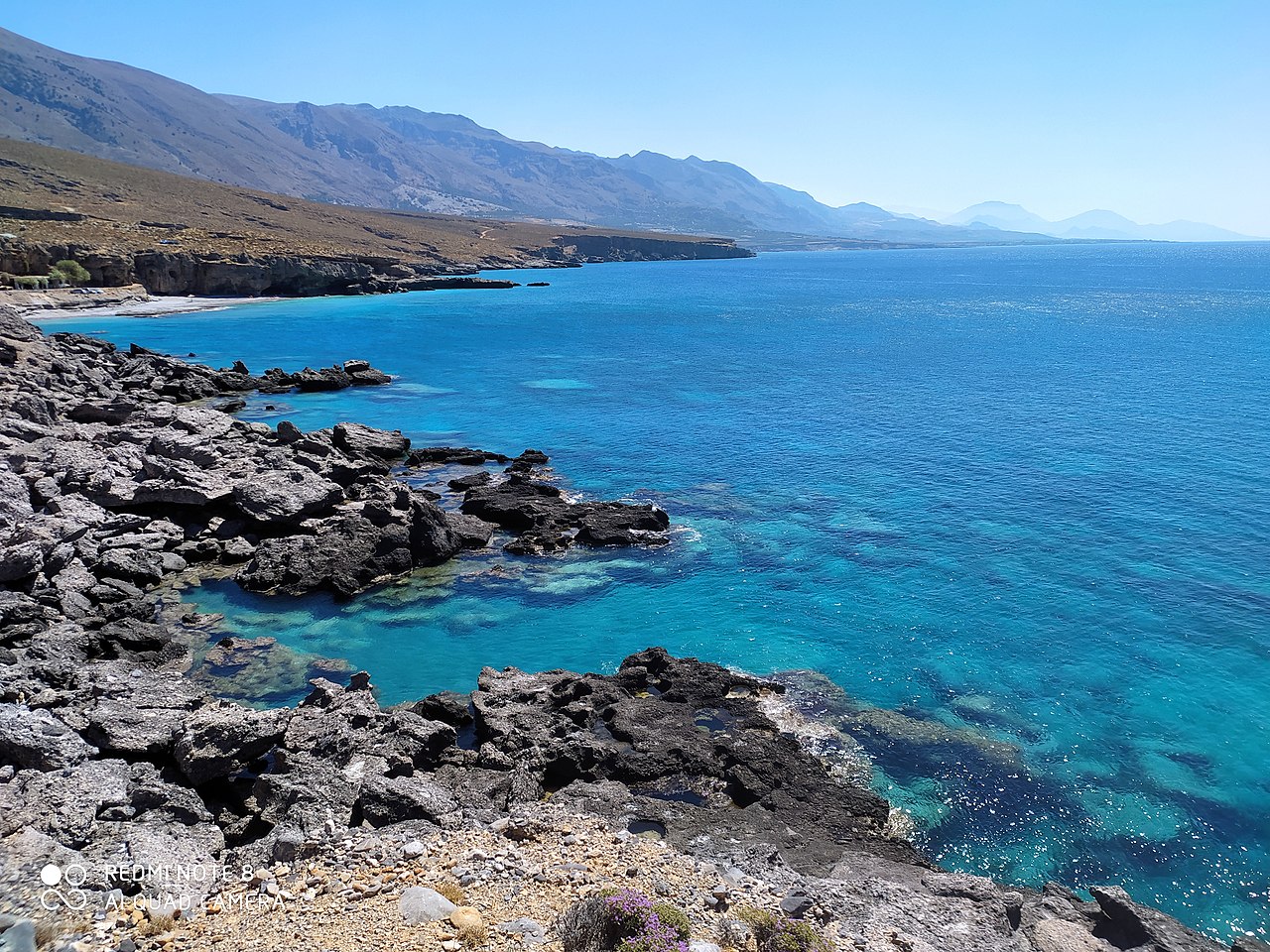
Snorkeling in Crete ranks among the best in the Mediterranean, thanks to the island's 1,000km of coastline, minimal tidal range, and water visibility that regularly exceeds 15 meters in summer. The island splits into four distinct snorkeling zones: the Chania coast in the west, the Rethymno midlands, the Heraklion central coast, and the Lasithi region in the east. Each offers different underwater terrain — rocky reefs, shallow lagoons, posidonia seagrass meadows, and cliff-face drop-offs — at varying distances from main tourist hubs.
Water temperature peaks at 26–28°C in August. From June through September, conditions are stable and visibility is at its clearest. The meltemi, the seasonal north wind, can reduce surface conditions on north-facing beaches between July and mid-August — always check current Crete weather conditions before heading to exposed sites like Balos or Seitan Limania. Entry is free at all public beaches. Parking fees range from €2–5 at organized sites. Equipment rental (mask and snorkel) costs €5–8 at most beach bars; fins add another €3–5. No permits are required for recreational snorkeling anywhere on the island.
West Crete Snorkeling: Chania Region
The Chania prefecture holds Crete's most famous snorkeling sites, concentrated along the Akrotiri peninsula and the far western tip of the island.
Seitan Limania (Agiou Stefanou Beach) — 20km northeast of Chania city center on the Akrotiri peninsula. The access road is narrow and steep; allow 15 minutes on foot from the car park. The cove sits between sheer limestone cliffs with zero facilities. Underwater: rocky bottom dropping to 6–8m, dense posidonia seagrass on the sandy floor, sea urchins on rocks, and frequent sightings of octopus and bream. Visibility: 15–20m on calm days. Best visited in the morning before the meltemi picks up — by early afternoon, surface chop makes conditions uncomfortable.
Falasarna — 59km west of Chania (55 minutes by car). One of the longest beaches in Crete, facing due west. Snorkeling in Crete does not get more accessible: the rocky southern end of the beach has a reef extending 30–40m offshore, with a sandy bottom at 2–4m near shore dropping to 8m at the reef edge. Sea bass, mullet, and occasional loggerhead sea turtles are spotted here. Parking: €3. Sunbeds: €7/day. Water sports hut rents masks and snorkels for €6.
Balos Lagoon — Accessible by ferry from Kissamos port (€16 return, 1h10m journey, departures at 10:00 and 12:30) or via 12km of rough track from the Gramvousa road (4WD recommended, €5 parking, 20-minute descent on foot). The lagoon itself averages just 0.5–1.5m depth — too shallow for snorkeling. The open sea on the north and east sides of Cape Gramvousa offers better terrain: rocky drop-offs to 10m, grouper, and sea bream. Visibility: 12–18m. The ferry option includes a circumnavigation of Gramvousa island with excellent cliff-face snorkeling stops.
Elafonisi — 75km southwest of Chania (1h10m drive). The shallow pink-sand lagoon averages 0.5–1.5m depth, excellent for children and beginners. The outer island side, accessible by wading across the channel (max 0.8m deep), has rocky outcrops dropping to 4–5m with richer marine life: wrasse, perch, damselfish. Parking: €4. Mask and snorkel rental: €7. The site is crowded by 11:00 in peak season — arrive before 09:30 for calm water and less boat traffic.
East Crete Snorkeling: Lasithi and Chrissi Island
The Lasithi region, particularly its southern coast, offers some of the clearest water snorkeling in Crete with significantly less tourist pressure than western sites.
Chrissi Island (Golden Island) — The benchmark for crete clear water snorkeling. A protected area 14km south of Ierapetra (boat transfer from Ierapetra port: €15 return, 45 minutes; from Makrigialos: €18 return, 25 minutes; departures 10:00–11:00, return 15:00–16:00 daily June–September). The island has no permanent residents and one beach taverna. The north beach (Vathi) has white sand and water visibility consistently above 20m. Posidonia seagrass beds at 3–4m depth harbor sea horses, nudibranchs, and ornate wrasse. The east cape has rocky terrain with depths to 8m. No freshwater on the island — bring 2 liters minimum per person.
Koufonisi Island — 13km off Makrigialos (informal boat trips arranged locally from the waterfront, approximately €20 round trip). Less visited than Chrissi and uninhabited. The east coast has ancient ruins both above and below the waterline: amphorae fragments and stone column sections visible in 2–4m of water. Limited organized access — ask at Makrigialos waterfront cafes the evening before.
Voulisma Beach — 75km east of Heraklion near Istro, Lasithi. The main beach is fine gravel; snorkeling is best at the south rocky headland, where depths reach 6–8m within 30m of shore. Parrotfish, sea bream, and starfish are common. Taverna on site, sunbeds €8/day, mask rental €6. Free parking.
Xerokampos — 130km southeast of Heraklion (2h drive), one of the least-touristed areas on the island. The rocky coves at the south end of the beach offer snorkeling in 2–6m with large sea urchin colonies, moray eels, and infrequent loggerhead turtle sightings. No equipment rental on site — bring your own. Two small tavernas, no sunbeds. The isolation makes this a worthwhile stop for anyone exploring the far southeast.
Makrigialos — 116km east of Heraklion. A long pebble-and-sand beach with rocky outcrops at both ends. The south headland is a reliable snorkeling site: depths 4–7m, rocky terrain, dense posidonia grass, bream and mullet. Full snorkeling set (mask, snorkel, fins) available from the main beach taverna for €8.
Central Crete: Heraklion Area Snorkeling
The north-central coast near Heraklion is more developed and visibility is lower (8–12m) than the east or west, but several accessible sites work well for those based in Heraklion without a car.
Agia Pelagia — 22km west of Heraklion (30 minutes by car or bus). The main bay is sheltered, with a sandy bottom at 2–3m and rocky sides. The rocky promontory on the right side of the bay has fish aggregations and dense sea urchin populations. Suitable for beginners and families. Mask rental at beach bars: €5–6.
Matala — 68km southwest of Heraklion. The cave-riddled cliffs bookend a sandy bay. Snorkeling is best at the south cliff base: depths 3–6m, rocky terrain with sea caves, octopus and moray eel sightings. Visibility: 10–15m. The north headland has an accessible reef visible from shore. Parking: €3. Equipment rental at beach shop: €7.
Triopetra — 90km southwest of Heraklion on the south coast. Three large rock formations extend from shore; the channels between them are 2–4m deep with excellent visibility (15–18m in peak summer) and diverse marine life including sea bass, bream, wrasse, and occasional eagle rays. One taverna, no equipment rental — bring your own gear. This is one of the best snorkeling spots in Crete that most tourists miss entirely.
For night swimming and after-dark beach access in Crete, understanding current patterns around the same rocky headlands used for daytime snorkeling is essential — the identical outcrops that concentrate fish during the day can produce unpredictable currents after sunset.
Gear, Conditions and Practical Information
Best season for snorkeling in Crete: May to October. Peak clarity runs July–September, when the water settles after spring runoff and before autumn storms. Water temperatures: 20°C in May, 24°C in June, 27–28°C in August, 25°C in October. A 3mm wetsuit adds comfort in May and October; it is unnecessary in midsummer.
Equipment rental vs. buying: Rental at organized beaches costs €5–8 for a mask-and-snorkel set, €3–5 additional for fins, or €8–12 for a full set. Quality varies significantly. If you plan to snorkel at three or more sites, buying a set in Heraklion or Chania (€25–45 for a decent mask, snorkel, and fin set at sports shops) is more economical and reliable. Prescription masks are available for rent at a few larger water sports centers in Malia and Agia Pelagia — call ahead to confirm availability.
Wind strategy: The meltemi blows strongest mid-July to mid-August from the north. On meltemi days, north-facing beaches become choppy while south-facing sites remain calm. Switch your plans accordingly: Triopetra, Chrissi Island, Xerokampos, and Matala are sheltered on meltemi days. Seitan Limania and the Balos area are best avoided when the north wind is above 4 Beaufort.
Marine life you can expect: Sea bream (tsipoura), mullet (kefalos), wrasse, sea bass (lavraki), octopus, moray eel, sea urchins, starfish, and posidonia seagrass meadows are standard across all sites. Loggerhead sea turtles (caretta caretta) nest on several south Crete beaches and are occasionally spotted while snorkeling, particularly around Chrissi Island and Xerokampos. Dolphins are rare inshore but possible on boat crossings to Chrissi or Gramvousa. There are no dangerous marine species in Cretan waters. Sea urchin spines are the primary hazard — wear fins or water shoes when entering from rocky shores.
Getting to sites without a car: Elafonisi and Balos are served by seasonal buses from Chania (KTEL Chanion, departing from Chania bus station — check current timetables at the station). Chrissi Island is boat-only from Ierapetra, which is served by regular KTEL buses from Heraklion (1h45m, approximately €8 each way). Most other sites, including Seitan Limania, Triopetra, and Xerokampos, require a rental car or scooter. Scooter rental in Crete starts at €20/day in resort towns.
If you are combining outdoor activities, the Samaria Gorge hike ends at Agia Roumeli on the south coast, where the small cove at the gorge exit offers snorkeling in clear Libyan Sea water with visibility to 12m — a logical pairing for an active day trip from Chania.