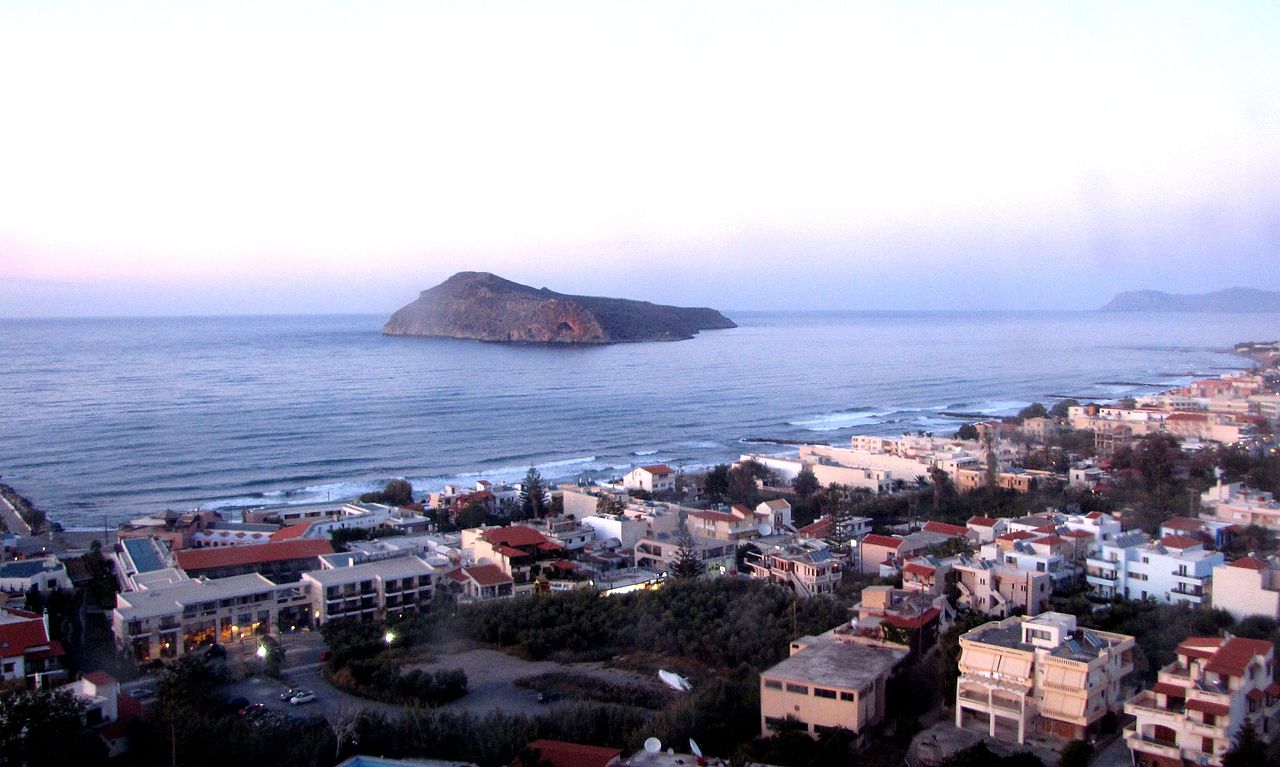
Why Crete Works for Remote Workers in 2026
Crete is not the obvious digital nomad destination — it lacks the marketing machine of Lisbon or Bali. That is precisely the advantage. Remote work in Crete means lower rents, fewer nomads competing for workspace, and a local life that has not been optimized for content creation. The island is 260 km long and 60 km wide, with international flights from 60+ cities directly into Heraklion (HER) and Chania (CHQ) airports. You can be working from a sea-view apartment within 3 hours of landing from London or Frankfurt.
Greece's Digital Nomad Visa — launched in 2021 and still fully operational in 2026 — gives non-EU remote workers a legal framework to stay up to 12 months, renewable for two additional years. Internet infrastructure has improved substantially: fiber-to-the-home (FTTH) now covers most urban areas, with download speeds reaching 300 Mbps to 1 Gbps in Heraklion and Chania city centers. Mobile 4G coverage via COSMOTE, Vodafone Greece, and Nova is reliable across all major routes and towns, with 5G beginning to roll out in Heraklion as of 2026.
Compared to other Mediterranean options: Crete runs roughly 30–40% cheaper than Barcelona and 20% cheaper than Lisbon on monthly accommodation. That advantage compounds quickly when you factor in groceries, dining, and utilities outside the July–August peak period.
Best Cities and Bases for Digital Nomads in Crete
Not all of Crete is equally nomad-friendly. Infrastructure quality drops significantly once you leave the four main urban centers. Here is an honest breakdown:
- Heraklion: The capital (population ~175,000) is the most practical base. International airport with direct year-round connections, best fiber coverage on the island, the most coworking spaces in Crete, and full urban services — banks, international pharmacies, major supermarket chains (Sklavenitis, AB Vassilopoulos, Lidl). Less scenic than Chania but unbeatable for productivity. Central furnished studios: €450–650/month.
- Chania: The most popular choice with digital nomads. The Venetian old town makes evenings genuinely enjoyable without effort. A solid expat and remote worker community has formed around the Splantzia and Nea Hora neighborhoods. City center fiber is reliable. See our complete guide to Chania Old Town to understand the neighborhood geography before choosing a base. Studios in the center: €550–800/month.
- Rethymno: Exactly 80 km from both Heraklion and Chania. A university town with a calmer pace, walkable old town, and reasonable rents (€400–600/month for a studio). The dedicated coworking scene is thin, but the student population creates a working-friendly café culture throughout the year. Best balance of character and affordability.
- Agios Nikolaos: East Crete's hub, 70 km east of Heraklion. Quieter, less commercialized than the west, with lower rents than Chania. Good internet in the center. Works well for nomads who want off-season tranquility; the town fills with package tourists in July–August.
Avoid basing yourself in resort towns such as Malia, Hersonissos, or Stalis. Internet is unreliable, businesses shut between October and May, and the environment is built for week-long package tourists, not productive multi-month stays.
Coworking Spaces and Internet Quality in Crete
The coworking spaces in Crete ecosystem is smaller than Athens but functional for most remote work needs. Expect to pay €100–180/month for a dedicated desk membership or €15–25 for a day pass. Hot desk memberships typically run €80–130/month.
- Heraklion: Several dedicated coworking spaces operate year-round. Impact Hub Crete, centrally located near Plateia Eleftherias, offers dedicated desks, meeting rooms, and a professional network. A second cluster of smaller shared offices has opened in the Agia Triada and Poros neighborhoods. Total options: roughly 6–8 spaces as of mid-2026.
- Chania: Two to three dedicated coworking options in the city center, plus several cafés in the Splantzia quarter that tolerate long laptop sessions with reliable WiFi averaging 50–150 Mbps. The nomad community here self-organizes — check Facebook groups for the current recommended spots.
- Rethymno: Limited dedicated coworking. The main option is a shared office space near the municipal market. Most nomads here work from apartments with personal fiber contracts.
For home internet: when contacting landlords, ask specifically for fiber (ίνες οπτικής). Fixed-line contracts with COSMOTE, Vodafone, or Nova start at €25–40/month for 200–500 Mbps plans. Mobile redundancy is essential — a COSMOTE SIM with 50 GB data costs around €15 at any phone shop or at the airport. COSMOTE has the widest rural 4G coverage if you plan to work from gorge-adjacent locations on weekends.
Rural Crete caveat: if you rent a hillside villa for the views, budget for slower speeds. VDSL covers most villages at 20–50 Mbps; some remote areas still have ADSL under 10 Mbps. 4G is the practical backup. This is not a deal-breaker for most workflows, but it rules out remote Crete for anyone running video production pipelines or large file transfers daily.
Cost of Living for Digital Nomads in Crete
Realistic monthly budget breakdown for a solo digital nomad in Crete, outside peak summer (July–August):
- Accommodation (furnished studio or 1BR): €450–750 depending on city and distance from center. Chania old town commands the highest rates; Rethymno and Agios Nikolaos are the most affordable.
- Coworking or home office: €100–180/month for a membership; €50–80 if you work primarily from home with occasional café days. Add €25–40 for a personal fiber line.
- Groceries: €250–350/month for one person shopping at mainstream supermarkets. Local weekly markets (laïkí) offer cheaper seasonal produce — every neighborhood has one on a specific weekday.
- Dining out: A full meal at a local taverna runs €10–16 including wine or beer. A Greek freddo espresso costs €2.50–3.50. Eating out 3–4 times per week adds roughly €200–280/month.
- Utilities: €60–80/month in winter. €130–200/month in July–August when air conditioning runs continuously. Crete summers are serious — an apartment without proper AC is not a functional workspace in peak heat. This cost is not optional from late June through mid-September.
- Transport: KTEL buses connect cities reliably (Heraklion–Chania: €14 one-way, 2h15). A long-term rental car opens the island for weekend exploration at €400–600/month for a small vehicle. Scooter rental: €150–300/month depending on engine size.
- Health insurance: EU citizens use the EHIC card for public healthcare access. Non-EU nomads on the Digital Nomad Visa must show private health insurance as part of the application — budget €60–120/month for adequate coverage.
Total monthly budget: €1,400–2,200 for a comfortable nomad life with productive workspace and occasional island travel. Budget nomads cooking at home and working from a personal fiber connection can reach €1,100–1,300 outside peak season.
Visas and Legal Setup to Work from Crete
EU and EEA citizens can work from Crete indefinitely under free movement rights. No visa is needed, though registering at the local KEP office is recommended for stays beyond 3 months and required for opening a Greek bank account.
Non-EU citizens need the Greek Digital Nomad Visa. Key specifics:
- Eligibility: Must work remotely for employers or clients based outside Greece. Both employees and freelancers qualify.
- Minimum income: €3,500/month gross from foreign sources — verified by bank statements and employment contracts or client invoices.
- Duration: 12 months initial, renewable twice for additional 1-year periods (maximum 3 years total under this visa category).
- Cost: €75 application fee at the Greek consulate in your home country.
- Processing time: 2–4 weeks. Apply before arrival — there is no on-arrival conversion pathway.
- Documents required: Valid passport, proof of remote employment or freelance income, 3 months of bank statements, private health insurance policy, proof of accommodation in Greece.
On taxation: Greece offers two favorable regimes for new tax residents in 2026. A 7% flat tax on all foreign-sourced income applies for 7 years under the non-dom regime. Separately, new residents taking up freelance or employment activity in Greece can access a 50% income tax exemption for up to 7 years. Both require formally establishing Greek tax residency with the AADE tax authority. Setup through a local accountant typically costs €300–600 and pays for itself quickly at meaningful income levels. For a fuller picture of long-term residency structures, the guide on retiring in Crete covers tax residency and property ownership in detail.
Best Seasons for Remote Work in Crete
Season changes the experience dramatically. Here is what each period actually means for working remotely from Crete:
- May–June: Optimal. Temperatures 22–28°C, low humidity, accommodation at off-peak rates (20–35% below July–August), fewer tourists at coworking spaces and cafés. Sea temperature reaches 22–24°C by late June. The island is fully operational without the peak-season stress.
- September–October: Equally strong, often better for solo nomads. Summer crowds have thinned, sea temperature stays 26–28°C from accumulated summer heat, prices drop, and businesses remain fully operational. Best window for weekend exploration without heat exhaustion.
- July–August: Temperatures in Heraklion regularly hit 35–40°C. AC is non-negotiable. Accommodation costs spike 40–70% over shoulder season. Coworking spaces fill up. That said, this is also the best time for the Aegean lifestyle if you pace work around the heat — early mornings and evenings are productive; midday is not. Check current August 2026 conditions to calibrate what peak heat actually means day-to-day. Wildfire risk is real this time of year across the island — stay updated via current wildfire situation reports before planning any rural excursions.
- November–April: Quiet Crete. Resort-area businesses close, but cities stay fully functional. Rents drop 30–50% from peak. Weather is mild by northern European standards (12–18°C), with rain concentrated in December–February. Heraklion is the most practical winter base. Excellent for budget-focused nomads who prioritize cost over beach access.
Weekend logistics: any city base puts you within 1–2 hours of serious hiking and beaches. The Agia Irini Gorge in the Sfakia region is one of the most accessible full-day hikes from Chania — significantly less crowded than Samaria Gorge and equally rewarding. For a quick beach break near Chania, Seitan Limania on the Akrotiri peninsula is 15 minutes from the city center and one of the most visually striking beaches on the island.
Practical Setup Tips on Arrival
The details that separate a smooth installation from a frustrating first month:
- SIM card: Buy at the airport on arrival. COSMOTE covers rural areas best. A prepaid SIM with 50–100 GB data costs €15–25. Switch to a monthly plan after 30 days for better value.
- Greek tax number (AFM): Apply at any local AADE tax office with your passport. Free, takes one business day. Required for signing a lease contract, opening a Greek bank account, and registering utilities in your name.
- Bank account: Revolut and Wise work smoothly for daily spending. Local ATMs charge €2–4 per foreign-card withdrawal. A Piraeus, Eurobank, or Alpha Bank account requires an AFM — worth doing for stays of 3+ months.
- Accommodation sourcing: Airbnb handles short stays, but direct rentals from local landlords run 20–35% cheaper for monthly terms. Facebook groups such as "Crete Expats" and city-specific housing groups are active and updated daily.
- Power: EU standard Type F plugs, 230V. No adapters needed for European devices. Power cuts are rare in cities, occasional in rural areas during winter storms — a small UPS or laptop with a full battery handles this easily.
- Healthcare: Each major city has a public hospital. Private clinics charge €40–80 for a GP visit and typically have English-speaking physicians available. Emergency numbers: 166 (ambulance), 112 (general European emergency number).