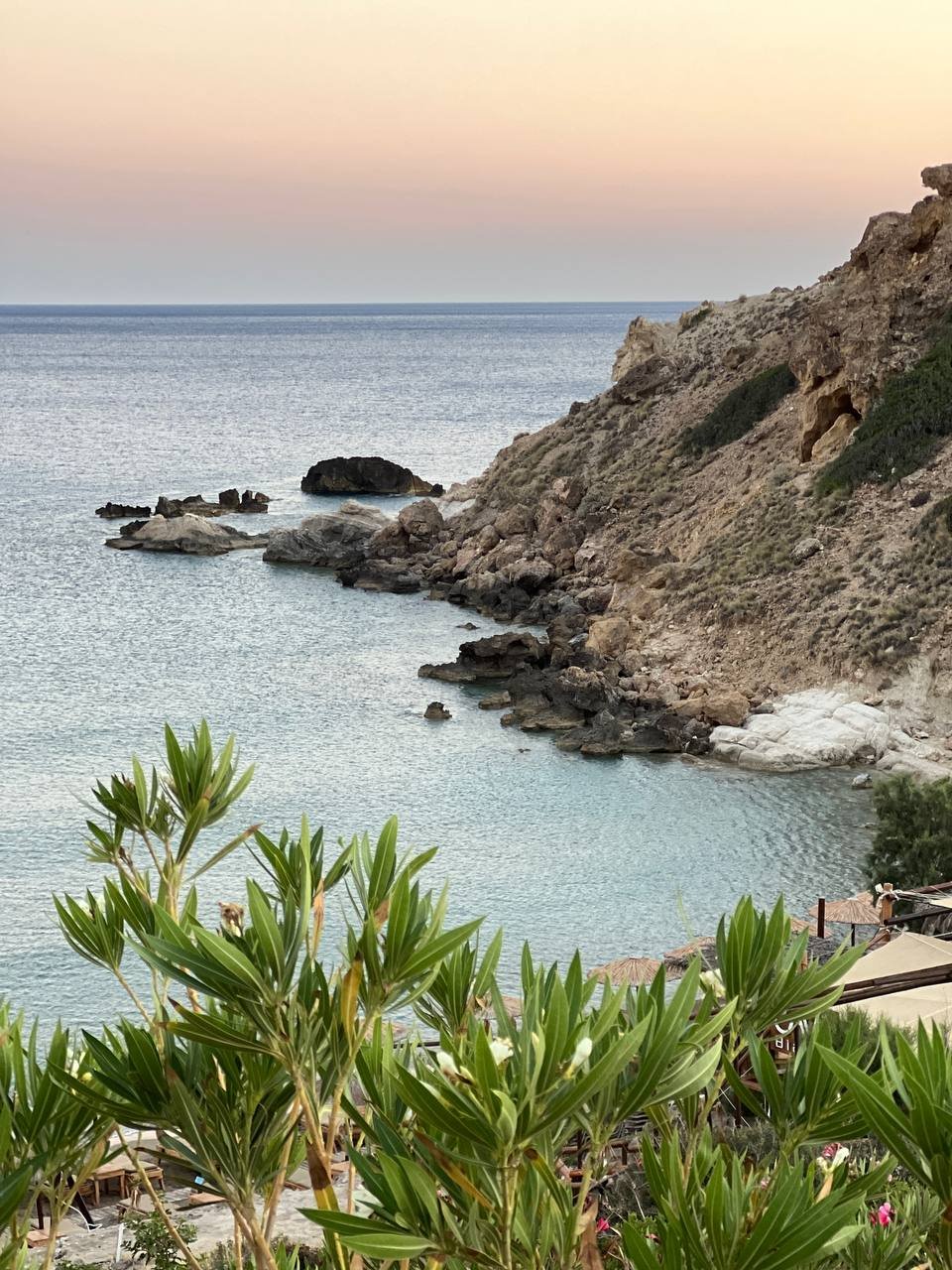
Why Autumn Light is Exceptional for Photography in Crete
In autumn, Crete's sun drops to an angle of 30–45 degrees above the horizon at midday, compared to 70+ degrees in July. That lower arc means longer golden hour Crete October windows and softer shadows throughout the day. September and October deliver 11–12 hours of daylight, but the usable golden light window extends roughly 90 minutes after sunrise and 90 minutes before sunset — almost double what summer offers.
The atmosphere also clears significantly. Summer haze from heat settles by late September, giving sharper definition on mountain ridges and coastlines. Humidity averages 55–65% versus 75%+ in August, which directly affects how crisp distant subjects render. Color temperature at golden hour runs 2,700–3,500K. Limestone cliffs, olive groves, and the Aegean's deeper autumn blue absorb this warmth differently, creating natural contrast without filters. For day-specific conditions before any shoot, the Crete weather 19 September 2026 forecast illustrates the stable patterns that repeat reliably through October.
The Lefka Ori (White Mountains) in western Crete provide dramatic backdrops: bare pale limestone against a cerulean sky in October gives extreme tonal contrast that rewards shooting raw format. Combine that with the Aegean's shift to a deeper cobalt blue and you have a palette unavailable in summer.
Best Crete Photo Spots Autumn: Locations and Access
These are the top locations for landscape photography Crete fall, with practical access details:
- Elafonissi Lagoon, SW Crete — 76 km from Chania (1h 45min drive). The pink sand reads most vividly in low-angle morning light. Post-summer crowds drop 80% after mid-September, so you can frame clean compositions at 07:00. Full logistics in the Elafonissi Beach Complete Guide 2026.
- Balos Lagoon, NW Cape — 57 km from Chania, 4WD road or boat (€10–15 return). October morning light hits the turquoise shallows at roughly 07:30 from the eastern ridge viewpoint. Most tour boats stop running by end of October, leaving the lagoon nearly empty.
- Samaria Gorge upper rim, Lefka Ori — Access from Xyloskalo trailhead at 1,227m. The gorge floor stays in shadow until 09:00; the rim catches direct light from 07:00 in October. For trail access routes that double as photography approaches, see the Hiking Crete in Autumn 2026 guide. Gorge entry fee: €5.
- Spinalonga Island, Elounda — Boat from Elounda village (€15 return, 15min crossing). Venetian fortress walls face west — ideal for golden hour Crete October shots between 17:30–18:45. Last boat back usually 18:00; confirm with operators on the day.
- Toplou Monastery plateau, East Crete — 12 km east of Sitia at 200m elevation. Unobstructed Aegean views at sunrise (06:45 in October). Free exterior access; monastery entry €3.
- Vai Palm Beach, East tip — Europe's only native palm grove. Sunrise from the southern cliff (10-min walk from parking) catches the palms in warm sidelight. Empty before 07:30 throughout October.
Golden hour timings October 2026: sunrise 07:10–07:35, sunset 18:30–18:00 (earlier as month progresses). Add 10 minutes to sunrise for usable light clearing eastern mountains.
Practical Tips for Crete Photography Autumn Shoots
Weather stability is high in early October — rain probability under 15% per day — but conditions shift fast near the north coast. The Meltemi (north wind) weakens significantly after mid-September, but east winds create dust near unpaved roads; clean your sensor before any east-Crete shoot.
- Gear: UV filter mandatory. Circular polarizer cuts water glare by 2–3 stops. Wide-angle 16–24mm handles most coastal compositions; 70–200mm compresses mountain ridgelines effectively.
- Car rental: Rates drop to €25–40/day in October. Essential for reaching gorge trailheads and remote coastal spots before dawn. Most major trailhead parking is free.
- Drone rules: Greece requires EASA registration for drones over 250g. No-fly zones apply over Heraklion airport (5km radius) and Spinalonga (protected monument). Aerial permits for national parks take 10–15 business days via the Greek Civil Aviation Authority.
- Blue hour: Chania's old harbor reflects city lights well on calm October evenings after the Meltemi dies. 5–10 sec exposures at f/8–f/11, 20 minutes after sunset.
For crete photo spots autumn, east Crete consistently outperforms west for sunrise due to flatter terrain and unobstructed horizons. West Crete (Chania region) delivers better sunset geometry with the Lefka Ori silhouette as a backdrop. Plan your base accordingly if you are shooting multiple days.


