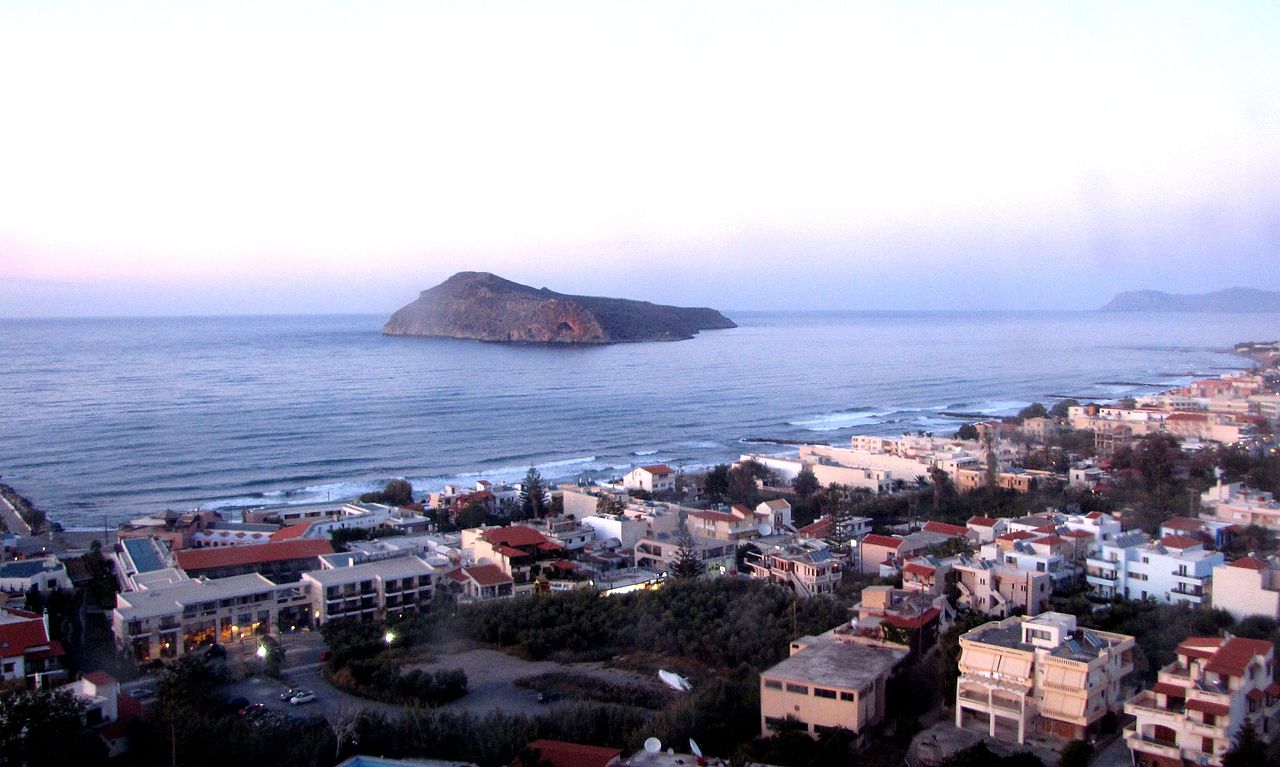
Crete has produced wine for more than 4,000 years. Archaeological evidence from Minoan palace sites at Knossos and Akrotiri documents large-scale viticulture dating to 2000 BCE. Today, the island is Greece's largest wine-producing region by area, with roughly 25,000 hectares under vine and four Protected Designation of Origin (PDO) zones regulating its premium output.
The island contributes approximately 20% of Greece's total wine production. Vine cultivation benefits from limestone-rich soils, elevation ranging from sea level to over 700 metres in the Psiloritis foothills, and a classic Mediterranean climate: hot, dry summers followed by mild, wet winters. The result is wines with high natural alcohol, pronounced fruit and, in cooler higher-altitude sites, surprising acidity.
The Vidiano Grape and Crete's Native Varieties
The vidiano grape is the ambassador of modern cretan wine. Nearly extinct by the late 1990s, it was saved through targeted replanting by producers in the Heraklion and Rethymno areas who recognised its potential. Vidiano produces full-bodied white wines with aromas of white peach, apricot, citrus blossom and almond, typically reaching 13.5–14.5% alcohol naturally. Its texture is rich without being heavy, and it ages well for two to four years. It is now the variety most likely to appear on an international wine list labelled simply as Crete.
Vilana is the volume white grape of the Peza PDO. Lighter and crisper than Vidiano, it produces wines best drunk within two years of harvest. It is the white most commonly poured from carafes in Heraklion tavernas and the default choice for producers bottling large quantities. Thrapsathiri, grown primarily in Sitia in eastern Crete, offers more floral character and mineral freshness than Vilana and is worth seeking out.
The dominant red grapes are Kotsifali and Mandilari, almost always blended together. Kotsifali alone is soft, low in tannin and prone to oxidation. Mandilari brings deep colour, firm tannins and high acidity. The combination — the backbone of Peza PDO reds — produces medium-bodied wines with cherry, dried herbs and a savoury finish. Well-made examples age comfortably for five to eight years.
Liatiko is Crete's most ancient red variety, referenced in Byzantine manuscripts and linked to the island's medieval Malvasia wine trade. It appears in the Dafnes and Sitia PDOs in both dry and sweet (Liasto) versions. At its best, Liatiko delivers red cherry, orange peel, leather and subtle spice on a silky, low-tannin frame. Douloufakis Winery's and Lyrarakis's single-varietal examples remain the benchmarks for the variety.
Crete's Wine Regions: Four PDO Zones Explained
Crete's four PDO zones are concentrated in the central and eastern parts of the island. Understanding which zone a wine comes from tells you a lot about its character and what to expect in the glass.
Peza PDO is the largest zone, covering approximately 4,500 hectares in the hills 18–25 km south of Heraklion. Red Peza must contain at least 80% Kotsifali blended with Mandilari. White Peza is 100% Vilana. This is the most commercially significant zone on the island and where most visitors begin their exploration of cretan wine.
Archanes PDO sits at 400–700 m elevation in the foothills of Mount Giouchtas, 16 km south of Heraklion. Higher altitude means cooler overnight temperatures, better acid retention and more structured reds. Kotsifali-Mandilari from Archanes is more concentrated and longer-lived than its Peza equivalent, with some examples improving over a decade in bottle.
Dafnes PDO, 25 km south of Heraklion in the Malevizi municipality, is the only zone where Liatiko is regulated as a PDO wine, in both dry and sweet Liasto styles. Douloufakis Winery is the primary estate driving quality here, and a visit to Dafnes is the most direct way to understand what makes Liatiko distinctive.
Sitia PDO in far eastern Lasithi, approximately 140 km from Heraklion, covers dry whites from Vilana and Thrapsathiri as well as Liatiko reds including the rare sweet version. The intense heat and minimal rainfall of the Sitia plateau produce concentrated whites and elegant, silky reds. The EAOS Sitia cooperative manages a substantial share of zonal production and represents the best-value entry point for the zone's wines.
Best Wineries in Crete to Visit in 2026
The concentration of quality estates in the Heraklion hinterland makes this the most practical base for crete wine tasting. Most major producers cluster within 30 km of the city, making it possible to visit two estates in a single day without long drives.
Lyrarakis Winery in Alagni (25 km south of Heraklion) is Crete's most internationally recognised estate. They revived two near-extinct white varieties — Plyto and Dafni — alongside Vidiano, and their wines now appear on restaurant lists across Europe. Tastings cost €12–18 per person and include five to six wines with small food accompaniments. Open Monday to Saturday, 10:00–17:00. Appointment strongly recommended July–August.
Douloufakis Winery (Dafnios) in Dafnes (25 km south of Heraklion) produces compelling Liatiko under the Dafnes PDO and a serious Vidiano white. The estate tasting is €10 per person, and they operate a small restaurant for wine-and-food pairing lunches. Open April to October; call ahead as private events occasionally close the tasting room.
Boutari Skalani, 12 km south of Heraklion, is the most visitor-ready winery on the island. The purpose-built centre includes air-conditioned exhibition rooms and a well-organised tasting room. Admission is €8 and includes two wines; additional pours are €3 each. Open daily in summer, 09:00–18:00. No appointment required, which makes it the easiest drop-in option near Heraklion.
Manousakis Winery in Vatolakkos (22 km east of Chania) takes a different approach entirely, focusing on Rhône varieties — Roussanne, Marsanne, Syrah, Grenache and Mourvèdre — grown in the limestone hills above Chania. Their Nostos range is among the most consistent in western Crete. Tastings by appointment only, €15 per person for five wines.
Minos Miliarakis in Peza (22 km south of Heraklion) is one of the oldest producers in the zone. High-volume overall, but their Cava reserve Peza red — Kotsifali-Mandilari aged 18 or more months in oak — demonstrates what the blend achieves with proper ageing. Tasting room open weekdays and Saturday mornings; €8 basic tasting, no appointment needed.
EAOS Sitia Cooperative in Sitia (140 km east of Heraklion) produces the full Sitia PDO range including the rare sweet Liatiko. Bottles here cost €7–12, significantly less than estate wines elsewhere on the island. Visitors are welcome with 24 hours advance notice. The drive from Heraklion along the north coast road takes approximately two hours and passes through some of eastern Crete's most dramatic landscape.
Crete Wine Tasting: Practical Guide for Visitors
A rental car is essential for the Heraklion wine country. There is no reliable public bus service to most estates. The drive from Heraklion city centre to the Peza cluster takes 30–40 minutes via the E75 motorway (exit Agia Varvara). Archanes is slightly closer at 25 minutes. Plan two winery visits per day maximum — one in the morning, one in the late afternoon — to allow time for lunch and to avoid driving after multiple tastings.
If you prefer not to drive, several operators run organised wine tours from Heraklion visiting two to three estates with transport included. Prices range from €50 to €80 per person for a full-day tour. Book through your hotel concierge or at tourism offices near Eleftherias Square in central Heraklion.
In summer, visit wineries before 11:30 or after 17:00. Midday temperatures in the Peza hills regularly reach 36–38°C, and smaller estates often observe a siesta between 13:00 and 16:00. Read the full guide to visiting Crete in August 2026 for heat management advice that applies equally to winery visits and day trips into the interior.
Budget €8–18 per estate for tasting fees, plus wine if you plan to buy. Most wineries accept credit cards. A six-bottle case averages €60–120 depending on quality tier. Lyrarakis and Boutari both offer packing assistance for larger purchases. Bring an insulated bag if you are transporting bottles in a hot car — temperatures inside a parked vehicle can reach 60°C in peak summer.
In restaurants, ask specifically for cretan wine by variety rather than accepting generic Greek wine. House carafes in Heraklion tavernas (€4–8 per 500 ml) are almost always local Vilana white or Kotsifali-based red. Bottled PDO wines start at €14–18 per bottle on most restaurant lists.
Wine Harvest Season and the Best Time to Visit
Crete's harvest runs from late July through early October. Low-lying Vilana vineyards in Peza are often picked from late July. Vidiano and higher-altitude Kotsifali typically follow in September. Liatiko destined for sweet Liasto wine in Sitia may dry on reed mats in the sun until October, concentrating the sugars through partial dehydration.
Early September is the best time for crete wine tasting combined with harvest atmosphere. Activity peaks across most estates: crews work the vineyards from dawn, cellars smell of fermenting must, and temperatures in the hills are more manageable at 28–32°C compared to the August peak. Several producers offer harvest-day experiences where visitors participate in hand-picking and watch the pressing process. For a detailed breakdown of which wineries offer harvest visits and what to expect in the autumn season, see the dedicated guide to Crete Wine Harvest 2026: Best Wineries to Visit in September and Autumn.
If you are visiting in August and want to combine cretan wine tourism with local culture, several panigiri village festivals in the Heraklion wine country feature communal tables with local wine. Crete August Festivals 2026 covers the key events across the island, including celebrations in wine villages of the Archanes and Peza areas where the new vintage is a central feature of the festivities.