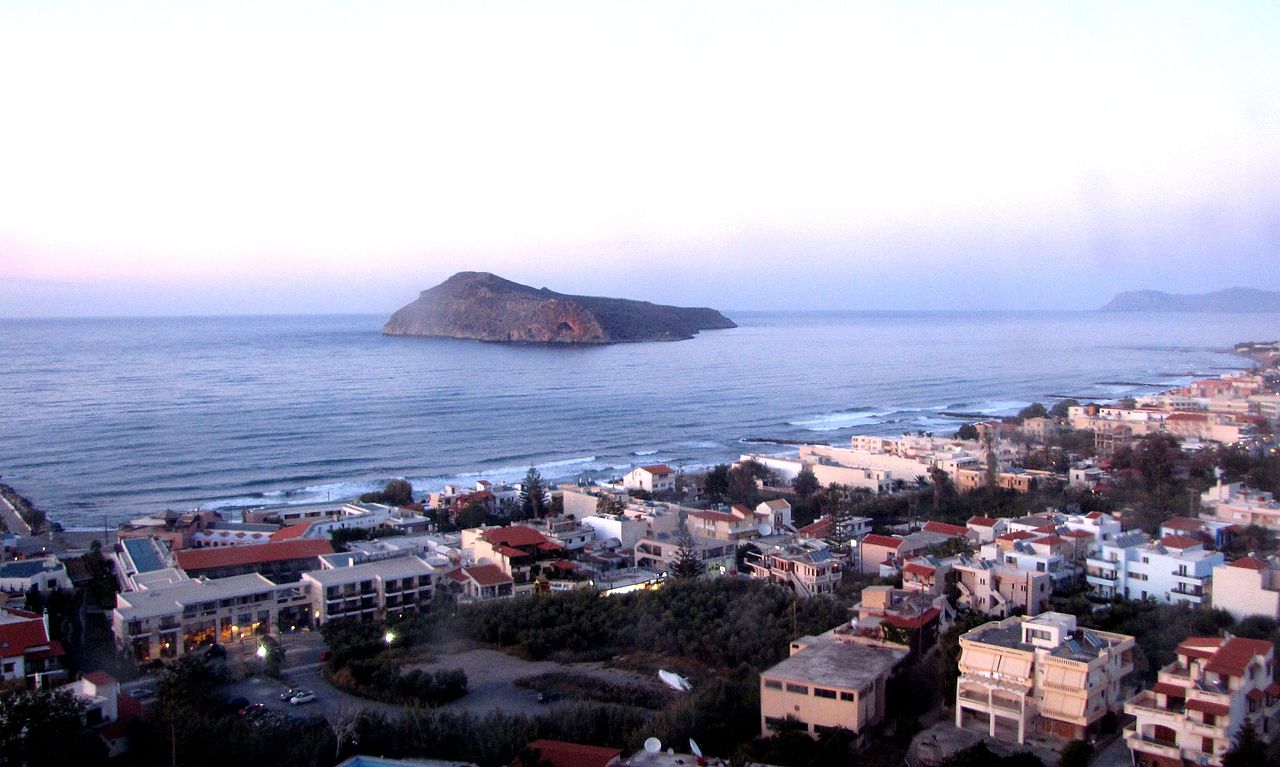
The Foundations of the Traditional Cretan Diet
The traditional Cretan diet is not a trend. It is the result of centuries of subsistence farming on an island that was isolated, mountainous, and rich in wild plants. In the 1950s and 1960s, Ancel Keys' Seven Countries Study recorded Crete as having the lowest rate of cardiovascular disease among all populations studied — at a time when Cretans were consuming up to 60ml of olive oil per day and eating red meat fewer than five times per month.
Three pillars define the diet's architecture:
- Olive oil: Crete produces approximately 130,000 tonnes annually — around 30% of total Greek output. The dominant variety is Koroneiki, yielding a robust, peppery oil. Cold-pressed extra virgin oil from areas like Kolymvari (Chania prefecture) or the Heraklion hinterland typically registers 0.2–0.3% acidity. Nothing is cooked in butter.
- Wild greens (horta): Cretans identify over 100 edible plant species on the island. Stamnagathi (wild chicory, Cichorium spinosum), vlita (amaranth), and fennel tops are the most common. They are boiled and dressed with olive oil and lemon — that is the entire recipe.
- Legumes: Black-eyed peas, lentils, chickpeas (revithia), and broad beans appear in weekly rotation. The slow-cooked lathera class of dishes — vegetables braised entirely in olive oil with no water — forms the backbone of traditional Cretan home cooking and is barely represented on tourist menus.
Dairy comes from sheep and goats, not cows. Fish features heavily on the coast but much less in mountain villages above 400m. October is a strong month to eat in Crete: summer heat drops, fishing resumes after the August slowdown, wild mushrooms emerge in the foothills — see our 2026 mushroom foraging field guide — and the olive harvest begins, a process that runs from late October through December and defines rural life. Details on joining that process in our olive harvest agrotourism guide.
Essential Cretan Dishes: The Non-Negotiable List
These are the best cretan dishes that appear on every serious table on the island. Not the tourist-menu approximations — the originals.
- Dakos (Ntakos): A barley rusk briefly softened with water or tomato juice, topped with coarsely grated ripe tomato, crumbled fresh mizithra or anthotyros cheese, cold-pressed olive oil, and dried oregano. Capers and black olives are added in some households. This is the single most representative dish of Cretan cooking — minimal ingredients, maximum flavor dependency on quality. At village tavernas: €4–7.
- Stifado: A slow-cooked braise built on pearl onions, wine vinegar, cinnamon sticks, allspice, and cloves. The protein changes — rabbit is traditional and the most common, but lamb, octopus, and wild boar versions exist. Cooking time is a minimum of three hours. The sauce should be dense and almost black. Taverna price: €13–18.
- Apaki: Smoked pork marinated in red wine vinegar with sage, rosemary, thyme, and sometimes juniper berries for 24–48 hours, then cold-smoked over carob wood and aromatic herb branches. Produced primarily in villages around Rethymno and south Heraklion. Sold in markets at €14–18/kg, served sliced thin as part of a meze spread.
- Gamopilafo: Rice cooked in lamb or goat broth until almost all liquid is absorbed, finished with rendered sheep fat or fresh butter and a squeeze of lemon. The name means wedding rice — it is served at Cretan weddings and major celebrations. Heavy, uncomplicated, and completely satisfying. Available at a handful of traditional tavernas year-round: €15–20 as a main course.
- Kalitsounia: Small pastries, fried or baked, filled with sweet fresh mizithra and mint (the Heraklion version) or with wild greens and herbs (the Chania version). The sweet type is drizzled with thyme honey after frying. Found at traditional bakeries for €1.50–3 each.
- Hohlioi Boubouristi: Snails cooked in a dry pan with coarse sea salt until they release their moisture, then doused with rosemary-infused olive oil and red wine vinegar, covered tightly and blasted on high heat. A preparation specific to Crete and not found elsewhere in Greece. A portion as meze: €8–12.
- Bouyiourdi: Graviera or feta baked in a clay dish with fresh tomato, green pepper, chili, and olive oil until bubbling and slightly charred at the edges. Simple, forceful, always ordered. €7–10.
- Sfakiani Pita: A thin unleavened flatbread from the Sfakia region (south-central Crete, approximately 75km from Chania via the Imbros gorge road), filled with local myzithra and cooked on a hot griddle with olive oil. Eaten with thyme honey. €4–7.
Cretan Cheeses and Dairy: A Practical Reference
Cretan cheese production relies almost entirely on sheep and goat milk. Each cheese occupies a specific role in the cuisine and is not interchangeable with mainland Greek equivalents.
- Graviera Kritis (PDO): Aged 5–12 months, firm, pale yellow, with a sweet and slightly nutty flavor. Made from sheep milk (minimum 85%) with some goat. Wheels weigh 6–8kg. This is Crete's most exported cheese and the one most likely to appear on international shelves under a generic label. Market price in Crete: €16–21/kg. Excellent on its own, grilled as saganaki, or grated. Rethymno and Lasithi plateau varieties are most sought after by local buyers.
- Anthotyros: A fresh whey cheese made from leftover whey after graviera production. White, soft, mildly salty, crumbles easily. Used in kalitsounia, eaten with honey, or placed on dakos. Shelf life fresh: 2–3 days. A drier aged version is available and travels better.
- Mizithra and Xinomizithra: Fresh mizithra is richer than anthotyros — additional fresh milk is added during production. The fresh version goes on dakos and into savory pies. Xinomizithra, a sour fermented version from Rethymno, is pungent and polarizing. Taste before buying in quantity.
- Staka: Cream skimmed from heated sheep milk and cooked slowly with flour until the fat separates, producing a thick, golden, intensely rich curd. Used as a spread, a pasta sauce base, or to enrich scrambled eggs. Found in Sfakia and mountain villages, rarely in coastal shops. Ask at a village kafeneio.
Tsikoudia (raki): Distilled from grape pomace after the wine harvest (September–October), served ice-cold in small glasses. Almost universally offered free at the end of a meal in traditional tavernas. Buying a bottle at a local distillery: €5–10 for 500ml. Refusing a glass is considered impolite.
Thyme honey: Crete produces some of the finest thyme honey in Europe, particularly from the Lasithi plateau and mountains above Agios Nikolaos. A 250g jar from a direct producer at a farm shop: €6–10. Use on anthotyros, sfakiani pita, or kalitsounia.
Cretan Meze: How Locals Actually Eat
The word meze (plural: mezedes) refers to small shared dishes. A proper cretan meze table is not an appetizer course before a main. It is the meal itself, spread over two to three hours alongside raki and local wine.
A typical spread includes:
- Dakos or mixed olives with bread and raw olive oil
- Cold cheese plate: graviera, mizithra, anthotyros
- Boiled horta with lemon and oil
- Fried zucchini fritters or stuffed zucchini flowers
- Grilled octopus (coastal areas) or apaki slices (inland)
- Hohlioi when in season (autumn into early winter)
- Revithokeftedes: crispy chickpea fritters, dense inside
Budget for a full cretan meze table: €15–25 per person including raki and a carafe of local wine. Heraklion's Korai Street and the streets around Lions Square (Plateia Eleftherias) have concentrated clusters of rakadika — raki taverns that exist specifically for meze culture. In Chania, the backstreets behind the old harbor deliver the same. In Rethymno, the Venetian port area and Arkadiou Street are reliable.
One practical note: Cretans eat late. Dinner before 9pm is unusual in local establishments. If you sit down at 7pm, the kitchen may be only partially operational and the atmosphere flat. Adjust timing to local custom and the experience improves substantially.
What to Eat in Crete by Season
The cretan cuisine guide that ignores seasonality is incomplete. What appears on plates in October is not what you find in June, and a taverna serving tomatoes in February is not sourcing locally.
Autumn (October–November) is arguably the richest season at the table:
- New olive oil: The harvest opens in late October in coastal areas and runs through December in the mountains. Fresh unfiltered oil — cloudy, green, intensely peppery — is available directly from mills and cooperatives. A 5L tin of new harvest oil from a cooperative: €20–32.
- Wild mushrooms: After the first serious autumn rains, porcini, Caesar's mushroom (Amanita caesarea), and milk caps appear in pine and oak forests above 400m. Mountain tavernas around Rethymno and Lasithi serve them grilled with garlic and oil or folded into omelets.
- Chestnuts: The chestnut forests of Elos village, approximately 35km southwest of Chania, produce the island's main harvest. Sold roasted at roadside stalls: €3–4 per bag. A festival in late October marks the harvest.
- Pomegranates: Used fresh, juiced, or reduced into sauces paired with game, lamb, and duck. The season peaks October through November.
- Coastal fish: September–October marks the return of serious fishing after the August heat. Dentex, sea bream (tsipoura), red mullet, and cuttlefish are at peak availability in coastal tavernas.
Winter (December–February): Slow-cooked dishes dominate. Revithia — chickpeas baked overnight in a sealed clay pot with olive oil and onion — is the Sunday staple across the island. Bean soups with wild greens. Lamb stifado. Aged graviera at its best.
Spring (March–May): Artichokes, broad beans, and wild asparagus. Easter lamb roasted whole on the spit remains the defining communal food moment of the Cretan calendar. Village Easter Sunday celebrations are the best context for experiencing traditional Cretan food culture firsthand.
Summer (June–August): Tomatoes at peak ripeness and sweetness. Grilled whole fish and octopus drying on lines outside coastal tavernas. Chilled local white wine — Vidiano and Thrapsathiri from the Heraklion wine region — with seafood. The summer menu is lighter, cooler, and fish-forward.
Where to Find Authentic Cretan Cuisine
Tourist-strip tavernas with laminated picture menus and pre-plated appetizer sets are not where you find real cretan cuisine. The following categories reliably deliver the genuine article:
- Village tavernas off main roads: Look for handwritten daily menus on a chalkboard, a Greek-majority clientele at lunch, and no photographs of dishes on the menu. The absence of English on the specials board is a positive indicator. Full meal: €20–35 per person with wine.
- Municipal markets: Heraklion's central market hall (built 1878, in continuous operation since) contains stalls selling aged graviera, fresh mizithra, apaki, dried thyme and oregano, honey, and olive oil. Open Monday to Saturday, busiest mornings. Chania's covered Agora (1913 building, 100-stall oval) serves the same function. Budget €30–50 for a meaningful selection of products to take home.
- Olive oil cooperatives: Cooperatives in Kolymvari (Chania), Sitia (east Crete), and Viannos (south Heraklion) sell directly to visitors. Tastings are possible. Prices are closer to production cost than retail.
- Mountain village kafeneio: A kafeneio above 500m elevation will often have an informal kitchen running at lunch. Ask what's available rather than looking for a menu. This is typically where staka, preserved meats, and dishes absent from coastal menus appear.
A reliable method for finding food outside the tourist circuit: follow the E4 long-distance footpath through mountain villages. Tavernas serving walkers en route operate without tourist-menu pricing and tend to use local, seasonal ingredients. Our E4 Trail Crete complete guide covers route stages and village stops in detail.