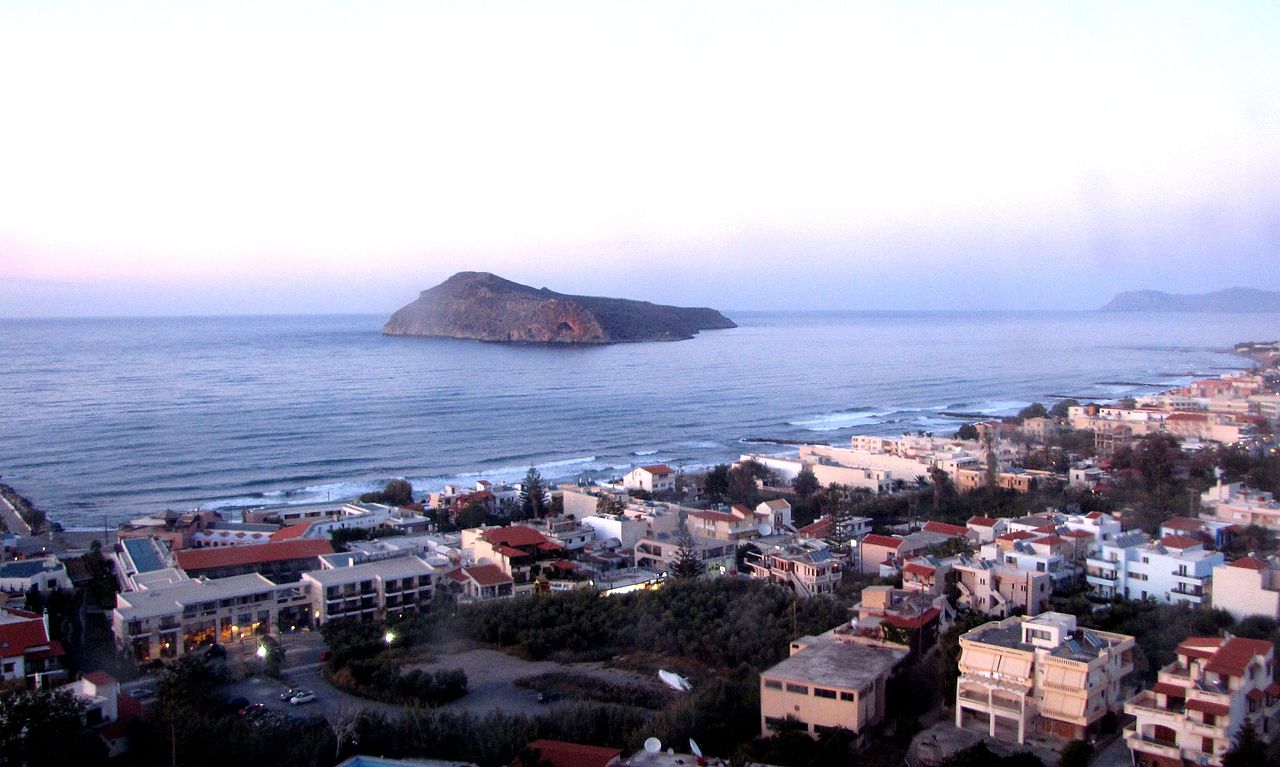
The Battle of Crete: What Happened in May 1941
The Battle of Crete (20 May – 1 June 1941) was the first large-scale airborne invasion in military history. Germany launched Operation Mercury, deploying over 22,000 Fallschirmjäger (paratroopers) to seize three key airfields: Maleme, Rethymno, and Heraklion. Allied defenders — British, Australian, New Zealand, and Greek forces — numbered roughly 40,000.
Day one was catastrophic for Germany: over 1,800 paratroopers killed, many before reaching the ground. But on Day 2, confusion in Allied command allowed Germany to reinforce Maleme airfield. That single tactical error changed the outcome. By 1 June 1941, Crete had fallen. Around 18,000 Allied troops were evacuated by Royal Navy ships from Sfakia on the south coast; approximately 12,000 were left behind and captured.
Total casualties: 6,700+ German (including 2,000 paratroopers killed), 3,500+ Allied killed or wounded, and significant civilian losses — Cretan resistance fighters and villages were subjected to mass reprisals throughout the occupation from 1941 to 1945.
World War 2 Crete Sites: The Key Locations
The main world war 2 Crete sites are concentrated in the Chania region (western Crete), where the pivotal battle for Maleme airfield took place. Heraklion and Rethymno have their own museums and cemeteries.
- German War Cemetery, Maleme — 16 km west of Chania on the E75 coastal road. Contains 4,465 graves, including the paratroopers who died taking Hill 107. Free entry, open daily sunrise to sunset. Hill 107 is the strategic high ground whose loss sealed the Allied defeat.
- Souda Bay Commonwealth War Cemetery — 4 km east of Chania, near the naval base. 1,497 graves of British, Australian, New Zealand, and Greek soldiers, maintained by the Commonwealth War Graves Commission. Free entry.
- Battle of Crete Museum, Heraklion — 9 Doukos Beaufort Street, city center. Entry around €4. Covers the 1941 battle through weapons, photographs, uniforms, and original documents. Closed Sundays.
- War Museum of Askifou — Village of Askifou, White Mountains, 55 km south of Chania. A private collection of over 5,000 locally found WWII artifacts. Entry approximately €3.
- Maleme Airfield Monument — Roadside marker in Maleme village (16 km west of Chania) at the site where the battle was decided on Day 2.
The Allied Retreat: Imbros Gorge and the Sfakia Evacuation
One of the most tangible pieces of Crete WW2 history is the Allied retreat route. After the fall of Chania, thousands of troops marched south through the White Mountains, descending through Imbros Gorge to reach Hora Sfakion on the south coast — the evacuation point.
The gorge is 8 km long and takes 2 to 3 hours to walk. It is the exact path soldiers followed under fire and exhaustion in late May 1941. Combining the hike with a visit to the Sfakia seafront — where a small memorial marks the evacuation — gives real historical context to the landscape. See our Imbros Gorge hiking guide for full distances, difficulty rating, and transport options.
Royal Navy destroyers evacuated around 18,000 men from Sfakia over four nights between 28 and 31 May 1941. The drive from Chania to Sfakia via the Askifou plateau takes about 1 hour 15 minutes. The gorges of western Crete — including Imbros — are covered in detail in our complete Crete gorges hiking guide.
Planning Your Crete WW2 Memorial Visit
Chania is the logical base for a crete memorial ww2 itinerary. The full circuit — Maleme cemetery, Souda Bay cemetery, and Askifou museum — covers roughly 130 km return and fits comfortably in one day by rental car (from €25–35/day in shoulder season).
- Best season: April–May and September–October. July and August regularly exceed 35°C, making outdoor site visits uncomfortable. September is an excellent month: temperatures around 28–30°C, thin crowds, cemeteries are quiet.
- Guided tours: Half-day Battle of Crete tours depart from Chania covering Maleme and Souda Bay with a local historian. Typical price €35–55 per person.
- Self-drive tip: Combine Maleme (morning) + Souda Bay (30 minutes from Maleme) + Askifou and Imbros Gorge (afternoon). Full day, around 170 km total.
- Photography: Both cemeteries permit photography. The German cemetery at Maleme at early morning light is particularly striking — basalt crosses against the olive groves and sea.