Why Crete Gets So Crowded in July and August
Crete welcomes over 4 million tourists a year, with roughly 60% arriving between June and August. Heraklion airport processes 1,500+ flights per week at peak. The result: Elafonisi, Balos, and Chania old town are genuinely congested by 10am. If you want to avoid crowds in Crete this summer, you need to know where the pressure points are — and how to sidestep them.
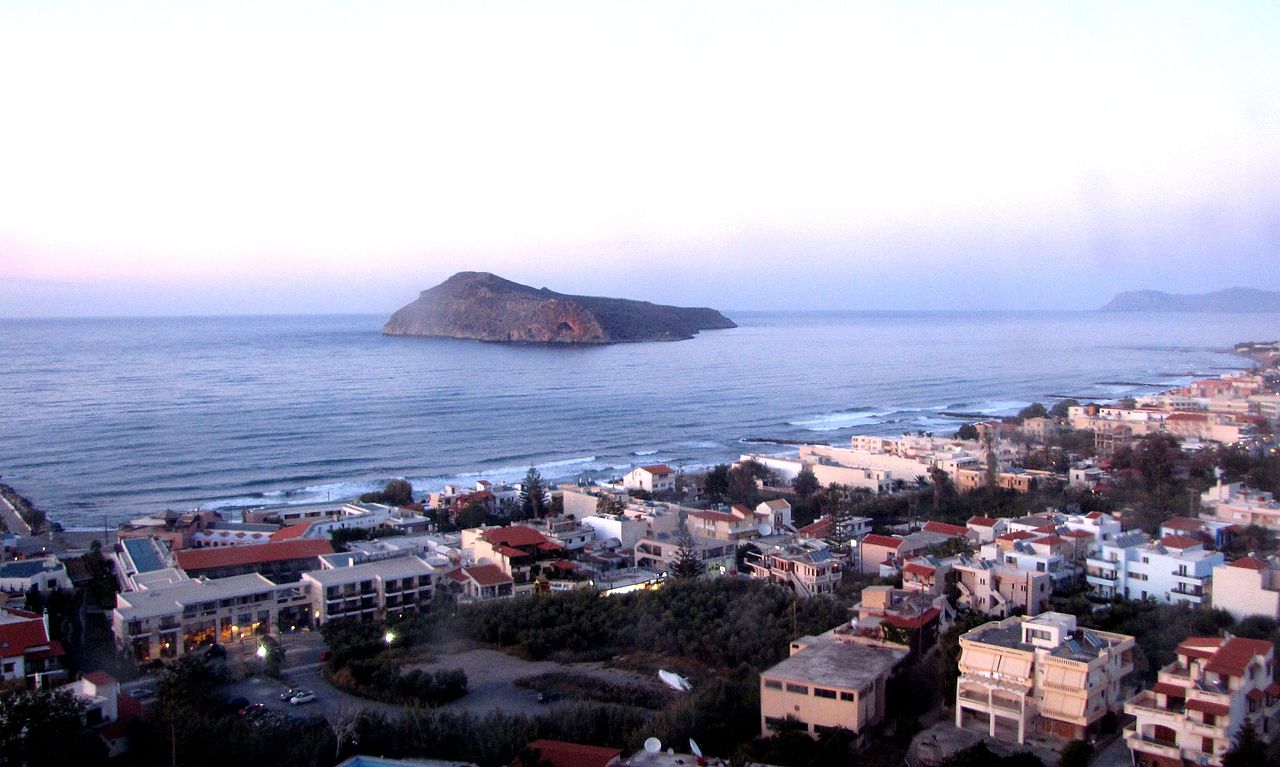
The worst bottlenecks in August: Elafonisi beach (up to 2,000 visitors daily), Balos lagoon (parking fills by 8:30am), Samaria Gorge (1,200+ hikers on busy days), and Chania harbour at sunset. These aren't rumours — they're documented by the regional tourism authority. Plan around them or avoid them entirely.
Quiet Places in Crete in August: Where to Actually Go
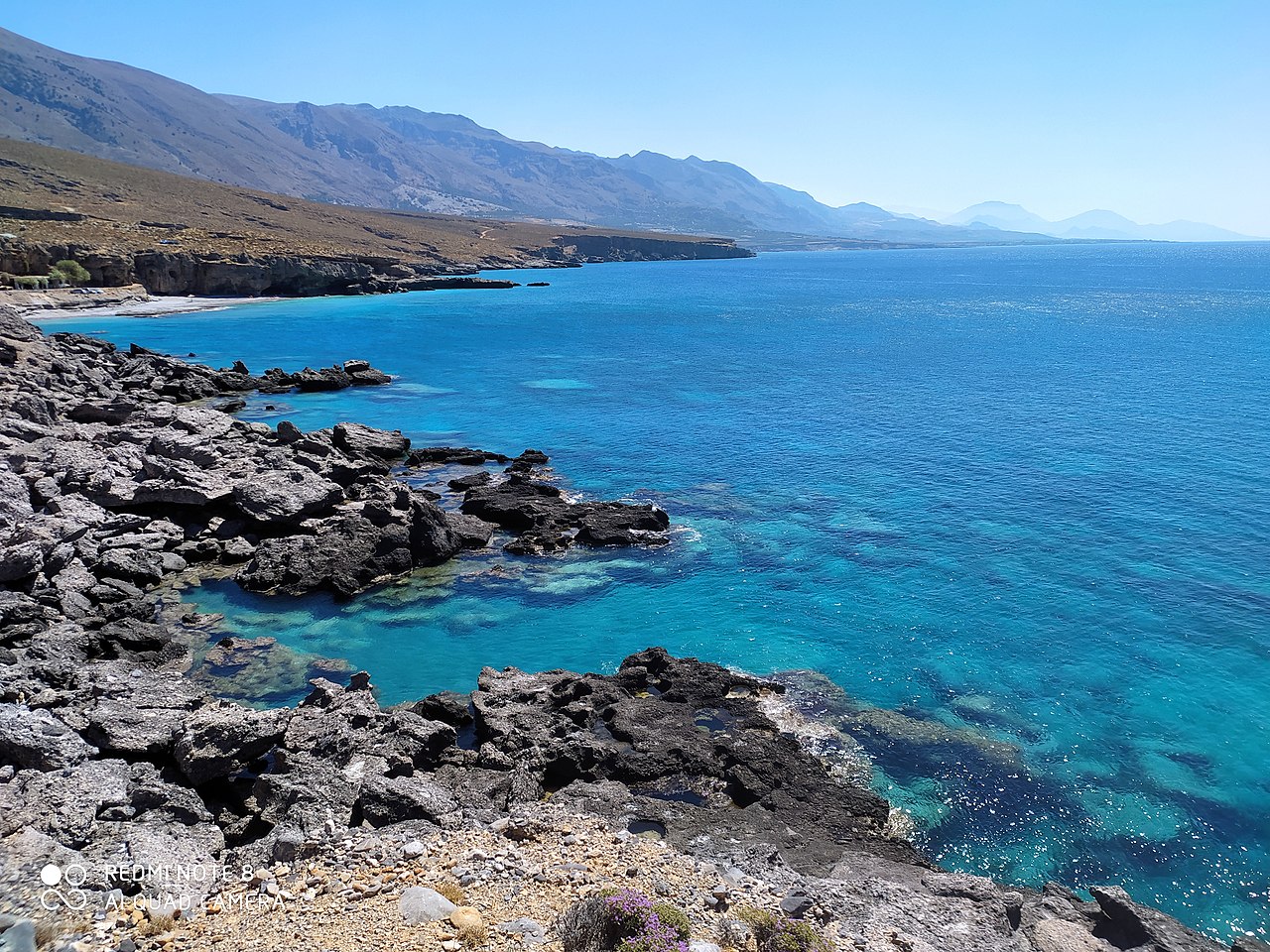
Eastern Crete is the most reliable escape. The Lassithi region — from Agios Nikolaos eastward to Sitia — receives a fraction of the traffic that hits the north coast between Heraklion and Rethymno. Specific quiet places in Crete in August worth targeting:
- Xerokampos — Far-eastern Crete, 30 km south of Sitia. Unspoilt beaches, maybe 50 sun beds total, no tour buses. Rough road keeps numbers down.
- Loutro — Accessible only by ferry or foot (no road in). Ferry from Sfakia costs around €10 return. A handful of tavernas, crystal water, genuine silence.
- Makrigialos — Long sandy beach in Lassithi province, popular with Greeks, rarely on foreign tourist radars.
- Paleochora — Small town on the southwest coast with a double beach. Quieter than Chania, with a local atmosphere that survives even August.
- Agia Galini — Fishing village on the south coast. Fewer package tourists than the north, and still a functioning community outside peak hours.
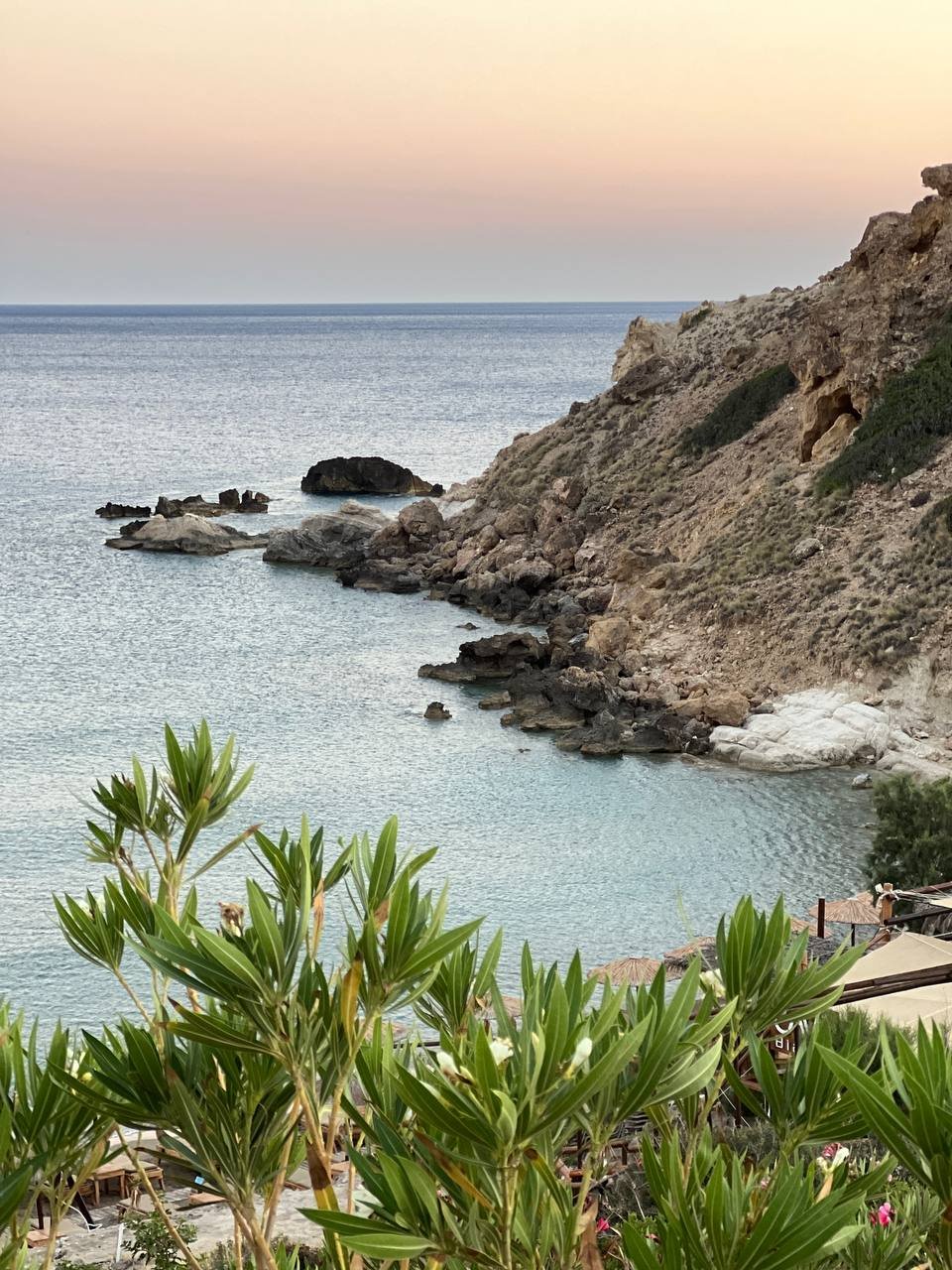
For truly less touristy Crete in summer, focus on the south coast and the far east. Thinner road infrastructure is the point — it filters the coach-tour crowd automatically.
Many of the most secluded coves on the south coast have no road access at all. A boat is the most practical solution. See our guide to best boat trips in Crete for summer 2026 for routes reaching sea caves and empty beaches around Sfakia and Rodopou peninsula — some depart at 8am specifically to reach spots before midday crowds arrive by water taxi.
Practical Tips to Beat the Crowds in Crete This Summer
Timing and logistics matter more than location alone. These tactics work even at popular sites as part of a beat the crowds in Crete strategy:
- Arrive before 9am at any major beach. Elafonisi is tolerable at 7:30am; by 11am it's wall-to-wall. The heat is also lower and the light is better for swimming.
- Visit Samaria Gorge on a weekday, starting by 7am. The 16 km hike takes 5–7 hours. Later starters arrive mid-gorge when it's already congested.
- Stay in villages, not resort towns. Basing yourself in Sfakia, Lassithi villages, or inland Rethymno adds 20–40 minutes to your drives but cuts noise, cost, and the resort-bubble effect.
- Skip the peak fortnight. The last two weeks of July and first two of August are the hardest. Early July or late August see 20–30% fewer visitors. Sea temperatures stay above 25°C through September.
- Use the afternoon heat strategically. Most tourists retreat between 1pm and 4pm. Old town centres and archaeological sites are far more accessible in this window.
- Download offline maps before you travel. Mobile signal in Sfakia, southern Lassithi, and the far east is inconsistent. Don't rely on live navigation for back-road driving.
Current weather conditions affect access to gorges and south-coast roads. The Crete weather forecast for 3 July 2026 shows typical peak-summer conditions: hot, clear, and calmest in the early morning — exactly the window to exploit if you're planning an early departure to a busy site.
For families specifically, the most crowd-free beach options aren't always the obvious ones. Our guide to best beaches for families in Crete covers shallow-water bays and safe coves that see far fewer visitors than Elafonisi or Stavros — most reachable by car in under an hour from Chania or Heraklion.