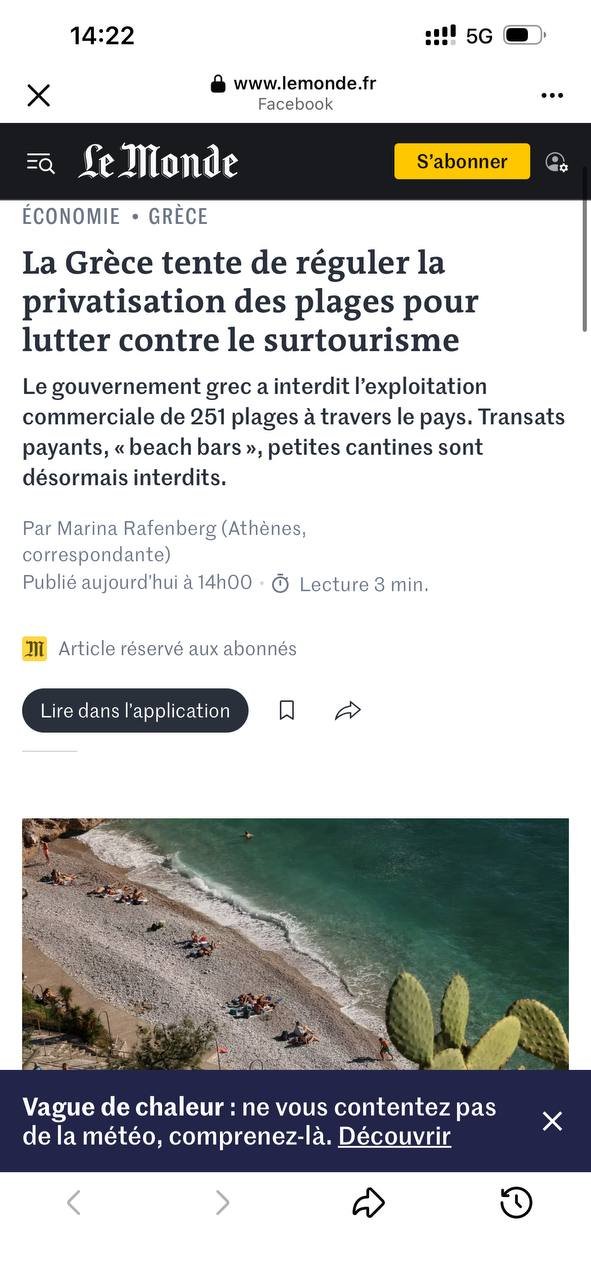
Greece Bans Commercial Beach Exploitation
Greece Bans Commercial Beach ExploitationGreece's government has implemented a nationwide ban on the commercial exploitation of 251 beaches to combat overtourism and protect coastal ecosystems. The re

Greek press, translated in 4 languages every 3 hours
Greece Bans Commercial Beach ExploitationGreece's government has implemented a nationwide ban on the commercial exploitation of 251 beaches to combat overtourism and protect coastal ecosystems. The re

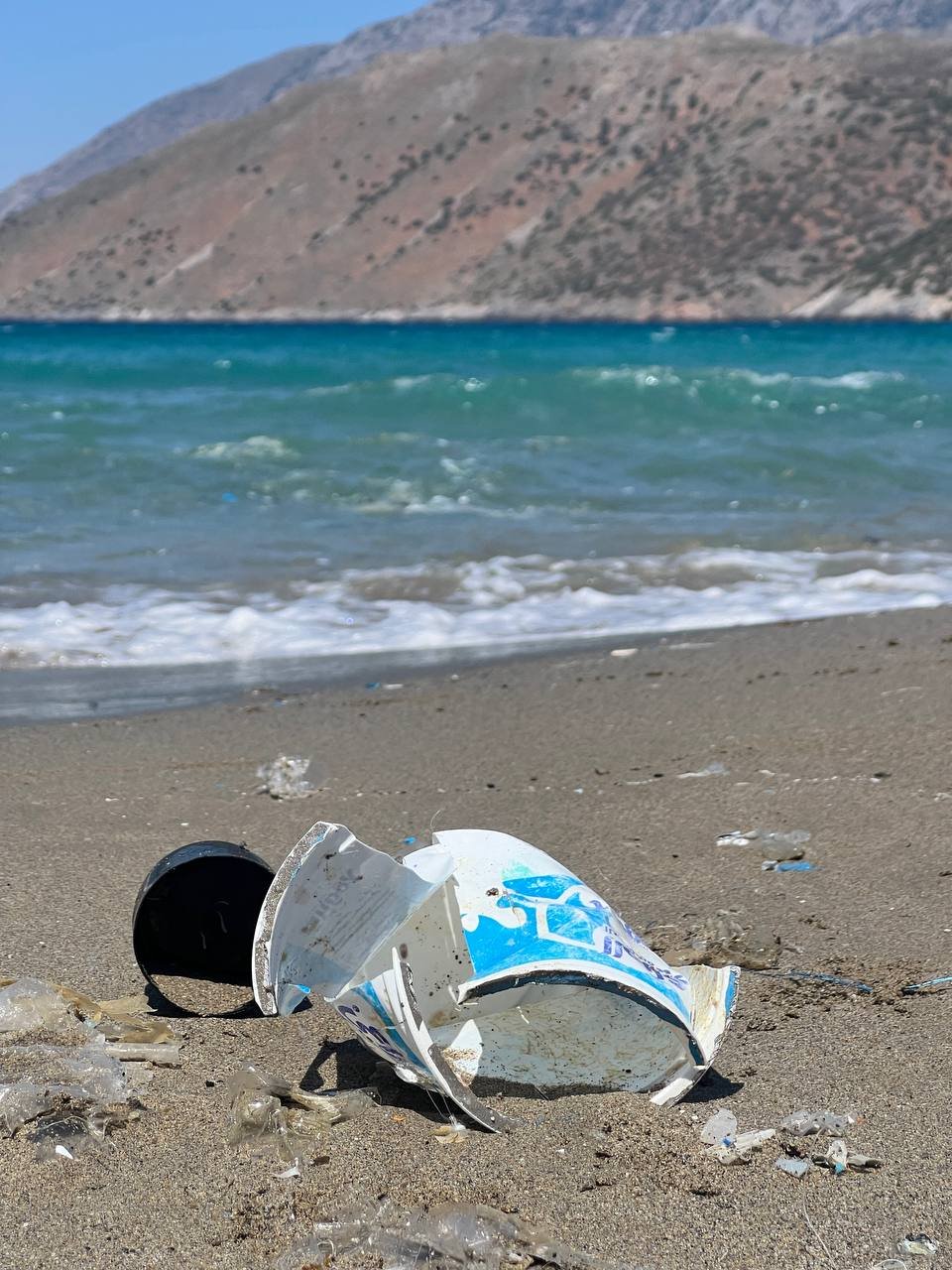
Pachia Amos beach on Crete's south coast continues to face environmental challenges as plastic waste and abandoned materials wash ashore. Recent images document significant accumulation of debris, inc

A wildfire in the Drimisko area of Rethymno, Crete, is currently under partial control. Firefighting forces remain deployed at the site conducting necessary operations to achieve complete extinguishment. Residential areas in the vicinity have not been endangered, and no evacuation measures are reported. The incident, while significant, poses no immediate threat to populated zones. Authorities are maintaining a continuous presence to ensure the fire is fully contained and does not reignite. Visitors to Rethymno should remain aware of potential air quality impacts and follow all local guidance issued by emergency services. The situation continues to be actively monitored by first responders.
A fire was reported in Drimisko, Rethymno, prompting a response from the Cretan Fire Service. The area, located in western Crete's Rethymno region, is popular with visitors. Wildfires can affect air quality and visibility in the region and may cause temporary road restrictions. Visitors and residents should monitor local authorities for updates and heed any guidance regarding the affected area. The fire service is actively managing the incident. Those in or traveling to Rethymno are advised to check official sources for current conditions and any recommended precautions for outdoor activities.
Corfu experienced a powerful storm characterized by heavy rainfall, hail, and lightning. The severe weather caused flooding in residential areas, with homes damaged and at least one lightning strike triggering a fire in an apartment building. The storm also disrupted air traffic significantly; nine aircraft were unable to land as scheduled and were diverted to alternative airports. Travelers should monitor weather forecasts and potential flight delays if visiting during adverse conditions. While the immediate storm has passed, visitors should exercise caution in flood-prone areas and follow local authorities' guidance. Those planning trips to Corfu should confirm flight status with airlines and consider travel insurance covering weather-related disruptions.
Crete is experiencing a sharp increase in electricity costs amid a regional energy crisis. Wholesale power prices have reached 211.76 euros per megawatt-hour, following earlier increases in heating oil and fuel prices. Businesses and residents are concerned about October billing, as rates depend on government subsidy decisions from the Energy Ministry (YPEN). The situation directly impacts tourism-related businesses, including hotels, restaurants, and transportation services that depend heavily on electricity supply. Tourists may face higher accommodation and service costs as businesses absorb increased operating expenses. The government has implemented targeted subsidies to limit consumer impact, but their scope for the coming months remains uncertain. Electricity costs across Greece have been volatile due to regional supply challenges and rising European demand.
A major wildfire in Siteia, eastern Crete, has burned approximately 2,500 acres of land, with flames spreading dangerously close to residential areas. Strong firefighting forces remain deployed at the site as authorities work to prevent re-ignition. The fire required intensive containment efforts, and emergency services are maintaining heightened vigilance due to re-ignition risks. This incident highlights seasonal fire hazards in Crete during vulnerable periods. Visitors in the region should stay informed about local conditions, heed any evacuation notices, and check with accommodations or local authorities for the latest safety updates. The area's infrastructure and accessibility may be temporarily affected.
Agios Nikolaos, a picturesque coastal town in eastern Crete, hosted celebrations for World Tourism Day featuring two traditional Cretan songs. The cultural performances showcased the region's rich musical heritage while emphasizing tourism's vital role in supporting local communities. The event highlighted how authentic Cretan traditions and cultural experiences form essential elements of the island's tourism appeal. These celebrations brought together visitors and residents to appreciate and celebrate the cultural significance of this Mediterranean destination.
Four volunteers from EDEAK faced critical moments during a major wildfire affecting the Chanos area in Siteia, eastern Crete. While responding to the emergency, the volunteer firefighters became trapped by advancing flames but successfully escaped at the last moment. Their swift action and determination during the incident demonstrated the dedication of the region's volunteer emergency response teams. EDEAK, the local volunteer fire service, played a significant role in firefighting efforts. This incident underscores ongoing fire management challenges in the region during certain seasons and reminds both residents and visitors of the natural hazards that can affect Crete.
A major wildfire swept through Siteia in eastern Crete, requiring an intensive overnight firefighting operation. One hundred fifty firefighters and 35 vehicles engaged in continuous combat against the flames. Five settlements in the affected region were evacuated as a precautionary measure to protect residents. Emergency services remain on high alert due to the ongoing risk of re-ignition, particularly given the dry conditions prevalent during late summer. The incident highlights the significant operational challenges facing Crete's fire service during the peak wildfire season. Local authorities maintain emergency readiness across the region. Visitors to eastern Crete should monitor official updates and follow local guidance regarding travel in affected areas to ensure their safety.
Unleaded petrol prices in Greece have surged dramatically, placing the country among Europe's poorest performers in fuel affordability relative to wages. Economic data demonstrates that the average Greek worker's monthly salary purchases significantly less petrol than counterparts in other European nations. This pronounced rise in fuel costs directly impacts both residents and visitors, particularly those renting vehicles for transportation across Crete. Greeks can purchase approximately half the quantity of fuel that workers in other European countries obtain with equivalent wages. International comparison studies underscore the substantial gap between Greek fuel prices and broader European market averages, consequently affecting travel budget planning and daily transportation expenses for tourists exploring the island.
A 3.4 magnitude earthquake was recorded east of Lasithi in eastern Crete. The seismic event was detected in this region, which is located along active geological fault lines in the eastern Mediterranean. Earthquakes of 3.4 magnitude are classified as minor tremors. Crete experiences regular seismic activity due to its tectonic setting. Tourists visiting the island should be aware that occasional earthquakes are a natural feature of the region. Official seismic monitoring networks continuously track activity.
A significant wildfire in Crete's Lasithi region near Siteia is proving difficult to contain, with firefighting crews conducting all-night operations. The fire poses potential concerns for air quality, visibility, and outdoor activities in the affected area. Visitors and residents should monitor local authorities for real-time updates regarding road closures, travel restrictions, and evacuation notices. Those planning to visit eastern Crete are advised to check civil protection services and regional tourism websites for current conditions before travel. Information on air quality and transport conditions can be obtained from Greek civil protection services.
A significant wildfire has intensified in Siteia, located in eastern Crete. Aerial firefighting support has been withdrawn, with ground-based crews now leading containment efforts. The escalation prompted authorities to shift tactical response. Visitors to the region may experience temporary road closures and reduced air quality. While emergency services continue operations, tourists should monitor local authorities for travel advisories affecting eastern Crete. The fire's scope and containment timeline remain under active management by local emergency responders.
A magnitude 4.0 earthquake struck Greece on Saturday, 19 September 2026 at 11:56 AM (Athens time). The tremor is classified as moderate in intensity. While earthquakes of this magnitude are generally not dangerous, visitors to Crete and the broader Greek region should be aware of seismic activity in the area. Greece lies in a tectonically active zone, and minor to moderate earthquakes are not uncommon. Visitors are advised to familiarize themselves with basic earthquake safety procedures. No significant damage or injuries have been reported, and authorities continue monitoring the situation.
Crete is on fire danger alert category 2 across the entire island for Sunday, according to Hellenic Fire Service. Category 2 indicates high risk with conditions favoring rapid fire spread. Visitors should exercise caution during outdoor activities, particularly hiking and camping. Avoid open flames, dispose of cigarettes properly, and refrain from activities that could ignite fires. Check local authority updates before visiting mountainous or forested areas. Emergency services remain on heightened alert. Tourists are advised to stay informed through local news and comply with any temporary restrictions on access to natural areas.
A fire that broke out Thursday afternoon in Gigilo, Crete, shows significant improvement. Emergency services continue operating at the site with one firefighting team working to contain the blaze. The team was transported by helicopter due to difficult terrain and access conditions. The fire, which initially threatened the area, is now under better control. Emergency response efforts continue to ensure complete containment. Travelers and residents in the Gigilo area are advised to remain alert and follow local authorities' guidance for safety. Further updates on the fire's cause and full impact remain pending.
The Fire Service responded immediately to reports of a fire in the Kourna area of western Chania, Crete. The blaze was reported in a structure that had previously been used as a stable. Emergency personnel arrived promptly at the scene and mobilized resources to contain and suppress the fire. The quick response helped prevent further spread to nearby properties. At the time of the initial report, specific details regarding casualties, injuries, or the extent of structural damage were not immediately available. Fire service officials continued their assessment and containment efforts. Visitors to the Kourna area and surrounding regions are advised to monitor local news and official updates for any information regarding temporary access restrictions, evacuation zones, or potential air quality impacts from smoke.
A moderate magnitude 4.3 earthquake occurred in the Aegean Sea, approximately 29 kilometers south of Skiathos Island in Central Greece on Friday, 18 September 2026, at 08:42 local Athens time. While the earthquake was moderate in intensity, there were no immediate reports of significant damage to tourist infrastructure. The Aegean Sea region occasionally experiences seismic activity due to its location along tectonic boundaries. Travelers visiting the area are advised to stay informed about weather and environmental conditions through official sources. Skiathos Island, a popular tourist destination in the Northern Sporades, continues to welcome visitors. Those with concerns about seismic activity should consult with their accommodation providers or local authorities for guidance.
A moderate earthquake with magnitude 4.4 struck the Aegean Sea approximately 34 kilometers southwest of Skyros in Euboea, Greece on Friday, September 18, 2026 at 09:40 Athens time. The seismic activity occurred in central Greece's marine region. While moderate earthquakes are common in the eastern Mediterranean due to active tectonic activity, travelers in Greece should remain aware of seismic conditions. No immediate damage reports were issued. Visitors to island destinations and coastal areas should follow standard earthquake safety protocols and stay informed through local authorities and travel advisories. Greece experiences regular seismic activity, and the region maintains monitoring systems for public safety.
A wildfire broke out in Gigilo, near Chania, in a difficult-to-access mountainous area. Two helicopters were deployed to combat the fire, conducting aerial water drops and retardant operations. Despite these efforts, the fire could not be brought under control before nightfall, complicating further firefighting operations. The remote location hinders ground crew access. Authorities continue containment efforts. Visitors and residents should monitor updates and follow emergency service guidance regarding air quality and possible travel restrictions.
The president of Nerokouro local community has raised concerns about poor construction quality in a section of the BOAK (Northern Road Axis) highway in eastern Crete. The complaint highlights workmanship defects in recent interventions, with warnings that the area faces increased flood risk. The BOAK is a major east-west highway project critical for regional connectivity and access to tourist destinations.
Crete experienced severe weather conditions with over 50 millimetres of rainfall and wind gusts reaching 77 kilometres per hour, resulting in significant flooding across the island. Such adverse meteorological conditions can substantially impact transportation networks, road accessibility, and outdoor activities for visitors. Heavy rainfall and strong winds pose risks to travel schedules and infrastructure. Travellers planning trips to Crete should check updated weather forecasts and road conditions before departure. Local authorities continue to monitor the situation closely and respond to emergency needs. Visitors currently on the island should exercise caution, avoid flooded areas, heed travel warnings, and follow guidance from local emergency services and accommodation providers.
Crete faces high fire risk on Thursday, with a large portion of the island placed under yellow alert status. The yellow alert level indicates elevated fire danger conditions requiring caution. Visitors and residents are advised to exercise care regarding open flames, smoking in outdoor areas, and activities that could spark fires. The alert affects multiple regions across the island. Travelers planning outdoor activities should monitor official weather updates and be prepared to adjust plans if conditions worsen. Follow local authority guidance and ensure campfires or grills are properly extinguished. Stay informed through local news sources and consider visiting indoor attractions if fire conditions intensify.
Crete faces deteriorating weather conditions with persistent rain and thunderstorms expected across the island. Strong winds are intensifying across the Aegean Sea, affecting marine transport, ferry schedules, and coastal areas. Authorities have issued weather alerts for potential flooding in several regions of Crete due to expected heavy rainfall. Travelers and residents should closely monitor official weather updates from the Hellenic Meteorological Institute. Exercise caution when planning outdoor activities or sea travel during this period. Ferry services may experience delays or cancellations due to rough sea conditions. Drivers are strongly advised to avoid coastal roads during the heaviest downpours and to check road conditions before departing. The unsettled weather pattern is expected to persist for the coming days.
Crete has been placed on the highest alert level for flood risk. The warning indicates dangerous conditions related to heavy rainfall potential across the island. Authorities are monitoring weather patterns closely. Visitors should stay informed through local weather updates and follow guidance from tourism officials. If planning outdoor activities, consider checking current conditions and potential disruptions. Coastal and low-lying areas may be particularly vulnerable. Travelers are advised to monitor weather forecasts, avoid driving during heavy rain, and follow local authority instructions. Hotels and tourist facilities have emergency procedures in place. This type of alert is seasonal in Crete, particularly during autumn and winter months.
Crete has been placed in an elevated fire danger category for Wednesday, according to fire safety authorities. This alert is issued based on weather conditions and fire outbreak risk assessments. Visitors should be aware that elevated fire danger may affect outdoor activities including hiking, camping, and beach access in affected areas. Check local authorities' updates for any travel restrictions or evacuation guidelines. Avoid outdoor fires and smoking in natural areas. Follow guidance from hotel staff and local services regarding safe activities during high-risk days.
Authorities have issued a flood risk warning for Crete and the Dodecanese islands. This alert indicates potentially hazardous weather conditions that could lead to flooding episodes in these regions. Visitors and residents are advised to monitor official weather updates and remain aware of local conditions. Check with your accommodation provider or local authorities for any travel advisories or activity disruptions. Avoid low-lying areas and streams during heavy rainfall. Keep emergency contacts and shelter locations accessible. Weather alerts should be monitored regularly, as conditions may change rapidly.
Crete is in the center of attention due to a significant weather system bringing three days of heavy rain and thunderstorms. Authorities have issued warnings for potential flooding phenomena across the island. Visitors should prepare for disrupted travel conditions, possible road closures, and beach closures during this period. All outdoor activities and excursions may be affected or cancelled. Check with local authorities and your accommodation provider for real-time updates. Stay informed through local weather services and municipality channels. Avoid areas known to be prone to flooding. Ensure you have travel insurance and maintain emergency contact information. Plan indoor activities as an alternative.
Crete faces mounting climate challenges that affect visitors and infrastructure. Water scarcity threatens reliable access to resources across the island, impacting hotels, attractions and daily operations. Meanwhile, increased flood risks pose safety concerns, particularly during winter and spring storms. These environmental shifts reflect broader Mediterranean climate patterns, with rising temperatures and shifting precipitation. Travelers should stay informed about local weather forecasts and potential service interruptions. The island is adapting infrastructure to address these pressures, but seasonal variations may affect availability of water-dependent activities and transportation. Visitors planning trips are advised to check current conditions and infrastructure status before arrival.
President Konstantinos Tassoulas visited Arkalochori to assess the region's progress in rebuilding following recent earthquake damage. The presidential visit focused on three major developments affecting central Crete: earthquake reconstruction efforts, the ongoing development of Kastelli International Airport, and social programs run by the Holy Metropolis of Arkalochori. These initiatives represent key infrastructure projects and community support measures shaping the region's recovery and future capacity to accommodate visitors. The visit underscores Greece's commitment to restoring affected areas and developing essential transportation infrastructure on the island.
Fuel prices continue to rise at gas stations in Chania, Crete, impacting travelers and residents. Unleaded petrol has nearly reached 2.30 EUR per liter, while 100-octane fuel costs 2.69 EUR. This upward trend affects tourists planning to rent vehicles and explore the island. Car rental expenses are an important budget consideration for visitors touring Crete's beaches, archaeological sites, and countryside. The rising fuel prices may influence transportation choices, including the decision between car rentals and public transportation or organized tours. Travelers should factor in increased fuel surcharges when budgeting for a Cretan vacation.
A high wildfire risk alert has been issued for Crete and the Aegean islands due to adverse weather conditions today. Greek meteorological authorities warn of elevated fire danger across these regions. Visitors should take precautions by avoiding activities in remote or forested areas where fire risk is highest. Stay informed through local news and official emergency alerts. Follow guidance from local authorities and your accommodation provider regarding any travel restrictions or safety measures. Air quality may be affected in areas near active fires. Check with your hotel or tour operator for updates on road closures or areas to avoid.
A sewage leak flooded Agia Marina Street in Pasakaki, a village in Crete, on Sunday evening. The overflow emerged from a damaged sewer cover for unknown reasons, inundating the road with wastewater. Local residents reported the incident. The cause remains under investigation. Such infrastructure issues can temporarily disrupt access to affected areas and pose health concerns. Authorities were likely notified to assess damage and coordinate repairs. The incident reflects challenges with aging sewage infrastructure in some Cretan municipalities. Visitors should avoid the area until cleanup and repairs are completed.
Tomorrow, half of Crete will be placed under a yellow alert due to high fire risk conditions across the island. This second-level weather warning indicates significantly elevated danger in multiple zones. Visitors planning outdoor activities should avoid hiking in remote and forested areas during peak afternoon hours when fire conditions are most severe. Exercise extreme caution with outdoor activities and strictly avoid open flames anywhere on the island. Follow all local authorities' safety guidance and remain updated through official weather services and local news. Check with accommodation providers or tour operators about potential activity cancellations or rescheduling. Yellow alerts may impact certain hiking trails and limit beach access in affected regions.
Greece's fire hazard map indicates elevated fire risk across Crete for Monday. The high fire danger classification is part of ongoing seasonal weather monitoring affecting the island. Visitors planning outdoor activities, hiking, or beach visits should exercise caution and stay informed about current conditions. Check local authorities' updates and avoid unnecessary activities in fire-prone areas. Keep valuables secured and follow any safety advisories issued by local authorities. Monitor weather forecasts and official fire service announcements throughout the day. Visitors are advised to remain vigilant about fire prevention and to report any suspicious activity or signs of fire to emergency services immediately.
Crete is under heightened fire alert today, Sunday September 13, with parts of the island classified at wildfire danger level 3 (high). Authorities are calling for increased caution from residents and visitors. The island faces significantly elevated wildfire risk conditions, detailed in the official risk map. Visitors are advised to avoid remote areas and respect local restrictions. Check official updates before planning outdoor activities, especially hiking or forest visits. Fires spread rapidly during peak temperatures. Report any smoke or fires immediately to local authorities. Travelers should monitor weather forecasts and follow all safety guidance from local officials.
Crete is under heightened alert for elevated fire risk on Sunday, with authorities maintaining increased vigilance across the island. The warning indicates potentially dangerous conditions for outdoor activities and natural areas. Visitors should monitor official weather advisories, avoid hiking or camping in forested regions, and exercise caution with any open flames. Local authorities are prepared for rapid response, but access to certain areas may be restricted during peak fire danger hours. Check with your accommodation or local tourism offices for specific updates and activity recommendations. Air quality may be affected in some regions, so plan accordingly when visiting beaches or inland villages.
Crete is under increased fire danger alert for Sunday September 13. Authorities warn residents and visitors to exercise caution due to heightened wildfire risk. Citizens are advised to avoid outdoor activities in remote areas, refrain from using open flames, properly dispose of cigarettes, and report any signs of fire immediately to emergency services at 112. Visitors should stay informed through local authorities and tourist services. The alert is in effect for the specified date as weather and dry conditions create elevated fire risk across the island. Check with your accommodation and local tourism offices for any travel restrictions or evacuation procedures.
Crete faced active wildfires across two major regions - Chania and Heraklion - during strong wind conditions. The heightened winds intensified fire spread, affecting two of the island's largest population centers and key tourist areas. Visitors should monitor local emergency alerts for potential impacts on accommodations, transport routes, and outdoor activities in affected regions.
Fires have broken out in Chania and Heraklion, Crete's two largest cities, amid strong wind conditions affecting the island. The region is experiencing extreme weather patterns that have contributed to fire spread. Chania and Heraklion are major tourist destinations hosting thousands of visitors annually. Travelers in these areas should monitor local news updates and follow guidance from local authorities. Air quality may be affected by smoke in affected districts. Road closures are possible depending on fire proximity to transport routes. Visitors should have contingency plans and check with their accommodation providers for necessary precautions. Current weather conditions remain challenging, with wind continuing to fuel fire activity.
Greek Tourism Minister Marinakis announced plans to reduce seasonal unemployment subsidies for tourism workers from their current duration to just two months, triggering widespread protests across Crete. The policy affects thousands of seasonal workers in Greece's tourism industry who depend on these benefits during off-season months. Labor unions and tourism sector representatives have voiced strong opposition, arguing the cuts would harm worker livelihoods and potentially destabilize the industry. Crete, as a major tourism destination, faces particular economic impacts from the measure. The dispute reflects ongoing tensions between government fiscal policy and workforce protection in Greece's tourism-dependent economy.
Half of Crete will be placed under yellow weather alert on Saturday due to high fire danger. The Greek meteorological service has issued this heightened warning, indicating significantly increased risk of wildfires across affected regions. Visitors should exercise caution during outdoor activities, particularly hiking and beach visits in dry areas. Avoid leaving fires unattended and follow local authority instructions. Check official alerts before planning outdoor activities. The warning reflects seasonal conditions typical for September in Crete, when high temperatures and dry conditions elevate wildfire risk.
The Chania Fire Department responded to a fire alert in the area near the Agios Onouphrios bridge on Friday evening shortly before 19:00. Emergency services were mobilized following reports of fire in the vicinity. Travelers in the Chania region should remain alert to potential access restrictions or traffic diversions in the affected area. The exact extent of the fire and any immediate impact on local attractions or transportation infrastructure awaits clarification from authorities.
A fire broke out Friday afternoon at 13:20 in an agricultural area south of the national highway in Amoudari, Sfakia. Emergency responders deployed immediately and successfully contained the blaze through rapid intervention. The incident demonstrates the responsiveness of Cretan fire services to public safety situations. No details were provided regarding the fire's extent or cause. The region's emergency infrastructure proved effective in managing the threat.
Eastern Crete has been placed on yellow alert today due to high fire risk conditions. Citizens and visitors are advised to remain vigilant and take necessary precautions. The elevated fire danger reflects dry weather patterns that increase wildfire likelihood. Authorities recommend avoiding activities that could trigger fires, including unattended campfires, careless cigarette disposal, or machinery use in dry vegetation. Visitors planning outdoor activities, hiking, or beach visits should monitor official alerts and follow local guidance. Those in affected areas should keep emergency numbers accessible and be prepared to evacuate if necessary. The alert underscores seasonal fire risks that can impact travel plans and outdoor recreation during summer months in Crete.
The Municipality of Heraklion has convened its Local Operational Coordination Body for Civil Protection to review planning and response strategies for flooding. The meeting addressed comprehensive civil protection actions designed to mitigate flood risks affecting the region. Participants reviewed preparedness protocols, emergency response procedures, and coordination mechanisms among relevant agencies to ensure effective crisis management. This initiative guarantees that infrastructure resilience and public safety measures are properly implemented during adverse weather conditions. Visitors should be aware that the municipality actively monitors and manages flood risks, supporting both tourist safety and protection of critical infrastructure in one of Crete's major destinations.
Crete is under a high fire danger alert on Thursday, September 10, according to official forecasts. The entire island is placed at yellow alert status, with 18 regions across Greece designated as high-risk fire zones. Visitors are advised to exercise caution during outdoor activities, particularly hiking and camping. Avoid open flames, stay informed of local conditions, and follow guidance from local authorities. Dry conditions and warm weather increase wildfire risk during this period. Tourists should monitor weather updates and adjust travel plans accordingly if conditions worsen.
Western Greece continues to experience seismic activity on its second day, with multiple aftershocks following a 4.4 magnitude earthquake. Visitors and residents should remain alert and follow local authorities' guidance regarding safety protocols. If in the affected area, avoid unnecessary travel and be prepared for potential further aftershocks. Check with your accommodation provider and local tourism authorities for any activity cancellations or safety advisories. The situation remains under monitoring, and authorities recommend staying informed through official channels for updates regarding regional stability and safety recommendations.
A tanker carrying approximately 2 million barrels of Iraqi fuel oil linked to Greek interests was struck by a drone, causing a fire onboard. The incident occurred in Eastern Mediterranean maritime waters. Emergency response teams responded to contain the fire. The strike underscores ongoing maritime security concerns in the region. Vessel status and environmental impact assessments were underway. Such incidents can disrupt shipping routes and fuel supply chains affecting regional operations. Maritime travelers and operators should monitor updates from local authorities regarding any potential impacts on transport routes and port operations in the coming days.
Crete is under a high fire risk alert (level 3) today, according to weather authorities. This means elevated danger from wildfires across the island, particularly in dry areas. Visitors and residents are advised to avoid outdoor activities in high-risk zones, especially hiking and picnicking in forests. Fire services maintain heightened readiness. Air quality may be affected in some regions due to smoke. Beaches remain accessible but visitors should check local updates before traveling inland or to mountainous areas. Keep a close eye on official warnings and follow all local guidance. Avoid using open flames and campfires anywhere on the island during this alert period.
A weak magnitude 2.6 earthquake struck the Eastern Mediterranean on Wednesday, September 9, 2026, at 6:35 am local time. The seismic event occurred approximately 41 kilometers south of Gavdos Island, the southernmost point of Greece, in the Chania region off the coast of Crete. No damage or injuries have been reported. Such minor seismic activity is common in the Eastern Mediterranean, a tectonically active region. Visitors to Crete should be aware that occasional earthquake tremors may occur, though they rarely affect tourist areas or cause disruption to travel plans. This remote offshore location is far from populated beaches and resort areas. For more information about earthquake preparedness in Greece, travelers are advised to consult local authorities or their accommodations.