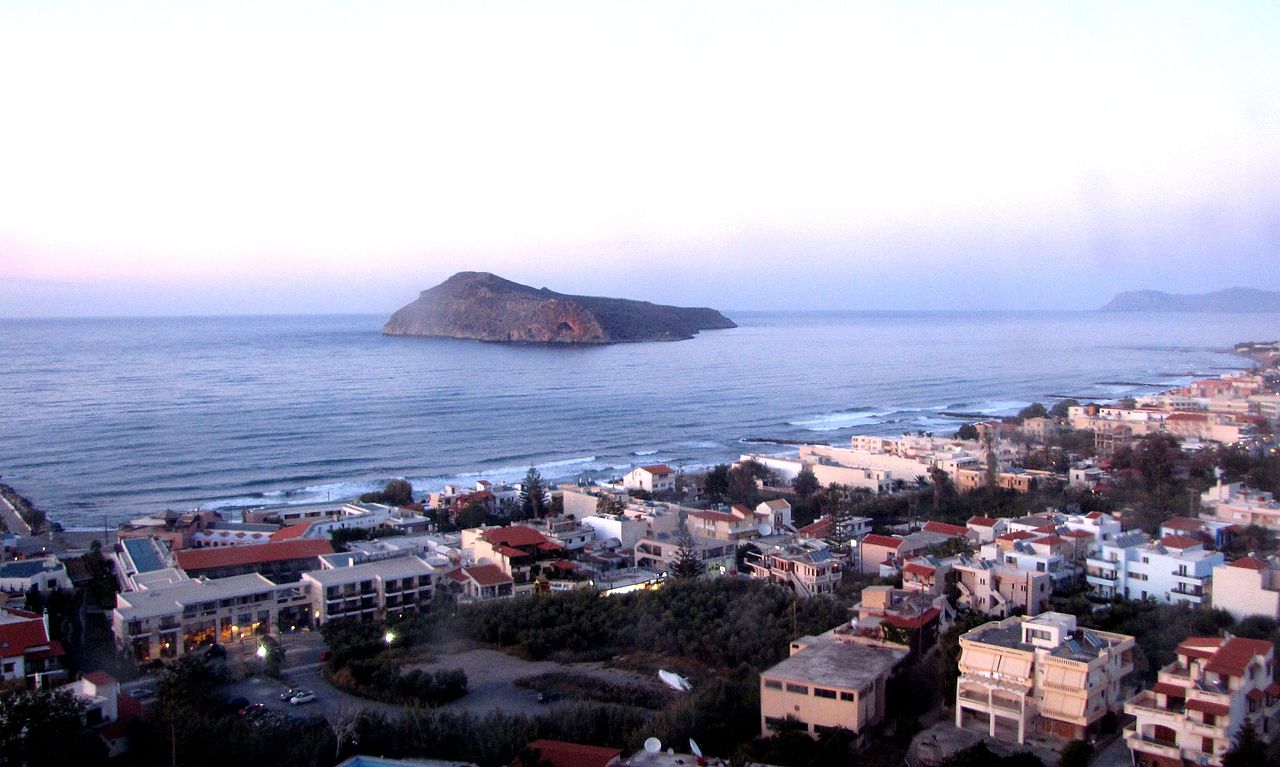
A second wave of African dust is forecast to affect Crete starting Monday, with particularly elevated levels expected over the Chania region. According to atmospheric monitoring service AtmoHub, fine particle concentrations (PM10) are predicted to exceed 100 micrograms per cubic metre, well above healthy air quality thresholds.
Visitors should be aware that this type of event reduces air clarity, giving the sky an orange or hazy appearance, and can significantly affect air quality across the island. People with respiratory conditions such as asthma, as well as the elderly and young children, should limit prolonged outdoor activity during peak dust hours, typically midday to late afternoon. Keeping windows closed and carrying any prescribed inhalers is advisable. The dust may also settle on vehicles and outdoor surfaces. Conditions are expected to improve once the episode passes, typically within one to three days.