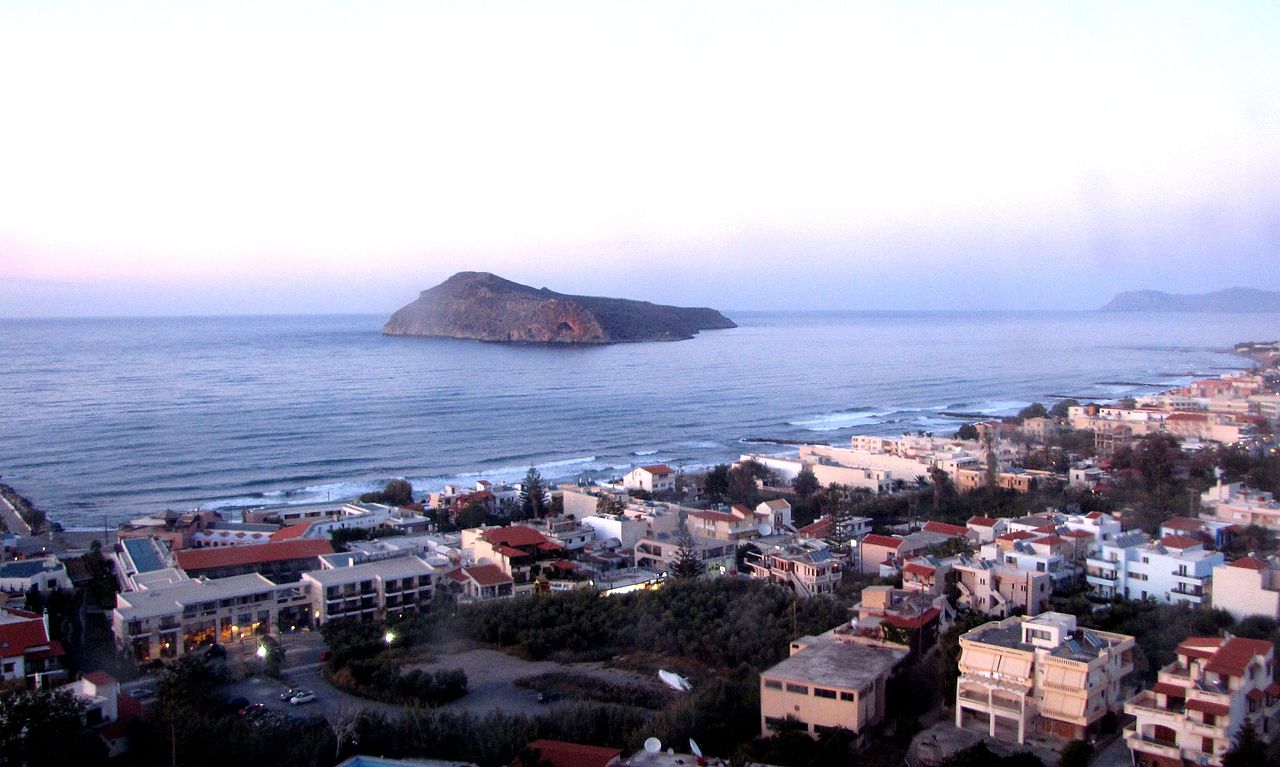
The History of Spinalonga's Leper Colony
Spinalonga island Crete sits in the Gulf of Elounda, in eastern Crete's Lasithi Prefecture. The island measures roughly 85,000 square metres — small enough to walk in under an hour — but carries one of the most layered histories in the Aegean.
The Venetians built the fortress here in 1579, converting a rocky outcrop into one of the most defensible positions in the eastern Mediterranean. They held it against the Ottomans longer than anywhere else on Crete — the island did not fall until 1715, a full 46 years after the rest of the island came under Ottoman rule.
In 1903, the Greek state repurposed the abandoned settlement as a leper colony. At its peak it housed several hundred patients, making it one of Europe's last active leprosy quarantine sites. Conditions improved significantly after 1930: residents organised community life — a café, a barbershop, church services — funded partly by patients who could still work. The colony closed in 1957 after antibiotic treatment rendered enforced quarantine unnecessary.
British author Victoria Hislop set her novel The Island here in 2005. Its Greek television adaptation brought a sharp increase in visitors. What you walk through today is the actual site — not a reconstruction — including the buildings, tunnels, and chapels used by patients during those 54 years.
For historical context on Venetian architecture across Crete, the Chania Old Town and Venetian Harbour guide covers the fortification style in detail.
Getting to Spinalonga: Boats, Distances and Fares
Three departure points serve Spinalonga. No bridge or car access exists — boats are the only way in.
- Plaka: the closest point on the mainland, roughly 250 metres from the island. The crossing takes about 5 minutes. Return fare approximately €8–10 per person. Best option if you want the shortest crossing and lowest cost.
- Elounda: approximately 2.5 km from the island, with a 10–15 minute boat crossing. Return fare approximately €12–15. Elounda has better facilities — restaurants, parking, ATMs — and more frequent departures in peak season (every 15–30 minutes in July–August).
- Agios Nikolaos: around 12 km south. Boats run as half-day excursions taking 40–50 minutes each way, often including a stop near Elounda. Expect approximately €20–25 per person including return.
Boats operate from approximately April through October. Outside those months, service is limited or suspended.
What to See on the Island
The marked walking route takes 45 to 90 minutes depending on pace. Key points include:
- The entrance tunnel: known informally as Dante's Gate, the stone passage through which newly diagnosed patients first entered. Still intact.
- The Venetian fortifications: bastions, cannon ports, and curtain walls from 1579 in good structural condition.
- The main colony street: ruined residential buildings, the church of Agios Panteleimon, and the former social spaces used by residents through the 1940s and 1950s.
- The Byzantine church: predates the Venetian period and retains partial fresco remnants.
There is no café, shop, or toilet on the island. Bring water — summer temperatures regularly exceed 30°C. Check conditions before departure: Crete Weather 22 June 2026 has current forecasts for the Elounda area.
Entry Fees, Crowds and Best Season
Entry fee: approximately €8 per adult. EU citizens over 65 pay a reduced rate. Under-18s enter free. Combined tickets covering nearby archaeological sites are occasionally available — ask at the Elounda port ticket office on the day.
The island is most crowded between 10:30 and 14:00 in July and August. To avoid the peak, take the first departure of the day (typically 08:30–09:00 from Elounda or Plaka) or the last boat around 16:30–17:00. Early morning also keeps temperatures manageable.
Visiting Spinalonga is worthwhile from May through October. The shoulder months of May–June and September–October offer the best combination: full boat schedules, temperatures of 22–28°C, and significantly fewer visitors than peak season. July and August are hot, crowded, and the only time advance planning genuinely matters.
No audio guide exists on the island. Download the Cultura Greece app before you go, or hire a local guide in Elounda (approximately €10–15 for a small group). The Spinalonga leper colony history is significantly richer with context — the physical ruins alone are evocative but often misread without background.