Every travel blog covering Crete follows the same script: fly into the island's main airport, rent a car, head west, photograph the lagoon, photograph the pink sand beach, leave. West Crete wins by algorithmic consensus, and millions of tourists comply. The result is entirely predictable: parking lots full by 8 AM, boat queues, and beaches where you negotiate for a square meter of sand in July.
East Crete is structurally different, not in a marketing-copy way. Its coastline is longer, its access roads fewer, and its visitor numbers a fraction of what the west absorbs. If you value space and genuinely low crowds over convenience, east Crete is not an alternative. For most visitors with more than five days, it is the better choice. Here is the honest breakdown.
- The myth of west Crete's superiority
- West Crete's crowd problem
- East Crete's beaches: the honest assessment
- The infrastructure gap
- West Crete beaches that still deliver
- East Crete villages and interior
- Who should go where
- The verdict
The Myth of West Crete's Superiority
The dominance of west Crete in travel content is not organic. It is a feedback loop: places that photograph well generate engagement, engagement generates more coverage, more coverage delivers more visitors, and more visitors produce more photographs. This cycle has run for over fifteen years, and west Crete's top spots are now priced and managed accordingly.
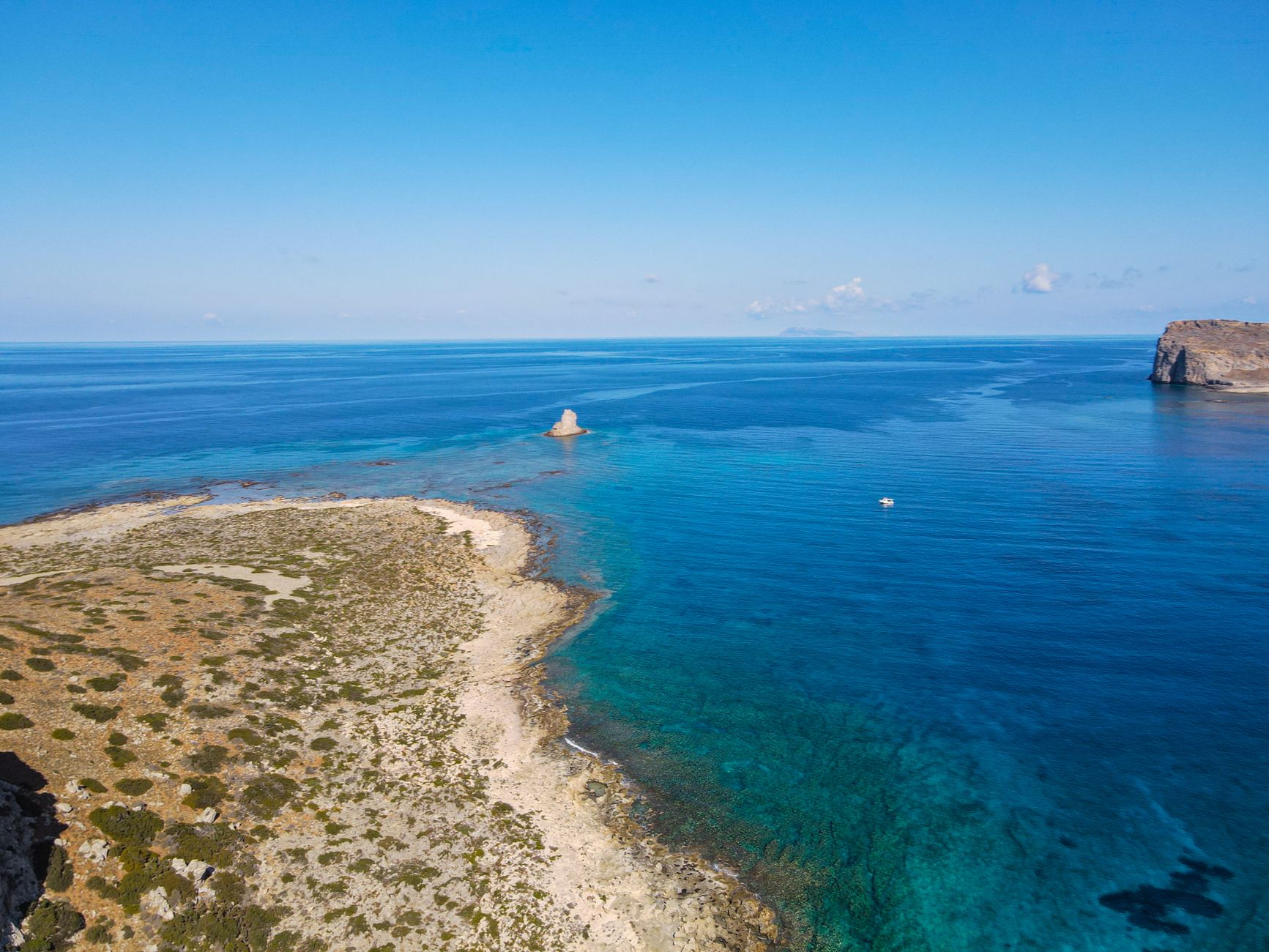
The evidence behind the images is less flattering. West Crete's most famous beach routinely reaches capacity by mid-morning on peak summer days. The access road to the northwest lagoon, running from near Kastelli, has no passing places on several stretches and requires vehicles to reverse into hillside cutouts. In August, that road operates at capacity before 9 AM. Boat services to the lagoon run on significant queues throughout the day.
West Crete has places that resist this pattern. Sougia Beach, backed by an olive-tree slope and reachable via a 7-kilometer coastal walk, attracts a different kind of visitor. Kalivaki Beach, smaller and less promoted, holds its character in summer. Kendrodasos, a juniper forest beach reached after a 20-minute walk over rough terrain, works precisely because most tourists will not make that walk.
These are exceptions. The region as a whole has optimized for volume in ways that systematically erode the reasons people come in the first place.
West Crete's Crowd Problem: What the Numbers Show
West Crete absorbs the largest share of the island's 4-plus million annual visitors, compressed into June through September. The infrastructure was not built for this volume. The main approach to west Crete's historic port city becomes functionally impassable for leisurely exploration between 10 AM and 8 PM from late June onwards. Waterfront restaurants accept reservations weeks in advance or operate walk-in queues exceeding an hour.
The beaches that still function in summer are the ones requiring effort:
- Golden Beach (north coast, near the peninsula tip): rewards arrivals before 9 AM, positioned beyond the main tourist circuit
- Finikas Beach: local regulars, low promotional profile, atmosphere that holds
- Trachilos Beach (far northwest): low visitor volume, near a prehistoric footprint discovery site, functions below capacity in most conditions
The structural problem is that west Crete's most photogenic locations have demand that outstrips their physical capacity for three months of the year. Most have not limited access. Summer visitors arrive expecting one version of west Crete and encounter a different one.
East Crete's Beaches: The Honest Assessment
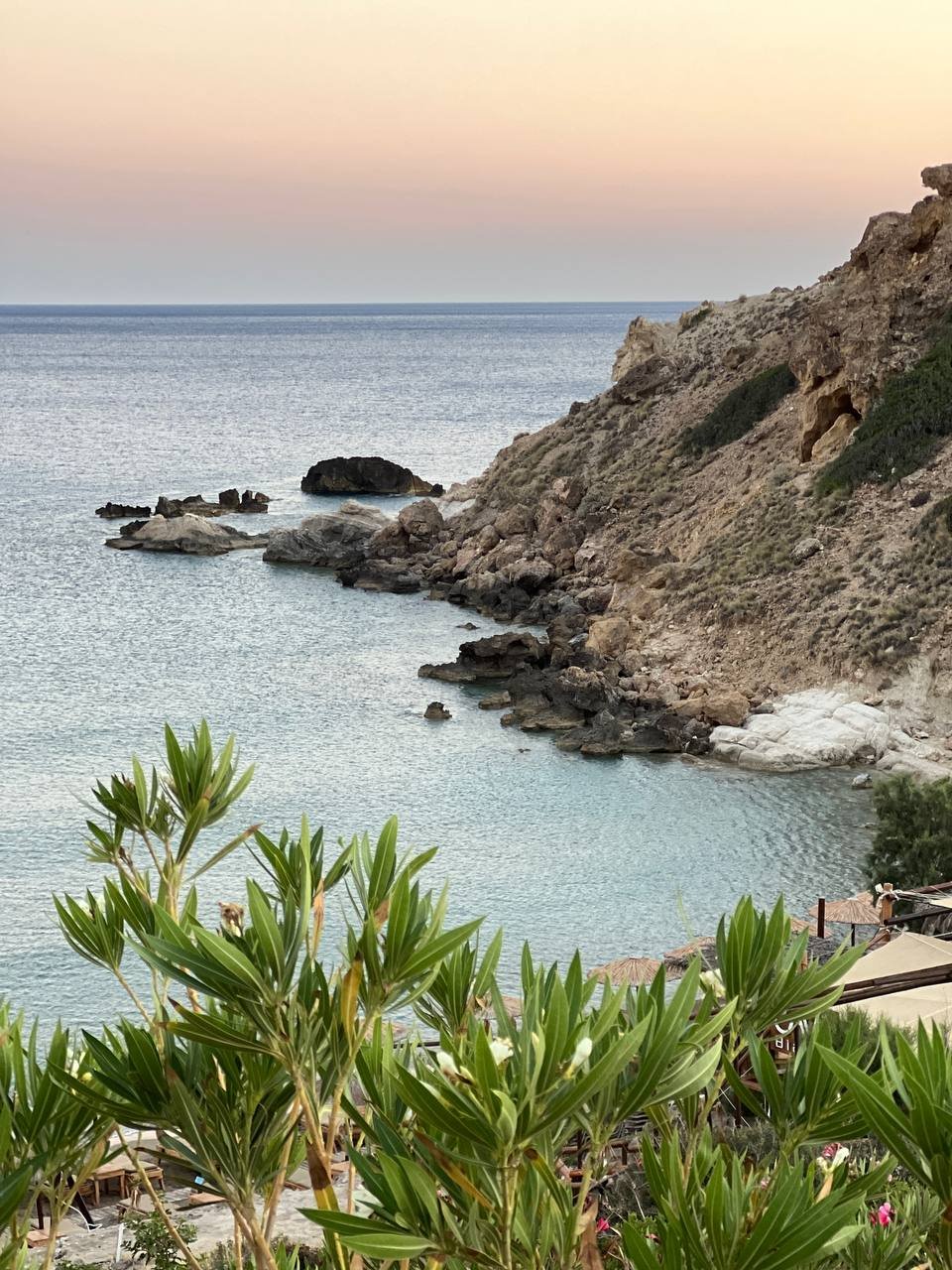
East Crete's coastline, from the central south around to the far northeastern tip, contains beaches that receive a fraction of the visitors comparable west-coast locations absorb. This is partly infrastructure (fewer roads, longer drive times), partly habit, and partly the absence of the social media amplification cycle that the west benefits from.
Palm Beach Vai, the east's most famous beach and the site of Europe's largest natural palm forest, is busy in summer but manageable. Arrive before 9 AM or after 5 PM and significant stretches remain accessible.
Trachilias Beach is pebble and sand, no facilities, clear water. You bring what you need or you do not come. This accurately describes most east-coast beaches.
Karoumes is accessible only by boat or a difficult coastal path. The beach sits below limestone cliffs and receives visitors who made a specific decision to be there. In peak August, you will encounter other people. You will not stand in a queue to enter the water.
Itanos Beach, at the far northeastern tip, sits adjacent to an ancient settlement site. Distance from the airport, consistent meltemi wind exposure, and the absence of beach bars keep crowds genuinely low throughout the summer months.
Makrigialos Beach is the east's most accessible family destination: decent facilities, south-facing exposure, honest infrastructure that functions reliably and extends the swimming season into October.
The Infrastructure Gap: Honest About the East's Weaknesses
East Crete's underrating is partly earned. The infrastructure gaps are real and should not be dismissed.
The road from the island's capital to the eastern half takes 1.5 to 2.5 hours depending on traffic and destination. The BOAK motorway, the east-west highway under construction, remains incomplete through the eastern section. This means winding two-lane roads for significant stretches with no bypass option.
Restaurant density is lower. The concentrated dining scene that west Crete's main city offers does not exist in the east. Food is frequently excellent, but you are choosing between two or three village tavernas, not forty waterfront options.
Accommodation is thinner: fewer large hotels, fewer international chains, more small guesthouses and private rentals. For some travelers this is preferable. For others, it means less predictability on short trips.
The nearest major hospital to the far eastern end of the island is a 90-minute drive. This matters for families with young children or visitors with existing health conditions.
The honest framing: east Crete requires more planning and more tolerance for uncertainty. If you have five days and want a managed experience, the west is more efficient. If you have ten days and consider the planning part of the trip, the gaps become negligible.
West Crete Beaches That Still Deliver
West Crete has not surrendered entirely to mass tourism. Several beaches work for specific reasons, and knowing which ones is more useful than a general endorsement of the region.
- Sougia Beach: 700 meters of grey pebble, a small village with genuine tavernas, accessible via the coastal path. Busy in July but not unmanageable.
- Golden Beach: 2-kilometer stretch on the north coast, positioned far enough from the tourist circuit that most visitors heading to the northwest lagoon pass through without stopping.
- Finikas Beach: small, local, no travel-blog profile. Functions because it has not been discovered at scale.
- Pink Beach: accessible by boat or on foot, colored pebbles in a sheltered cove. The approach keeps it quieter than its visual interest would suggest.
- Kalivaki Beach: outside the main summer circuit, manageable even in August.
The pattern is consistent: west-coast beaches that still deliver are the ones requiring effort, local knowledge, or awkward timing. Those reachable by direct tourist bus in under an hour from the main city have, almost without exception, exceeded their own demand.
East Crete Villages and Interior
The east Crete interior is where most visiting itineraries stop, and where the more interesting parts of the region begin.
Myrtos, on the south coast, is a small fishing village that has maintained its scale while becoming modestly known. Genuine tavernas, a functioning beach, local life that continues regardless of tourist season. It is a 2-hour drive from the island's capital and considerably further from the main airport, which is exactly why it remains itself.
The south coast road from Myrtos toward Makrigialos Beach passes through terrain with unobstructed views of the Libyan Sea and through villages where the kafeneion has been open since before tourists arrived.
Tholos Beach, east of the eastern prefecture's main town, is small, sheltered, and recommended primarily by people who have been there. No development, no facilities, no queue.
Kouremenos Beach operates on a different principle. The east's main windsurfing location, it benefits from the meltemi wind that makes other east-coast beaches uncomfortable from June to September. The visitor base is focused, the atmosphere specific, and the generic beach-resort experience entirely absent.
The high plateau in the eastern interior, accessible by mountain road, offers a cooler summer climate, traditional windmills, and a pace of life entirely disconnected from the coastal tourist circuit. It is the correct answer to a grey day and better than most people's sunny-day plans.
Who Should Actually Go Where
The east versus west question has a practical answer that depends on your specific situation.
Go to west Crete if:
- You have 4 to 5 days and want concentrated highlights with minimal driving
- You are traveling with people who need reliable, dense infrastructure
- The famous gorge hike in the White Mountains is specifically on your list
- The historic Venetian port city is a genuine priority, not a reflex booking
Go to east Crete if:
- You have 7 or more days and driving does not trouble you
- You want beaches where you put down a towel without negotiating for space
- Ancient and Minoan archaeology interests you: the east holds the island's highest concentration of settlement ruins
- You are traveling in July or August and windsurfing at Kouremenos Beach is on the itinerary
- You want to eat in a village rather than a restaurant operating at tourist scale
The east is not better in an absolute sense. It is better for a specific traveler: one who reads this far before booking and values space over managed convenience. Splitting 10 days between east and west is what most people with flexibility should plan.
The Verdict
Five years on this island produces one clear observation: west Crete is selling a version of itself that peak-season reality does not consistently match. The photographs are accurate. The experience of standing in those photographs, alongside several thousand other visitors who saw the same images, is different from what the photographs suggest.
East Crete is slower to reach, shorter on infrastructure, and more demanding of the traveler. It is also, in July and August, quieter than any comparable Mediterranean coastline at this latitude and price point. The trade is direct: you give up convenience and density of options, and you receive space and a pace that west Crete can only offer in October.
The practical verdict for a visitor with 7 or more days: base yourself in the east and drive west for two or three days. This gives you the west's best moments without the west's summer reality. The reverse, basing in the west and making day trips east, means drives past 90 minutes each way, which most people will not sustain across a full week.
Plan the east. Let the west be the side trip. The experience is better in that order.