Tripiti Beach, Sfakia
- Bewertung
- 1.1
- km · Paleochora
- 17
- Wasser
- Blue
- Sand
- Fine Pebbles, Rocks in places
- Tiefe
- Deep
- Meer
- Usually calm
- Andrang
- Quiet
- Zugang
- Boat, Walking
20 in der NäheAncient Pikilassos, Voukelasi Koules (Pikilasos), Agios Antonios Beach, Charéi
Die Geschichte lesen
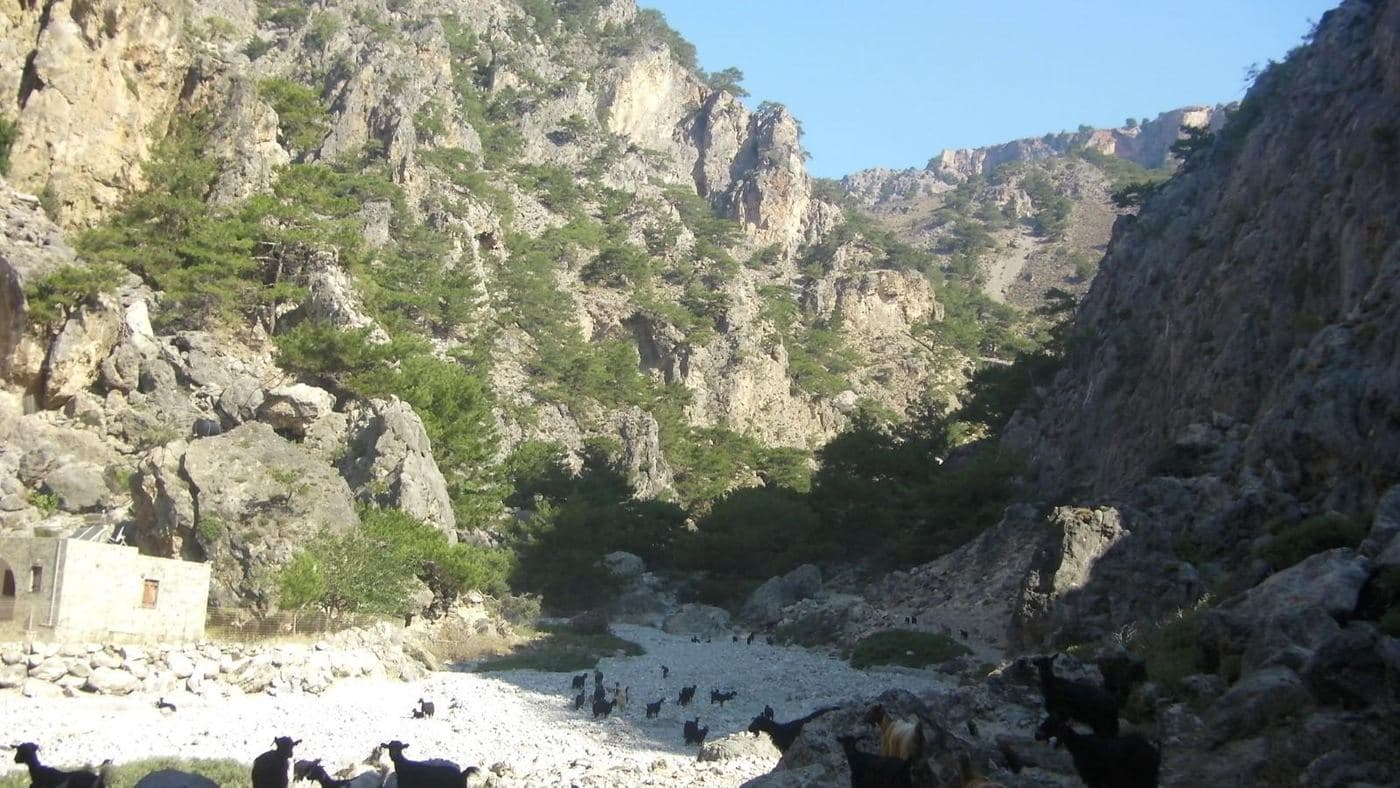
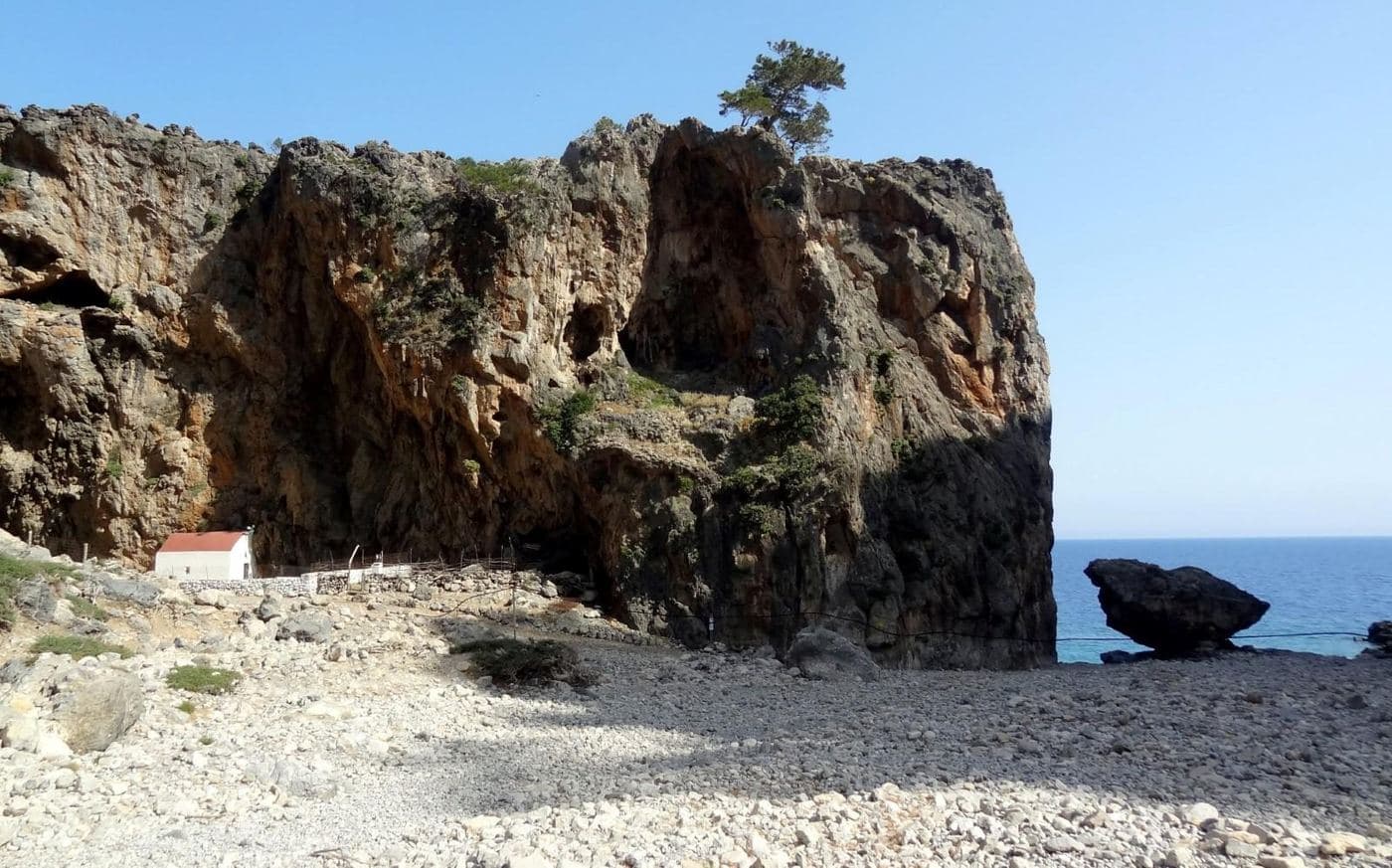
The rocky beach of Tripiti is located 5km east of Sougia and 68km south of Chania city , at the ending point of the wild gorge of Trypiti . It is absolutely secluded, as all the beaches of the wider Sfakia area.
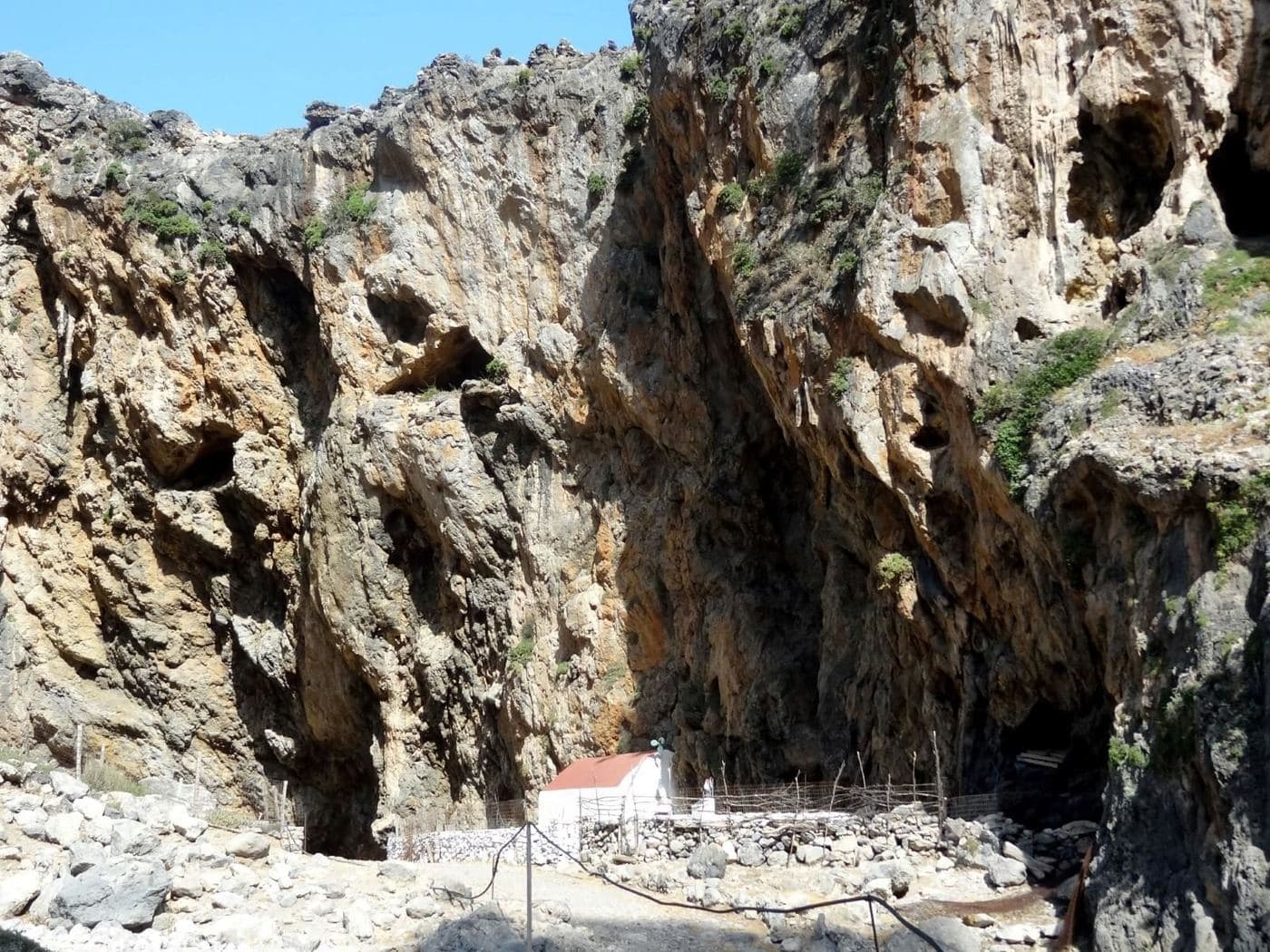
Access to Tripiti is possible either by boat or by walking in a difficult path from Sougia (three hours). The vertical cliffs near the beach provide natural shade.
If you walk 500m east to the beach, you'll meet the much nicer pebbly beach of Sendoni , used by beekeepers. Tripiti is believed to be the site of the ancient town Pikilasos with the protected natural harbor.
The port has been converted to a reef with incredible formations after some geological changes during the 4th AD century. Inscriptions have been discovered in the area, revealing the existence of a temple dedicated to Serapis (Greco-Egyptian god of antiquity).
Moreover, archaeologists have discovered several tombs, carved in the rocks. On the beach there is a cistern with water, a goat pen and the picturesque church of Agios Nikolaos .
If you are in the area on July 19, you can take part in the celebration of the Prophet Elijah , that celebrates on July 20. The pilgrims arrive by boat in the afternoon on the beach of Trypiti and then walk in the path leading to the chapel of Prophet Elijah, 400 meters above sea level.
They spend the night there with food and traditional Cretan songs and leave on the next day. On the peak of the same hill, there are the ruins of Fort Voukelasi .
Schreibe die erste Bewertung
Bewertung abgeben für Tripiti Beach, Sfakia